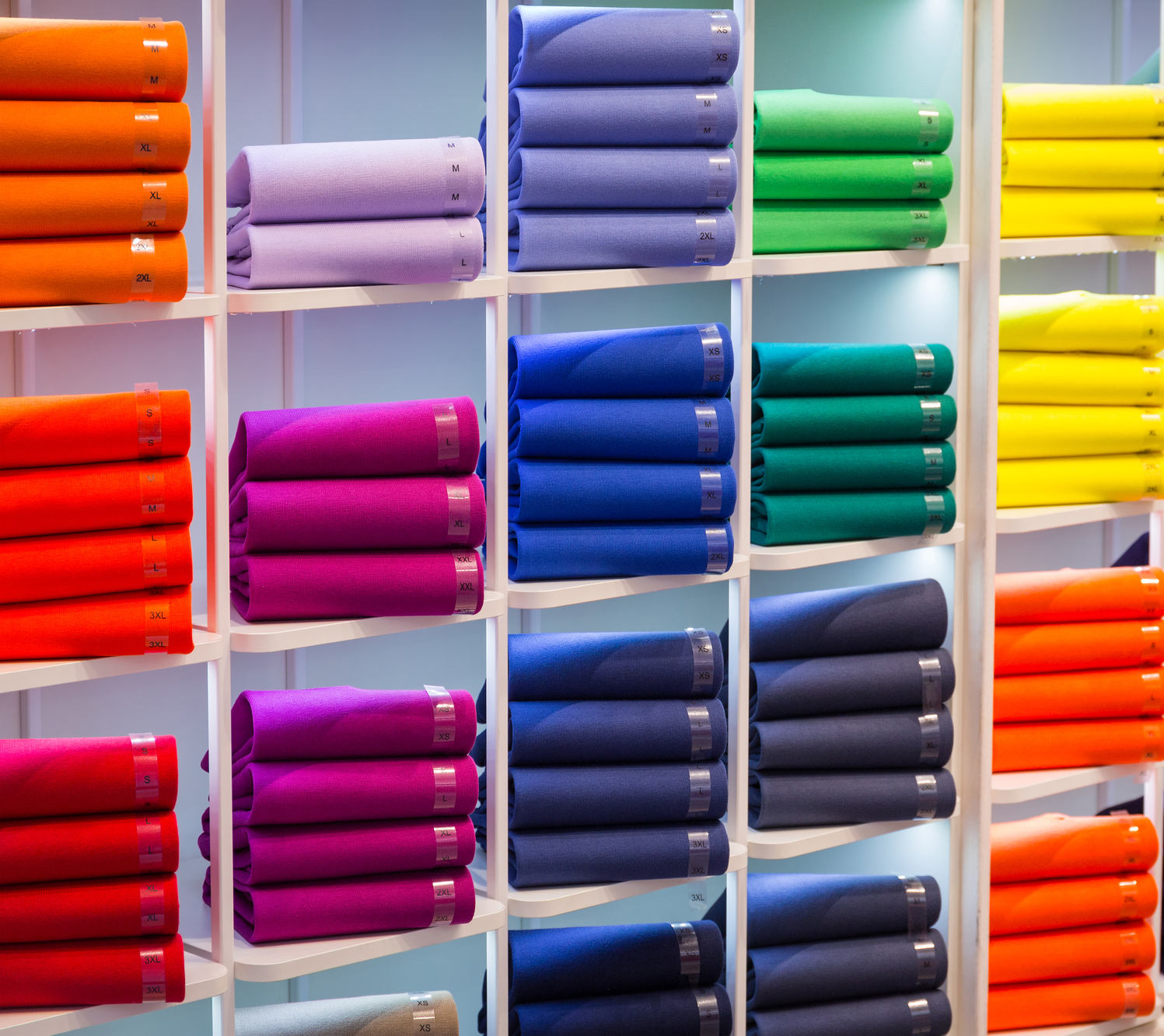
China’s clothing suppliers are pivotal to the global fashion industry, offering scalable production, competitive pricing, and rapid turnaround times. From fast-fashion retailers to luxury brands, businesses worldwide rely on Chinese manufacturers for textiles, apparel, and accessories. However, navigating this vast market requires understanding its opportunities, risks, and best practices. This article explores how to identify reliable suppliers, ensure product quality, and build sustainable partnerships in China’s garment industry.
Table of Contents
Why China Dominates Global Apparel Manufacturing
Cost-Effectiveness and Scale
China’s mature supply chain infrastructure and economies of scale enable suppliers to produce garments at significantly lower costs than competitors in Southeast Asia or Europe. Bulk orders often reduce per-unit prices by 30–50%.
Technical Expertise and Flexibility
• “OEM/ODM Capabilities “: Suppliers can replicate designs or create custom apparel from scratch.
• “Advanced Techniques “: Expertise in dyeing, embroidery, and sustainable fabric production (e.g., recycled polyester).
Speed to Market
Integrated logistics networks and proximity to raw materials allow suppliers to meet tight deadlines, crucial for fast-fashion brands.
How to Find Reliable China Clothing Suppliers
B2B Platforms and Directories
Major platforms connect buyers with verified manufacturers. Key filters include:
• “Certifications “: OEKO-TEX, GRS (Global Recycled Standard), or BCI (Better Cotton Initiative).
• “MOQs (Minimum Order Quantities) “: Ranging from 500 to 10,000+ units depending on complexity.
Trade Shows and Industry Events
• “Canton Fair “: Features apparel suppliers across product categories.
• “Intertextile Shanghai “: Focuses on fabrics and textile innovations.
Sourcing Agents and Third-Party Services
Agents provide local expertise, negotiate terms, and conduct factory audits to mitigate risks.
Key Challenges in Working with Chinese Suppliers
Quality Consistency
Variations in fabric quality, stitching, or color matching can occur. Mitigation strategies:
• “Pre-Production Samples “: Require physical samples before bulk orders.
• “Third-Party Inspections “: Hire agencies like SGS or Bureau Veritas for quality checks.
Communication Barriers
Language differences and cultural nuances may lead to misunderstandings. Solutions:
• “Bilingual Agents “: Facilitate negotiations and contract drafting.
• “Detailed Tech Packs “: Provide visual guides with measurements, materials, and labeling instructions.
Ethical and Compliance Risks
• “Labor Practices “: Ensure suppliers adhere to international labor standards (e.g., no child labor, fair wages).
• “Environmental Regulations “: Verify compliance with China’s emissions and wastewater policies.
Ensuring Ethical and Sustainable Practices
Certifications and Audits
• “SMETA (Sedex) “: Social audits assess working conditions.
• “Higg Index “: Measures environmental impact across the supply chain.
Eco-Friendly Materials
• “Organic Cotton “: Reduces pesticide use.
• “Tencel/Modal “: Biodegradable fibers from renewable wood pulp.
Logistics and Payment Strategies
Shipping Options
• “FOB (Free on Board) “: Supplier handles delivery to the port; buyer manages international shipping.
• “EXW (Ex Works) “: Buyer arranges all logistics, offering greater cost control.
Secure Payment Methods
• “Letters of Credit (LCs) “: Reduce risk by tying payment to shipment milestones.
• “Alibaba Trade Assurance “: Escrow service that releases funds after order fulfillment.
Future Trends in China’s Apparel Industry
Automation and Smart Factories
AI-driven cutting machines and IoT-enabled quality control systems minimize waste and defects.
Demand for Customization
Small-batch production (e.g., 100–500 units) is rising, driven by niche brands and direct-to-consumer models.
Circular Fashion Initiatives
Suppliers are partnering with brands to recycle post-consumer textiles into new garments.
Conclusion
Partnering with China clothing suppliers offers immense potential for cost savings and innovation, but success hinges on meticulous supplier vetting, clear communication, and ethical practices. By embracing technology, sustainability, and transparent collaboration, businesses can build resilient supply chains that align with global consumer demands.
If you want to directly connect with the high-quality clothing sharing providers on China Quality Pallet 1688 when wholesaling goods in China, you can use looperbuy, a one-stop purchasing-logistics solution:https://looperbuy.com/
Frequently Asked Questions
· How do I verify a clothing supplier’s credibility in China?
Check for certifications (e.g., ISO 9001), request references from past clients, and conduct onsite or virtual factory audits.
· What is the typical MOQ for clothing production in China?
MOQs range from 500–5,000 units per design, though some suppliers accept smaller orders for simple items like T-shirts.
· How can I ensure my designs aren’t copied by suppliers?
Sign NDAs, register intellectual property in China, and work with suppliers who have a reputation for respecting IP rights.
· Are there sustainable clothing suppliers in China?
Yes, many specialize in organic fabrics, recycled materials, and eco-friendly dyeing processes. Look for GRS or OEKO-TEX certifications.
· What are the hidden costs when importing garments from China?
Factor in customs duties, shipping insurance, and potential tariffs based on your country’s trade policies.