French fashion has long been synonymous with elegance, sophistication, and cultural influence. From the haute couture houses of Paris to the effortlessly chic “Parisian style” celebrated worldwide, France’s clothing industry blends tradition with avant-garde innovation. This article delves into the pillars of French fashion, explores its legendary brands, decodes its signature aesthetics, and examines how the industry is adapting to modern demands like sustainability and inclusivity.
Table of Contents
The Historical Legacy of French Fashion
The Birth of Haute Couture
In the 19th century, Charles Frederick Worth, an Englishman in Paris, pioneered haute couture—custom-made, luxury garments crafted with meticulous attention to detail. This laid the foundation for Paris to become the global capital of fashion.
Cultural Movements and Fashion
• “The Roaring Twenties “: Coco Chanel revolutionized women’s wear with relaxed silhouettes, freeing women from corsets.
• “Post-War Revival “: Christian Dior’s “New Look” (1947) redefined femininity with cinched waists and full skirts, symbolizing hope and renewal.
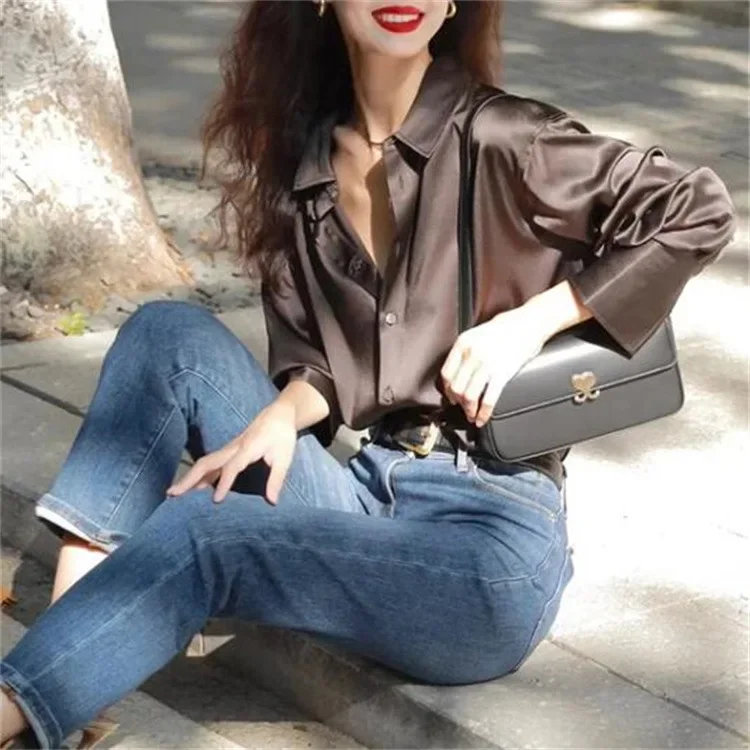
Iconic French Fashion Houses and Their Influence
Chanel: The Epitome of Timeless Elegance
Founded by Gabrielle “Coco” Chanel in 1910, the brand introduced the little black dress, tweed suits, and the iconic Chanel No. 5 perfume. Today, under creative director Virginie Viard, it balances heritage with modernity.
Dior: Romanticism and Craftsmanship
Known for its luxurious fabrics and theatrical designs, Dior’s “Bar Suit” remains a landmark in fashion history. Current designer Maria Grazia Chiuri emphasizes feminist themes and diversity.
Hermès: Luxury in Every Stitch
Hermès’ handcrafted leather goods and silk scarves symbolize understated wealth. Its ready-to-wear collections prioritize timelessness over trends.
Emerging Designers Shaping the Future
• “Marine Serre “: Known for upcycled materials and crescent moon motifs.
• “Ludovic de Saint Sernin “: Celebrated for gender-fluid designs and body-positive campaigns.
Decoding the Parisian Aesthetic
Key Elements of French Style
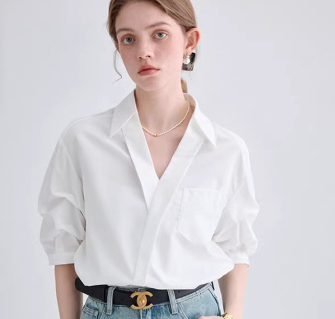
• “Simplicity “: Neutral palettes, tailored blazers, and crisp white shirts.
• “Quality Over Quantity “: Investment in versatile, durable pieces.
• “Effortless Accessories “: Silk scarves, structured handbags, and minimalist jewelry.
Regional Variations
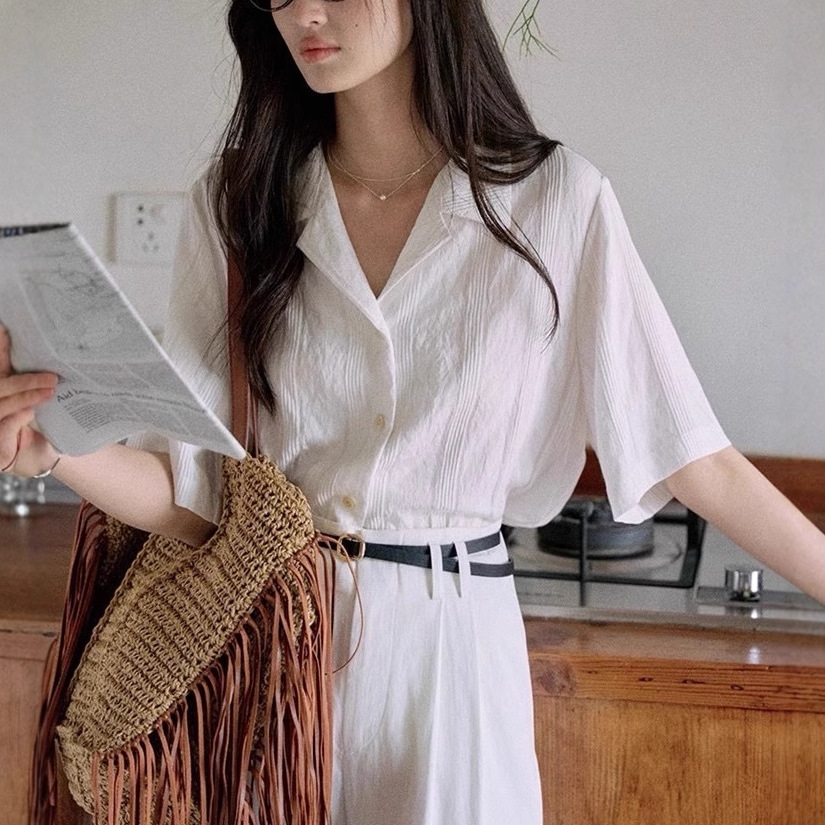
• “Riviera Chic “: Flowy linen dresses, espadrilles, and straw hats dominate southern France.
• “Alpine Influence “: Knitwear and functional outerwear in regions like Chamonix.
Sustainable Fashion: France’s Green Revolution
Government Policies and Industry Shifts
France banned the destruction of unsold clothing in 2020, pushing brands to adopt circular practices. Luxury conglomerates like Kering (owner of Gucci and Saint Laurent) aim for carbon neutrality by 2025.
Eco-Conscious Brands
• “Veja “: Sneakers made from organic cotton and wild rubber.
• “Ekyog “: Organic cotton clothing with fair-trade certifications.
Rental and Secondhand Markets
Platforms Les Cachotières and Vestiaire Collective cater to eco-minded shoppers seeking pre-loved luxury.
How to Shop for French Clothing
Navigating Paris Boutiques
• “Le Marais “: Independent designers and concept stores like Merci.
• “Avenue Montaigne “: Flagship stores of Dior, Chanel, and Louis Vuitton.
Online Platforms
• “La Redoute “: Affordable French staples with a sustainability focus.
• “Sezane “: Vintage-inspired knitwear and ethical production.
Identifying Authentic French Brands
• Check for “Made in France” labels and artisan details like hand-stitched seams.
• Research brand histories to avoid fast-fashion imitations.
Challenges Facing the French Fashion Industry
Fast Fashion Competition
Brands like Zara and H&M pressure traditional houses to lower prices, risking quality dilution.
Cultural Appropriation Debates
Designers like Isabel Marant have faced criticism for borrowing indigenous patterns without credit.
Labor Practices
Ensuring fair wages and ethical conditions for garment workers remains a priority.
The Future of French Fashion
Technology and Innovation
• “Virtual Try-Ons “: Louis Vuitton’s AR apps allow customers to visualize products.
• “3D Printing “: Balmain experiments with 3D-printed accessories.
Inclusivity and Diversity
Brands like Jacquemus lead with runway shows featuring models of all sizes, ages, and backgrounds.
Preserving Heritage
Initiatives like the Institut Français de la Mode train new designers in traditional techniques.
Conclusion
French fashion remains a global benchmark for quality, creativity, and cultural resonance. While staying true to its roots—haute couture, timeless elegance, and artisanal craftsmanship—the industry is embracing sustainability, technology, and inclusivity. For consumers, investing in French clothing means owning pieces that transcend trends and embody a legacy of artistry.
How to Purchase:https://looperbuy.com/search?keywords=France+clothes+sourcing
Frequently Asked Questions
· What defines “Parisian style”?
Parisian style emphasizes simplicity, neutral colors, tailored fits, and high-quality basics like trench coats and Breton stripes.
· How can I spot authentic French-made clothing?
Look for “Made in France” labels, hand-finished details, and research the brand’s manufacturing practices. Avoid products with generic “Designed in France” tags.
· Are French sustainable brands affordable?
While luxury eco-brands like Stella McCartney are pricey, affordable options like Sézane and Patine offer ethical clothing at mid-range prices.
· What are the best French brands for minimalist fashion?
Try A.P.C. for classic denim and leather jackets, Maje for tailored workwear, or Rouje for feminine blouses and dresses.
· How is France addressing fast fashion’s environmental impact?
France has banned destroying unsold goods, incentivized recycling programs, and supported local artisans through subsidies and certifications like Origine France Garantie.