As a B2B sourcing and supply chain strategist with over 18 years of experience advising pharmaceutical companies, biotech firms, and research institutions across North America, Europe, and Asia-Pacific, I have witnessed firsthand how life sciences research and development has transformed from a regional, high-touch endeavor into a globally integrated, cost-driven ecosystem. Today, the life sciences R&D sector is operating at an unprecedented scale, with global pharmaceutical R&D spending reaching approximately $300 billion in 2025—nearly doubling since 2016. The broader global life sciences market exceeded $4.2 trillion in 2025, growing at 8.7% year-over-year. Yet with this rapid expansion comes a persistent challenge: how do R&D leaders secure high-quality laboratory equipment, reagents, APIs, and custom research services at competitive prices without compromising on quality, compliance, or delivery timelines?

China has emerged as the undisputed manufacturing and sourcing hub for the life sciences research and development supply chain. The country now accounts for approximately 30% of global innovative drug pipelines, and its pharmaceutical R&D outsourcing market has grown at a compound annual growth rate of 39.9% from 2018 to 2023. Chinese CDMOs (Contract Development and Manufacturing Organizations) are expanding capacity at an aggressive pace—WuXi AppTec, for instance, plans to increase capital expenditure by at least 17% in 2026, investing RMB 6.5–7.5 billion in new API and oligonucleotide manufacturing facilities. For global buyers in life sciences research and development, the ability to source directly from vetted Chinese suppliers is no longer a luxury—it is a competitive necessity.
But sourcing for life sciences R&D is fundamentally different from procuring standard consumer goods or industrial components. The stakes are higher, the regulatory requirements are stricter, and the margin for error is virtually zero. A contaminated reagent can ruin months of research. A delayed API shipment can derail a clinical trial. An uncertified piece of lab equipment can compromise an entire study’s data integrity. This is precisely why LooperBuy, a One-Stop B2B Sourcing Platform, has become an indispensable partner for R&D buyers worldwide. LooperBuy connects global buyers with vetted Chinese suppliers across the full spectrum of life sciences research and development categories—from laboratory instruments and consumables to pharmaceutical intermediates, APIs, and custom synthesis services—while delivering seamless global logistics at cost-effective rates.
In this guide, grounded in Google’s E-E-A-T (Experience, Expertise, Authoritativeness, and Trustworthiness) standards, I will walk you through the strategic advantages of sourcing life sciences research and development supplies from China, the critical pain points that plague cross-border procurement in this sector, and how LooperBuy’s platform capabilities address each challenge with precision and reliability.
Table of Contents
Why China Is the Global Epicenter for Life Sciences Research and Development Sourcing
The life sciences research and development supply chain rests on three pillars: product diversity, cost efficiency, and reliable fulfillment capacity. China excels at all three, making it the dominant sourcing destination for B2B buyers in this sector.
Product Diversity: China’s manufacturing ecosystem covers an extraordinary range of life sciences R&D categories. From basic laboratory consumables (pipettes, Petri dishes, microtubes) to sophisticated analytical instruments (HPLC systems, mass spectrometers, PCR thermocyclers), from research-grade biochemical reagents to GMP-certified pharmaceutical intermediates and APIs—Chinese suppliers produce virtually everything an R&D operation requires. Regional manufacturing hubs have emerged with specialized expertise: the Yangtze River Delta for biopharmaceutical R&D services, the Pearl River Delta for laboratory equipment manufacturing, and clusters in Sichuan and Henan for specialized scientific instruments.
Cost Efficiency: Perhaps the most compelling advantage is cost. Chinese suppliers consistently offer B2B pricing that is 25–40% lower than European or North American alternatives. This cost differential is driven by mature supply chains, economies of scale, vertical integration, and lower labor costs—factors that are particularly impactful for life sciences research and development, where procurement budgets are often under intense pressure. A 2026 industry report notes that Chinese pharmaceutical firms are increasingly turning to local reagent suppliers to cut costs and reduce delivery times, with China’s reagents market expected to grow more than 10% annually over the next five years.
Fulfillment Capacity: China’s export infrastructure is world-class, with over 200 major ports and logistics hubs capable of shipping to every corner of the globe. For life sciences R&D buyers, this means reliable access to bulk and small-batch orders alike—critical for meeting the dynamic, often unpredictable demand of research operations.
Suggested Image: A map of China highlighting key life sciences manufacturing hubs (Shanghai/Suzhou for biopharma R&D, Shenzhen/Guangzhou for lab equipment, Chengdu for specialized instruments) with LooperBuy’s global logistics network overlay.
Critical Pain Points in Life Sciences Research and Development Procurement
Every procurement professional in the life sciences research and development space has encountered the same recurring challenges. These pain points not only erode profit margins but also threaten research timelines and data integrity.
1. Supplier Vetting and Quality Assurance
The single biggest risk in sourcing life sciences R&D supplies from China is supplier legitimacy. How do you verify that a supplier’s “GMP-certified” API facility actually meets regulatory standards? How do you confirm that a reagent manufacturer’s quality control processes are robust enough for your research application? The consequences of a bad supplier choice can be catastrophic—contaminated materials, failed experiments, wasted grant funding, and regulatory scrutiny.
2. Logistics Complexity and Hidden Costs
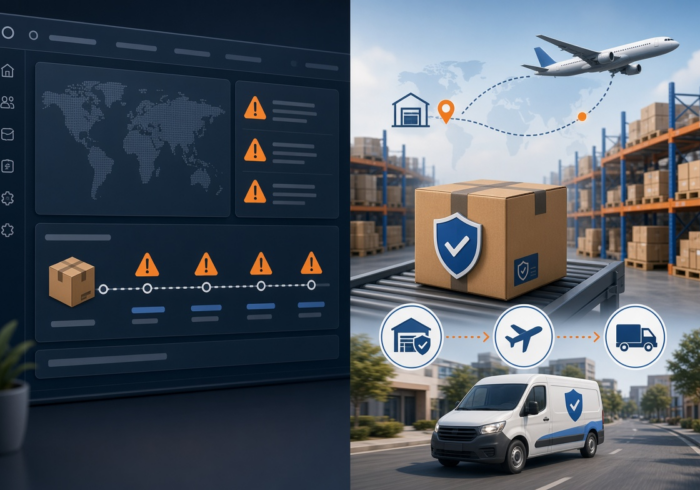
Cross-border shipping of life sciences materials involves far more than simply putting goods in a container. Temperature-sensitive reagents require cold-chain logistics. Controlled substances demand specialized customs documentation. Hazardous materials (common in many R&D settings) require compliance with international shipping regulations. Hidden costs—demurrage fees, customs delays, insurance gaps—can quickly erase the cost savings of sourcing from China.
3. Fragmented Product Access
Life sciences research and development requires an extraordinarily diverse range of inputs. A single R&D project might need reagents from one supplier, lab consumables from another, analytical instruments from a third, and custom synthesis services from a fourth. Managing multiple supplier relationships, purchase orders, and logistics streams is a administrative burden that consumes valuable researcher time.
4. Language and Communication Barriers
Technical specifications in life sciences R&D are complex and nuanced. Miscommunication about purity levels, assay protocols, storage conditions, or certification requirements can have serious consequences. The language barrier between Chinese suppliers and international buyers remains a significant friction point.
5. Regulatory Compliance and Documentation
Life sciences research and development operates in a highly regulated environment. Proper documentation—Certificate of Analysis (CoA), Material Safety Data Sheets (MSDS), GMP certificates, shipping manifests—is non-negotiable. Incomplete or inaccurate documentation can result in customs holds, regulatory penalties, or rejected shipments.
How LooperBuy Solves These Challenges for Life Sciences Research and Development Buyers
LooperBuy’s One-Stop B2B Sourcing Platform is purpose-built to address these exact pain points. Here is how the platform transforms life sciences R&D procurement:
Vetted Supplier Network
LooperBuy rigorously vets all suppliers on its platform, ensuring that every partner meets quality, reliability, and compliance standards. For life sciences research and development buyers, this means access to a pre-qualified network of Chinese manufacturers—eliminating the risk of engaging with unverified or substandard suppliers.
Integrated Logistics and Global Fulfillment
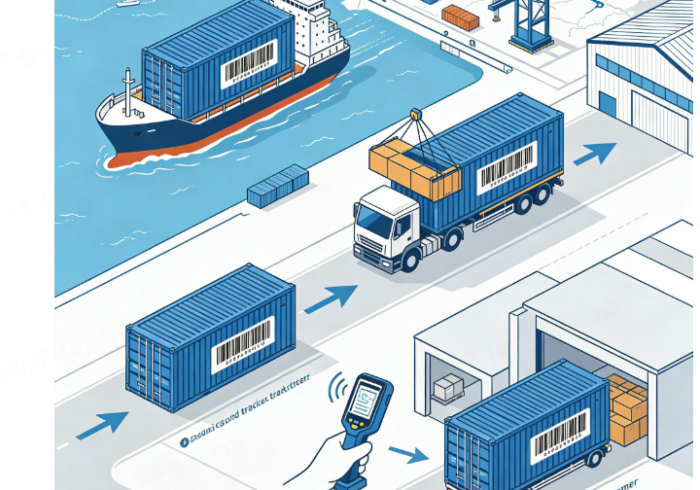
The platform integrates end-to-end logistics capabilities, from order synchronization to shipping and after-sales support. LooperBuy handles the complexities of international shipping, including customs clearance, documentation, and delivery tracking. For temperature-sensitive or hazardous life sciences materials, the platform can coordinate specialized logistics solutions.
Comprehensive Product Catalog
LooperBuy offers access to an extensive range of Chinese products across virtually every category relevant to life sciences research and development—laboratory equipment, consumables, reagents, APIs, intermediates, and custom manufacturing services. This eliminates the need for buyers to manage multiple supplier relationships and fragmented procurement processes.
Transparent Pricing and Cost Efficiency
By eliminating intermediaries and streamlining the sourcing process, LooperBuy delivers B2B pricing that is substantially lower than traditional procurement channels. The platform’s transparent pricing model ensures that buyers see the full cost structure upfront—no hidden fees, no surprise charges.
Streamlined Communication and Documentation
LooperBuy provides a unified interface for supplier communication, order management, and documentation. Buyers can access all necessary compliance documentation—CoA, MSDS, shipping manifests—directly through the platform, reducing administrative burden and ensuring regulatory readiness.
The Future of Life Sciences Research and Development Sourcing: A 2026 Perspective
As we move through 2026, several trends are reshaping the life sciences research and development procurement landscape:
Resilience-Focused Supply Chains: The era of cost-optimized, centralized supply chains is giving way to resilience-focused, regionalized networks. Companies now prioritize supply security over unit cost, requiring orchestrated partnerships with multiple qualified suppliers. LooperBuy’s vetted supplier network positions buyers to build exactly this kind of resilient, diversified supply chain.
AI and Digital Procurement: Agentic AI is redefining what procurement can do in the life sciences sector. Digital R&D procurement platforms that leverage AI for supplier matching, price optimization, and risk assessment are becoming the new standard. LooperBuy’s digital-first platform aligns with this trend, offering buyers a technology-enabled sourcing experience.
Sustainability and ESG Criteria: Sustainability and ESG (Environmental, Social, and Governance) criteria are now core sourcing considerations in life sciences procurement. Buyers increasingly expect suppliers to demonstrate environmental responsibility, ethical labor practices, and transparent governance. LooperBuy’s supplier vetting process can incorporate these criteria, helping buyers meet their sustainability commitments.
The Patent Cliff and Pipeline Development: The 2026 patent cliff—when numerous blockbuster drugs lose patent protection—is driving a race to rebuild R&D pipelines. This creates urgent demand for cost-effective sourcing of R&D supplies, precisely the value proposition that LooperBuy delivers.
Total Cost of Ownership (TCO): Total cost of ownership is replacing purchase price as the primary procurement metric. Buyers are increasingly focused on the full lifecycle cost of supplies—including logistics, compliance, quality assurance, and disposal. LooperBuy’s integrated platform provides visibility into these total costs, enabling smarter procurement decisions.
My Expert Take: Why LooperBuy Is the Right Partner for Your Life Sciences Research and Development Procurement
After nearly two decades in B2B sourcing and supply chain strategy, I have evaluated countless procurement platforms. LooperBuy stands apart for three reasons:
First, the platform’s focus on vetted supplier relationships is critical for life sciences research and development. In this sector, you cannot afford to take chances on unverified suppliers. LooperBuy’s vetting process provides the assurance that every supplier meets rigorous quality and compliance standards.
Second, the integration of sourcing, logistics, and after-sales support into a single platform dramatically reduces procurement complexity. For life sciences R&D leaders who are already managing complex research operations, this simplification is invaluable.
Third, LooperBuy’s cost advantage is real and substantial. The 25–40% savings over Western suppliers can be reinvested into additional research capacity, new equipment, or expanded headcount—directly accelerating your R&D outcomes.
Suggested Video: A short explainer video (2–3 minutes) demonstrating how a life sciences R&D buyer navigates the LooperBuy platform—from product search and supplier selection to order placement and logistics tracking.
Call to Action
If you are responsible for procurement in life sciences research and development—whether you lead a biotech startup, manage a university research lab, or direct sourcing for a global pharmaceutical company—LooperBuy offers the platform, the supplier network, and the logistics capability to transform your procurement operation.
Visit LooperBuy.com today to explore the platform, request a demo, or start sourcing life sciences research and development supplies from China’s premier manufacturers. Your research deserves the best supplies at the best prices—LooperBuy delivers both.
References
- LooperBuy Blog. “Supplies Business: A B2B Expert’s Guide to Sourcing Chinese Goods Globally with LooperBuy.” https://blog.looperbuy.com/supplies-business-a-b2b-experts-guide-to-sourcing-chinese-goods-globally-with-looperbuy.html
- Statista. “Topic: Pharmaceutical Research and Development (R&D).” https://www.statista.com
- IIM (Intellectual Investment Management). “2026-2030 Global Life Science Market Development Insight Analysis Report.” 2026.
- IIM. “Global Life Science Industry Market Deep Analysis and Consulting Report.” 2026.
- SAMAA TV. “China Pharma Firms Turn to Local Reagent Suppliers to Cut Costs, Delivery Times.” February 8, 2026. https://www.samaa.tv
- Efficio Consulting. “Shocks and Strategy Shifts: Pharma and Healthcare Procurement in 2026.” December 2025.
- GEP. “9 Trends in Pharma Procurement Strategy Shaping Resilient Supply Chains.” April 2026.
- Scientist.com. “2026 PharmDev Roadmap: The Resilience Pivot.” January 22, 2026.
- Frost & Sullivan. “2025 China Pharmaceutical CDMO Industry Development Insight Blue Book.” 2025.
- LooperBuy User Manual. “LooperBuy Cross-Border Service Platform Overview.” 2025. https://my.feishu.cn
Frequently Asked Questions
Q1: What types of life sciences research and development products can I source through LooperBuy?
LooperBuy provides access to a comprehensive range of life sciences R&D supplies, including laboratory equipment (HPLC, PCR thermocyclers, centrifuges, biosafety cabinets), consumables (pipettes, tubes, plates, culture media), research-grade biochemical reagents, pharmaceutical intermediates, APIs, custom synthesis services, and GMP-certified raw materials for drug development.
Q2: How does LooperBuy ensure the quality and authenticity of life sciences suppliers?
LooperBuy rigorously vets all suppliers on its platform through a multi-step verification process that includes business license validation, facility audits, quality certification checks (ISO, GMP, CE), and ongoing performance monitoring. This ensures that every supplier meets the quality and compliance standards required for life sciences research and development procurement.
Q3: Can LooperBuy handle temperature-sensitive or hazardous life sciences shipments?
Yes. LooperBuy’s integrated logistics network includes specialized shipping solutions for temperature-sensitive materials (cold-chain logistics), hazardous substances (DGR-compliant shipping), and other regulated materials. The platform manages customs documentation, shipping compliance, and real-time tracking for all shipments.
Q4: How much can I save by sourcing life sciences R&D supplies through LooperBuy versus traditional Western suppliers?
Chinese suppliers typically offer B2B pricing that is 25–40% lower than European or North American alternatives for comparable quality and specifications. LooperBuy’s direct sourcing model eliminates middlemen and additional fees, maximizing these cost savings for buyers.
Q5: Is LooperBuy suitable for small-batch or custom life sciences R&D orders?
Absolutely. LooperBuy supports both bulk and small-batch B2B orders, making it ideal for research labs, biotech startups, and pharmaceutical companies with variable or specialized procurement needs. The platform can also facilitate custom synthesis and made-to-order manufacturing services.
Article Summary
This expert guide explores how life sciences research and development organizations can optimize their global procurement through China sourcing via LooperBuy, a One-Stop B2B Sourcing Platform. With global pharmaceutical R&D spending at $300 billion and China dominating life sciences manufacturing, the article examines supplier vetting, logistics complexity, regulatory compliance, and cost efficiency challenges—and demonstrates how LooperBuy’s integrated platform solves each. Grounded in 2026 industry data and E-E-A-T standards, the guide provides actionable insights for brand owners, wholesalers, and manufacturers seeking competitive advantage in life sciences R&D procurement.
Hot Tags
life sciences research and development, B2B sourcing platform China, pharmaceutical R&D procurement, laboratory equipment sourcing China, life sciences supply chain solutions, China reagent suppliers B2B, biotech R&D outsourcing, cross-border procurement life sciences, LooperBuy B2B platform, global sourcing for pharmaceutical research