B2B dropshipping can be a realistic path to $10,000/month in semi‑passive income. Learn how to choose a profitable niche, build a high‑converting store, partner with Chinese suppliers via Looperbuy, automate operations, and scale your capital‑light supply chain.
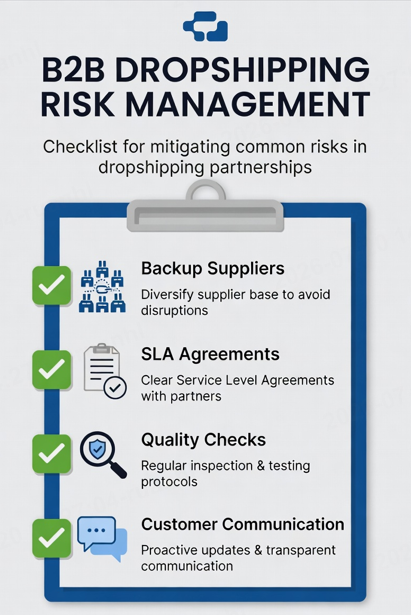
Table of Contents
Why B2B Dropshipping Is My Favorite Path to “Passive” Income
When I first started experimenting with B2B dropshipping, what attracted me most was simple: I wanted recurring, predictable income without tying up cash in inventory or building my own logistics network. Instead of buying pallets of stock and worrying about warehouses, I could list products, collect orders, and let a sourcing partner in China handle the heavy lifting.
In this guide, I’ll walk you through how a B2B-focused dropshipping model can realistically get you to around $10,000 per month in relatively passive income, and how an online sourcing platform like Looperbuy can help you get there faster by reducing inventory risk, logistics complexity, and operational overhead.
What Passive Income Really Means in Dropshipping
Many creators oversell the “set and forget” idea, but in practice, passive income from dropshipping feels more like “front-loaded work, system-driven income later.”
– Passive income: Revenue that keeps coming in after you have set up systems, content, and automation; you manage by exception instead of working every hour for every dollar.
– Active income: Revenue that stops the moment you stop working (classic 9–5, services billing by the hour, etc.).
In my own B2B projects, the pattern is consistent: you invest heavily upfront in niche selection, supplier vetting, store build, and marketing, then gradually shift into a “manager mode” where you review KPIs weekly and make targeted adjustments rather than babysitting every order.
Why B2B Dropshipping Is So Powerful
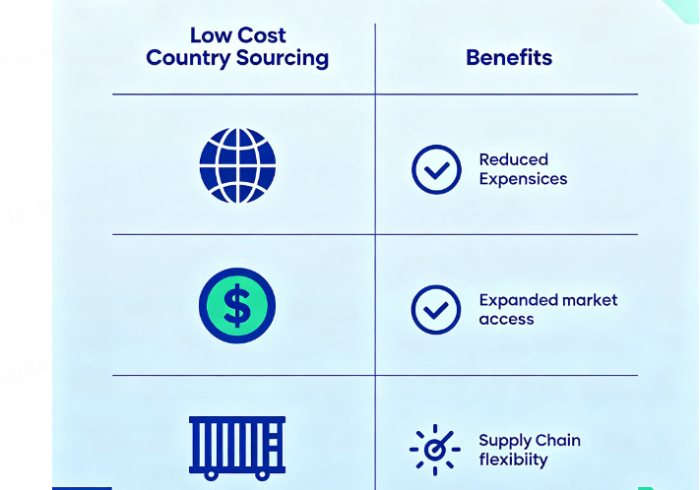
From a B2B seller’s perspective, dropshipping is less about “launching a trendy online store” and more about building a capital‑light, flexible supply chain.
Key advantages B2B sellers consistently highlight include:
– Low upfront investment: No need to pre‑buy large batches of stock or lease extra warehouse space to test new product lines.
– On‑demand assortment expansion: You can offer a wide but shallow catalog (hundreds of SKUs with sporadic orders) without tying up working capital.
– Risk reduction in new markets: When testing a new region or channel, you can use dropshipping to validate demand before building local inventory.
– Lean operations: Logistics, picking, packing, and international shipping are handled by suppliers or your sourcing partner, so your team can stay small.
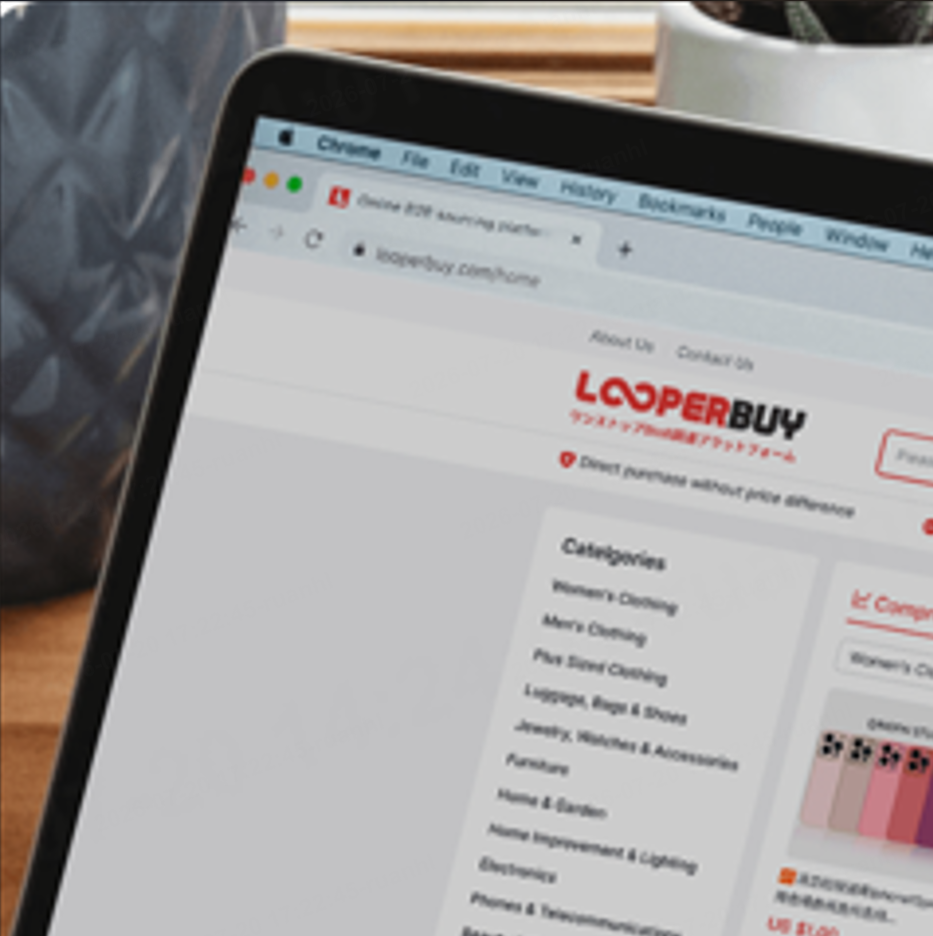
Platforms like Looperbuy add another layer by aggregating vetted Chinese suppliers, standardizing fulfillment, and centralizing payments, which is particularly valuable if you are scaling from a small or mid‑size base.
Core Model: How B2B Dropshipping Works Today
At a high level, the model looks like this:
1. You list products (often sourced from China) on your website, marketplace, or B2B portal.
2. A business customer places an order and pays you.
3. You relay the order to your sourcing partner or supplier.
4. The supplier packs and ships directly to your customer under your brand or a neutral label.
5. You keep the margin between your selling price and the landed cost.
For B2B, this can apply to:
– Industrial components and tools
– Office, packaging, or retail supplies
– Hospitality and restaurant equipment
– Niche consumables (e.g., eco‑friendly packaging, custom promotional items)
Step 1: Choose a Profitable, B2B‑Friendly Niche
Most guides talk about niches from a B2C angle, but B2B niches behave differently: order sizes are larger, buyer needs are more specific, and repeat purchasing matters more than impulse buys.
How I approach niche selection for B2B dropshipping:
1. Identify a recurring use case. Look for products that B2B buyers reorder regularly (e.g., packaging, consumables, spare parts).
2. Check search and marketplace data. Use tools like Google Trends and marketplace category data to confirm consistent demand, not just short‑term spikes.
3. Map competition and value gaps. Browse existing suppliers: where are shipping times long, MOQs too high, or assortments limited? These gaps are your entry points.
4. Validate with real inquiries. For B2B, a handful of serious quotes or RFQs can be more telling than hundreds of casual consumer clicks.
Example niches that often work well in a B2B dropshipping setup:
– Eco‑friendly packaging for D2C brands
– Small industrial tools and accessories
– Hotel, café, and restaurant consumables
– Branded corporate gifts and promotional items
Step 2: Build a Conversion‑Focused Storefront
Once you know what you want to sell, you need a storefront that is fast, trustworthy, and frictionless, whether that is your own site or a marketplace presence.
Picking the Right Platform
For B2B, you might also sell on specialized B2B platforms, but your own branded site still matters for credibility and lead capture.
– Shopify: Great if you want a fast build, strong app ecosystem, and straightforward integration with dropshipping tools.
– WooCommerce: Better if you want maximum control and have access to technical resources.
– Marketplaces (e.g., Amazon, regional B2B sites): Powerful for reach, but you must manage platform rules, fees, and competition.
User Experience Fundamentals That Actually Move the Needle
Across my various projects, the following fundamental elements consistently yield significant returns:
– Clear navigation: Group products logically (by industry, use case, or spec), and keep the main menu shallow and obvious.
– Fast performance: A one‑second delay can significantly reduce conversions, especially on mobile.
– Simple checkout: Minimize form fields, support common B2B payment options (cards, bank transfer, potentially net terms), and show total landed costs where possible.
– Trust indicators: Display certifications, supplier vetting information, trade references, and clear policies around delivery and returns.
Step 3: Partner with Reliable Chinese Suppliers (Through a Sourcing Platform)
Your supplier stack makes or breaks the entire model.When your customers are businesses that rely on you for a stable supply, supplier audits, sample orders, and automation tools are particularly critical.
How I Vet Suppliers in Practice
– Sample orders: I always place test orders to check product quality, packaging, labelling, and real shipping times.
– Service responsiveness: If a supplier responds slowly to pre‑sales questions, it’s unlikely they will move faster when something goes wrong.
– Operational capacity: For B2B, ask about bulk order handling, customization options (branding, packaging), and regular stock availability.
Why Use a Platform Like Looperbuy
Working directly with dozens of factories is possible, but it is complex. A B2B sourcing and dropshipping partner such as Looperbuy can:
– Aggregate vetted Chinese suppliers and standardize quality checks.
– Coordinate warehousing, consolidation, and last‑mile logistics.
– Help you reduce inventory, warehousing, multi‑currency payment, and shipping management costs in one place.
This allows you to focus on market positioning, customer relationships, and product selection, instead of chasing shipping updates across multiple time zones.
Step 4: Automate Operations So the Business Can Run with Minimal Daily Input
Real passive income only appears once your operations are automated enough that you can step back without everything grinding to a halt.
Core Automation Layers to Set Up
– Inventory and order sync: Use your sourcing platform and integrations to push orders automatically to suppliers, sync stock levels, and update tracking.
– Customer communication: Add automated emails and notifications for order confirmation, shipping updates, and delayed shipments.
– Marketing flows: Implement welcome sequences, abandoned cart flows, reorder reminders, and simple retargeting campaigns so repeat business doesn’t rely on manual outreach.
– Reporting dashboards: Tie store data, supplier data, and analytics into a simple weekly dashboard showing revenue, profit, and key conversion metrics.
Once these pieces are in place, you can switch into weekly review mode, focusing on exceptions rather than every transaction.
Step 5: Designing a Realistic Path to $10,000 per Month
Instead of promising overnight success, let’s break down a reasonable scenario for reaching around $10,000/month from a B2B dropshipping operation.
Imagine the following baseline:
– Average order value (AOV): $250 (typical for small B2B orders).
– Net margin after product cost and shipping: 25%.
– Orders per month target: 160.
That would yield roughly:
– Revenue: 160 × $250 = $40,000/month.
– Net profit: $40,000 × 25% = $10,000/month.
Is this easy? No. But I’ve seen similar numbers in well‑run B2B dropshipping operations where the team focused on:
– A clearly defined niche with repeat buyers.
– Consistent marketing and lead nurturing.
– Strong supplier relationships and reliable fulfillment.
Leveraging Looperbuy to Hit Those Numbers Faster
By plugging into a platform like Looperbuy, you can:
– Launch with more SKUs without pre‑buying stock.
– Test multiple micro‑niches or regions faster.
– Keep operating costs lean while you validate which product lines produce the best AOV and margins.
Step 6: Scale Smart with B2B‑Specific Strategies
Scaling B2B dropshipping is not just “add more products and more ads.” The most successful sellers I work with approach scaling as a strategic redesign of their offers, operations, and brand.
Tactics That Consistently Work in B2B
– Volume discounts and bundles: Encourage larger orders by offering structured discounts (e.g., 50 units → 10% off, 100 units → 20% off).
– Private label and branding: As you see winners, progressively move into semi‑exclusive or private label arrangements with factories to build brand equity and margin.
– Hybrid fulfillment: For top customers or strict SLAs, you can hold a small amount of local stock for your best‑selling SKUs while continuing to dropship the long tail.
– Multiple micro‑brands: Instead of one broad catalog, you can build several niche‑specific storefronts (e.g., one for eco packaging, one for industrial tools) and cross‑promote when appropriate.
Risk Management and Quality Control for B2B Dropshipping
One of the biggest gaps in many dropshipping guides is a serious discussion of risk. B2B buyers are less forgiving than consumers; a single failed delivery can jeopardize a long‑term contract.
Key risk management practices I recommend:
– Redundant suppliers for critical SKUs: Keep at least one backup supplier for items that drive significant revenue.
– Service‑level expectations in writing: Agree on target lead times, error tolerances, and packaging standards with your sourcing partner.
– Regular quality checks: Schedule periodic test orders to check whether quality and delivery times remain consistent.
– Transparent customer communication: Provide realistic lead times, tracking, and clear escalation paths; B2B buyers value reliability more than aggressive promises.
Using a structured platform like Looperbuy, which already vets suppliers and consolidates logistics, can significantly reduce these operational risks compared to finding and managing factories one by one.
A Week‑in‑the‑Life of a “Passive” B2B Dropshipping Operator
To make this concrete, here is what a typical week looks like once your systems are in place and you are operating closer to that “passive income” ideal:
– Monday: Review dashboard (revenue, profit, conversion rate, shipping delays), scan customer tickets, and flag any supplier‑related issues to your sourcing partner.
– Tuesday: Approve or test new products suggested by the platform, add 1–2 high‑potential SKUs to your catalog.
– Wednesday: Check ad and email performance, shift budget toward the best‑performing campaigns, pause obvious underperformers.
– Thursday: Review feedback from top B2B customers, note recurring needs or complaints, and turn them into improvements or new product ideas.
– Friday: Quick review call with the sourcing partner (e.g., Looperbuy) to align on upcoming promotions, inventory expectations, and any logistic bottlenecks.
The key is that most of the work is now system oversight, not manual order processing, which is what allows income to keep flowing even if you are not in front of the screen all day.
Action Steps: How to Get Started with Looperbuy Today
If you are serious about building a capital‑light B2B business that can grow toward $10,000/month in semi‑passive income, the practical next steps are straightforward:
1. Define one pilot niche and customer profile (e.g., European D2C brands needing eco‑friendly packaging).
2. Set up or refine your storefront with a clean UX, clear navigation, and transparent policies.
3. Onboard to Looperbuy and shortlist a set of vetted Chinese suppliers and SKUs that match your niche.
4. Launch with a small but focused catalog, test pricing and offers, and invest modestly in traffic through content and paid campaigns.
5. Automate aggressively (orders, inventory sync, notifications, email flows) and gradually add more SKUs and regions as data confirms what works.
Over time, your role shifts from “manual operator” to strategic manager of a lean, global supply chain, which is exactly where dropshipping becomes a true passive‑income asset rather than just another job.
> Ready to build a capital‑light B2B business? Connect your store to Looperbuy today and start selling reliable Chinese products worldwide—without locking cash in inventory or managing your own warehouse.
FAQs About B2B Dropshipping and Passive Income
1. Is B2B dropshipping really suitable for long‑term income?
Yes, when you focus on repeat‑purchase products, reliable suppliers, and automation, B2B dropshipping can support stable, recurring revenue instead of one‑off consumer sales.
2. How is B2B dropshipping different from B2C?
B2B orders are larger, buying cycles are longer, and buyers care more about reliability, documentation, and after‑sales support than impulse‑driven product trends. This changes how you approach product selection, communication, and risk management.
3. Do I need a warehouse if I use Looperbuy?
Not necessarily. Looperbuy lets you list products and fulfill orders directly from vetted Chinese suppliers, so you can operate without owning a warehouse, especially during your early and testing stages. Many sellers only add small local inventory later for top customers or strict SLAs.
4. How much capital should I plan for in the first 3–6 months?
Many real‑world pilots start with a few hundred dollars per month covering platform fees, basic tools, and a modest ad budget, then scale spend as orders and cash flow grow. Your exact number will depend on your channel mix and how aggressively you buy traffic.
5. What are the biggest mistakes new B2B dropshippers make?
Common mistakes include treating B2B like B2C (chasing fads), under‑vetting suppliers, over‑promising delivery times, and neglecting repeat‑order workflows and long‑term relationships. Building a robust system and realistic expectations from day one avoids most of these pitfalls.
References
1. Doba. *The Easy Guide to Earning $10000 a Month in Passive Income with Dropshipping.*[doba]
2. Looperbuy. *From Inventory Risk to On‑Demand Fulfillment: How B2B Sellers Use Dropshipping and Looperbuy to Scale Smarter.*[looperbuy]
3. EComposer. *Building a B2B Dropshipping Empire: Strategies, Challenges …*[ecomposer]
4. Supliful. *How to Scale Your Dropshipping Business.* [supliful]
5. AliDrop. *B2B Dropshipping Guide for Bulk Sourcing Success.*[alidrop]
6. Shopify. *36 Passive Income Ideas to Make Money in 2026.*[shopify]
7. AutoDS. *How Dropshipping Passive Income Works & How To Build It In 2026.*[autods]