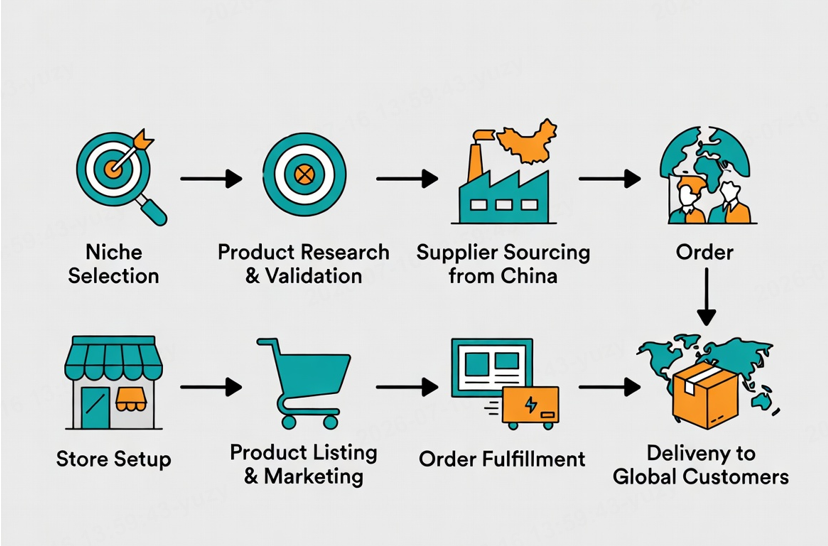
Discover 10 data‑backed dropshipping niches with low competition for 2026, from wearable wellness to eco‑friendly kitchen tools. Learn how to evaluate demand, manage sourcing from China, and build a lean, profitable online store.
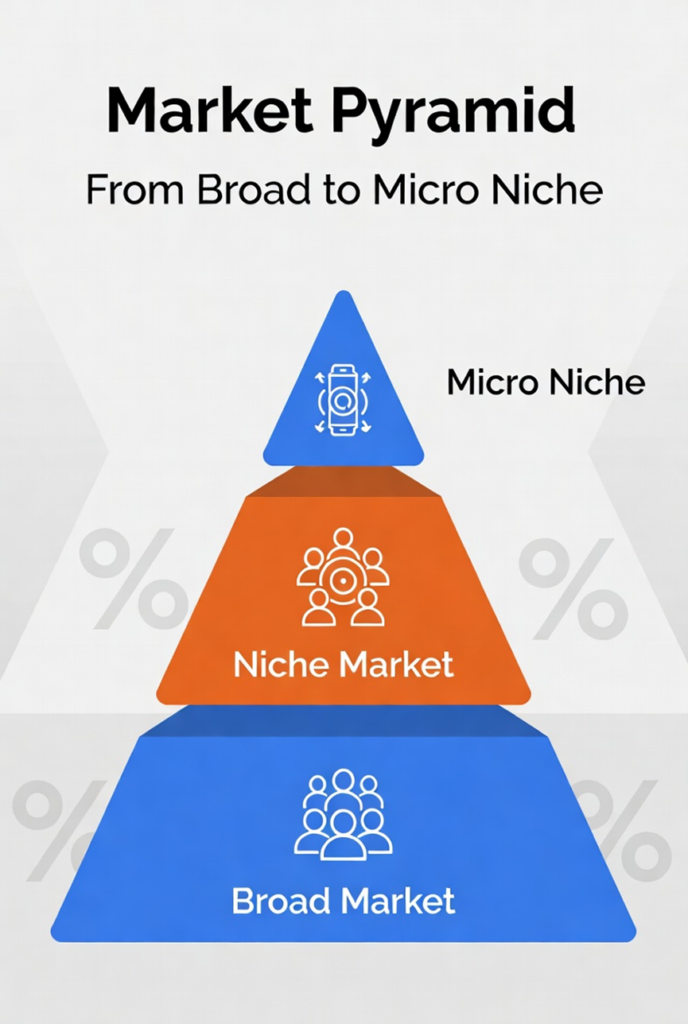
As a consultant who has helped dozens of new stores go from their first order to consistent five‑figure months, I’ve seen one pattern repeat: the winners don’t chase “viral products” — they commit to focused, low‑competition niches with real customer problems.
Table of Contents
Why Low-Competition Niches Still Win in 2026
Low‑competition niches are simply product segments where demand is proven but supply is not yet saturated, especially by big marketplaces and household brands. This gives smaller merchants room to build authority, experiment with offers, and scale without fighting 1,000 identical stores on price alone. [dropified]
From my work with B2B buyers and independent online sellers, the most successful stores share three traits:
– They serve specific audiences (e.g., pet owners in apartments, remote workers with back pain). [dropified]
– They keep logistics simple with light, non‑fragile items that ship easily via Chinese suppliers. [doba]
– They use reliable sourcing partners to avoid stockouts, poor packaging, and slow shipping — which is where platforms like Looperbuy can be a genuine competitive advantage for global sellers. [doba]
What Makes a Dropshipping Niche “Low Competition”
Before we look at specific niches, it’s important to define how to judge competition in a practical way. [youtube]
When I help clients validate a niche, we usually check:
– Search demand vs. difficulty: Keywords with 1,000–10,000 monthly searches and relatively low SEO/ads competition are ideal. [youtube]
– Marketplace saturation: If Amazon, Etsy, and major retailers all carry the exact same products with hundreds of near‑identical listings, that segment is usually overcrowded. [dropship]
– Trend stability: Short spikes (fads) are risky; we prefer categories with steady or gently rising demand over the last 12–24 months. [dropified]
In practice, “low competition” rarely means “no competition”. Instead, it means you can still differentiate through better product selection, branding, shipping, and customer experience. [blog.dropcommerce]
Top 10 Low-Competition Dropshipping Niches for 2026
1. Wearable Wellness and Posture Support Devices
Devices that improve daily comfort without medical claims have grown quickly but are still less saturated than mainstream fitness wearables. [dropified]
Typical products:
– Posture correctors and back braces for desk workers
– Blue‑light blocking glasses
– Sleep masks, snore‑reducing accessories, and gentle wearable sleep aids [doba]
Why this niche works:
– Strong demand from remote workers and office staff. [dropified]
– Most items are light, small, and easy to ship from Chinese warehouses. [doba]
– Room to differentiate with higher‑quality materials and better product education content. [wix]
2. Solar-Powered and Eco Micro-Gadgets
Sustainable products remain one of the strongest macro‑trends in e‑commerce, but smaller solar gadgets and eco tools are less competitive than high‑ticket solar panels. [wix]
Examples:
– Solar garden lights and decorative pathway lights
– Solar power banks, camping lanterns, and outdoor string lights
– Compact solar chargers for phones and small devices [dropified]
Why it’s attractive:
– Buyers often make repeat purchases as they expand or upgrade. [dropified]
– Products are highly visual and lend themselves well to lifestyle images. [wix]
– Many larger retailers focus on big solar products, leaving micro‑gadgets less crowded. [blog.dropcommerce]
3. Home Office Micro-Comfort Accessories
Instead of competing in generic office furniture, sellers can focus on small accessories that solve specific pains for home workers. [doba]
Typical items:
– Wrist rests and ergonomic mouse pads
– Foldable laptop stands and mini standing desk risers
– Webcam covers, cable organizers, and desk‑mounted phone holders [doba]
Advantages:
– Very shipping‑friendly — low weight, small volume, good fit for Chinese suppliers and cross‑border logistics. [dropified]
– High potential for bundles (e.g., “home office starter kit”). [wix]
– Evergreen demand as more companies support hybrid work. [dropified]
4. DIY Home Security and Travel Safety Tools
Many households want extra security without a full alarm system or expensive installation. [blog.dropcommerce]
Products to consider:
– Portable door locks and hotel room door stoppers
– Window alarms, vibration sensors, and mini siren devices
– Dummy security cameras and motion‑sensor lights [doba]
Why competition stays moderate:
– Regulatory and trust concerns keep bigger brands cautious, especially for advanced devices. [blog.dropcommerce]
– Younger renters and travelers look for simple, low‑cost solutions rather than full systems. [blog.dropcommerce]
5. Compact and Space-Saving Fitness Tools
Global fitness demand remains strong, but compact equipment that fits small homes is still comparatively under‑served. [doba]
Relevant products:
– Resistance bands and loop bands
– Under‑desk ellipticals and mini stepper machines
– Foldable yoga mats and travel‑size foam rollers [doba]
Why this niche thrives:
– Fits apartment living and busy professionals. [dropified]
– High shareability on social platforms via short workout clips. [youtube]
– Many items can be easily sourced from Chinese suppliers and shipped worldwide. [dropified]
6. Eco-Friendly Kitchen and Pantry Tools
Eco-friendly kitchenware is a niche market with immense potential, and recent trend data indicates continued growth in this sector. [doba]
Products include:
– Reusable silicone lids and stretch covers
– Compostable cleaning sponges and cloths
– Zero‑waste food storage (glass containers with bamboo lids, beeswax wraps) [doba]
Upside:
– Strong value alignment with environmentally conscious shoppers. [wix]
– Easy upsell opportunities (multi‑packs, kitchen bundle sets). [wix]
– Ideal for storytelling and before‑and‑after content (“plastic vs. zero‑waste”). [spocket]
7. Pet Wellness and Enrichment Products
Pet supplies overall are competitive, but specialized wellness and enrichment items stay relatively less crowded than generic toys or food. [blog.dropcommerce]
Promising products:
– Slow‑feed bowls and puzzle feeders
– Anxiety‑relief items (calming beds, wraps, lick mats)
– Pet travel accessories for cars and flights [letstalkshop]
Why this segment is resilient:
– Owners treat pets as family; they continually invest in comfort and well‑being. [dropified]
– Many products are lightweight and easy to ship globally. [dropified]
– Micro‑niches (e.g., “senior dogs with joint issues”) are far less saturated than generic “dog toys”. [letstalkshop]
8. Senior Comfort and Mobility Aids
One of the most overlooked yet growing segments is products that improve daily life for seniors and caregivers. [letstalkshop]
Product ideas:
– Easy‑grip kitchen tools and jar openers
– Non‑slip bath mats, shower handles, and raised toilet accessories
– Lightweight walking aids and posture assist tools [letstalkshop]
Reasons to consider:
– Global aging populations create long‑term demand. [dropified]
– Many items do not require medical approval when positioned as comfort aids. [dropified]
– Competition remains lower than in mainstream fitness or youth lifestyle categories. [letstalkshop]
9. Hobbyist and Niche Sports Gear
Dropified and other sources note the rise of micro‑niches around dedicated hobbies, where communities are passionate but the product range is still fragmented. [letstalkshop]
Illustrative examples:
– Golf training aids for home practice
– Specialty accessories for niche sports (e.g., disc golf, pickleball, horse riding) [dropified]
– DIY model‑building tools, craft kits, and organizer cases [blog.dropcommerce]
Why this works:
– Customers are willing to pay premium prices for niche gear. [dropified]
– Smaller communities mean fewer direct competitors. [blog.dropcommerce]
– Opportunities for educational content and step‑by‑step guides to drive trust. [youtube]
10. Compact Storage and Organization Solutions
With urbanization and smaller living spaces, smart organization solutions remain a powerful, underexploited niche. [wix]
Specific product lines:
– Foldable storage boxes and under‑bed organizers
– Cable organizers and multi‑device charging stations
– Modular drawer organizers for kitchens, bathrooms, and desks [doba]
Key benefits:
– Many items are collapsible, reducing shipping volume from overseas suppliers. [dropified]
– Appeals to a wide demographic including students, renters, and young families. [wix]
– Great for before‑and‑after visuals and user‑generated content. [spocket]
Practical Framework for Choosing Your Niche
A practical evaluation framework can help you quickly shortlist opportunities and match them with suppliers in China via platforms like Looperbuy. [doba]
Step 1: Define a specific audience
– Example: “Remote workers with neck pain”, “Eco‑conscious young families”, “Apartment‑living pet owners”. [doba]
Step 2: Validate demand
– Use trend tools and marketplace research to confirm steady or rising interest. [youtube]
– Look for consistent sales rather than one‑time viral spikes. [dropified]
Step 3: Check competition
– Search major marketplaces for overlapping products. [dropship]
– Evaluate how many sellers are running ads and how differentiated their offers are. [youtube]
Step 4: Test logistics and margins
– Prioritize products that are light, durable, and easy to ship cross‑border. [doba]
– Estimate landed cost and target a 3x markup between supplier price and retail price for sustainable margins. [dropified]
Step 5: Partner with reliable sourcing and fulfillment
– Use a sourcing platform that can consolidate orders, manage quality inspection, and offer international shipping options so you avoid stock, warehouse, and complex logistics issues. [doba]
How to Use a China-Based Sourcing Partner Effectively
Many global sellers underestimate how much of their profit comes from fulfillment efficiency rather than just the product choice. Working with a partner like Looperbuy (or similar platforms) allows you to: [doba]
– Reduce inventory risk by relying on on‑demand procurement instead of bulk stock. [dropified]
– Consolidate shipments from multiple Chinese suppliers into fewer packages, cutting shipping and handling costs. [doba]
– Access payment and logistics infrastructure that individual small merchants often lack, especially when shipping to multiple regions. [doba]
From my perspective, the best strategy is to:
– Validate your niche with small volumes and multiple product variants.
– Double down on the 20% of products that bring 80% of your orders.
– Then work with your sourcing partner to secure more stable supply, better packaging, and improved shipping routes. [doba]
Which Niche Fits You?
| Niche | Typical Order Value | Logistics Complexity | Content Opportunity | Competition Level | Main Buyer Persona |
| Wearable wellness devices | Medium | Low | Tutorials, posture tips, before/after | Moderate | Remote workers, students |
| Solar micro-gadgets | Medium | Low–Medium | Outdoor lifestyle, camping, eco stories | Moderate | Eco‑conscious homeowners, campers |
| Home office accessories | Low–Medium | Low | Productivity hacks, desk setups | Low–Moderate | Hybrid and remote workers |
| Pet wellness products | Medium | Low | Pet care tips, user stories | Moderate | Pet parents, young families |
| Senior comfort aids | Medium | Medium | Safety guides, caregiver education | Low–Moderate | Seniors, caregivers, adult children |
> Ready to move from ideas to orders?
> Choose one niche from this list, shortlist 3–5 products that solve a real problem, and connect them to a trusted sourcing partner that can handle procurement, quality checks, and international shipping from China. With the right niche and a reliable fulfillment backbone, you can build a lean, global‑ready store without locking your capital in stock or warehouses.
Frequently Asked Questions
1. How much budget do I need to start in one of these niches?
You can start lean by testing products with small order quantities through a sourcing partner, focusing budget on marketing rather than stock and warehouse space. [doba]
2. Are low-competition niches still profitable if they’re small?
Yes, because smaller niches often support higher margins and stronger brand loyalty, especially when you solve a specific problem better than generic competitors. [blog.dropcommerce]
3. How do I avoid fake or low-quality suppliers in China?
Use curated platforms that vet suppliers, offer rating systems, and provide consolidated fulfillment, and always test sample orders before committing to larger volumes. [dropified]
4. How long does shipping usually take from China?
For most lightweight products shipped via standard cross‑border routes, delivery times typically range from about 7 to 20 days depending on the destination and shipping method. [dropified]
5. Can I combine multiple niches in one store?
It’s possible, but for new stores I recommend focusing on one core audience first, then expanding into adjacent niches once you have consistent orders and customer feedback. [blog.dropcommerce]
References
1. Doba – “Top 10 Best Dropshipping Niches With Low Competition in 2024” [doba]
2. Doba – “How to Find Low Competition Niches” [doba]
3. Wix – “10 Most Profitable Dropshipping Niches (and 5 to Avoid)” [wix]
4. Dropified – “14 Most Profitable Dropshipping Niches for 2026″[dropified]
5. Dropcommerce – “Profitable Dropshipping Niches With Low Competition (2025)”[blog.dropcommerce]
6. Let’s Talk Shop – “Best Shopify Dropshipping Niches with Low Competition (2026)”[letstalkshop]
7. College Dropout Millionaire (YouTube) – “How Can Dropshippers Find Niches With Low Competition?”[youtube]
8. DSers – “High Demand Products with Low Competition in Dropshipping”[dsers]
9. Spocket – “Unique Dropshipping Products with Low Competition”[spocket]
10. Dropship.io – “High Demand Products with Low Competition”[dropship]