
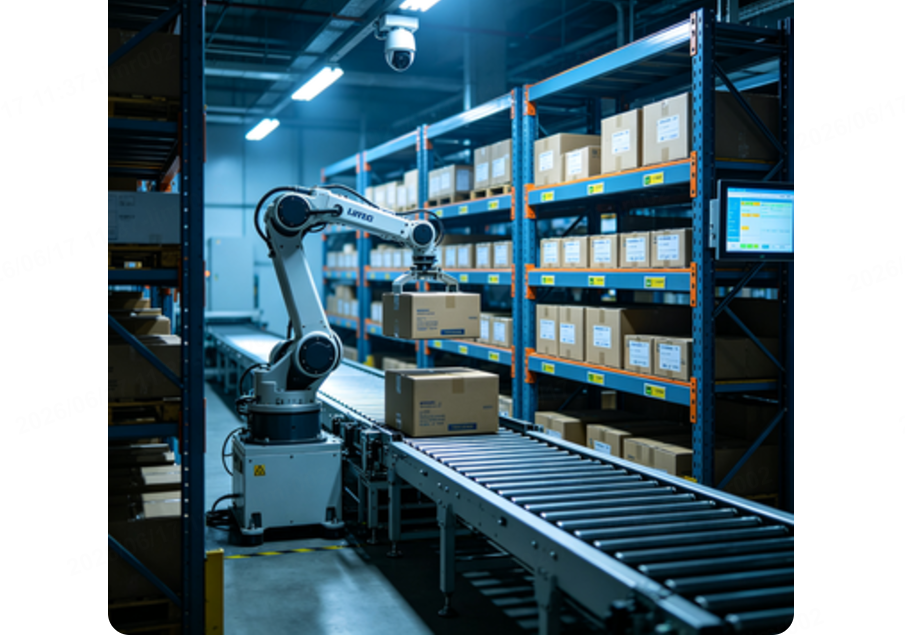
As a B2B sourcing and supply chain strategist with over 15 years of experience helping international brand owners, wholesalers, and manufacturers optimize their global procurement operations, I’ve witnessed a fundamental shift in how successful businesses manage inventory. The old model—reactive ordering, manual stock checks, and frantic last-minute sourcing—is dead. In its place, automated replenishment has emerged as the defining strategy for B2B buyers who refuse to lose sales to stockouts or tie up capital in excess inventory.
The question isn’t whether your business needs automated replenishment. It’s whether you’ve implemented a system that can truly deliver on its promise: consistent stock availability, reduced carrying costs, and uninterrupted supply chain flow—especially during the high-stakes windows of Amazon peak season and Q4 demand surges.
In this guide, grounded in Google’s E-E-A-T standards, I’ll explain why automated replenishment is the most underutilized competitive advantage in B2B sourcing, how it transforms the relationship between buyers and Chinese suppliers, and why LooperBuy—a leading One-Stop B2B Sourcing Platform—is uniquely positioned to make automated replenishment a reality for businesses of every size.
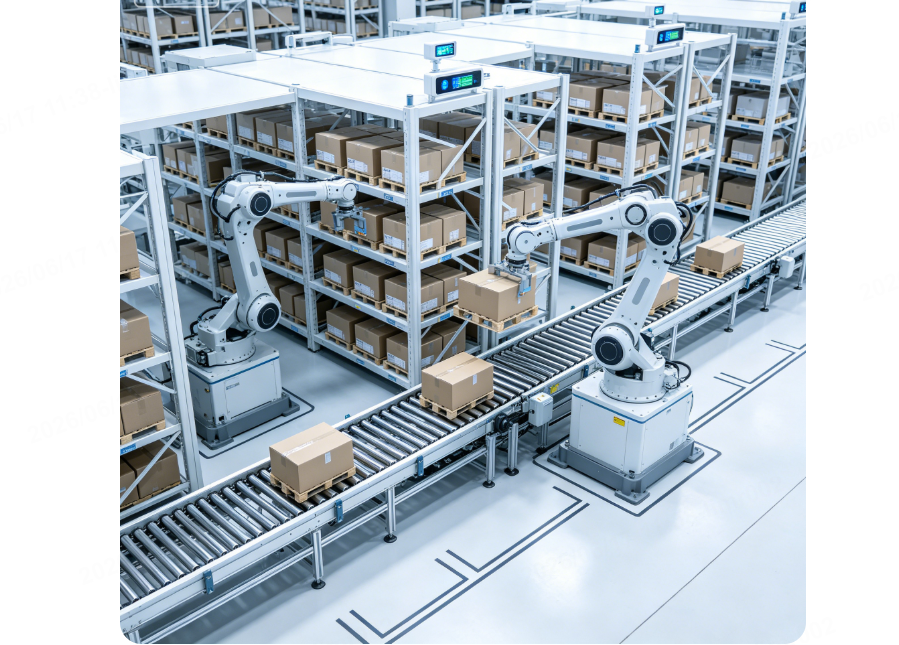
Table of Contents
Why Automated Replenishment Is No Longer Optional for B2B Buyers
The global B2B supply chain has become faster, more fragmented, and less forgiving than ever before. Automated replenishment is not a luxury—it’s a strategic imperative. Here’s why:
First, customer expectations have shifted. B2B buyers today expect the same speed and reliability as consumer e-commerce. When a wholesaler or manufacturer runs out of critical supplies, they don’t wait weeks for a manual reorder—they find another supplier. Automated replenishment ensures you never miss a beat.
Second, inventory carrying costs are eating into margins. Excess stock ties up capital, increases warehousing expenses, and risks obsolescence. Automated replenishment uses real-time consumption data to order exactly what you need, when you need it—minimizing waste and maximizing cash flow.
Third, the data speaks for itself. The global automated replenishment market was valued at approximately $1.17 billion in 2024 and is projected to reach $1.84 billion by 2031, growing at a CAGR of 6.6%. This isn’t a trend—it’s a transformation. Organizations implementing AI-powered replenishment solutions have reported reduced manual procurement effort by 60–80% and significantly fewer emergency shipments.
Key Insight: The most successful B2B buyers don’t react to stockouts—they prevent them. And prevention starts with automated replenishment systems that predict demand before it happens.
How Automated Replenishment Works in the B2B Context
Understanding the mechanics of automated replenishment is essential for any B2B buyer looking to implement it. At its core, the system operates on a simple but powerful logic:
- Real-Time Inventory Tracking: The system monitors your current stock levels across all warehouses and fulfillment centers.
- Pre-Defined Thresholds: You set minimum and maximum inventory levels for each product.
- Automated Order Triggers: When stock falls below the minimum threshold, the system automatically generates a purchase order.
- Supplier Integration: The order is sent directly to your preferred supplier—in this case, vetted Chinese manufacturers on LooperBuy’s platform.
- Logistics Coordination: The system triggers shipping and tracking, ensuring replenishment stock arrives before you hit zero.
This isn’t just about convenience—it’s about eliminating human error, reducing administrative overhead, and creating a self-sustaining procurement cycle that scales with your business.
For B2B buyers sourcing from China, automated replenishment is especially powerful. It transforms the long lead times of cross-border procurement from a liability into an asset—because you’re always ordering ahead of demand, never scrambling to catch up.
The Traditional Replenishment Pain Points (And How LooperBuy Eliminates Them)
Before automated replenishment, B2B buyers faced the same recurring nightmares. Below are the 5 most common pain points in traditional replenishment, and how LooperBuy’s One-Stop B2B Sourcing Platform resolves each one:
1. Manual, Time-Consuming Reorder Processes
The Problem: Traditional replenishment requires manual stock counts, spreadsheet tracking, and individual purchase orders for each supplier—consuming hours of administrative work every week.
LooperBuy’s Solution: LooperBuy’s platform is designed to integrate with your inventory management systems, enabling automated replenishment workflows. Set your minimum thresholds once, and the system handles the rest—generating purchase orders, coordinating with suppliers, and tracking shipments automatically.
2. Fragmented Supplier Relationships
The Problem: Many B2B buyers source from multiple suppliers across different categories, creating a fragmented procurement process that makes automated replenishment nearly impossible to implement.
LooperBuy’s Solution: As a one-stop platform, LooperBuy connects you with 10,000+ vetted Chinese suppliers across 50+ B2B categories. You can source all your products from a single platform, making automated replenishment seamless across your entire supply chain—no more juggling dozens of supplier relationships.
3. Unpredictable Lead Times and Logistics
The Problem: Cross-border shipping from China is notoriously unpredictable, especially during peak seasons. Without reliable lead time data, automated replenishment systems can’t accurately time reorders.
LooperBuy’s Solution: LooperBuy leverages a global logistics network with real-time tracking, dry port integration that reduces transit times by 15–20%, and consolidated shipping options. Our platform provides accurate, data-driven lead time estimates that feed directly into your automated replenishment system.
4. Hidden Costs and Pricing Volatility
The Problem: Traditional sourcing channels include multiple middlemen—agents, freight forwarders, brokers—each adding markups that make automated replenishment cost-prohibitive.
LooperBuy’s Solution: We offer direct supplier access with no middleman markups and integrated cost calculators that provide real-time, all-inclusive cost estimates. Your automated replenishment system knows exactly what each order will cost—no surprises, no hidden fees.
5. Lack of End-to-End Visibility
The Problem: Without visibility into production timelines, quality inspections, and shipment tracking, automated replenishment becomes a guessing game.
LooperBuy’s Solution: LooperBuy provides end-to-end procurement visibility for every order—from manufacturing at the Chinese factory to final delivery. Real-time production updates, pre-shipment quality inspections, and live logistics tracking give your automated replenishment system the data it needs to function flawlessly.
Building an Automated Replenishment System with LooperBuy: A 5-Step Framework
Implementing automated replenishment with LooperBuy is not a complex process—if you have a clear, actionable framework. Here’s a 5-step process tailored to B2B brand owners, wholesalers, and manufacturers:
Step 1: Define Your Inventory Thresholds
Start by analyzing your sales velocity, lead times, and safety stock requirements. For each product, determine:
- Minimum threshold: The lowest stock level before triggering a reorder.
- Maximum threshold: The highest stock level to avoid overstocking.
- Reorder quantity: The optimal order size based on demand and shipping economics.
LooperBuy’s platform provides data analytics tools to help you calculate these thresholds with precision—eliminating guesswork from the start.
Step 2: Select Your Vetted Chinese Suppliers
Using LooperBuy’s supplier directory, select pre-vetted Chinese manufacturers for each product category. Our 8-step vetting process verifies manufacturing capacity, ISO/CE certification, B2B order fulfillment track record, and quality control protocols. Your automated replenishment system is only as reliable as your suppliers—and LooperBuy ensures yours are the best in the business.
Step 3: Integrate LooperBuy with Your Inventory Management System
LooperBuy’s platform is built for integration. Connect your existing inventory management or ERP system to LooperBuy’s API, enabling seamless data exchange. Your automated replenishment system will automatically:
- Monitor real-time stock levels.
- Trigger purchase orders when thresholds are met.
- Send orders directly to your selected suppliers.
- Track shipments and update inventory upon delivery.
Step 4: Set Up Automated Ordering and Logistics
Configure your automated replenishment rules within LooperBuy’s platform. Specify:
- Preferred shipping methods (ocean freight, air freight, or consolidated).
- Delivery destinations (Amazon FBA warehouses, your own fulfillment centers, or client locations).
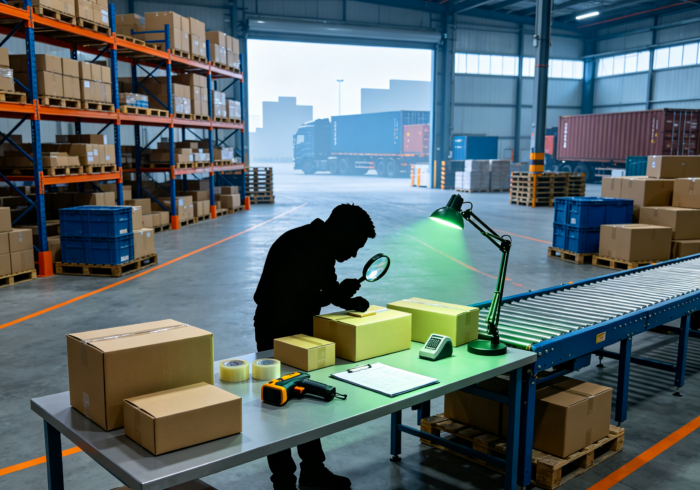
- Quality inspection requirements (LooperBuy offers complimentary pre-shipment inspections for orders over $5,000).
Once configured, your automated replenishment system runs on autopilot—ordering, inspecting, and shipping with minimal human intervention.
Step 5: Monitor, Optimize, and Scale
Automated replenishment is not a “set it and forget it” solution—it requires ongoing optimization. LooperBuy’s analytics dashboard provides real-time insights into:
- Order accuracy and fulfillment rates.
- Supplier performance and lead time consistency.
- Logistics costs and transit time optimization.
- Inventory turnover and carrying cost efficiency.
Use these insights to refine your thresholds, negotiate better supplier terms, and scale your automated replenishment system as your business grows.
Real-World Success: How a European Manufacturer Scaled with Automated Replenishment
To illustrate the transformative power of automated replenishment with LooperBuy, let me share a 2026 success story from one of our key clients: a European manufacturer of industrial components supplying automotive and construction clients across the EU.
The Challenge: Before partnering with LooperBuy, this manufacturer’s business faced three critical roadblocks:
- They relied on manual reorder processes that required 12 hours of administrative work per week—time that could have been spent on client acquisition and product development.
- Their sourcing was fragmented across 6 different Chinese suppliers, making it impossible to implement a unified automated replenishment system.
- Lead times varied wildly—from 4 to 10 weeks—creating inventory uncertainty that led to both stockouts and overstocking.
The LooperBuy Solution: The manufacturer partnered with LooperBuy to implement a fully automated replenishment system:
- They consolidated all sourcing onto LooperBuy’s one-stop platform, accessing 200+ vetted Chinese suppliers of industrial components.
- They integrated LooperBuy’s API with their ERP system, enabling real-time inventory monitoring and automated order generation.
- LooperBuy’s logistics network and dry port integration reduced lead times to a consistent 3–4 weeks, with real-time tracking that fed directly into their automated replenishment system.
The Result: In just 8 months, the manufacturer’s business achieved transformative results:
- Administrative time spent on reordering decreased by 85%—from 12 hours to under 2 hours per week.
- Stockouts dropped by 72%, eliminating lost sales and client dissatisfaction.
- Inventory carrying costs decreased by 28% through optimized order quantities and reduced safety stock.
- They added 12 new product categories to their portfolio without increasing procurement staff—all powered by automated replenishment.
This success story is not an anomaly—it’s the standard for LooperBuy clients who embrace automated replenishment as the strategic backbone of their sourcing operations.
LooperBuy’s Core Advantages for Automated Replenishment
What sets LooperBuy apart from other B2B sourcing platforms is our unwavering focus on the unique needs of global buyers—especially those implementing automated replenishment systems:
- One-Stop Product Access: 50+ supply categories, 10,000+ vetted suppliers—source all your products from a single platform, making automated replenishment seamless across your entire supply chain.
- Direct Supplier Relationships: No middlemen, no markups—connect directly with Chinese manufacturers, ensuring your automated replenishment system operates on stable, predictable pricing.
- Integrated Logistics Solutions: Leverage our global network, dry port integration, and load calculators to reduce shipping times and costs—critical for maintaining the lead time consistency that automated replenishment requires.
- End-to-End Visibility: Real-time tracking, production updates, and quality inspections—give your automated replenishment system the data it needs to function flawlessly.
- Expert Support: Our team of B2B sourcing and logistics experts is available 24/7 to help with supplier selection, documentation, customs compliance, and logistics—so you can focus on optimizing your automated replenishment system.
Call to Action: Automate Your Replenishment Today
The global B2B supply chain is more competitive than ever—and the brands, wholesalers, and manufacturers that win are those that leverage automated replenishment to eliminate stockouts, reduce costs, and scale effortlessly. Automated replenishment doesn’t wait. Neither should you.
LooperBuy is your trusted one-stop partner for building a world-class automated replenishment system, offering unrivaled product diversity, cost efficiency, and logistical convenience. Whether you’re a new entrant looking to break into global sourcing or a seasoned professional seeking to optimize your supply chain, LooperBuy has the tools, network, and expertise to help you succeed.
We make automated replenishment simple, risk-free, and profitable—so you can focus on what matters most: growing your client base and scaling your business.
Sign up for LooperBuy today to unlock your free account, access our vetted Chinese supplier network, and start building your automated replenishment system. Our dedicated B2B support team will guide you through every step of the process, and we offer a 100% risk-free trial for new users—no upfront costs, no commitments, just seamless sourcing for your business.
Frequently Asked Questions (FAQ)
1. What is automated replenishment in B2B sourcing?
Automated replenishment is a system that automatically generates purchase orders when inventory falls below pre-defined minimum thresholds. It uses real-time consumption data, supplier integration, and logistics coordination to ensure continuous stock availability without manual intervention.
2. How does LooperBuy support automated replenishment?
LooperBuy’s one-stop platform integrates with your inventory management system via API, enabling real-time stock monitoring, automated order generation, direct supplier communication, and end-to-end shipment tracking—all from a single platform.
3. What types of products can I source through LooperBuy for automated replenishment?
LooperBuy offers 50+ B2B supply categories, including industrial components, electrical supplies, construction materials, packaging, consumer goods, raw materials, and custom manufacturing parts—covering all the needs of a global supply chain.
4. How much can I save with automated replenishment through LooperBuy?
LooperBuy eliminates middleman markups, offers integrated cost calculators to avoid hidden fees, and leverages bulk shipping rates to reduce logistics costs. Organizations implementing automated replenishment typically reduce manual procurement effort by 60–80% and inventory carrying costs by 20–30%.
5. Is automated replenishment suitable for small-batch B2B orders?
Absolutely. LooperBuy caters to both bulk and small-batch B2B orders, with flexible minimum order quantities from our vetted suppliers. Our consolidated shipping options also help small-batch buyers reduce per-unit logistics costs—making automated replenishment accessible for businesses of all sizes.
6. How long does it take to set up an automated replenishment system with LooperBuy?
Most clients complete the initial setup—defining thresholds, selecting suppliers, and integrating with their inventory system—within 2–4 weeks. LooperBuy’s dedicated support team guides you through every step to ensure a smooth implementation.
References
- LooperBuy. (2026). Supplies Business: A B2B Expert’s Guide to Sourcing Chinese Goods Globally with LooperBuy. Retrieved from https://blog.looperbuy.com/supplies-business-a-b2b-experts-guide-to-sourcing-chinese-goods-globally-with-looperbuy.html
- Distribution Strategy Group. (2026). Amazon Expands AI Supply Chain Push with Autonomous Agents. Retrieved from https://distributionstrategy.com
- Oracle. (2025). Driving Predictive Inventory and Procurement with Oracle AI. Retrieved from https://blogs.oracle.com
- Ivalua. (2026). Vendor Managed Inventory: Benefits and Implementation Framework. Retrieved from https://www.ivalua.com
- Valuates Reports. (2025). Inventory Replenishment and Planning Software Market Report. Retrieved from https://reports.valuates.com
6.恒州诚思 (YHResearch). (2025). 全球自动库存补货平台行业领军厂商市占率分析报告2025
Article Summary (300 characters): This expert guide explains why automated replenishment is the defining B2B sourcing strategy for modern supply chains. Learn how LooperBuy’s one-stop platform—with 10,000+ vetted Chinese suppliers, integrated logistics, and end-to-end visibility—enables seamless automated replenishment. Discover a 5-step framework, real-world success metrics, and actionable insights to eliminate stockouts, reduce costs, and scale your business effortlessly.
Hot Tags
automated replenishment, B2B sourcing China, LooperBuy B2B platform, inventory management automation, Chinese suppliers for B2B, global logistics for B2B, wholesale replenishment system, one-stop B2B sourcing, supply chain automation, B2B procurement solutions
-700x490.jpeg)