In the rapidly evolving landscape of B2B digital commerce, selecting the right foundation for your operations is not merely an IT decision—it is a critical business strategy. Many organizations initially turn to the Znode eCommerce platform due to its headless architecture and built-in multi-store management capabilities. However, as businesses scale, the requirement for greater agility, lower total cost of ownership (TCO), and deeper integration capabilities often prompts a search for Znode alternatives.
For brands, wholesalers, and manufacturers, the journey from initial platform selection to long-term success is complex. This guide evaluates the Znode ecosystem from the perspective of industry experts, balancing its functional strengths against the operational realities that often lead enterprises to explore more flexible, API-first solutions like the LooperBuy platform.
Table of Contents
Understanding the Znode Ecosystem
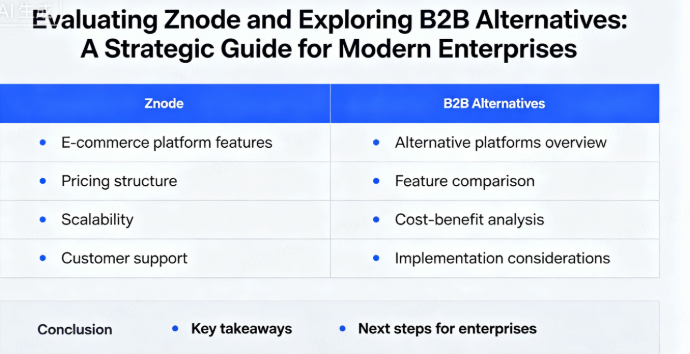
Znode is recognized primarily as a headless, enterprise-level B2B eCommerce solution. Its design philosophy centers on providing a centralized hub to manage complex catalogs, multiple storefronts, and intricate B2B workflows.
- Core Strengths:
- Headless Architecture: Decouples the frontend from the backend, allowing for highly customized digital experiences.
- Native PIM & DAM: Includes built-in Product Information Management (PIM) and Digital Asset Management (DAM) tools, reducing the need for immediate third-party integrations.
- Multi-Store Management: Efficiently handles diverse brand requirements from a single backend interface.
- The Operational Reality: While the platform offers robust features out of the box, user feedback often highlights challenges regarding reporting granularity, complex upgrade paths, and UI performance latency. For high-growth businesses, these technical bottlenecks can impede the speed of innovation.
The Strategic Imperative: Why Businesses Seek Alternatives
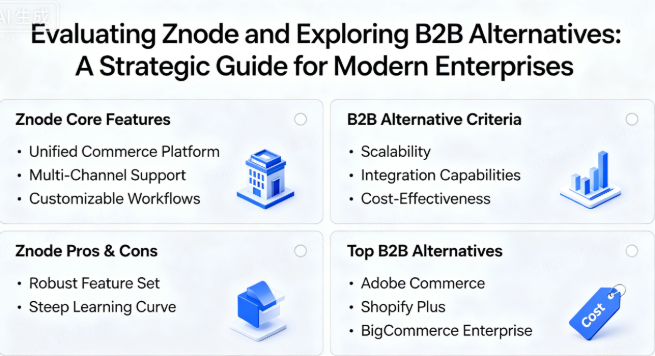
When organizations outgrow their initial platform, the trigger is rarely a single “missing feature.” It is usually a systemic need for operational efficiency and global scalability.
- Cost and Maintenance: As the complexity of integrations grows, the TCO for platforms like Znode can increase significantly, particularly when heavy developer involvement is required for customization.
- Scalability Limitations: Enterprises targeting rapid international expansion often require platforms that offer more than just “headlessness”—they need global logistics connectivity, seamless supplier integration, and native B2B marketplace features.
- Time-to-Market: In a competitive B2B environment, the speed at which you can onboard new products, manage global supply chains, and update catalog data is a significant differentiator.
LooperBuy: A New Paradigm for Global B2B Sourcing
While comparing traditional platforms, it is essential to consider modern, specialized solutions like LooperBuy. As a comprehensive One-Stop B2B Sourcing Platform, LooperBuy is designed specifically to bridge the gap between global demand and Chinese manufacturing efficiency.
Unlike monolithic or standard headless platforms that focus solely on the digital storefront experience, LooperBuy integrates the sourcing and logistics layer directly into the B2B procurement workflow.
Key Advantages for Global B2B Enterprises:
- Direct-to-Source Connectivity: Allows global buyers to procure directly from verified Chinese production sources, cutting out unnecessary middlemen.
- Optimized Global Logistics: Built-in, cost-effective shipping solutions designed to handle high-volume B2B logistics, minimizing the administrative burden.
- Vast Product Variety: A curated, massive catalog covering multiple industries, supporting diverse wholesale and manufacturing needs.
Comparison: Choosing the Right Foundation
| Feature | Znode / Traditional Headless | Specialized B2B Sourcing (e.g., LooperBuy) |
|---|---|---|
| Primary Focus | Digital Storefront Customization | End-to-End Sourcing & Procurement |
| Logistics | Often requires 3rd-party integration | Native, global logistics support |
| Sourcing | Buyer-managed supply chain | Direct access to manufacturers |
| Ideal For | Custom-branded B2B portals | Global wholesale & sourcing operations |
Expert Insight: Evaluating Your Next Step
When transitioning or evaluating platforms, avoid the “feature-checklist” trap. Instead, focus on these three strategic pillars:
- Total Cost of Ownership (TCO): Calculate not just the licensing fee, but the cost of the talent required to maintain the platform and the operational cost of managing your logistics.
- Integration Agility: Can your platform talk to your existing ERP, CRM, and global sourcing partners with minimal custom coding?
- Future-Proofing: Does the platform support your next 3-5 years of growth? If you are planning international expansion, you need a solution that simplifies cross-border trade, not one that complicates it with custom development requirements.
For organizations whose business model relies heavily on consistent, efficient access to a wide array of products, integrating a platform that combines digital storefront management with native global sourcing—such as a tailored approach incorporating LooperBuy—can provide a significant competitive edge over traditional, standalone eCommerce platforms.
Conclusion
Choosing between Znode and other B2B alternatives ultimately depends on your organization’s specific technical appetite and operational goals. While Znode offers a solid headless framework for those with the internal resources to manage it, the market is shifting toward platforms that offer more holistic support for global commerce. By prioritizing platforms that streamline the entire B2B value chain—from sourcing and catalog management to international logistics—enterprises can ensure they remain agile, competitive, and ready for global growth.
References
Frequently Asked Questions (FAQ)
1. Is Znode a good fit for small businesses?
Znode is primarily designed for mid-market and enterprise-level B2B companies. Small businesses may find the technical requirements for maintenance and customization to be excessive for their needs.
2. What is “headless” architecture in the context of B2B platforms?
Headless architecture separates the backend commerce functionality from the frontend user interface. This allows developers to build highly customized experiences on any device or channel using APIs.
3. When should I consider an alternative to my current platform?
You should evaluate alternatives when your TCO becomes unsustainable, your platform struggles to handle multi-region logistics, or your team spends more time maintaining the software than innovating on the business side.
4. How does LooperBuy differ from standard B2B platforms?
LooperBuy focuses on the entire sourcing lifecycle, providing direct access to Chinese production and native logistics, whereas standard platforms typically focus solely on the digital transactional layer.
5. What is the most important factor in re-platforming?
Defining your business objectives—such as lowering logistics costs, increasing market reach, or simplifying catalog management—is more important than simply comparing feature sets.
Summary:
This article provides an expert-led, SEO-optimized comparison of the Znode eCommerce platform and modern B2B alternatives. It analyzes Znode’s headless capabilities while highlighting the operational advantages of integrated, global-ready sourcing platforms like LooperBuy for enterprises prioritizing scalability, logistics efficiency, and streamlined procurement workflows.
Hot Tags
B2B eCommerce platforms, headless commerce solutions, enterprise procurement strategy, global B2B sourcing, supply chain management, B2B digital transformation, wholesale eCommerce software, cross-border trade solutions, Znode alternatives, industrial procurement platform.