In the evolving landscape of digital commerce and traditional retail, entrepreneurs constantly seek methods to minimize risk while maximizing market reach. Two prominent business models—consignment and drop shipping—frequently surface as primary candidates for those looking to operate without the burden of heavy upfront inventory investments. While both allow businesses to sell products they do not physically manufacture, their operational mechanics, risk profiles, and scalability differ significantly. Choosing the right path requires a deep understanding of how these systems function, their impact on profit margins, and their respective roles in a business growth strategy.
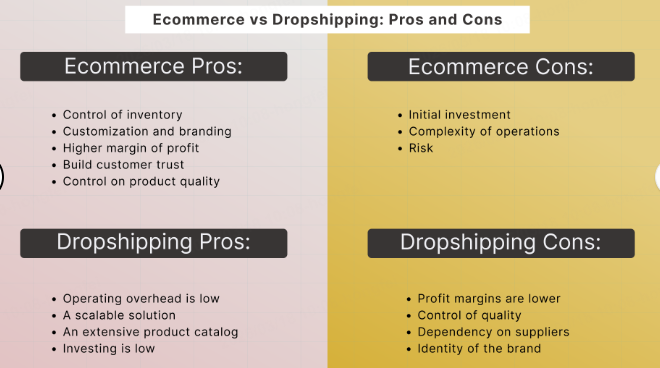
Table of Contents
Understanding the Fundamental Business Models
To make an informed decision between these two strategies, one must first clearly define what each entails. Both models fundamentally shift the burden of inventory ownership, but they do so through entirely different supply chain mechanisms.
What is the Consignment Model?
Consignment is a business arrangement where a retailer (the consignee) agrees to sell goods on behalf of a supplier or individual (the consignor). Crucially, the retailer does not pay for the items upfront. Instead, the supplier retains ownership of the inventory until it is sold to the end customer. Once a sale occurs, the retailer pays the supplier their agreed-upon share of the proceeds, effectively keeping a commission. This model is common in brick-and-mortar boutique environments, art galleries, and increasingly, specialized online marketplaces where high-value or unique items are sold. It is a relationship-heavy model that relies on trust between the retailer and the supplier.
The Mechanism of Drop Shipping
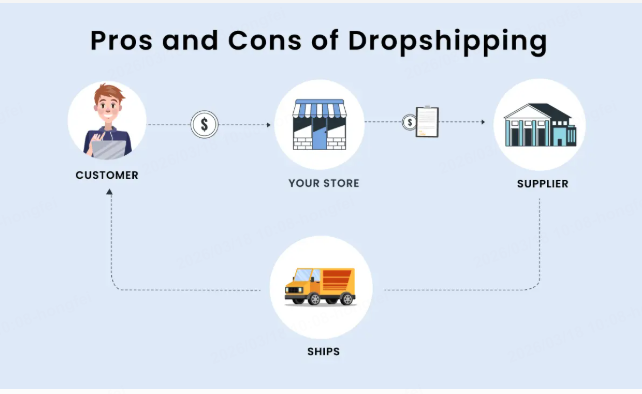
Drop shipping is a specific retail fulfillment method where a store does not hold the products it sells in stock. Instead, when a store sells a product using the drop shipping model, it purchases the item from a third party—usually a wholesaler or manufacturer—who then ships it directly to the customer. The store owner never touches the product. The profit is the difference between the retail price charged to the customer and the wholesale cost paid to the supplier. This model has become the backbone of many high-volume, low-margin e-commerce stores because it allows for rapid testing of a wide range of products without the complexities of warehousing, picking, and packing logistics.
Key Operational Differences and Strategic Impacts
While both models aim to reduce overhead, they affect your daily operations, cash flow, and brand building in distinct ways. Understanding these nuances is essential for long-term viability.
Logistics and Supply Chain Control
In a consignment model, the physical product is usually held at your location. This means you have direct control over the quality check, packaging, and the customer experience, which can be a significant advantage in building brand loyalty. Because you inspect the item before it leaves your shop, you can mitigate the risk of shipping damaged goods. You are responsible for displaying the items and facilitating the transaction, which allows for a more personalized touch in the customer service process.
Conversely, in drop shipping, you relinquish nearly all control over the supply chain. The manufacturer or wholesaler handles warehousing, packaging, and shipping. While this removes logistical headaches, it also means you cannot personally verify the quality of every item sent to your customer. If the supplier makes a mistake, your brand—not theirs—often suffers the consequences in the form of negative reviews and return requests. To mitigate this, successful drop shippers must spend significant time vetting suppliers and monitoring their fulfillment performance closely.
Capital Investment and Financial Risk
Both models are lauded for requiring lower initial capital than traditional wholesale retail. However, they manage financial risk differently. Consignment requires you to dedicate physical space to the inventory, which represents an opportunity cost. If the items do not sell, you have wasted that space and time, and the supplier may eventually request the return of the unsold goods.
Drop shipping, however, offers a “virtual” inventory. Your financial risk is primarily concentrated in marketing and customer acquisition costs rather than inventory holding costs. However, drop shipping often requires higher spending on advertising to achieve volume, as margins per unit are typically thinner than in consignment, where you might have more control over the final pricing strategy and unique product curation.
Analyzing Pros and Cons for Your Business
When deciding which model fits your business goals, consider the following trade-offs regarding scalability, market positioning, and operational complexity.
The Benefits and Limitations of Consignment
Consignment is excellent for businesses that want to focus on high-quality, curated, or local goods. It allows for a more personal connection with suppliers and customers. You can build a reputation as a tastemaker, choosing specific pieces that fit your store’s aesthetic. The primary limitation is scalability; managing physical inventory and negotiating individual consignment agreements is time-consuming and difficult to automate on a large scale. Furthermore, the reliance on local inventory limits your geographic reach compared to the borderless nature of a typical drop shipping e-commerce store.
The Scalability of Drop Shipping
Drop shipping is theoretically limitless in its scalability. Because you are not constrained by physical space or the need to receive goods before selling them, you can add or remove hundreds of products from your website instantly. You can pivot your entire catalog in a weekend if a new trend emerges. The drawback is the intense competition; since the barrier to entry is so low, you are likely competing with dozens of other stores selling the exact same items. This often leads to price wars that erode profit margins, forcing you to compete on marketing efficiency rather than product differentiation.
Strategic Frameworks for Long-Term Growth
Beyond the day-to-day operations, you must consider which model aligns with your long-term exit strategy and brand vision.
Building Asset Value
Consignment allows you to build a unique inventory asset, even if you don’t own the products. Your store becomes a destination for specific items. This brand equity is defensible. In contrast, a pure drop shipping model is harder to sell as a business asset because the brand is often thin—built on marketing spend rather than exclusive access to goods. To build a valuable brand using drop shipping, one must eventually transition to private labeling or exclusive partnerships to differentiate their offerings.
Managing Seasonal and Market Fluctuations
Consignment can be risky during economic downturns because you may be stuck with inventory that isn’t moving, taking up precious space. However, because you didn’t pay for it upfront, you aren’t out-of-pocket for the purchase cost. Drop shipping is highly responsive. If demand drops, you simply stop advertising the product. There is no “inventory cleanup” required, making it an incredibly agile model for reacting to volatile consumer behaviors.
Choosing the Right Strategy for Your Objectives
The decision between consignment and drop shipping ultimately boils down to your resources, the niche you are targeting, and your long-term vision.
If you are aiming to build a brand centered around exclusivity, quality assurance, and community, the consignment model offers a distinct competitive advantage. It allows you to cultivate deeper relationships with your suppliers and maintain rigorous control over the final product delivered to your customer. This model works best for local, high-touch, or artisanal markets.
If your primary objective is to build a high-volume, automated e-commerce engine where product variety and rapid market testing are paramount, drop shipping is likely the superior choice. It is perfectly suited for entrepreneurs who excel at digital marketing, SEO, and user experience design rather than logistics or supply chain management. Many successful entrepreneurs even adopt a hybrid approach, using drop shipping to test new product categories and then transitioning to wholesale or consignment for their best-selling items to increase margins and improve customer experience. This tiered approach allows you to leverage the speed of drop shipping while securing the profitability and quality control of more traditional retail models.
Conclusion:
Consignment and drop shipping represent two distinct pathways for retailers to operate without the heavy burdens of traditional inventory ownership. Consignment offers higher control and product intimacy, making it ideal for curated, local, or specialized markets. Drop shipping provides unmatched scalability and operational simplicity, making it the preferred choice for high-volume, broad-market e-commerce ventures. By assessing your capacity for marketing versus your desire for operational control, you can strategically select the model that aligns with your specific business goals, or even blend the two to create a more resilient, hybrid retail strategy.
Whether you choose the curated control of consignment or the limitless scale of drop shipping, start building your profitable inventory today with the reliable wholesale partnerships available at https://looperbuy.com/.
Summary
This article explores the operational differences, pros, and cons of the consignment and drop shipping business models. It highlights that consignment excels in offering retailers higher control over product quality and supply chain, making it ideal for niche, curated, or artisanal businesses. In contrast, drop shipping offers superior scalability and lower logistical overhead, catering to high-volume e-commerce stores focused on broad market reach. The article concludes by advising entrepreneurs to choose based on their specific goals regarding market positioning, marketing capabilities, and desire for operational control.
Hot Tags:
Consignment; Drop Shipping; Ecommerce Models; Retail Strategy; Inventory Management; Supply Chain; Business Scalability; Profit Margins; Startup Costs; Online Business; Order Fulfillment; Wholesaling; Product Sourcing; Retail Logistics; Market Testing; Competitive Advantage; Digital Commerce; Business Growth; Dropshipping Tips; Consignment Agreements; Retail Trends; E-commerce Operations; Brand Building; Entrepreneurship; Virtual Inventory; Shipping Efficiency; Customer Experience; Small Business; Niche Markets; Hybrid Retail
Related Questions & Answers
· What is the main difference between consignment and drop shipping?
The primary difference lies in inventory possession and logistics. In consignment, the retailer receives physical inventory but does not pay for it until it is sold. In drop shipping, the retailer never holds the inventory; the supplier ships the product directly to the customer only after an order is placed.
· Which model is better for a new business with a limited budget?
Both are excellent for low-budget startups. Drop shipping is often considered better if you have zero storage space and want to test products quickly. Consignment is better if you have a physical location or access to local suppliers and want to focus on high-quality, unique products without upfront inventory costs.
· How do profit margins compare between the two models?
Drop shipping generally has lower profit margins per unit because you are buying single items at wholesale prices and facing high competition. Consignment can offer better margins if you have successfully negotiated a favorable split with the supplier and can effectively market the product’s value.
· Is drop shipping still a viable business model in 2026?
Yes, drop shipping remains a very popular and viable model. However, to succeed today, retailers must shift focus away from generic, low-quality products toward specialized niches, excellent customer service, and strong branding to differentiate themselves from competitors.
· Can you combine consignment and drop shipping in one store?
Yes, this is known as a hybrid business model. Many retailers use drop shipping to test a wide variety of new or seasonal products, and once they identify which items perform well, they might switch to a consignment or traditional wholesale agreement for those specific items to secure better margins and more control.