The bedroom of a child is far more than just a place to sleep; it is a laboratory for the imagination, a sanctuary for growth, and the primary environment where a young person begins to understand their relationship with the physical world. While large-scale items like beds and wardrobes often dominate the conversation regarding nursery or playroom design, it is the smaller, more intimate pieces of furniture that frequently provide the most daily utility. Among these, the kids side table stands as a versatile and essential component of a well-organized room. This piece of furniture serves as a silent partner in a child’s nightly routine, a dedicated surface for creativity, and a vital tool for fostering early independence. Choosing the right side table requires a deep understanding of safety engineering, material science, and the evolving needs of a growing child.
Table of Contents
Prioritizing Safety and Material Integrity in Juvenile Furniture
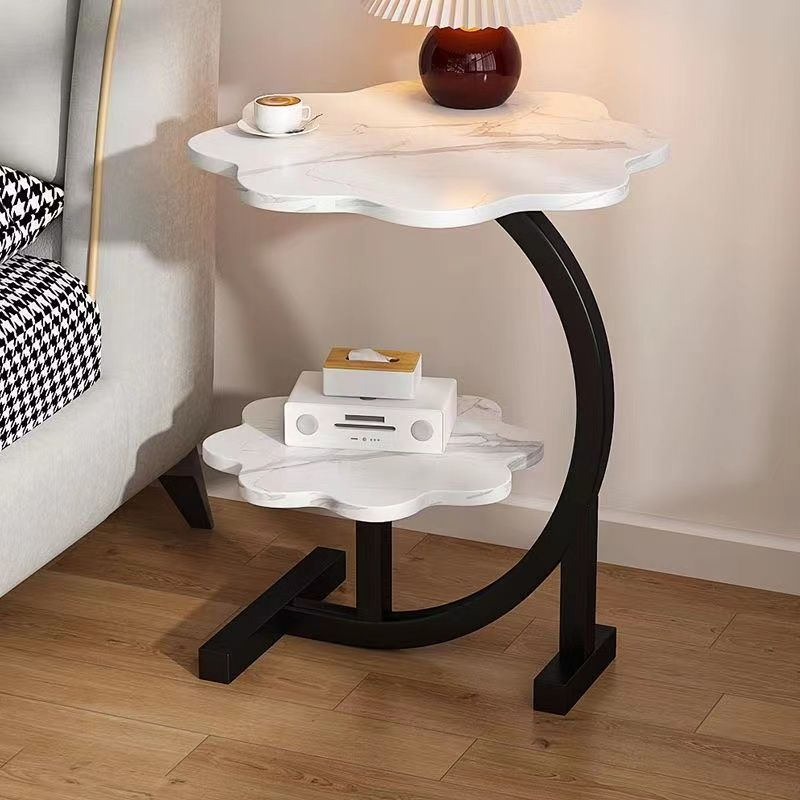
When selecting any piece of furniture for a child’s environment, the primary consideration must always be safety. Unlike adult furniture, which is designed for static use, children’s furniture must withstand the rigorous and often unpredictable movements of active play. A kids side table must be engineered to prevent accidents before they happen, focusing on structural stability and the chemical composition of the materials used in its construction.
The Science of Structural Stability and Tip Prevention
Young children are naturally curious and often use furniture as a support for standing or climbing. This behavior makes the stability of a side table a critical safety feature. A high-quality table is designed with a low center of gravity and a wide base to resist tipping. Manufacturers often achieve this by using heavier materials for the base or by designing the legs with an outward flare. Beyond the inherent design, it is essential for parents to consider how the table interacts with the flooring. On thick carpeting, a lightweight table may become unstable, whereas on hardwood floors, it might slide too easily. Ensuring the piece remains anchored and firm during interaction is the first step in creating a secure environment.
Rounded Edges and Mechanical Safety
The physical geometry of the furniture also plays a significant role in injury prevention. Sharp corners are a significant hazard in a room where children are running or playing. The best designs for a kids side table incorporate soft, rounded edges and beveled corners that diffuse the force of impact should a child trip or fall against the piece. Furthermore, if the table includes moving parts such as drawers or cabinet doors, mechanical safety becomes a priority. Slow-close glides and pinch-guard hinges are essential features that prevent small fingers from being trapped. By eliminating sharp points and dangerous gaps, the furniture becomes a safe extension of the child’s play area rather than a potential risk.
Non-Toxic Finishes and Indoor Air Quality
Children are particularly sensitive to the chemicals found in traditional paints and varnishes. Because toddlers often explore their world through touch and occasionally taste, the finish on a kids side table must be completely non-toxic and lead-free. Many modern manufacturers have shifted toward water-based finishes and natural oils that do not emit volatile organic compounds into the air. These low-emission products ensure that the indoor air quality of the bedroom remains healthy, reducing the risk of respiratory irritation or long-term health issues. When evaluating materials, solid hardwoods such as maple, birch, or oak are generally preferred over composite woods like particleboard, which may contain formaldehydes in the binding resins.
The Functional Evolution of the Side Table Across Developmental Stages
A kids side table is not a static object; its role changes as the child moves through different developmental milestones. What begins as a station for a nursery lamp and a bottle eventually transforms into a workspace for homework or a charging station for electronic devices. Understanding this evolution allows parents to choose a piece that offers long-term value and remains functional for many years.
Supporting Early Independence and Autonomy
In the early years, the primary function of a side table is to promote autonomy. When a child can reach their own water cup, a favorite book, or a comforting nightlight without the help of an adult, they gain a sense of mastery over their environment. This is a core tenet of various educational philosophies that emphasize the importance of child-sized environments. A side table that is height-appropriate allows a toddler to practice organizing their own “treasures,” which fosters a sense of responsibility and pride in their personal space. By providing a dedicated spot for their most important items, the table helps the child develop a routine and a sense of order.
Integrated Storage Solutions for Growing Collections
As children grow, their collection of belongings expands from simple toys to art supplies, books, and personal gadgets. A kids side table with integrated storage solutions—such as deep drawers or open cubbies—becomes an invaluable asset for maintaining a clutter-free room. Open shelving is particularly useful for younger children who need to see their items to remember they exist, while closed drawers are better suited for older children who desire privacy for their diaries or collections. The ability to hide clutter away at the end of the day also contributes to a more peaceful sleeping environment, as a tidy room is often associated with lower stress levels and better sleep hygiene.
Ergonomics and Multi-Purpose Utility
Ergonomics is often overlooked in children’s furniture, but the height and surface area of a side table are crucial for physical comfort. Ideally, the surface of the table should be level with the top of the mattress or slightly below it, making it easy for the child to reach items while lying down. However, many parents are now opting for multi-purpose tables that can also serve as a small desk or a stool. These versatile pieces often feature adjustable heights or modular components that can be reconfigured. By investing in an ergonomic and adaptable piece, the furniture can transition from the toddler years into adolescence without losing its practical utility.
Aesthetic Harmony and the Psychology of Room Design
While functionality and safety are the pillars of good furniture, the aesthetic impact of a kids side table cannot be ignored. The visual environment of a bedroom influences a child’s mood, creativity, and ability to relax. Balancing the child’s preference for playfulness with the parent’s desire for a cohesive home aesthetic is a common challenge in interior design.
The Role of Color Psychology in Sleep Environments
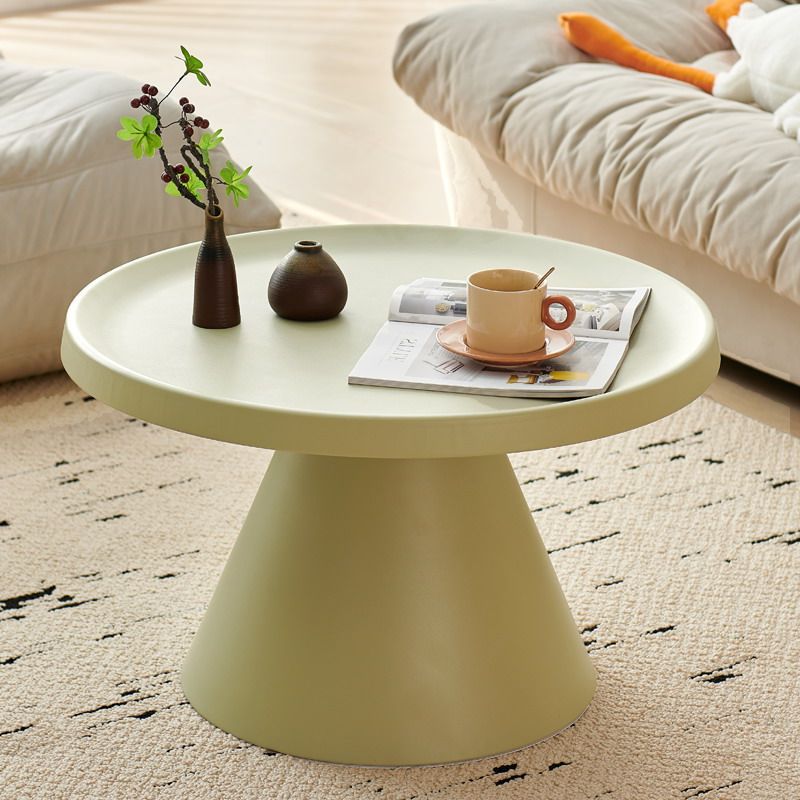
The color of a side table can subtly influence the atmosphere of the room. Soft, muted tones such as sage green, dusty blue, or natural wood grain tend to promote a sense of calm and are ideal for areas designated for sleep. Conversely, bright and saturated colors can stimulate the mind and are often better suited for playrooms or active study areas. Many designers recommend choosing a neutral-colored kids side table and using accessories like lamps or small decorative items to introduce pops of color. This approach allows the room to be easily updated as the child’s favorite colors change, without requiring the purchase of new furniture.
Minimalist vs. Whimsical Design Trends
Current trends in children’s furniture range from the clean lines of Scandinavian minimalism to the enchanting details of whimsical, themed pieces. Minimalist designs are favored for their timelessness and ability to blend into any decor style. These tables often feature natural materials and simple geometric shapes that do not overwhelm the room. On the other hand, whimsical designs—such as tables shaped like animals, clouds, or stars—can spark a child’s imagination and make their room feel like a magical sanctuary. The choice between these styles often depends on whether the goal is to create a sophisticated space that the child will grow into or a playful environment that celebrates the magic of early childhood.
Material Texture and Tactile Comfort
The tactile experience of furniture is especially important for children, who are highly sensitive to textures. A kids side table made of smooth, polished wood offers a warm and grounding sensation, while a metal table might feel cold and industrial. Some modern designs even incorporate soft-touch elements, such as fabric-wrapped panels or silicone accents, to add a layer of sensory comfort. Combining different textures within the room—such as a wooden side table next to a plush rug—creates a rich sensory environment that can be both stimulating and soothing.
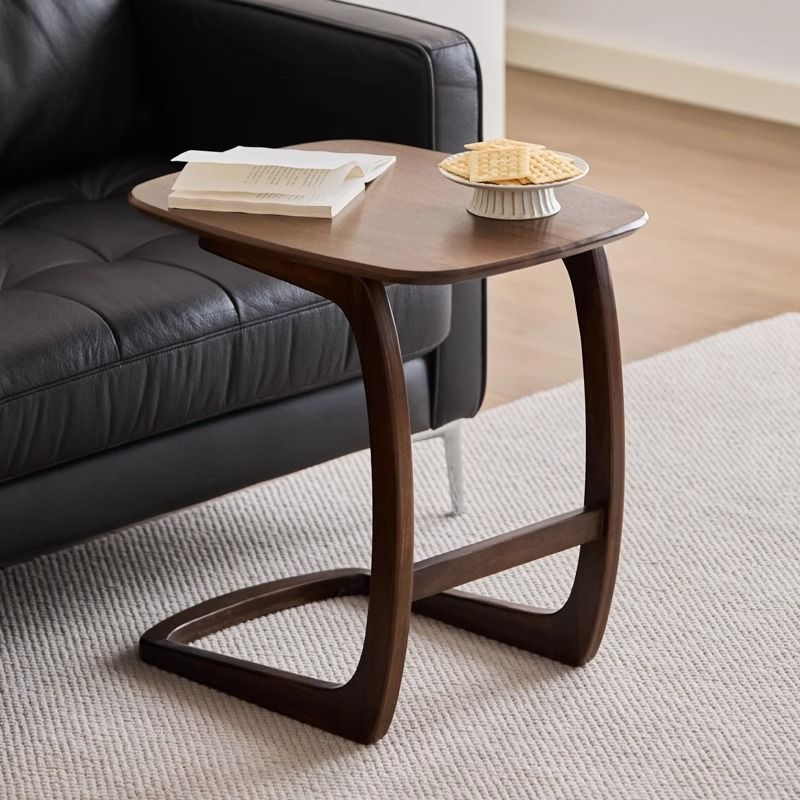
Maximizing the Lifespan of Children’s Furniture
Investing in a high-quality kids side table is a commitment to sustainability and value. To ensure that the piece survives the wear and tear of childhood, it is important to consider durability and maintenance.
Durability and Resistance to Daily Wear
Children are inherently hard on their furniture. Spilled juice, stray crayon marks, and the occasional impact from a toy truck are all part of a side table’s daily life. Therefore, the durability of the surface finish is paramount. High-pressure laminates or specialized furniture waxes can provide a protective barrier against moisture and scratches. When choosing a table, parents should look for finishes that are easy to wipe clean with a damp cloth. A piece that is built with traditional joinery, such as dovetail or mortise-and-tenon joints, will far outlast a table held together by simple screws and glue, ensuring that it remains sturdy even after years of heavy use.
Adapting to the Changing Adolescent Landscape
As a child enters their teenage years, their needs shift toward technology and social identity. A kids side table that was once used for picture books may now need to hold a smartphone, a tablet, and a reading lamp. Some forward-thinking designs include built-in cable management systems or even integrated wireless charging pads to accommodate these needs. By selecting a piece with a classic silhouette and modern features, parents can avoid the cycle of disposable furniture. A well-chosen side table can eventually serve as a guest room accent or a hallway table once the child has moved out, proving that thoughtful design truly stands the test of time.
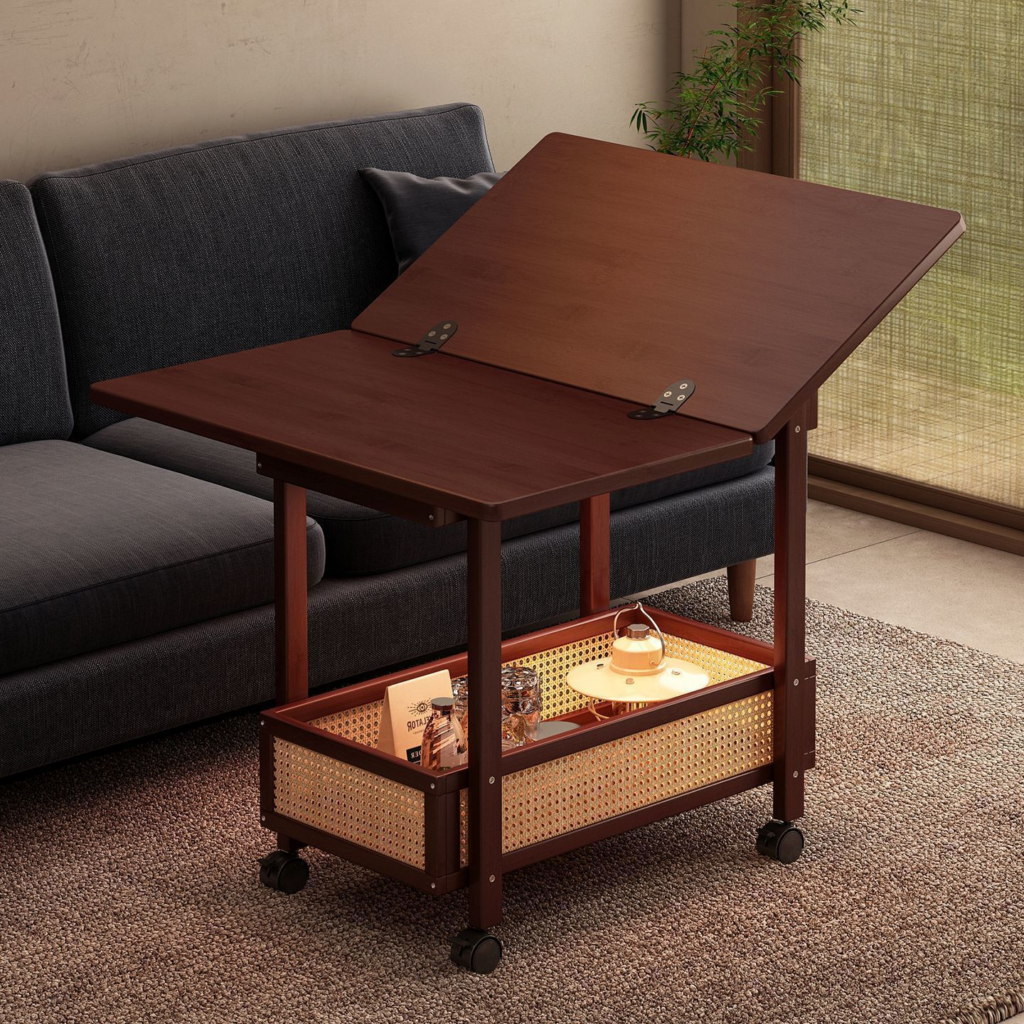
Conclusion
The selection of a kids side table is a decision that impacts the safety, functionality, and aesthetic quality of a child’s personal space. By focusing on high-quality, non-toxic materials and stable construction, parents provide a secure foundation for their child’s growth. When functionality is paired with thoughtful design and ergonomic considerations, the side table becomes a versatile tool that encourages independence and organization. Whether the style is minimalist and modern or whimsical and imaginative, the right side table serves as a lasting anchor in the room, evolving alongside the child from the first nights in a nursery to the busy years of adolescence. It is a small piece of furniture with a profound influence on the comfort and development of the next generation.
How to purchase:Online B2B sourcing platform, China purchase, Chinese suppliers – LooperBuy
Related Questions & Answers
· How do I determine the correct height for my child’s side table?
The most effective way to choose the height is to measure the distance from the floor to the top of the mattress. For safety and ease of use, the table should be approximately the same height as the mattress or up to two inches lower. This prevents the child from accidentally bumping into a sharp edge while sleeping and ensures they can easily reach a nightlight or water cup without straining.
· What are the best materials for a durable kids side table?
Solid hardwoods like maple, oak, and rubberwood are the gold standard for durability. They are resistant to dings and can be refinished if they become scratched over the years. If you are looking for a more budget-friendly or lightweight option, high-quality plywood with a non-toxic veneer is a better choice than particleboard, as it holds screws more securely and is less likely to warp over time.
· How can I make an existing side table safer for a toddler?
If you already have a table that you want to move into a child’s room, you can improve its safety by adding clear silicone corner guards to blunt any sharp edges. You should also check the stability; if it feels top-heavy, consider adding weight to the bottom shelf or using a furniture wall anchor to prevent it from tipping over if the child tries to climb it.
· Is it better to have a side table with drawers or open shelves?
This depends on the child’s age and the room’s storage needs. For toddlers, open shelves or cubbies are often better because they allow the child to easily see and access their toys or books. For older children, drawers are preferable as they provide a place to hide clutter and offer a sense of privacy for personal items. Many parents find that a combination of one drawer and one open shelf offers the best of both worlds.
· What features should I look for to ensure a side table is eco-friendly?
To ensure environmental friendliness, look for furniture made from FSC-certified wood, which comes from responsibly managed forests. Additionally, check for certifications that guarantee low chemical emissions, such as GREENGUARD Gold. Choosing a piece with a timeless design also contributes to sustainability by reducing the need to replace furniture as trends change, keeping more items out of landfills.
Hot Tags:
Kids Side Table; Children’s Bedroom Furniture; Nursery Storage Solutions; Non-Toxic Kids Decor; Safe Furniture For Toddlers; Montessori Room Design; Sustainable Kids Furniture; Playroom Organization; Bedside Tables For Kids; Small Space Nursery Ideas; Durable Kids Wood Furniture; Child Independence Tools; Ergonomic Nursery Design; Low VOC Childrens Furniture; Nightstand For Toddlers; Eco-Friendly Kids Decor; Kids Room Safety Tips; Versatile Nursery Furniture; Toddler Accessible Storage