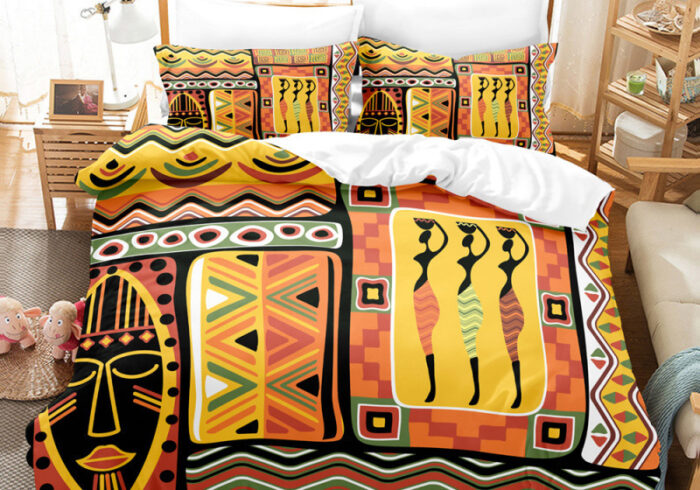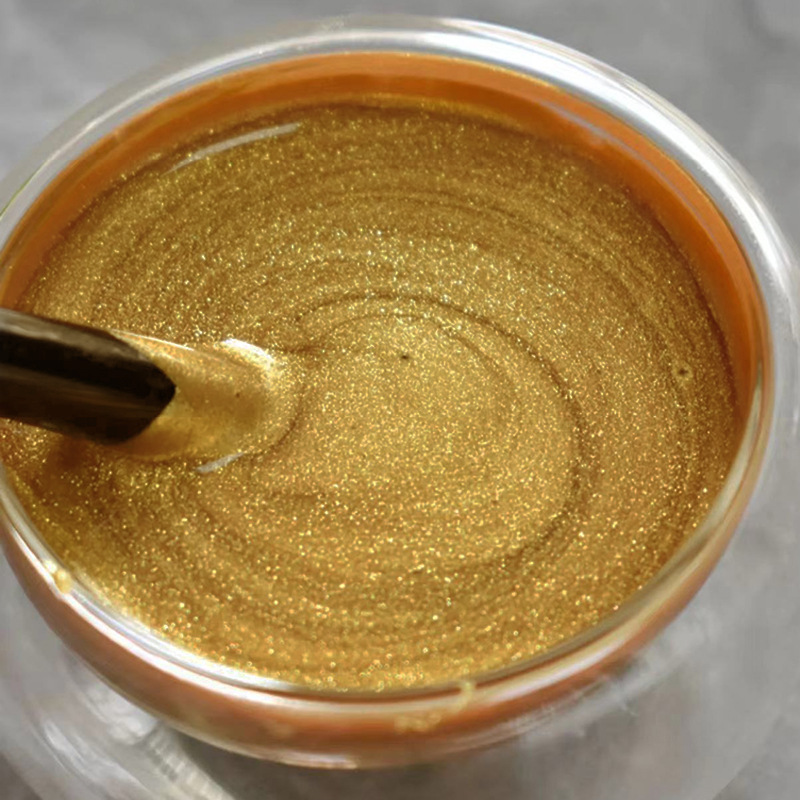
Decorative painting is more than just a way to add color to your walls; it’s an art form that can transform any space into a vibrant and inviting environment. Whether you are looking to refresh a room or create a stunning focal point, decorative painting techniques can help you achieve your vision. In this article, we will explore various methods, styles, and tips for using decorative paint to enhance your home.
Table of Contents
Understanding Decorative Painting
What is Decorative Painting?
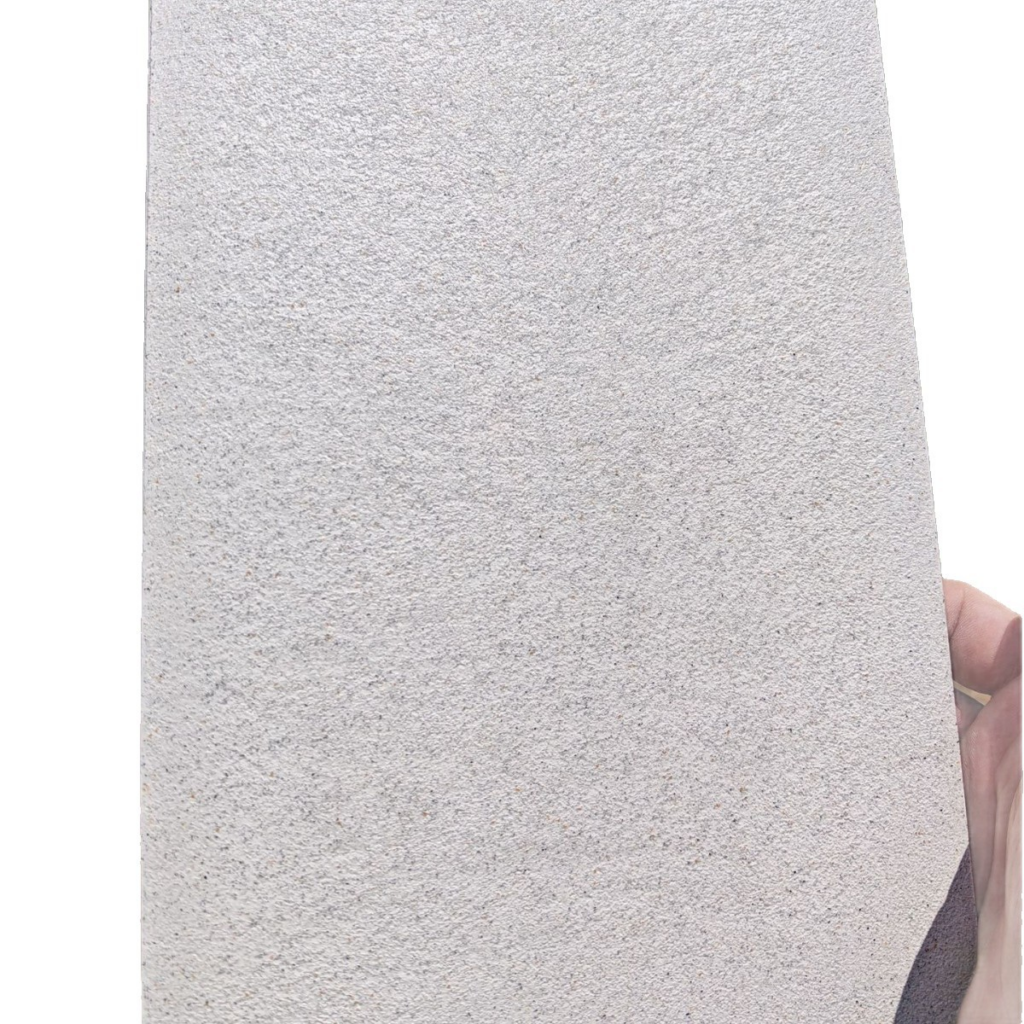
Decorative painting refers to a variety of techniques used to enhance the aesthetic appeal of surfaces through the application of paint. This can include anything from simple color washes to intricate murals and patterns. The goal is to create a visually appealing environment that reflects personal style and enhances the overall ambiance of a space.
The Benefits of Decorative Painting
- Personalization: Decorative painting allows homeowners to express their individuality and style. You can choose colors, patterns, and techniques that resonate with your personal taste.
- Cost-Effective Transformation: Compared to major renovations, decorative painting is a relatively inexpensive way to refresh and revitalize a space.
- Versatility: Decorative painting can be applied to various surfaces, including walls, ceilings, furniture, and even decorative items, making it a versatile option for home decor.
- Increased Property Value: A well-executed decorative paint job can enhance the overall appeal of your home, potentially increasing its market value. Buyers often appreciate unique and well-decorated spaces.
- Creative Outlet: Engaging in decorative painting can be a fulfilling creative outlet, allowing you to explore your artistic side and develop new skills.
Popular Decorative Painting Techniques
1. Color Washing
Color washing is a technique that involves applying a thin, translucent layer of paint over a base color. This creates a soft, textured look that adds depth to walls. To achieve this effect, you can use a sponge or a brush to apply the wash, allowing the base color to show through. This technique is particularly effective in creating a warm, inviting atmosphere in living rooms and bedrooms. Color washing can also be used to create a subtle backdrop for more intricate designs.
2. Stenciling
Stenciling is a popular method for adding patterns and designs to walls. It involves using a stencil to apply paint in specific areas, creating a decorative motif. This technique is great for adding accents to a room, such as borders or focal points. Stencils can be purchased or made at home, allowing for endless customization options. You can also experiment with different colors and finishes to create a unique look. Stenciling is particularly effective in children’s rooms, where playful designs can enhance the overall theme.
3. Faux Finishes
Faux finishes mimic the appearance of other materials, such as marble, wood, or stone. Techniques like sponging, rag rolling, and dragging can create stunning effects that add sophistication to any room. Faux finishes are particularly popular in dining rooms and living areas where elegance is desired. For instance, a faux marble finish can elevate a simple wall into a luxurious feature. Additionally, faux finishes can be used on furniture to create a cohesive look throughout your home. This technique allows you to achieve high-end looks without the high-end price tag.
4. Murals
Murals are large-scale paintings that can transform an entire wall into a work of art. They can depict landscapes, abstract designs, or even scenes from nature. Murals require more skill and planning but can create a breathtaking focal point in any room. Hiring a professional muralist can ensure a high-quality finish, but many DIY enthusiasts also enjoy tackling smaller mural projects. Consider using removable wallpaper murals for a less permanent option that can be changed as your style evolves. Murals can also be a great way to tell a story or convey a theme in a child’s room or play area.
5. Ombre and Gradient Techniques
Ombre painting involves blending two or more colors to create a gradient effect. This technique can be used on walls, furniture, or even decorative items. It adds a modern touch and can make a space feel more dynamic. Ombre techniques are particularly popular in children’s rooms, where playful colors can create a whimsical atmosphere. You can also use ombre effects on smaller items, such as vases or picture frames, to tie the room together. This technique can be adapted to suit any color scheme, making it a versatile choice for any decor style.
6. Geometric Patterns
Geometric patterns are a trendy way to add visual interest to your walls. Using painter’s tape, you can create sharp lines and angles that form various shapes. This technique can be used to create accent walls or to add depth to a room. Choose contrasting colors for a bold look or similar shades for a more subtle effect. Geometric patterns can also be applied to furniture, such as dressers or tables, to create a cohesive design throughout your space. This modern approach can make a room feel more contemporary and stylish.
7. Textured Effects
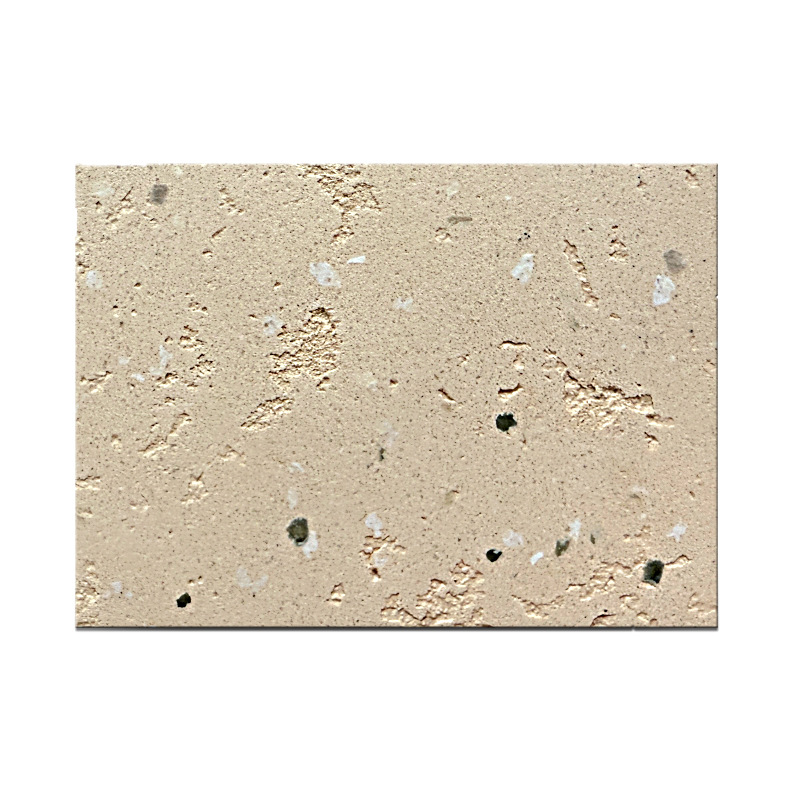
Textured effects can add depth and dimension to your walls. Techniques such as using a comb, sponge, or even crumpled plastic wrap can create unique textures that catch the light and add visual interest. Textured walls can serve as a stunning backdrop for artwork or furniture, enhancing the overall aesthetic of the room. This technique is particularly effective in creating a rustic or industrial look, depending on the materials and colors used.
Choosing the Right Colors
Understanding Color Psychology
Colors can significantly impact mood and perception. When selecting colors for decorative painting, consider the psychological effects of different hues:
- Warm Colors: Reds, oranges, and yellows can create a cozy and inviting atmosphere. They are ideal for social spaces like living rooms and dining areas.
- Cool Colors: Blues, greens, and purples tend to have a calming effect, making them suitable for bedrooms and relaxation areas.
- Neutral Colors: Whites, grays, and beiges provide a versatile backdrop that can complement various decor styles. They can also make a space feel larger and more open.
- Accent Colors: Using bold accent colors can draw attention to specific areas or features in a room, creating a focal point that enhances the overall design.
Creating a Color Palette
When planning your decorative painting project, it’s essential to create a cohesive color palette. Consider the existing furniture, decor, and overall theme of the room. Use color swatches to visualize how different shades will work together. A well-thought-out color palette can enhance the overall aesthetic and ensure that all elements of the room harmonize. You can also use online tools and apps to experiment with different color combinations before making a final decision.
Tools and Materials for Decorative Painting
Essential Tools
- Paint Brushes: Different sizes and shapes of brushes are necessary for various techniques, from fine details to broad strokes.
- Rollers: For larger areas, rollers can help apply paint quickly and evenly.
- Sponges and Rags: These are useful for techniques like sponging and rag rolling.
- Stencils: Pre-made stencils can simplify the process of adding patterns and designs.
- Painter’s Tape: This helps create clean lines and protect areas you don’t want to paint.
- Drop Cloths: Protect your floors and furniture from paint splatters and spills.
- Paint Trays: These are essential for holding paint while you work, making it easier to access and apply.
Choosing the Right Paint
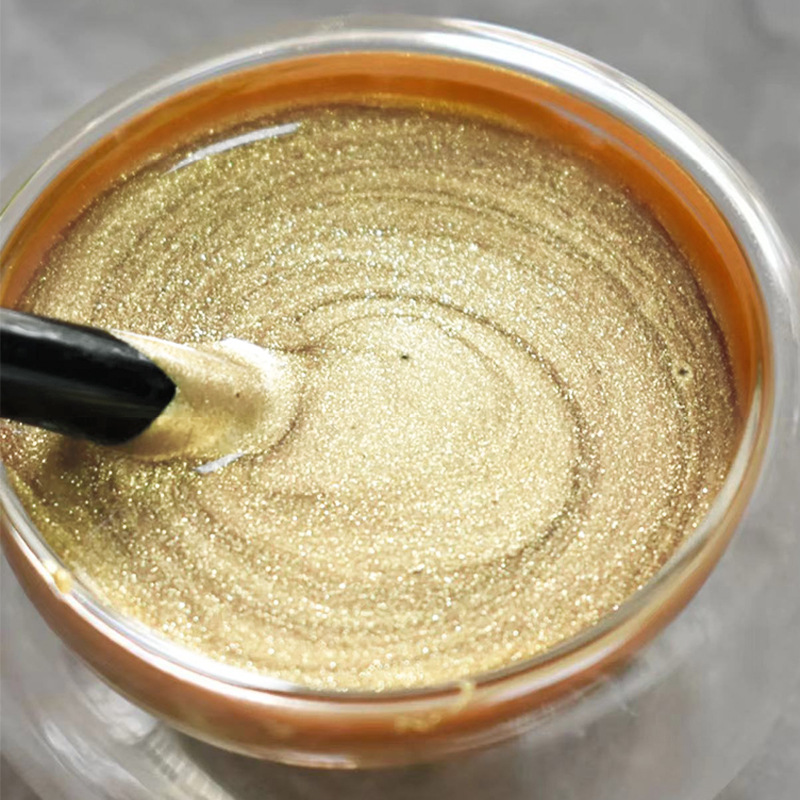
Select high-quality paint that suits your project. For decorative painting, consider using acrylic or latex paints, as they offer good coverage and durability. Additionally, look for paints with a satin or semi-gloss finish for added sheen and washability. Specialty paints, such as chalk paint or metallic finishes, can also add unique textures and effects. When selecting paint, consider the finish as well; matte finishes can create a soft look, while glossy finishes can add a modern touch.
Preparing Your Space
Surface Preparation
Before you begin painting, ensure that the surfaces are clean, dry, and free of imperfections. Fill any holes or cracks with spackle and sand the area smooth. A well-prepared surface will ensure better paint adhesion and a more professional finish. If you are painting over a dark color, consider applying a primer to ensure the new color appears vibrant and true.
Protecting Your Space
Use drop cloths to protect floors and furniture from paint splatters. Painter’s tape can help you achieve clean edges and prevent paint from bleeding onto adjacent surfaces. Additionally, consider removing or covering any decorative items in the room to avoid accidental damage. Ensure proper ventilation in the area to allow paint to dry effectively and to minimize exposure to fumes.
Step-by-Step Guide to Decorative Painting
Step 1: Plan Your Design
Start by sketching your design on paper. Consider the layout, colors, and techniques you want to use. This will serve as a guide during the painting process. You can also create a mood board with images and color samples to visualize your ideas.
Step 2: Gather Your Materials
Collect all the necessary tools and materials before you begin. This will help streamline the process and prevent interruptions. Ensure you have enough paint for your project, as running out mid-way can disrupt your flow.
Step 3: Apply Base Coat
If your design requires a base coat, apply it first and allow it to dry completely. This will provide a solid foundation for your decorative techniques. Depending on the color and type of paint, you may need to apply multiple coats for full coverage.
Step 4: Execute Your Design
Follow your plan and begin applying your chosen decorative techniques. Take your time and work in small sections to ensure precision. If you are using stencils, secure them firmly to avoid shifting while painting. For techniques like sponging or rag rolling, practice on a scrap piece of material to get the hang of the technique before applying it to your walls.
Step 5: Finishing Touches
Once your design is complete, step back and assess the overall look. Touch up any areas that need refinement and allow the paint to cure fully before moving furniture back into place. Consider applying a clear sealant to protect your decorative finish, especially in high-traffic areas.
Maintenance and Care
Cleaning Painted Surfaces
To keep your decorative paint looking fresh, clean surfaces regularly with a damp cloth. Avoid harsh chemicals that can damage the paint finish. For stubborn stains, a mild soap solution can be effective without harming the paint. Regular maintenance will help preserve the vibrancy of your decorative paint.
Touching Up
Over time, you may need to touch up areas that have scuffed or faded. Keep some leftover paint for easy repairs. If you notice significant wear, consider repainting the entire area to maintain a cohesive look. Touch-ups can be done with a small brush for precision, ensuring that the repair blends seamlessly with the surrounding paint.
Conclusion
Decorative painting is a powerful tool for transforming your home into a personalized sanctuary. With various techniques and color options, you can create stunning visual effects that reflect your style. Whether you choose to go bold with a mural or subtle with a color wash, the possibilities are endless. Embrace your creativity and let decorative painting elevate your living space. As you embark on your decorative painting journey, remember that practice makes perfect, and don’t be afraid to experiment with different techniques and styles. The joy of creating a beautiful space is well worth the effort.
How to purchase:Online B2B sourcing platform, China purchase, Chinese suppliers – LooperBuy
Frequently Asked Questions
1. What type of paint is best for decorative painting?
Acrylic or latex paints are recommended for decorative painting due to their durability and ease of use.
2. How do I choose the right colors for my project?
Consider the mood you want to create and the existing decor. Use color swatches to visualize how different shades will work together.
3. Can I use decorative painting techniques on furniture?
Yes, decorative painting techniques can be applied to furniture to enhance its appearance and match your decor.
4. How do I clean painted surfaces?
Use a damp cloth to clean painted surfaces, avoiding harsh chemicals that can damage the paint.
5. What should I do if I make a mistake while painting?
If you make a mistake, allow the paint to dry, then touch up the area with the appropriate color.
HOT TAG: decorative painting techniques, home decor ideas, color washing techniques, stenciling patterns, faux finish painting, mural art designs, ombre wall effects, geometric wall patterns, textured painting techniques, DIY home painting, interior design inspiration, creative wall art ideas, personalized home decor, vibrant paint colors, artistic expression in decor, outdoor decorative painting, home improvement projects, modern painting styles, unique wall designs, painting tools and materials, color psychology in design, enhancing living spaces, budget-friendly decor solutions, transforming interiors with paint.