The global home textiles industry is currently undergoing a profound transformation, and at the heart of this evolution lies the unparalleled craftsmanship and innovative spirit of Indian manufacturers. As we move through 2026, the sector is experiencing a renaissance, shifting from traditional bulk production to high-value, bespoke, and sustainable offerings. This shift is not merely a change in output but a fundamental redefinition of how Indian home textiles contribute to the aesthetics, comfort, and ethical standards of modern living spaces worldwide. From the artisanal looms of heritage weaving centers to state-of-the-art manufacturing hubs, India is positioning itself as an indispensable partner in the global supply chain, marrying centuries-old artistry with cutting-edge textile technology.
Table of Contents
The Evolution of Craft and Technology
The trajectory of the Indian home textile industry has been one of continuous advancement. For decades, the nation has been recognized as a powerhouse in cotton-based fabrics, but the current landscape reveals a much more nuanced picture. Manufacturers are increasingly integrating digital transformation across their operations, ensuring that efficiency does not come at the cost of the intricate designs that define Indian textiles.
Integrating Traditional Artistry with Digital Precision
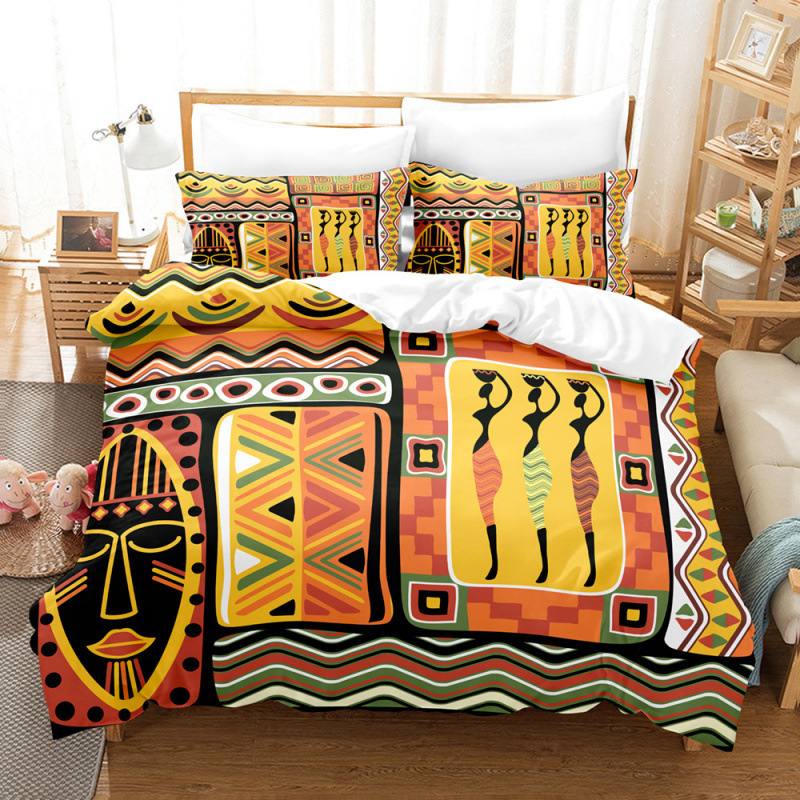
The hallmark of Indian textiles has always been its rich heritage—the block prints of Rajasthan, the intricate weaves of Varanasi, and the embroidery styles passed down through generations. Today, this artistry is being preserved and scaled through digital printing and automated weaving techniques. By digitizing traditional patterns, designers can now recreate complex motifs with high fidelity, allowing these timeless aesthetics to reach a global audience without losing their cultural soul. This fusion allows for greater versatility in product offerings, ranging from classic bed linens that evoke nostalgia to contemporary curtains that meet the requirements of modern minimalist interior design. Moreover, the collaboration between master artisans and digital designers is fostering a new wave of “neo-traditional” styles that appeal to a younger, design-conscious demographic across the globe.
Technological Advancements in Manufacturing
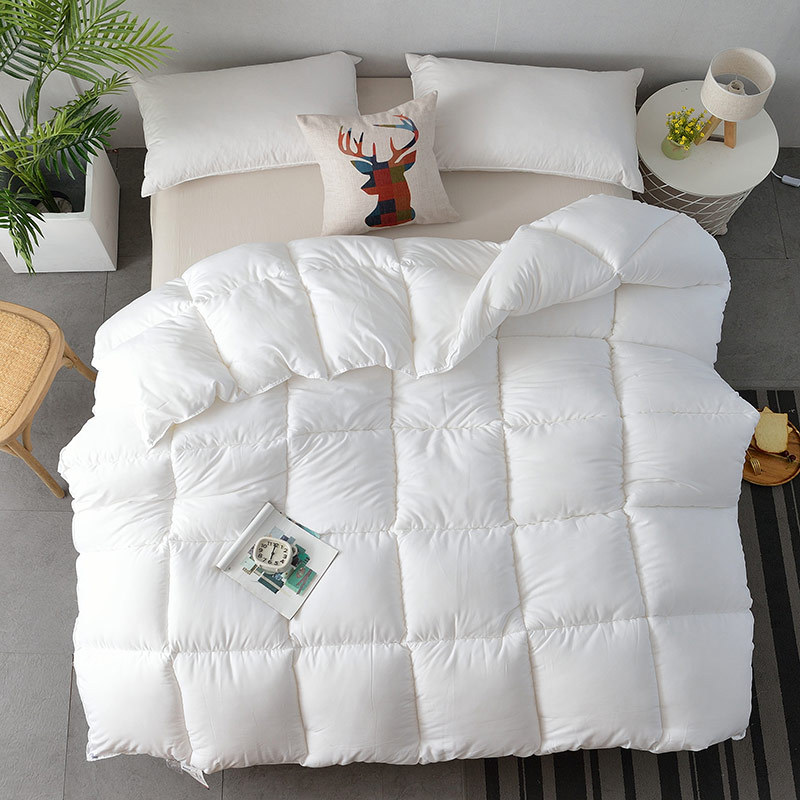
Beyond design, the technical backbone of the industry is being modernized to address global demand for performance-based fabrics. Companies are investing in sustainable dyeing processes, water-saving machinery, and advanced loom technologies that improve the durability and quality of fabrics. This technological leap is critical as it allows Indian manufacturers to compete not just on price, but on value, quality, and technical specification, meeting the rigorous standards of international retailers and interior design firms. The adoption of AI-driven supply chain management tools has also optimized inventory control, reducing lead times and ensuring that the right products reach the global consumer exactly when trends dictate.
Sustainability as a Competitive Edge
In the modern market, sustainability is no longer an optional attribute; it is a fundamental requirement. Indian home textiles are increasingly synonymous with eco-consciousness, as manufacturers recognize that global consumers—particularly in North America and Europe—are prioritizing products that minimize environmental impact.
The Move Toward Organic and Natural Fibers
There is a surging demand for products crafted from sustainable raw materials. Organic cotton, linen, jute, and recycled fibers are becoming staples in the production lines of leading Indian textile companies. By utilizing natural dyes and reducing chemicals in the manufacturing cycle, Indian producers are tapping into the wellness-oriented preferences of today’s homeowners. These materials are not only better for the planet but are also perceived as safer and healthier for domestic use, aligning perfectly with the global focus on sleep quality and personal wellness. The industry is also pivoting toward circular economy principles, exploring ways to incorporate reclaimed textile waste into new yarns, thereby reducing the dependency on virgin resources.
Ethical Production and Supply Chain Transparency
Sustainability in the Indian home textile sector also encompasses ethical labor practices and supply chain transparency. As international buyers demand more information regarding the provenance of their goods, Indian suppliers are adopting standardized certifications to prove their commitment to fair wages and safe working conditions. This transparency has become a major selling point, helping India distance itself from past reliance on cost-focused manufacturing and elevating its status to a reliable, ethical supplier of home furnishings. Furthermore, many textile hubs are implementing community-focused programs that empower women artisans, ensuring that the economic benefits of the industry are distributed equitably across the grassroots levels.
Redefining Product Categories for Modern Homes
The versatility of Indian textiles allows them to transcend traditional boundaries, finding their way into every corner of the contemporary home.
Transforming Bed and Bath Linens
Bed and bath linens have transitioned from being purely functional items to central pieces of home decor. Indian manufacturers have capitalized on this by introducing high-thread-count cottons with sateen or percale finishes that rival luxury international brands. The focus is now on “sleep sanctuary” environments, where textiles are designed to provide thermal regulation, moisture-wicking properties, and a soft tactile experience. In the bathroom, the innovation in quick-dry towels and plush bath mats made from sustainable bamboo and cotton blends has set new standards for daily comfort.
Window Treatments and Upholstery Innovations
Window treatments are no longer just for privacy; they are key design elements that define the mood of a room. India is innovating with light-filtering fabrics, blackout curtains that utilize recycled polyester, and sheer linens that offer an airy, sophisticated look. Similarly, upholstery fabrics are being treated for high-durability and stain resistance, catering to households with active lifestyles. By combining these functional requirements with the rich textures of jacquard and chenille, Indian producers are delivering products that look bespoke but perform under the stress of daily usage.
Navigating Global Market Dynamics
The global trade environment for home textiles is complex, influenced by shifting geopolitical alliances and changing consumer spending patterns. Despite these challenges, India has demonstrated remarkable resilience, strategically diversifying its export markets to reduce dependence on traditional regions.
Expanding Into New International Territories
While the United States remains a significant buyer, Indian exporters are aggressively targeting new markets, including the United Kingdom, Japan, Germany, and the United Arab Emirates. This diversification strategy is essential for mitigating risks associated with trade tariffs and regional economic fluctuations. By tailoring products to meet the unique cultural and climatic preferences of these diverse markets—such as lighter fabrics for warmer climates or specific color palettes that align with local interior design trends—India is successfully expanding its footprint across the globe. Additionally, participation in international design trade fairs has allowed Indian manufacturers to gain direct insights into emerging consumer preferences, allowing them to iterate designs faster than ever before.
Resilience in the Face of Geopolitical Shifts
The current geopolitical climate has created both challenges and opportunities. As global sourcing strategies undergo a reassessment, India’s ability to provide a stable, vertically integrated supply chain has made it a preferred partner for international brands. By focusing on supply chain resilience—including raw material sourcing, production, and logistics—India is capturing a larger share of the global market, positioning itself as a strategic cornerstone that can deliver reliably even in uncertain times. The government’s continued investment in Textile Parks and infrastructure for logistics further strengthens this position, ensuring that the path from the raw fiber to the final retail shelf is as efficient as possible.
Future Perspectives: The Road Ahead
Looking beyond 2026, the potential for Indian home textiles appears limitless. The integration of “smart textiles”—fabrics that interact with smart home systems to adjust room temperature or light—is an emerging research area that could position India as a global tech-hub for interior design. By continuing to prioritize innovation, research, and environmental stewardship, India will not just maintain its current standing but will likely emerge as the primary global authority in the home textile domain. The future is one where Indian textiles are synonymous with a perfect marriage of high-tech efficiency and soul-stirring artisanal beauty, catering to the evolving needs of the global citizen.
Conclusion
The Indian home textiles industry is currently in a defining decade, evolving from a cost-focused producer into a sophisticated leader in global design and quality. Through the harmonious blend of traditional craftsmanship and modern technology, the sector is meeting the diverse needs of contemporary homeowners while upholding stringent sustainability and ethical standards. As Indian manufacturers continue to innovate and expand their global reach, they are not only revitalizing a historic industry but are also setting a new benchmark for excellence in the home furnishing world, ensuring that Indian-made products remain at the forefront of global living for years to come.
How to purchase:Online B2B sourcing platform, China purchase, Chinese suppliers – LooperBuy
Article Summary:
This article provides an in-depth analysis of the 2026 Indian home textiles industry, exploring its transformation from mass-market production to a high-value, tech-enabled, and sustainable global powerhouse. It examines how Indian manufacturers successfully integrate ancient artisanal techniques with modern digital tools, prioritizing eco-friendly materials and ethical supply chain transparency. The article further explores how the industry is diversifying into new international markets and utilizing technological innovation—including potential smart textile developments—to secure its position as a central player in the global home interior landscape, balancing aesthetic heritage with modern lifestyle demands.
Hot Tags:
Indian Home Textiles; Textile Industry Trends; Sustainable Home Décor; Indian Craftsmanship; Home Furnishing Market; Global Textile Exports; Organic Cotton Textiles; Digital Textile Printing; Ethical Manufacturing; Interior Design Fabrics; Bed Linen Industry; Bath Linen Trends; Textile Supply Chain; Made In India; Luxury Home Textiles; Eco-friendly Fabrics; Textile Innovation; Export Market Diversification; Traditional Weaving; Modern Textile Manufacturing; Home Décor Industry; Sustainable Sourcing; Quality Textile Production; Global Market Analysis; Indian Handloom; Textile Technology; Consumer Wellness Trends; Interior Fabric Solutions; Decorative Textiles; Home Textiles 2026
Related Questions & Answers
· What is the current growth trend for the Indian home textile industry?
The industry is experiencing steady growth, with market projections indicating a significant increase in valuation through 2032. This growth is driven by rising global demand, technological upgrades in manufacturing, and a shift toward high-value, sustainable products.
· How are Indian textile manufacturers incorporating sustainability into their products?
Manufacturers are increasingly using organic cotton, natural fibers, and recycled materials. Furthermore, they are adopting eco-friendly dyeing techniques and obtaining certifications that guarantee ethical labor practices and transparent supply chains, meeting the demands of global eco-conscious consumers.
· What role does technology play in the modern Indian home textile sector?
Technology acts as a bridge between tradition and modern demand. It is used to digitize intricate traditional patterns for efficient high-quality reproduction, optimize loom productivity, implement water-saving manufacturing processes, and improve the overall durability of the fabrics.
· How is the Indian home textile industry diversifying its export strategy?
Recognizing the risks of over-reliance on a single market, Indian exporters are strategically targeting over 40 countries, including the UK, Japan, Germany, and the UAE. This approach helps the industry mitigate risks related to trade tariffs and fluctuations in specific regional economies.
· What makes Indian home textiles competitive in the global market today?
India’s competitiveness stems from its unique ability to combine centuries-old craftsmanship with modern industrial reliability. By offering high-quality, ethically produced, and aesthetically diverse products, India has positioned itself as a strategic partner that can scale production while maintaining high standards of design and sustainability.