Cooking rice can often be a tedious task, requiring precise measurements, constant monitoring, and sometimes, a bit of luck. However, with the advent of microwave rice cookers, this process has been simplified significantly. But can a microwave rice cooker truly revolutionize your cooking experience? In this article, we will explore the features, benefits, and potential drawbacks of using a microwave rice cooker, as well as provide tips on how to use one effectively.
Table of Contents
Understanding Microwave Rice Cookers
What is a Microwave Rice Cooker?
A microwave rice cooker is a specialized kitchen appliance designed to cook rice quickly and efficiently in a microwave oven. Unlike traditional rice cookers that use electric heat, microwave rice cookers utilize microwave energy to steam rice, making them a convenient option for those who may not have the space or budget for a full-sized rice cooker. These cookers are typically compact and lightweight, making them easy to store and handle. They often come in various colors and designs, allowing you to choose one that fits your kitchen aesthetic.
How Does It Work?
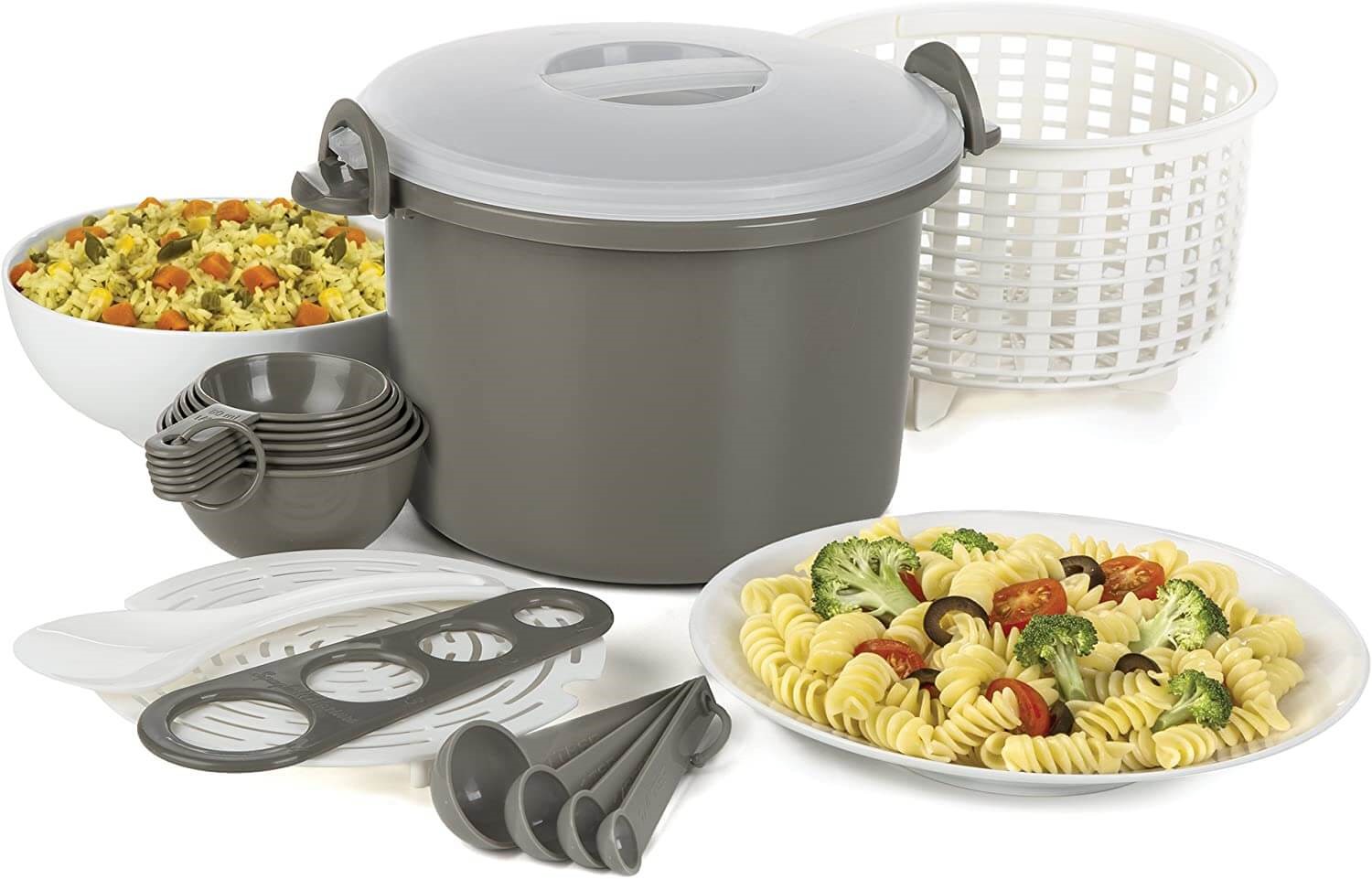
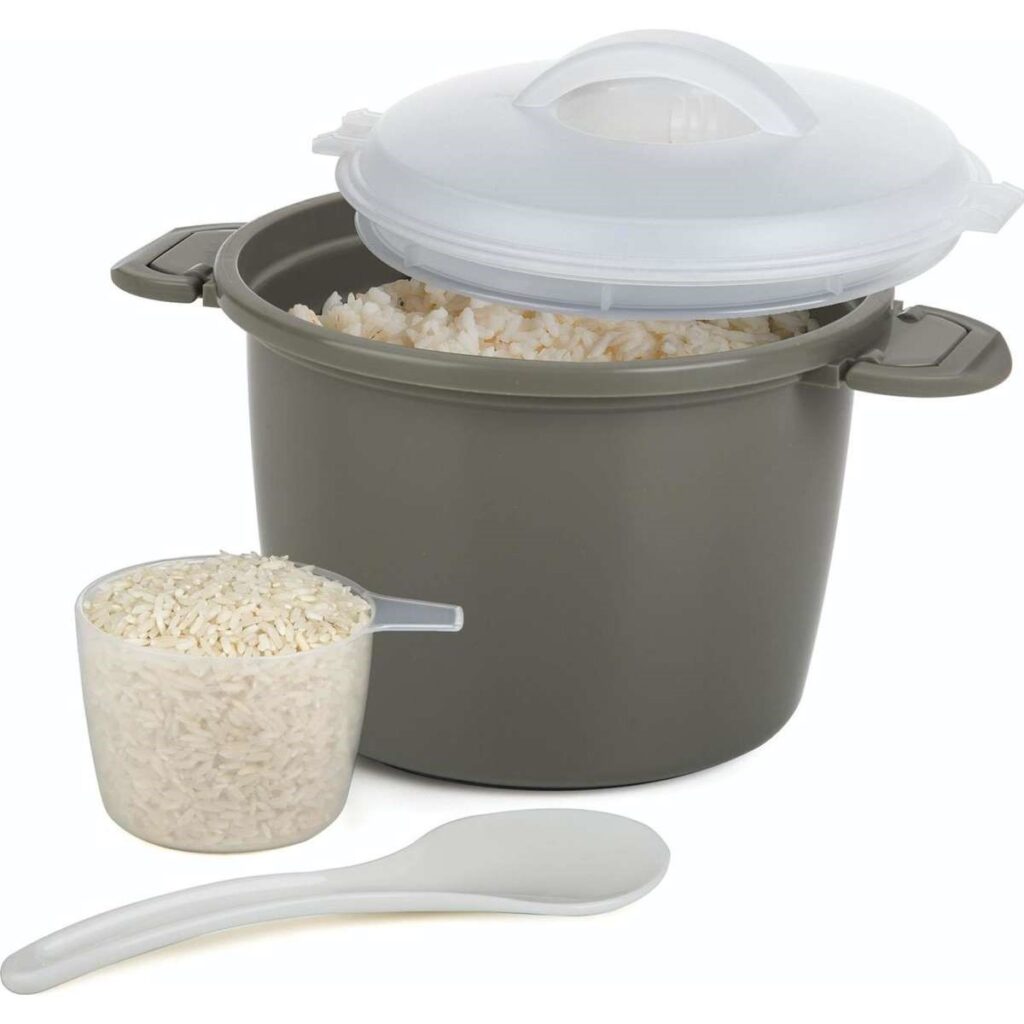
The microwave rice cooker typically consists of a pot with a lid, often made from microwave-safe plastic. The design allows steam to circulate within the pot, cooking the rice evenly. Most models come with specific measurements for water and rice, ensuring that you achieve the perfect texture every time. The cooking process usually takes between 10 to 15 minutes, depending on the type of rice and the microwave’s wattage. This method of cooking not only saves time but also retains the nutrients in the rice, making it a healthier option compared to boiling.
Benefits of Using a Microwave Rice Cooker
Speed and Efficiency
One of the most significant advantages of using a microwave rice cooker is the speed at which it cooks rice. Traditional methods can take anywhere from 20 to 40 minutes, while a microwave rice cooker can produce perfectly cooked rice in a fraction of that time. This efficiency is particularly beneficial for busy individuals or families who need to prepare meals quickly. Imagine coming home after a long day and being able to whip up a delicious rice dish in just minutes, allowing you to spend more time enjoying your meal rather than preparing it.
Consistent Results
Microwave rice cookers are designed to provide consistent results. With the right water-to-rice ratio, you can expect fluffy, well-cooked rice every time. Many models come with built-in measuring cups and guidelines, making it easy to replicate your success. This consistency is crucial for those who enjoy meal prepping or cooking for guests, as it ensures that every batch of rice meets the same high standards. Additionally, the ability to achieve perfect rice every time can boost your confidence in the kitchen, encouraging you to experiment with different recipes.
Versatility
While the primary function of a microwave rice cooker is to cook rice, many models are versatile enough to prepare other grains such as quinoa, couscous, and even pasta. This multifunctionality can save you time and space in the kitchen, as you can use one appliance for multiple cooking tasks. Some microwave rice cookers even come with additional steaming trays, allowing you to cook vegetables or fish simultaneously, making it easier to prepare complete meals in one go.
Easy to Clean
Most microwave rice cookers are made from non-stick materials, making them easy to clean. Many are also dishwasher safe, which adds to their convenience. This ease of cleaning is a significant advantage over traditional pots and pans, which often require more effort to scrub and maintain. After a busy cooking session, the last thing you want is to spend a long time cleaning up. With a microwave rice cooker, you can simply rinse it out or toss it in the dishwasher, allowing you to relax after your meal.
Choosing the Right Microwave Rice Cooker
Key Features to Consider
When selecting a microwave rice cooker, there are several features to consider:
– Material: Look for BPA-free plastic that is microwave safe. Some models may also have silicone components for added durability. The material should be sturdy enough to withstand high temperatures without warping or melting.
– Size: Choose a size that fits your cooking needs. Smaller cookers are great for individuals or couples, while larger models can accommodate families. Consider how much rice you typically cook at once to ensure you select the right capacity.
– Ventilation: A good microwave rice cooker should have a vented lid to allow steam to escape, preventing overflow and ensuring even cooking. This feature is essential for avoiding messy spills in your microwave.
– Measuring Tools: Many cookers come with measuring cups and guidelines for water and rice ratios, which can be very helpful for beginners. Having these tools included can simplify the cooking process and help you achieve the best results.
Popular Models
There are several popular microwave rice cookers on the market, each with its unique features. Some of the top-rated models include:
– Joseph Joseph M-Cuisine Microwave Rice Cooker: Known for its stylish design and effective cooking capabilities, this model is a favorite among home cooks. Its innovative design allows for easy handling and storage.
– Nordic Ware Microwave Rice Cooker: This model is praised for its durability and ease of use, making it a reliable choice for many households. It often features a clear lid, allowing you to monitor the cooking process without lifting the lid.
– Sistema Microwave Collection Rice Cooker: This cooker features a steam release vent and is designed for easy handling, making it a practical option for everyday use. Its compact size makes it ideal for small kitchens or dorm rooms.
Tips for Using a Microwave Rice Cooker
Preparing the Rice
Before cooking, it’s essential to rinse the rice thoroughly under cold water. This step removes excess starch, which can make the rice gummy. Rinsing also helps improve the overall texture of the cooked rice. Additionally, soaking the rice for 30 minutes before cooking can further enhance its texture and flavor, especially for varieties like basmati or jasmine.
Measuring Water and Rice
Follow the manufacturer’s instructions for the correct water-to-rice ratio. A common guideline is to use one part rice to two parts water, but this can vary depending on the type of rice. For example, brown rice typically requires more water and a longer cooking time. Experimenting with different ratios can help you find the perfect balance for your preferred rice type.
Cooking Time
Microwave cooking times can vary based on the wattage of your microwave. Start with the recommended cooking time, but be prepared to adjust as needed. It’s often helpful to check the rice a minute or two before the timer goes off to ensure it doesn’t overcook. If you find that your rice is consistently undercooked, consider increasing the cooking time in small increments until you achieve the desired texture.
Letting It Rest
After the cooking time is complete, let the rice sit in the cooker for a few minutes before opening the lid. This resting period allows the steam to finish cooking the rice and helps improve the texture. During this time, you can prepare other components of your meal, making the most of your cooking time.
Potential Drawbacks of Microwave Rice Cookers
Limited Capacity
While microwave rice cookers are convenient, they often have a limited capacity compared to traditional rice cookers. If you frequently cook large quantities of rice, you may need to do multiple batches or consider a larger appliance. This limitation can be a drawback for families or those who enjoy hosting gatherings where rice is a staple side dish.
Dependence on Microwave
Using a microwave rice cooker means you are reliant on your microwave’s power and efficiency. If your microwave is not powerful enough, it may not cook the rice properly, leading to inconsistent results. Additionally, if your microwave breaks down, you may find yourself unable to cook rice until it is repaired or replaced.
Learning Curve
For those new to cooking rice, there may be a slight learning curve in understanding the right water-to-rice ratios and cooking times. However, with practice, most users find it easy to master. Keeping a cooking journal can help you track your successes and failures, allowing you to refine your technique over time.
Conclusion
In conclusion, a microwave rice cooker can indeed revolutionize your cooking experience by providing a quick, efficient, and consistent way to prepare rice and other grains. With the right model and a few tips, you can enjoy perfectly cooked rice in a matter of minutes. Whether you are a busy professional, a student, or a parent, a microwave rice cooker can be a valuable addition to your kitchen arsenal. Its ability to simplify meal preparation and deliver consistent results makes it an essential tool for anyone looking to enhance their cooking experience.
How To Purchase:https://looperbuy.com/search?keywords=microwave+rice+cooker
Frequently Asked Questions
1. Can I cook other grains in a microwave rice cooker?
Yes, many microwave rice cookers can also cook grains like quinoa, couscous, and even pasta. This versatility allows you to expand your cooking repertoire without needing multiple appliances.
2. How do I clean my microwave rice cooker?
Most microwave rice cookers are made from non-stick materials and are dishwasher safe, making them easy to clean. Simply rinse it out or place it in the dishwasher for hassle-free maintenance.
3. What is the best water-to-rice ratio for cooking rice?
A common ratio is 1 part rice to 2 parts water, but this can vary depending on the type of rice. Adjusting the ratio based on your preferences can help you achieve the perfect texture.
4. Can I use a microwave rice cooker for brown rice?
Yes, you can use a microwave rice cooker for brown rice, but it typically requires more water and a longer cooking time. Experimenting with different cooking times can help you find the best method for your preferred rice type.
5. Are microwave rice cookers safe to use?
Yes, as long as they are made from microwave-safe materials and used according to the manufacturer’s instructions, they are safe to use. Always check for any specific safety guidelines provided with your cooker.