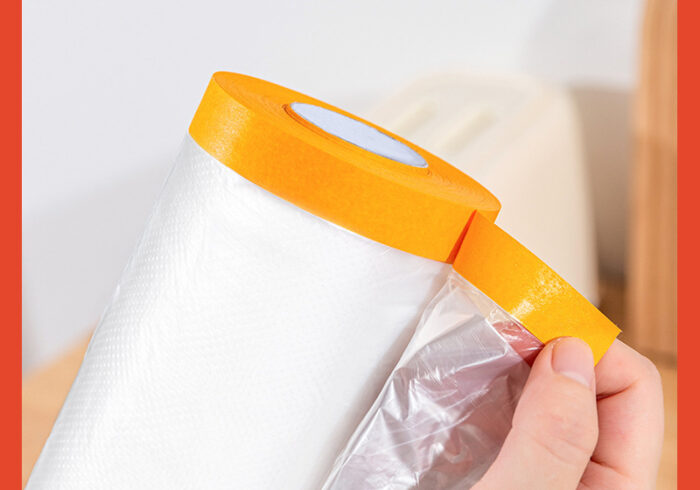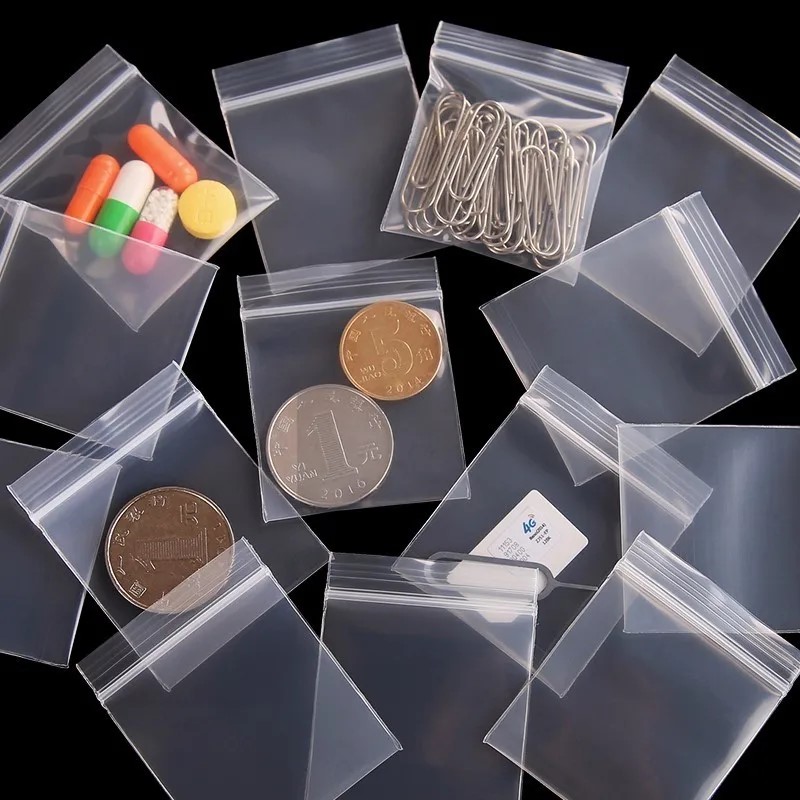
Small plastic bags are ubiquitous in our daily lives, serving a multitude of purposes across various sectors. From packaging food items to organizing small household items, these bags have become an essential tool for convenience and efficiency. In this article, we will explore the various uses, benefits, and environmental considerations surrounding small plastic bags.
Table of Contents
The Versatility of Small Plastic Bags
Small plastic bags come in various sizes and types, making them suitable for a wide range of applications. Their versatility is one of the primary reasons for their popularity. The ability to customize these bags for specific uses has led to their widespread adoption in both personal and commercial settings.
Food Packaging
One of the most common uses of small plastic bags is in food packaging. These bags are ideal for storing snacks, candies, and other food items. They help keep food fresh and prevent contamination. For instance, resealable small plastic bags are perfect for portioning snacks for lunchboxes or for storing leftovers in the refrigerator. The airtight seal provided by these bags can significantly extend the shelf life of perishable items, reducing food waste. Additionally, small plastic bags are often used in grocery stores for produce, allowing customers to select fruits and vegetables without direct contact, which enhances hygiene and safety.
Organizing Small Items
Small plastic bags are also widely used for organizing small items. Whether it’s for storing craft supplies, screws, or jewelry, these bags provide a simple solution to keep things tidy. They can be labeled easily, making it convenient to find what you need without rummaging through drawers or boxes. This organizational capability is particularly beneficial in households with children, where small toys and accessories can easily become scattered. By using small plastic bags, parents can create designated storage for each type of item, promoting a more organized living space. Furthermore, in professional settings, these bags can help keep office supplies, tools, and other materials sorted, enhancing productivity.
Retail and E-commerce
In the retail sector, small plastic bags are often used for packaging products. They are lightweight and cost-effective, making them a preferred choice for businesses. E-commerce companies also utilize small plastic bags for shipping small items securely, ensuring that products arrive in good condition. The transparency of these bags allows customers to see the contents without opening them, which can enhance the shopping experience. Additionally, many retailers have started to offer branded small plastic bags, which serve as a marketing tool while providing customers with a convenient way to carry their purchases. This dual functionality helps businesses promote their brand while meeting customer needs.
Travel and Storage
When it comes to travel, small plastic bags are invaluable. They can be used to pack toiletries, snacks, or even to separate dirty clothes from clean ones. This organization is crucial for maintaining cleanliness and order during trips. Small plastic bags can also be used to protect electronic devices from moisture, making them a versatile travel companion. Additionally, they are useful for storing items at home, such as seasonal decorations or clothing, helping to maximize space. By using small plastic bags for storage, individuals can easily access items when needed, reducing clutter and improving overall organization in their living spaces.

Environmental Considerations
While small plastic bags offer numerous benefits, they also raise environmental concerns. The convenience of these bags comes at a cost to the environment, particularly when it comes to plastic waste. As the world grapples with the consequences of plastic pollution, it is essential to consider the impact of our choices regarding plastic bag usage.
The Impact of Plastic Waste
Plastic bags contribute significantly to pollution, especially in oceans and waterways. They can take hundreds of years to decompose, leading to long-term environmental damage. Many countries and cities have implemented bans or fees on plastic bags to encourage the use of reusable alternatives. The accumulation of plastic waste poses a threat to wildlife, as animals can ingest or become entangled in plastic debris. This not only endangers marine life but also disrupts ecosystems. Public awareness campaigns are increasingly highlighting the importance of reducing plastic consumption and promoting sustainable practices.
Biodegradable Options
In response to environmental concerns, manufacturers have started producing biodegradable small plastic bags. These bags are designed to break down more quickly than traditional plastic, reducing their impact on the environment. Consumers are encouraged to look for these options when purchasing small plastic bags. Biodegradable bags are often made from plant-based materials, which can decompose naturally in composting environments. This innovation represents a significant step toward reducing the ecological footprint of plastic products. However, it is crucial for consumers to understand the proper disposal methods for these bags to ensure they break down as intended.
The Future of Small Plastic Bags
As awareness of environmental issues grows, the future of small plastic bags is evolving. Innovations in materials and design are paving the way for more sustainable options. The industry is responding to consumer demand for eco-friendly products, leading to exciting developments in the realm of packaging.
Reusable Small Plastic Bags
One trend gaining traction is the use of reusable small plastic bags. These bags are made from durable materials that can withstand multiple uses, reducing the need for single-use plastic bags. They are often designed to be easy to clean and store, making them a practical choice for consumers. Reusable bags can be used for a variety of purposes, from grocery shopping to organizing items at home. By investing in reusable options, consumers can significantly reduce their plastic waste and contribute to a more sustainable future. Many retailers are now offering incentives for customers who bring their reusable bags, further promoting this environmentally friendly practice.
Advances in Recycling Technology
Advancements in recycling technology are also promising for the future of small plastic bags. Improved recycling processes can help reduce the amount of plastic waste generated. Consumers are encouraged to recycle their plastic bags properly to minimize their environmental footprint. Innovations in sorting and processing technology are making it easier to recycle plastic materials, ensuring that they are repurposed rather than ending up in landfills. Additionally, educational initiatives are being implemented to inform the public about the importance of recycling and the proper methods for doing so. By fostering a culture of recycling, communities can work together to combat plastic pollution effectively.
Conclusion
Small plastic bags play a crucial role in our daily lives, offering convenience and versatility across various applications. However, it is essential to consider their environmental impact and explore sustainable alternatives. By making informed choices, consumers can enjoy the benefits of small plastic bags while contributing to a healthier planet. The ongoing dialogue about plastic use and waste management is vital for creating a sustainable future, and every individual can make a difference through their choices.
How to purchase:https://looperbuy.com/search?keywords=Small+Plastic+Bags
Frequently Asked Questions
1. What are small plastic bags typically used for?
Small plastic bags are commonly used for food packaging, organizing small items, retail packaging, and travel storage.
2. Are there environmentally friendly options for small plastic bags?
Yes, biodegradable and reusable small plastic bags are available as more sustainable alternatives to traditional plastic bags.
3. How can I recycle small plastic bags?
Many grocery stores have designated bins for recycling plastic bags. Ensure they are clean and dry before recycling.
4. Can small plastic bags be used for liquids?
Yes, resealable small plastic bags are often used to store liquids, but it’s important to ensure they are sealed properly to prevent leaks.
5. What should I consider when choosing small plastic bags?
Consider the size, material, and intended use. Look for options that are durable and, if possible, environmentally friendly.