
Gift-giving is a universal practice that transcends cultures and religions, often symbolizing love, appreciation, and goodwill. In the context of Islam, the question arises: do Muslims have a gift-giving holiday? This article delves into the various Islamic holidays and traditions that involve gift-giving, exploring their significance and the cultural practices associated with them.
Table of Contents
Understanding Islamic Holidays
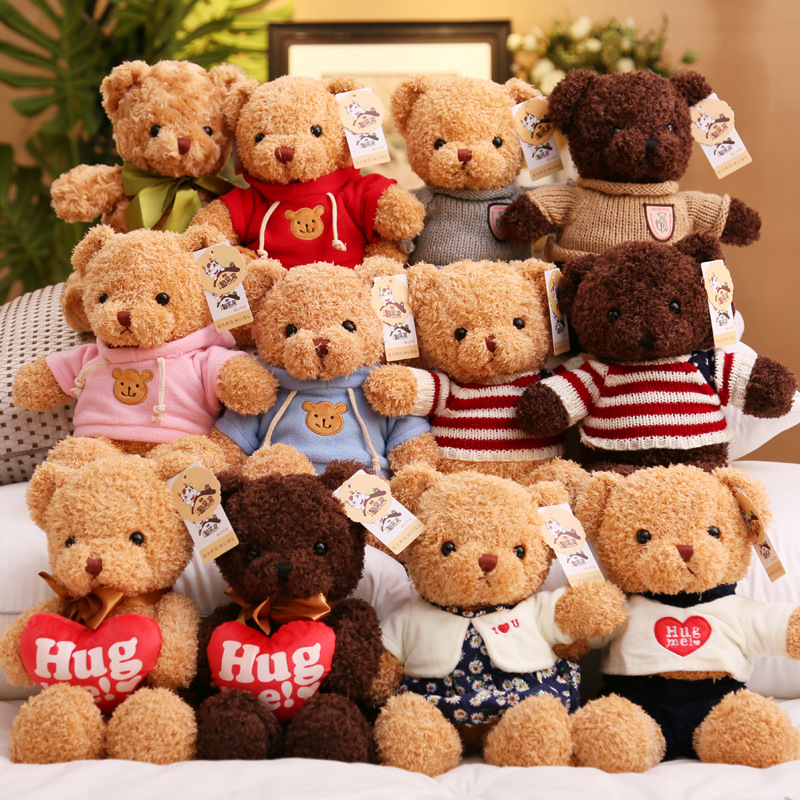
Islamic holidays are deeply rooted in religious significance and cultural practices. The two major holidays celebrated by Muslims worldwide are Eid al-Fitr and Eid al-Adha. Both of these occasions provide opportunities for gift-giving, fostering community bonds and familial ties.
Eid al-Fitr: The Festival of Breaking the Fast
Eid al-Fitr marks the end of Ramadan, the holy month of fasting. It is a time of celebration, gratitude, and community. The holiday begins with a special prayer at the mosque, followed by festive meals and gatherings.
The Tradition of Gift-Giving
Gift-giving during Eid al-Fitr is a cherished tradition. Muslims often exchange gifts with family and friends, symbolizing love and appreciation. Common gifts include money, sweets, and clothing. This practice not only strengthens relationships but also reflects the spirit of generosity that is emphasized in Islam.
Zakat al-Fitr: A Form of Charity
In addition to personal gifts, Muslims are required to give Zakat al-Fitr, a form of charity, before the Eid prayer. This act ensures that those in need can also partake in the celebrations. The amount is typically given in the form of food or money, allowing the less fortunate to enjoy the holiday.
Eid al-Adha: The Festival of Sacrifice
Eid al-Adha commemorates the willingness of Prophet Ibrahim (Abraham) to sacrifice his son as an act of obedience to God. This holiday occurs during the Islamic lunar month of Dhu al-Hijjah and coincides with the Hajj pilgrimage.
The Significance of Sacrifice
The central act of Eid al-Adha is the sacrifice of an animal, usually a sheep, goat, or cow. The meat is then distributed among family, friends, and those in need. This act of sharing reinforces community bonds and emphasizes the importance of charity.
Gifts and Celebrations
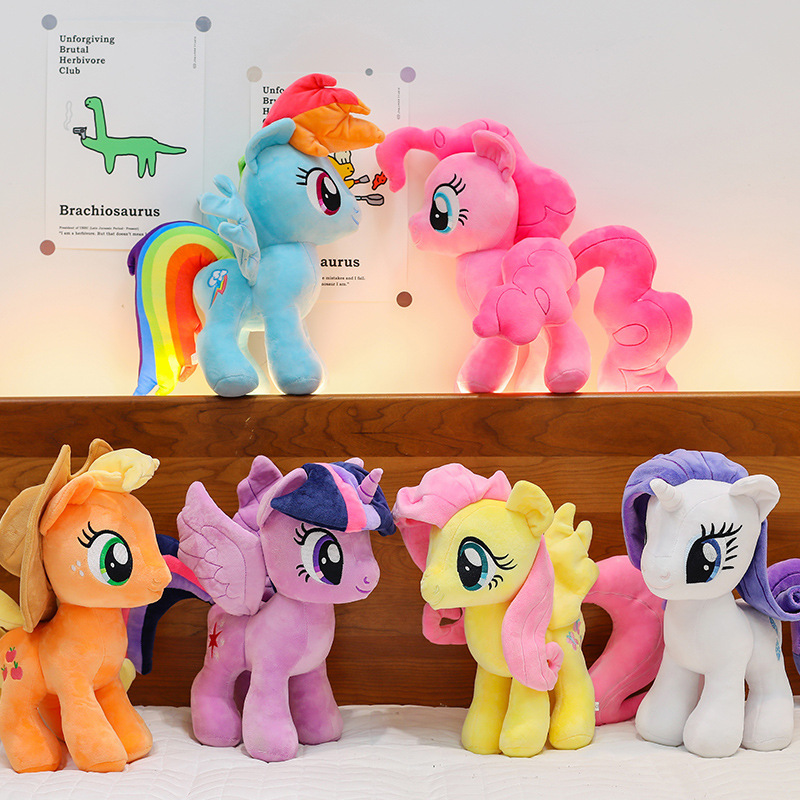
Similar to Eid al-Fitr, gift-giving is also prevalent during Eid al-Adha. Families often exchange gifts, and children receive money or toys, enhancing the festive atmosphere. The practice of giving gifts during this holiday reflects the values of generosity and compassion that are central to Islamic teachings.
Cultural Variations in Gift-Giving Practices
While Eid al-Fitr and Eid al-Adha are the primary Islamic holidays associated with gift-giving, cultural variations exist across different regions. These variations often influence the types of gifts exchanged and the manner in which they are given.
Middle Eastern Traditions
In many Middle Eastern countries, gift-giving during Eid is a grand affair. Families may host large gatherings, and the exchange of gifts can be elaborate. Traditional sweets, clothing, and gold jewelry are common gifts, reflecting the cultural significance of wealth and generosity.
South Asian Customs
In South Asia, particularly in countries like Pakistan and India, Eid celebrations are vibrant and colorful. Gift-giving often includes traditional sweets, clothing, and cash, known as “Eidi,” given to children. The practice of visiting friends and family during Eid is also common, with gifts exchanged as a gesture of goodwill.
Western Influences
In Western countries, where Muslims may be a minority, gift-giving practices can blend with local customs. For instance, some families may incorporate elements of Christmas gift-giving into their Eid celebrations, creating a unique fusion of traditions.
The Spiritual Aspect of Gift-Giving
Gift-giving in Islam is not merely a social custom; it carries profound spiritual significance. The act of giving is seen as a reflection of one’s faith and character. It embodies the principles of generosity, compassion, and community support.
Strengthening Community Bonds
Gift-giving fosters a sense of belonging and unity within the Muslim community. It encourages individuals to think beyond themselves and consider the needs of others. This communal spirit is particularly evident during the Eid celebrations, where the act of giving reinforces social ties.
Teaching Values to the Younger Generation
For many families, the practice of gift-giving during Islamic holidays serves as a valuable teaching moment for children. It instills the values of generosity, empathy, and gratitude. By participating in these traditions, children learn the importance of sharing and caring for others.
The Role of Gift-Giving in Strengthening Family Ties
Gift-giving during Islamic holidays also plays a crucial role in strengthening family ties. The act of exchanging gifts is often accompanied by family gatherings, where members come together to celebrate and reconnect.
Family Gatherings and Celebrations
During Eid, families often gather for special meals, prayers, and festivities. These gatherings provide an opportunity for family members to reconnect, share stories, and create lasting memories. The exchange of gifts during these gatherings enhances the sense of togetherness and reinforces familial bonds.
Creating Lasting Memories
The memories created during these celebrations often revolve around the gifts exchanged. Whether it’s a cherished toy, a piece of clothing, or a heartfelt note, these gifts become symbols of love and affection. They serve as reminders of the special moments shared during the holidays, fostering a sense of nostalgia and connection.
The Economic Impact of Gift-Giving
Gift-giving during Islamic holidays also has a significant economic impact. The practice stimulates local economies, as families purchase gifts, clothing, and food for the celebrations.
Supporting Local Businesses
During Eid, markets and shops often see a surge in sales as families prepare for the festivities. Local businesses benefit from the increased demand for gifts, clothing, and food items. This economic activity not only supports local entrepreneurs but also contributes to the overall economic health of the community.
The Role of E-Commerce
In recent years, the rise of e-commerce has transformed the way Muslims shop for gifts during Eid. Online platforms offer a wide range of products, making it easier for families to find the perfect gifts. This shift has also allowed for greater accessibility, enabling individuals to shop from the comfort of their homes.
The Importance of Thoughtful Gift-Giving
While the act of gift-giving is significant, the thoughtfulness behind the gifts is equally important. In Islam, the intention behind giving is paramount, and thoughtful gifts can carry deeper meanings.
Personalizing Gifts
Personalized gifts, such as handmade items or gifts that reflect the recipient’s interests, demonstrate thoughtfulness and care. These gifts often hold more sentimental value and can strengthen the bond between the giver and the recipient.
The Value of Experiences
In addition to physical gifts, experiences can also be valuable gifts. Treating loved ones to a special outing, such as a family dinner or a day at an amusement park, can create lasting memories and strengthen relationships.
The Role of Technology in Modern Gift-Giving
As technology continues to evolve, so do the ways in which people give and receive gifts. The digital age has introduced new avenues for gift-giving, making it more convenient and accessible.
E-Gifting and Digital Gift Cards
E-gifting has become increasingly popular, allowing individuals to send gifts electronically. Digital gift cards, for instance, enable recipients to choose their own gifts, providing flexibility and personalization. This trend is particularly appealing to younger generations who are more accustomed to online shopping.
Social Media and Gift-Giving
Social media platforms also play a role in modern gift-giving practices. Many people share their gift-giving experiences online, showcasing their thoughtful presents and inspiring others. This sharing culture can enhance the joy of giving and receiving gifts, as individuals celebrate their connections with friends and family.
The Challenges of Gift-Giving
While gift-giving is generally a positive practice, it can also present challenges. The pressure to give extravagant gifts or to keep up with societal expectations can lead to stress and anxiety.
Balancing Expectations
Navigating the expectations surrounding gift-giving can be difficult. Some individuals may feel compelled to give expensive gifts to impress others, which can detract from the true spirit of giving. It is essential to remember that the value of a gift lies in the thought and intention behind it, rather than its monetary worth.
Addressing Financial Constraints
For some families, financial constraints can make gift-giving challenging. It is important to approach this aspect with sensitivity and understanding. Many families find creative ways to give meaningful gifts without overspending, such as making homemade items or offering acts of service.
Conclusion
In conclusion, Muslims do have gift-giving holidays, primarily during Eid al-Fitr and Eid al-Adha. These occasions are rich in cultural and spiritual significance, emphasizing the values of generosity, community, and compassion. The practice of exchanging gifts not only strengthens familial and social bonds but also reflects the core teachings of Islam. As Muslims around the world celebrate these holidays, the spirit of giving continues to thrive, fostering a sense of unity and goodwill.
How to purchase:Online B2B sourcing platform, China purchase, Chinese suppliers – LooperBuy
Summary: This article explores the gift-giving traditions associated with major Islamic holidays, particularly Eid al-Fitr and Eid al-Adha. It highlights the cultural variations in gift-giving practices across different regions and emphasizes the spiritual significance of generosity in Islam. The act of giving not only strengthens community bonds but also teaches valuable lessons to the younger generation.
Hot Tags: Eid al-Fitr; Eid al-Adha; Islamic Holidays; Gift Giving; Zakat al-Fitr; Community Bonds; Cultural Traditions; Generosity in Islam; Ramadan; Hajj; Islamic Teachings; Family Celebrations; Muslim Customs; Charity; Spiritual Significance; Cultural Variations; Middle Eastern Traditions; South Asian Customs; Western Influences; Eidi; Sweets; Clothing; Animal Sacrifice; Community Support; Values; Empathy; Gratitude; Generosity; Muslim Community; Holiday Celebrations; Islamic Practices; Family Gatherings; Economic Impact; Thoughtful Gift-Giving; Personalized Gifts; E-Gifting; Digital Gift Cards; Social Media
Related Questions & Answers
· What are some appropriate gifts to give during Eid for different age groups?
Appropriate gifts can vary by age group. For children, toys and sweets are popular, while teenagers may appreciate clothing or gadgets. Adults often enjoy practical gifts like home goods or cash.
· How can I incorporate sustainable practices into Eid gift-giving?
Consider giving eco-friendly gifts, such as reusable items or handmade products. You can also opt for experiences instead of physical gifts, reducing waste and promoting sustainability.
· What is the Islamic perspective on extravagant gift-giving during holidays?
Islam encourages generosity but also emphasizes moderation. Extravagant gift-giving can be viewed as wasteful, and it is important to consider the needs of the less fortunate when giving.
· How do different cultures influence gift-giving practices during Eid?
Cultural backgrounds significantly shape gift-giving practices. For example, in South Asia, cash gifts are common, while in the Middle East, gold jewelry may be more prevalent.
· What role does gift-giving play in community building during Eid?
Gift-giving fosters connections and strengthens community ties. It encourages individuals to support one another and share in the joy of the holiday, enhancing social cohesion.