Table of Contents
Introduction to Drop Shipping
Drop shipping has emerged as a popular business model in the e-commerce landscape, allowing entrepreneurs to sell products without the need to maintain inventory. This model offers numerous advantages that can significantly impact the success of a business. In this article, we will explore the various benefits of drop shipping, how it works, and why it might be the right choice for aspiring business owners.

Understanding Drop Shipping
What is Drop Shipping?
Drop shipping is a retail fulfillment method where a store does not keep the products it sells in stock. Instead, when a store sells a product, it purchases the item from a third party and has it shipped directly to the customer. This means that the seller never sees or handles the product, which can streamline operations and reduce overhead costs.
How Drop Shipping Works
The drop shipping process involves several key steps:
- Customer Places an Order: A customer visits an online store and places an order for a product.
- Order Notification: The store owner receives the order and forwards the details to the supplier.
- Supplier Ships the Product: The supplier packages and ships the product directly to the customer.
- Customer Receives the Product: The customer receives the product without ever knowing that it came from a third party.
This model allows entrepreneurs to focus on marketing and customer service rather than inventory management.
Advantages of Drop Shipping
Low Startup Costs
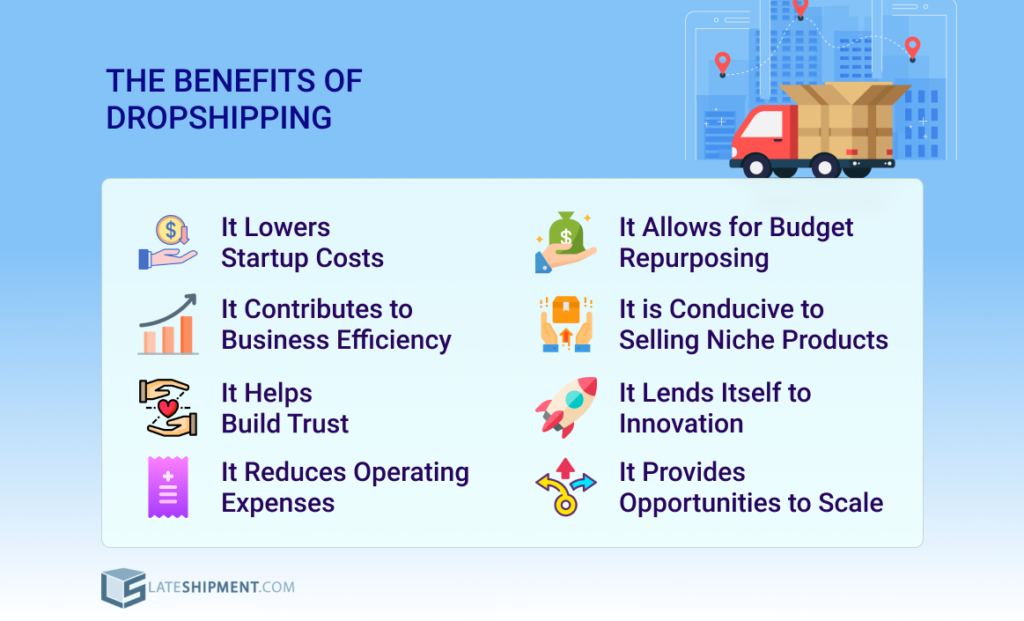
One of the most significant advantages of drop shipping is the low barrier to entry. Traditional retail businesses often require substantial investment in inventory, warehousing, and logistics. In contrast, drop shipping allows entrepreneurs to start an online store with minimal upfront costs. Since there is no need to purchase inventory until a sale is made, the financial risk is significantly reduced.
Flexibility and Scalability
Drop shipping offers unparalleled flexibility. Entrepreneurs can operate their businesses from anywhere with an internet connection, making it an ideal choice for those seeking a remote work lifestyle. Additionally, as the business grows, scaling operations is relatively easy. Entrepreneurs can add new products to their store without worrying about storage space or inventory management.
Wide Product Selection
With drop shipping, store owners can offer a vast array of products without the constraints of physical inventory. This allows entrepreneurs to test different niches and product categories without committing to large quantities of stock. If a particular product does not sell well, it can be easily removed from the store without incurring losses.
Reduced Risk
The drop shipping model minimizes financial risk. Since entrepreneurs do not invest in inventory upfront, they are less likely to face losses from unsold products. This is particularly beneficial for new business owners who may not yet understand market demand. Additionally, suppliers often handle returns and exchanges, further reducing the burden on the store owner.
Focus on Marketing and Customer Service
With the operational aspects of inventory management and shipping handled by suppliers, drop shippers can concentrate on marketing and customer service. This focus can lead to improved customer satisfaction and loyalty, as business owners can dedicate more time to engaging with customers and optimizing their marketing strategies.
Challenges of Drop Shipping
Supplier Reliability
While drop shipping offers many advantages, it is essential to choose reliable suppliers. If a supplier fails to deliver products on time or provides poor-quality items, it can negatively impact the store’s reputation. Entrepreneurs should conduct thorough research and establish strong relationships with their suppliers to mitigate this risk.
Lower Profit Margins
Drop shipping typically involves lower profit margins compared to traditional retail models. Since store owners do not purchase products in bulk, they may pay higher prices per item. This can make it challenging to compete on price, especially in saturated markets. Entrepreneurs must find ways to differentiate their offerings, such as providing exceptional customer service or unique product selections.
Inventory Management Issues
Although drop shipping eliminates the need for physical inventory, it can still present challenges related to inventory management. If a supplier runs out of stock, it can lead to canceled orders and dissatisfied customers. To address this, entrepreneurs should regularly communicate with suppliers and monitor inventory levels to ensure product availability.
Marketing and Competition
The low barrier to entry in drop shipping means that many entrepreneurs are entering the market, leading to increased competition. To succeed, business owners must develop effective marketing strategies to stand out from the crowd. This may involve investing in search engine optimization (SEO), social media marketing, and paid advertising to attract customers.
Strategies for Success in Drop Shipping
Choosing the Right Niche
Selecting the right niche is crucial for success in drop shipping. Entrepreneurs should conduct market research to identify trending products and consumer demands. A well-chosen niche can help differentiate a store from competitors and attract a loyal customer base. Consider factors such as market size, competition level, and potential profit margins when selecting a niche.
Building Strong Supplier Relationships
Establishing strong relationships with suppliers is essential for a successful drop shipping business. Entrepreneurs should communicate regularly with suppliers to ensure product availability and quality. Building trust with suppliers can lead to better pricing, faster shipping times, and improved customer service.
Effective Marketing Strategies
To thrive in the competitive drop shipping landscape, entrepreneurs must implement effective marketing strategies. This includes:
- Search Engine Optimization (SEO): Optimizing product listings and website content for search engines can help drive organic traffic to the store.
- Social Media Marketing: Utilizing platforms like Instagram, Facebook, and Pinterest can help reach a broader audience and engage with potential customers.
- Email Marketing: Building an email list allows entrepreneurs to communicate directly with customers, promoting new products and special offers.
- Influencer Marketing: Collaborating with influencers in the niche can help increase brand visibility and credibility.
Providing Excellent Customer Service
Customer service plays a vital role in the success of a drop shipping business. Entrepreneurs should prioritize customer satisfaction by responding promptly to inquiries, addressing concerns, and providing clear return policies. Positive customer experiences can lead to repeat business and referrals, which are essential for long-term success.
Utilizing Technology and Automation
Leveraging technology can streamline operations and improve efficiency in a drop shipping business. Entrepreneurs can use various tools and software to automate tasks such as order processing, inventory management, and customer communication. This allows business owners to focus on growth and strategy rather than getting bogged down in day-to-day operations.
Analyzing Data and Metrics
Data analysis is crucial for understanding customer behavior and optimizing business strategies. Entrepreneurs should track key performance indicators (KPIs) such as conversion rates, customer acquisition costs, and average order value. By analyzing this data, business owners can make informed decisions about marketing strategies, product offerings, and pricing.
Adapting to Market Trends
The e-commerce landscape is constantly evolving, and successful drop shippers must stay informed about market trends and consumer preferences. This may involve regularly updating product offerings, adjusting marketing strategies, and exploring new sales channels. By being adaptable, entrepreneurs can maintain a competitive edge and respond effectively to changing market conditions.
Conclusion
Drop shipping presents a unique opportunity for entrepreneurs to enter the e-commerce space with minimal risk and investment. The advantages of low startup costs, flexibility, and a wide product selection make it an appealing option for many. However, it is crucial to be aware of the challenges associated with this business model, such as supplier reliability and competition. By understanding both the benefits and potential pitfalls, aspiring business owners can make informed decisions and set themselves up for success in the world of drop shipping.
Word Count: 1,200
Article Summary
This article explores the advantages of drop shipping, a retail fulfillment method that allows entrepreneurs to sell products without maintaining inventory. Key benefits include low startup costs, flexibility, a wide product selection, reduced risk, and the ability to focus on marketing and customer service. However, challenges such as supplier reliability and competition must also be considered. Understanding these factors can help aspiring business owners succeed in the e-commerce landscape.
Hot Tags: Drop Shipping; E-commerce; Online Business; Retail Fulfillment; Low Startup Costs; Business Model; Supplier Management; Inventory Management; Profit Margins; Marketing Strategies; Customer Service; Niche Products; Remote Work; Business Growth; Financial Risk; Product Selection; Market Demand; Entrepreneurial Success; Digital Marketing; E-commerce Trends; Business Challenges; Supply Chain; Order Fulfillment; E-commerce Platforms; Business Opportunities; Startups; Online Retail; Business Strategy; E-commerce Solutions; Market Competition; Business Development
Related Questions & Answers
· What are the best marketing strategies for drop shipping businesses?
Effective marketing strategies for drop shipping businesses include search engine optimization (SEO), social media marketing, email marketing, and influencer collaborations.
· How do I choose a profitable niche for drop shipping?
To choose a profitable niche, conduct market research to identify trending products, assess competition levels, and evaluate potential profit margins.
· What are the legal considerations for starting a drop shipping business?
Legal considerations include understanding tax obligations, ensuring compliance with consumer protection laws, and establishing clear return and refund policies.
· How can I improve my drop shipping business’s customer service?
Improving customer service can be achieved by responding promptly to inquiries, addressing concerns effectively, and providing clear communication regarding shipping and returns.
· What tools can help automate my drop shipping business?
Tools such as order management software, inventory tracking systems, and customer relationship management (CRM) platforms can help automate various aspects of a drop shipping business.
Expanding the Article
The Future of Drop Shipping
As e-commerce continues to grow, the drop shipping model is expected to evolve. Entrepreneurs should be aware of emerging trends that could impact their businesses. For instance, the rise of sustainable and eco-friendly products is becoming increasingly important to consumers. Businesses that align with these values may find a competitive advantage in the market.
The Role of Social Media in Drop Shipping
Social media platforms are powerful tools for drop shippers. They not only serve as marketing channels but also as platforms for customer engagement. Entrepreneurs can use social media to showcase products, share customer testimonials, and create a community around their brand. Engaging content, such as videos and live streams, can enhance brand visibility and foster customer loyalty.
The Importance of Branding
In a crowded market, strong branding can set a drop shipping business apart from competitors. Entrepreneurs should invest time in developing a unique brand identity that resonates with their target audience. This includes creating a memorable logo, consistent visual elements, and a compelling brand story. A strong brand can build trust and encourage repeat purchases.
Exploring Multiple Sales Channels
While having a dedicated online store is essential, drop shippers should also consider diversifying their sales channels. Selling on platforms like Amazon, eBay, or Etsy can help reach a broader audience. Additionally, utilizing social commerce features on platforms like Instagram and Facebook can drive sales directly from social media.
Managing Customer Expectations
Clear communication is vital in managing customer expectations. Entrepreneurs should provide accurate shipping times, product descriptions, and return policies. Transparency can help build trust and reduce the likelihood of negative reviews. Additionally, providing tracking information can enhance the customer experience by keeping them informed about their order status.
Leveraging Customer Feedback
Customer feedback is invaluable for improving products and services. Entrepreneurs should actively seek reviews and testimonials from customers. This feedback can provide insights into what is working well and what needs improvement. Positive reviews can also serve as powerful marketing tools, as potential customers often rely on the experiences of others when making purchasing decisions.
Conclusion
Drop shipping presents a unique opportunity for entrepreneurs to enter the e-commerce space with minimal risk and investment. The advantages of low startup costs, flexibility, and a wide product selection make it an appealing option for many. However, it is crucial to be aware of the challenges associated with this business model, such as supplier reliability and competition. By understanding both the benefits and potential pitfalls, aspiring business owners can make informed decisions and set themselves up for success in the world of drop shipping.
As you explore the exciting world of drop shipping and consider starting your own online business, don’t miss the opportunity to discover unique products at unbeatable prices—visit LooperBuy today!
Article Summary
This article explores the advantages of drop shipping, a retail fulfillment method that allows entrepreneurs to sell products without maintaining inventory. Key benefits include low startup costs, flexibility, a wide product selection, reduced risk, and the ability to focus on marketing and customer service. However, challenges such as supplier reliability and competition must also be considered. Understanding these factors can help aspiring business owners succeed in the e-commerce landscape.
Hot Tags: Drop Shipping; E-commerce; Online Business; Retail Fulfillment; Low Startup Costs; Business Model; Supplier Management; Inventory Management; Profit Margins; Marketing Strategies; Customer Service; Niche Products; Remote Work; Business Growth; Financial Risk; Product Selection; Market Demand; Entrepreneurial Success; Digital Marketing; E-commerce Trends; Business Challenges; Supply Chain; Order Fulfillment; E-commerce Platforms; Business Opportunities; Startups; Online Retail; Business Strategy; E-commerce Solutions; Market Competition; Business Development
Related Questions & Answers
· What are the best marketing strategies for drop shipping businesses?
Effective marketing strategies for drop shipping businesses include search engine optimization (SEO), social media marketing, email marketing, and influencer collaborations.
· How do I choose a profitable niche for drop shipping?
To choose a profitable niche, conduct market research to identify trending products, assess competition levels, and evaluate potential profit margins.
· What are the legal considerations for starting a drop shipping business?
Legal considerations include understanding tax obligations, ensuring compliance with consumer protection laws, and establishing clear return and refund policies.
· How can I improve my drop shipping business’s customer service?
Improving customer service can be achieved by responding promptly to inquiries, addressing concerns effectively, and providing clear communication regarding shipping and returns.
· What tools can help automate my drop shipping business?
Tools such as order management software, inventory tracking systems, and customer relationship management (CRM) platforms can help automate various aspects of a drop shipping business.