Packing a lunch box can often feel like a mundane task, but it doesn’t have to be. With a little creativity and planning, you can transform the way you think about lunch packing. This article will explore innovative ideas, tips, and tricks to make your lunch box pack not only functional but also exciting and nutritious. Whether you’re packing for yourself, your kids, or a group outing, these strategies will help you create delicious and appealing meals that everyone will look forward to.
Table of Contents
The Importance of a Well-Packed Lunch Box
Nutritional Benefits
A well-packed lunch box is essential for maintaining energy levels throughout the day. It allows you to control the ingredients, ensuring that you include a balance of proteins, carbohydrates, and healthy fats. This balance is crucial for sustaining energy and concentration, especially for children in school or adults at work. Including a variety of food groups not only enhances the nutritional value but also makes meals more enjoyable. For instance, incorporating whole grains, lean proteins, and plenty of fruits and vegetables can help meet daily dietary recommendations.
Cost-Effectiveness
Packing your own lunch can significantly reduce food expenses. Eating out or purchasing pre-packaged meals can add up quickly. By preparing meals at home, you can save money while also making healthier choices. Additionally, buying ingredients in bulk and preparing meals in advance can further cut costs, making lunch packing a financially savvy option. For example, purchasing grains like rice or quinoa in bulk can be more economical than buying pre-packaged options. Furthermore, meal prepping can help you utilize ingredients efficiently, reducing waste and maximizing your budget.
Environmental Impact
Using reusable lunch boxes and containers helps reduce waste. By avoiding single-use plastics and disposable packaging, you contribute to a more sustainable environment. This is an important consideration for those looking to minimize their ecological footprint. Opting for eco-friendly materials not only benefits the planet but also promotes a healthier lifestyle. Many companies now offer lunch boxes made from recycled materials or biodegradable options, making it easier to make environmentally conscious choices. Additionally, using cloth napkins and reusable utensils can further decrease your environmental impact.
Choosing the Right Lunch Box
Types of Lunch Boxes
When selecting a lunch box, consider the following options:
- Bento Boxes: These are compartmentalized containers that allow for a variety of foods to be packed without mixing. They are perfect for portion control and keeping foods fresh. Bento boxes are particularly popular for their aesthetic appeal and versatility, allowing for creative presentations that can make meals more enticing.
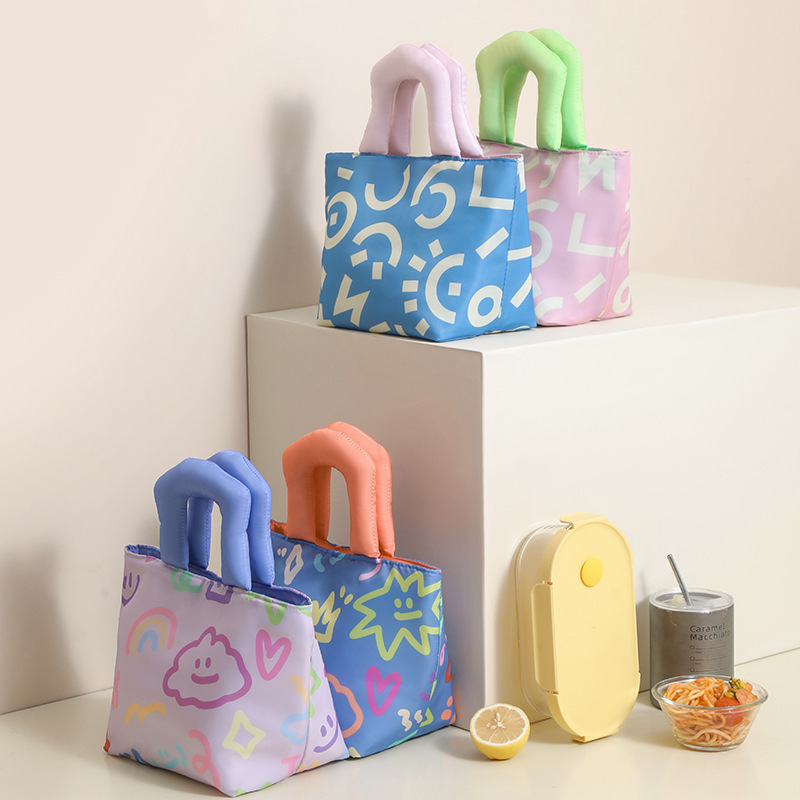
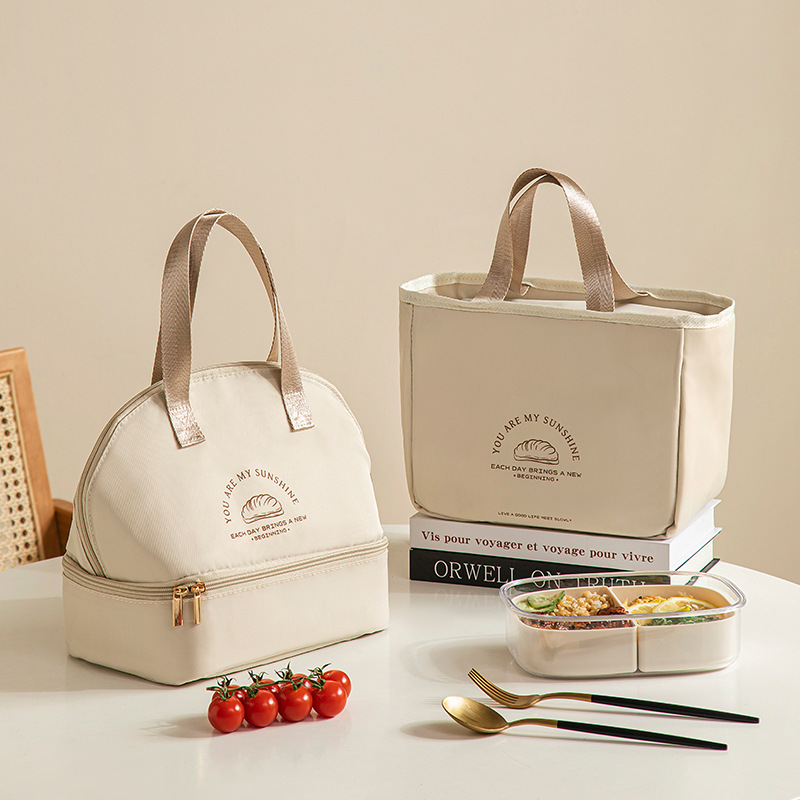
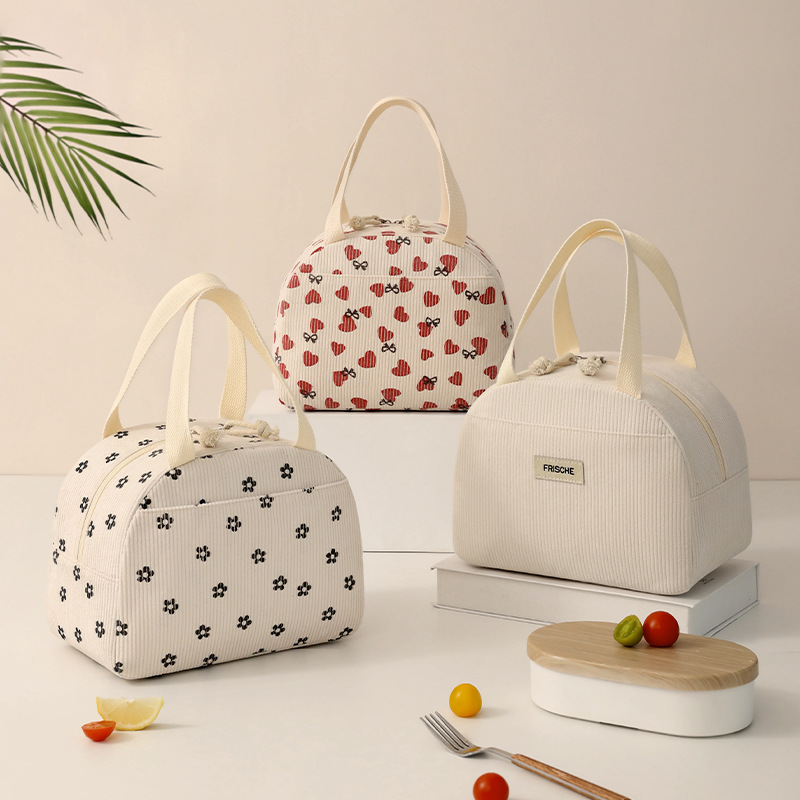
- Insulated Lunch Bags: Ideal for keeping food hot or cold, insulated bags are great for transporting meals that require temperature control. They come in various sizes and styles, making them suitable for both kids and adults. Look for bags with multiple compartments to help organize different food items.
- Traditional Lunch Boxes: These come in various designs and sizes, often featuring fun themes for kids or sleek designs for adults. Traditional lunch boxes can evoke nostalgia and make lunchtime more enjoyable. They often have a sturdy construction that can withstand daily use.
Material Considerations
The material of your lunch box can affect its durability and functionality. Common materials include:
- Plastic: Lightweight and often dishwasher safe, plastic lunch boxes are popular but may not be as durable as other materials. Look for BPA-free options to ensure safety. Some plastic containers are designed to be microwave-safe, which can be convenient for reheating meals.
- Stainless Steel: These are sturdy and often insulated, making them great for keeping food at the desired temperature. Stainless steel is also resistant to staining and odors, ensuring that your lunch box remains fresh and clean.
- Glass: While heavier, glass containers are non-toxic and do not retain odors or stains, making them a healthy choice. They are also microwave-safe, allowing for easy reheating. Many glass containers come with silicone lids that provide a tight seal to prevent leaks.
Creative Packing Ideas
Themed Lunches
One way to make lunch packing more fun is to create themed lunches. Here are a few ideas:
- Around the World: Pack foods from different cultures, such as sushi rolls, hummus with pita, or tacos. This not only introduces variety but also encourages kids to try new flavors. You can include a small note explaining the cultural significance of each dish, making lunchtime a learning experience.
- Colorful Plates: Focus on packing foods of various colors. This not only makes the meal visually appealing but also ensures a range of nutrients. For example, include red bell peppers, green cucumbers, and yellow corn. You can also use colorful containers to enhance the visual appeal of the lunch.
- DIY Lunchables: Create your own version of popular pre-packaged meals by including crackers, cheese, meats, and fruits. This allows for customization and can be a fun activity for kids. You can also include a small treat, like a piece of chocolate or a cookie, to make it feel special.
Make-Ahead Meals
Preparing meals in advance can save time and reduce stress during busy mornings. Consider these make-ahead options:
- Freezer-Friendly Meals: Prepare and freeze meals that can be easily thawed and packed. Soups, stews, and casseroles are great options. You can also freeze individual portions of fruits and vegetables for easy access. For example, freeze banana slices to add to smoothies or oatmeal.
- Batch Cooking: Cook large quantities of grains, proteins, and vegetables at the beginning of the week. Mix and match these components for different lunches throughout the week. For instance, grilled chicken can be used in salads, wraps, or as a main dish. This not only saves time but also reduces food waste.
Fun and Interactive Lunches
Engaging kids in the lunch-packing process can make it more enjoyable. Here are some interactive ideas:
- Build-Your-Own Sandwich: Pack all the components separately, allowing kids to assemble their sandwiches at lunchtime. This not only makes lunch more fun but also encourages them to eat what they like. You can include a variety of spreads, such as hummus, mustard, or mayonnaise, to add flavor.
- Snack Packs: Include a variety of small snacks, such as nuts, dried fruits, and cheese cubes, allowing for a fun and varied lunch experience. You can also add a sweet treat, like a small cookie or a piece of dark chocolate, to make it special. Consider using small containers or bags to keep snacks organized.
Incorporating Leftovers
Leftovers can be a lifesaver when it comes to lunch packing. Here are some creative ways to use them:
- Repurpose Dinner: Use leftover grilled chicken in a salad or wrap. Leftover pasta can be transformed into a cold pasta salad with veggies and dressing. This not only saves time but also reduces food waste.
- Creative Combinations: Mix and match leftovers with fresh ingredients. For example, leftover roasted vegetables can be added to a grain bowl with quinoa and a protein source. You can also create a stir-fry using leftover rice and vegetables, adding a protein for a complete meal.
Healthy Snack Options
Including healthy snacks in your lunch box can help maintain energy levels throughout the day. Here are some ideas:
- Fruits and Vegetables: Fresh fruits like apples, oranges, and berries are great options. Cut vegetables like carrots, cucumbers, and bell peppers can be paired with hummus or yogurt dip for added flavor.
- Nuts and Seeds: A small handful of nuts or seeds can provide a satisfying crunch and healthy fats. Consider packing almonds, walnuts, or pumpkin seeds.
- Whole Grain Snacks: Look for whole grain crackers or rice cakes to include in your lunch box. These can be paired with cheese or nut butter for a balanced snack.
Creative Bento Box Ideas for Adults
Bento boxes are not just for kids; they can be a stylish and practical option for adults as well. Here are some creative ideas for adult bento boxes:
- Mediterranean Delight: Pack falafel, tzatziki, cherry tomatoes, cucumber slices, and whole grain pita. This combination is not only delicious but also packed with nutrients.
- Asian-Inspired Lunch: Include sushi rolls, edamame, pickled ginger, and a small salad with sesame dressing. This bento box is both filling and refreshing.
- Protein-Packed Box: Fill your bento with grilled chicken, quinoa, roasted vegetables, and a small container of hummus. This meal is balanced and satisfying, perfect for a busy workday.
Packing a Zero-Waste Lunch
For those looking to minimize their environmental impact, packing a zero-waste lunch is a great option. Here are some tips:
- Use Reusable Containers: Opt for glass or stainless steel containers instead of plastic. These materials are durable and can be reused indefinitely.
- Cloth Napkins and Utensils: Instead of disposable napkins and cutlery, pack cloth napkins and reusable utensils. This not only reduces waste but also adds a touch of elegance to your lunch.
- Bulk Buying: Purchase snacks and ingredients in bulk to reduce packaging waste. Use your own containers when shopping to further minimize waste.
Tips for Keeping Food Fresh
Temperature Control
Maintaining the right temperature is crucial for food safety. Here are some tips:
- Use Ice Packs: Include ice packs in your lunch box to keep perishable items cool. This is especially important for dairy products and meats. You can also freeze water bottles to use as ice packs, which will keep your lunch cool and provide a refreshing drink.
- Insulated Containers: For hot foods, use insulated containers to keep meals warm until lunchtime. Preheat the container with hot water before adding the food to maintain temperature. This is particularly useful for soups, stews, and casseroles.
Avoiding Soggy Foods
To prevent soggy lunches, consider these strategies:
- Separate Wet and Dry Ingredients: Pack dressings and dips in separate containers to keep salads and veggies crisp. This prevents moisture from making other foods soggy. You can also use silicone muffin cups to separate different food items within the lunch box.
- Choose Sturdy Ingredients: Opt for ingredients that hold up well over time, such as hard cheeses, whole fruits, and sturdy vegetables. Avoid packing overly ripe fruits that may bruise easily. For example, choose apples or oranges instead of bananas.
Advanced Meal Prep Strategies
For those who want to take their lunch packing to the next level, consider these advanced meal prep strategies:
- Theme Weeks: Plan your lunches around a specific theme for the week. For example, you could have a Mediterranean week with dishes like Greek salads, falafel wraps, and hummus. This not only simplifies planning but also keeps meals interesting.
- Ingredient Rotation: Use a rotation system for your ingredients to ensure variety. For instance, if you use quinoa one week, switch to brown rice the next. This helps prevent meal fatigue and keeps your lunches exciting.
- Freezer Meals: Prepare and freeze complete meals that can be easily reheated. This is especially useful for busy weeks when you may not have time to cook. Label each meal with the date and contents for easy organization.
Engaging Kids in Lunch Packing
Involving children in the lunch packing process can foster a sense of responsibility and excitement about their meals. Here are some strategies to engage kids:
- Create a Lunch Packing Station: Set up a designated area in the kitchen where kids can help pack their lunches. Include a variety of ingredients and containers to choose from.
- Let Them Choose: Allow kids to select their favorite fruits, vegetables, and proteins for their lunch. This not only gives them a sense of ownership but also encourages them to eat what they’ve chosen.
- Fun Themes: Encourage kids to come up with fun themes for their lunches, such as “Rainbow Day” where they pack foods of different colors or “Favorite Character Day” where they include foods inspired by their favorite characters.

Conclusion
Packing a lunch box can be a creative and enjoyable process. By choosing the right containers, planning ahead, and incorporating fun themes and interactive elements, you can elevate your lunch box pack game. Not only will you save money and reduce waste, but you’ll also ensure that you and your loved ones enjoy nutritious and delicious meals every day. Embrace the art of lunch packing, and make it a delightful experience for everyone involved.
How to purchase:Online B2B sourcing platform, China purchase, Chinese suppliers – LooperBuy
Frequently Asked Questions
1. What are some easy lunch box ideas for kids?
- Consider packing a mix of proteins, fruits, and whole grains. Options like turkey and cheese wraps, fruit skewers, and veggie sticks with hummus are great choices.
2. How can I keep my lunch fresh until lunchtime?
- Use insulated containers and ice packs to maintain the right temperature for perishable items.
3. What should I avoid packing in a lunch box?
- Avoid packing foods that can spoil quickly without refrigeration, such as dairy products or meats, unless they are kept cool.
4. How can I make lunch packing easier during busy mornings?
- Prepare meals in advance and use a checklist to streamline the packing process. Consider packing lunches the night before.
5. Are there any eco-friendly lunch box options?
- Yes, look for reusable containers made from stainless steel or glass, and avoid single-use plastics to reduce waste.
Hot Tags: lunch box pack, creative lunch ideas, healthy meal prep, eco-friendly lunch containers, bento box meals, nutritious snacks, engaging kids in lunch packing, zero-waste lunch tips, advanced meal prep strategies, fun lunch themes, packing leftovers, temperature control tips, avoiding soggy foods, themed lunches, cost-effective meal planning, easy lunch box recipes, insulated lunch bags, meal prep for busy families, healthy snacks for kids, lunch packing tips, balanced meals for work, creative bento box ideas, sustainable lunch options, interactive lunch packing, diverse lunch options, packing fruits and vegetables.