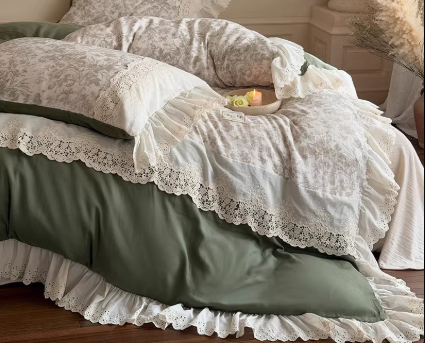
In the world of interior design, home textiles play a pivotal role in creating inviting, comfortable, and aesthetically pleasing living spaces. “Home Textiles Today” encompasses a wide range of products that contribute to the overall ambiance and functionality of a home. From bedding and bath accessories to window treatments and decorative accents, this comprehensive guide explores the latest trends, the importance of quality materials, and how to incorporate these essential elements into your home decor.
Table of Contents
Understanding Home Textiles
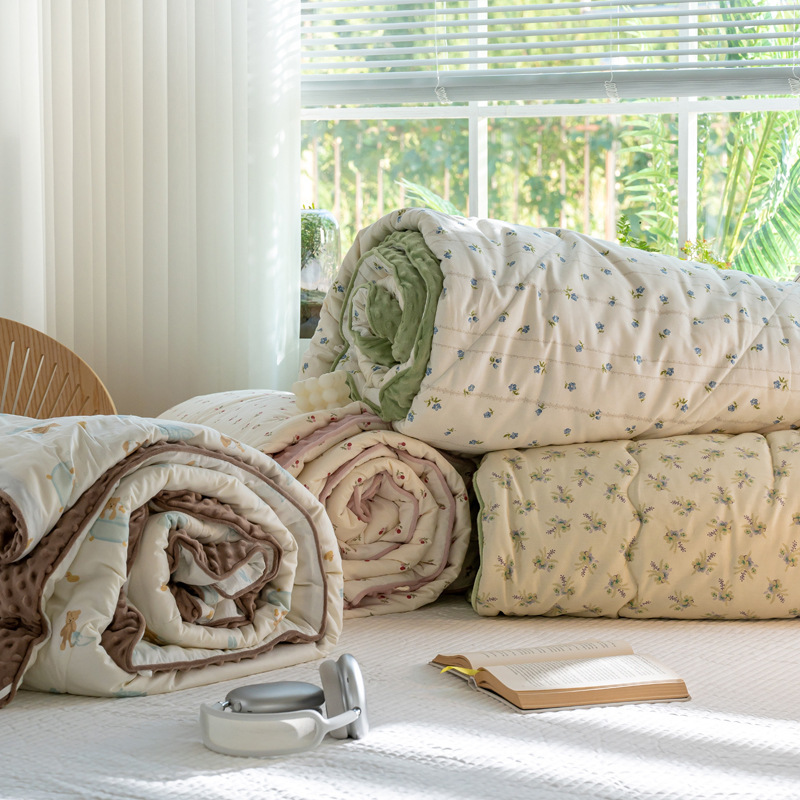
Home textiles refer to a broad category of household items made from various fabrics. These textiles serve both functional and decorative purposes, enhancing the comfort and visual appeal of your living environment. They include, but are not limited to, bedding ensembles, bath towels and rugs, curtains and drapes, table linens, and an array of decorative accessories like throw pillows and blankets.
The Evolution of Home Textiles Trends
Classic and Timeless Styles
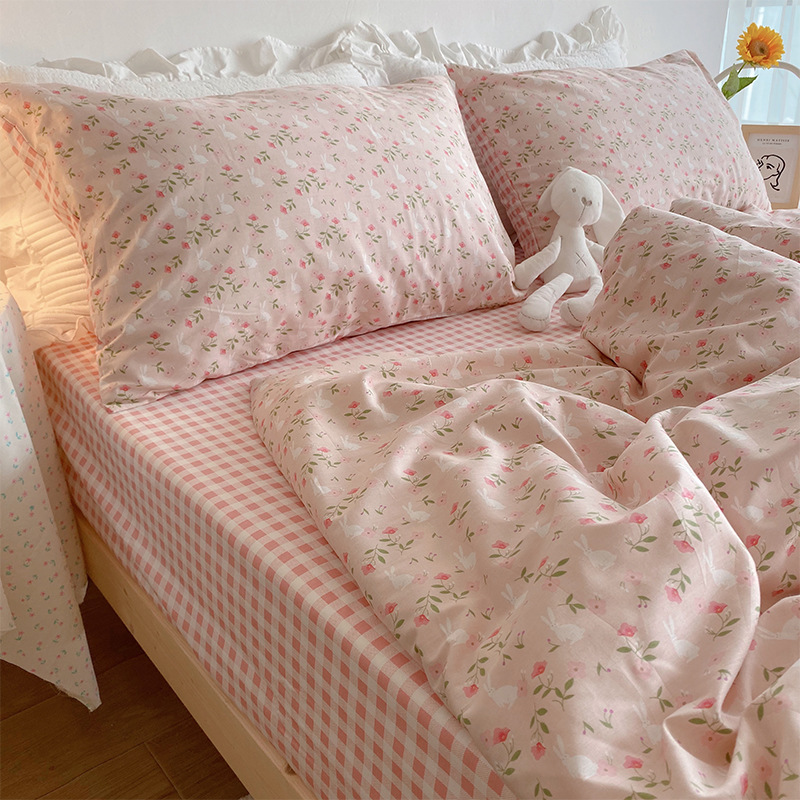
Some home textile designs stand the test of time. Traditional patterns such as stripes, checks, and floral motifs continue to be popular choices for those who prefer a classic and elegant aesthetic. These styles easily blend with various interior design themes and can be updated with contemporary color schemes to refresh their appearance.
Modern and Minimalist Trends
In recent years, modern and minimalist approaches to home decor have gained significant traction. Home textiles in this category feature clean lines, solid colors, and simple geometric patterns. The focus is on functionality and quality, with an emphasis on creating a clutter – free and serene living space. Neutral color palettes are often employed, allowing for versatility and ease of coordination with other design elements.
Bohemian and Eclectic Vibes
For those with a free – spirited and adventurous design sensibility, bohemian and eclectic home textiles offer a vibrant and personalized touch. These textiles incorporate a mix of bold patterns, rich colors, and diverse textures. They may include elements from various cultural influences, creating a unique and visually stimulating environment. Think of intricate tapestries, patchwork quilts, and tasseled cushions that add character and warmth to any room.
Sustainable and Eco – Friendly Textiles
With growing environmental awareness, sustainable and eco – friendly home textiles have become a major trend. Consumers are increasingly seeking products made from organic materials such as organic cotton, linen, and bamboo. These textiles are produced using methods that minimize the impact on the environment, avoiding harmful chemicals and promoting fair – trade practices. They not only contribute to a healthier planet but also bring a sense of responsibility and consciousness to home decor.
Smart and High – Tech Textiles
The integration of technology into home textiles represents an exciting frontier in the industry. Smart textiles are embedded with technology that can enhance comfort, convenience, and even health – related aspects of home life. For example, heated blankets with temperature controls, moisture – wicking bedding for better sleep, or curtains with built – in smart controls for light and privacy adjustments. These innovative products cater to the demand for added functionality and modern living solutions.
The Importance of Quality Materials in Home Textiles
Durability and Long – Lasting Use
Investing in home textiles made from quality materials ensures that they will withstand daily use and maintain their appearance over time. High – quality fabrics are more resistant to wear and tear, fading, and pilling. For instance, a well – crafted set of cotton bed sheets will retain their softness and color vibrancy even after numerous washes, whereas lower – quality sheets may become rough and faded much sooner.
Comfort and User Experience
The right choice of materials directly impacts the comfort level that home textiles provide. Natural fibers like cotton, wool, and silk are known for their breathability and softness against the skin. They regulate temperature and moisture, making them ideal for bedding and clothing. Synthetic fibers, when blended with natural ones, can enhance durability and add specific performance benefits, such as stain resistance or wrinkle – free properties.
Aesthetic Appeal and Texture
Quality materials offer a superior aesthetic appeal and a rich texture that enhances the overall look and feel of your home. Fabrics with interesting textures, such as velvet, linen, or chenille, add depth and dimension to your interior decor. They catch light differently and can create focal points within a room, elevating the design from plain to extraordinary.
Environmental and Health Considerations
Opting for high – quality, eco – friendly materials reduces exposure to harmful chemicals often found in conventionally produced textiles. Organic home textiles are free from synthetic fertilizers, pesticides, and toxic dyes, making them a healthier choice for individuals with allergies, asthma, or chemical sensitivities. They also contribute to a reduced environmental footprint, aligning with sustainable living values.
How to Choose the Right Home Textiles for Your Space
Assessing Your Needs and Lifestyle
Consider how each room in your home is used and the lifestyle of its occupants. For example, a family with young children or pets may prioritize stain – resistant and easy – to – clean materials for their dining table linens and upholstery. In contrast, a master bedroom may focus more on luxury and comfort, with a preference for soft, high – thread – count bedding and elegant window treatments.
Color Schemes and Design Coordination
Select home textiles that complement your existing color schemes and design style. Neutral tones provide a versatile base that can be accented with pops of color through throw pillows, blankets, or area rugs. If you have a bold design theme, look for textiles with patterns and colors that enhance the overall concept without overwhelming the space.
Space Dimensions and Proportions
Take into account the size of your rooms and the proportions of your furniture when choosing home textiles. Oversized area rugs can make a small room feel cramped, while a rug that’s too small can leave a large space looking bare. Similarly, window treatments should balance the size of the windows and the room’s dimensions, ensuring proper light control and visual harmony.
Budget Considerations
Home textiles can vary significantly in price depending on factors like material quality, brand, and design complexity. Set a budget for each category of textiles and prioritize based on what matters most to you. Remember that investing in quality may have a higher upfront cost but can save you money in the long run by reducing the need for frequent replacements.
Creative Ways to Use Home Textiles in Interior Design
Layering for Depth and Warmth
Layering different types of home textiles can add depth and a sense of coziness to your rooms. In the bedroom, combine a duvet cover with a comforter, add a throw blanket at the foot of the bed, and layer multiple pillows with varying textures and sizes. In living areas, use area rugs over hardwood floors and layer them with smaller accent rugs to define seating areas and create visual interest.
Mixing Patterns and Textures
Don’t be afraid to mix patterns and textures in your home textiles. When done thoughtfully, this can create a dynamic and personalized look. Choose a dominant pattern as a base and then incorporate complementary patterns in smaller scales or coordinating colors. Balance bold patterns with solid – colored textiles to prevent visual overload and maintain cohesion.
Seasonal Refreshes with Textiles
Update your home’s appearance for different seasons by changing key textile elements. Swap lightweight, breathable linens and light – colored bedding for warmer months with plush, heavier fabrics and richer tones for the winter season. Refresh your window treatments by switching out sheer curtains for thicker, insulated ones to enhance warmth and comfort during colder weather.
Creating Focal Points and Accents
Use home textiles to create focal points within a room. A beautifully designed area rug can anchor a seating arrangement and draw the eye, while a statement tapestry or decorative throw pillow can serve as a conversation piece. Bold window treatments can frame a view or become the highlight of a room, directing attention and enhancing the overall design.
Q: Related Questions and Answers
Q1: What Are the Most Common Types of Home Textiles?
A1: The most common types of home textiles include bedding items (such as sheets, blankets, and pillows), bath textiles (towels, bath mats, and shower curtains), window treatments (curtains, drapes, and valances), kitchen linens (tablecloths, napkins, and dish towels), and decorative accessories (throw pillows, area rugs, and decorative throws). These textiles are found in virtually every room of the home and contribute significantly to both functionality and decor.
Q2: How Can I Ensure the Home Textiles I Purchase Are Sustainable?
A2: To ensure your home textiles are sustainable, look for certifications such as GOTS (Global Organic Textile Standard) or OEKO – TEX, which verify that products meet specific environmental and social responsibility criteria. Choose natural fibers like organic cotton, hemp, or linen, and support brands that transparently communicate their sustainable practices. Additionally, consider the product’s lifecycle, including its durability and whether it can be recycled or repurposed at the end of its useful life.
Q3: What Is the Best Way to Clean and Maintain Home Textiles?
A3: The best way to clean home textiles depends on the type of fabric and product. Always check the care labels for specific instructions. Generally, washing in cold water with mild detergent helps preserve colors and fibers. Avoid overloading the washing machine, and dry textiles according to the recommended method (air – drying is often preferable to machine drying for extending the lifespan of fabrics). Regular vacuuming of rugs and dusting of surfaces can prevent dirt buildup and maintain the appearance of your textiles between washes.
Q4: Can Home Textiles Improve Indoor Air Quality?
A4: Some home textiles can positively influence indoor air quality. Natural fibers like cotton and wool are less likely to emit volatile organic compounds (VOCs) compared to synthetic fibers. They can also help regulate humidity levels and act as natural air filters by trapping dust and allergens, which can then be removed through regular cleaning. However, it’s essential to maintain textiles properly to prevent mold growth and excessive dust accumulation, which can negatively impact air quality.
Q5: Where Can I Find Unique or Custom Home Textiles?
A5: Unique or custom home textiles can be found through various avenues. Online marketplaces like Etsy offer handmade and artisan – crafted textiles from independent sellers around the world. Local craft fairs, boutique stores, and interior design studios may also feature one – of – a – kind pieces. For custom options, some textile companies allow you to choose fabrics, patterns, and dimensions to create tailored products that fit your specific needs and design vision.
Conclusion
Home textiles are an essential component of interior design, offering both aesthetic and functional benefits. By staying informed about current trends, prioritizing quality materials, and thoughtfully selecting textiles that suit your lifestyle and design preferences, you can create a home environment that is both stylish and comfortable. Whether you embrace timeless classics, modern minimalism, or eclectic mixes, home textiles provide endless opportunities to express your personal style and enhance your living spaces.
How to Purchase:https://looperbuy.com/search?keywords=home+textiles+today