In the world of children’s toys, few items capture the imagination quite like a toy dishwasher. These miniature appliances not only provide endless fun but also serve as valuable tools for teaching kids about responsibility and the importance of cleanliness. In this article, we will delve into the various aspects of children’s toy dishwashers, including their benefits, features, and how they can enhance playtime experiences.
Table of Contents
Understanding Children’s Toy Dishwashers
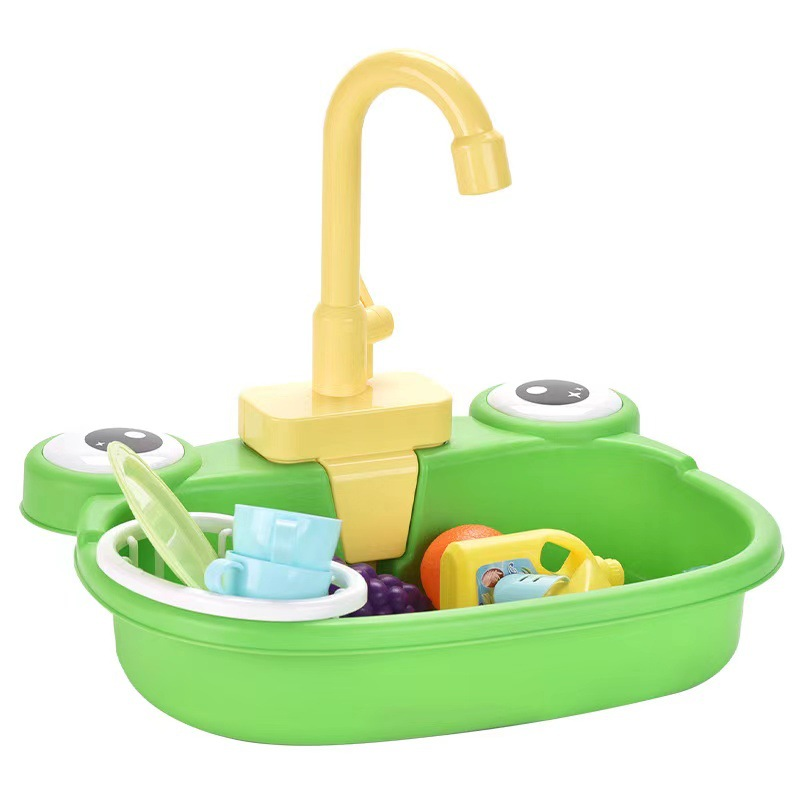
What is a Children’s Toy Dishwasher?
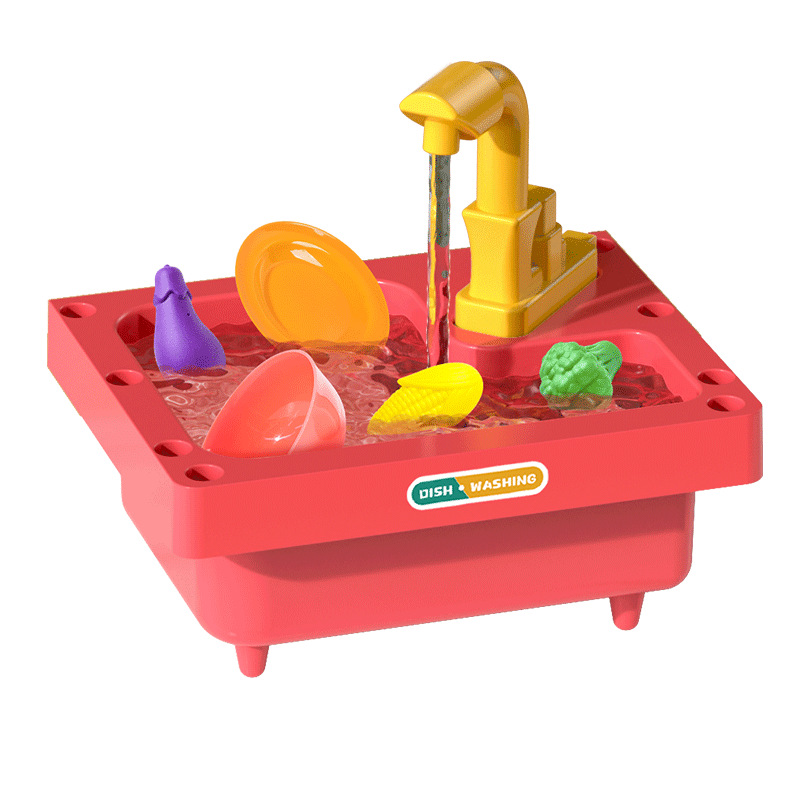
A children’s toy dishwasher is a scaled-down version of a real dishwasher, designed specifically for kids. These toys often come equipped with realistic features such as buttons, lights, and sounds, allowing children to mimic the actions of washing dishes. They are typically made from durable plastic and are safe for children to use, making them an excellent addition to any play kitchen.
The Appeal of Toy Dishwashers
The allure of toy dishwashers lies in their ability to engage children in imaginative play. Kids love to imitate adult behaviors, and a toy dishwasher allows them to participate in household chores in a fun and interactive way. This type of play not only entertains but also fosters creativity and social skills as children engage in role-playing scenarios with their peers.
Benefits of Toy Dishwashers
Encouraging Responsibility
One of the primary benefits of toy dishwashers is that they teach children about responsibility. By pretending to wash dishes, children learn the importance of cleaning up after themselves and taking care of their belongings. This early introduction to household chores can instill a sense of responsibility that carries into adulthood.
Enhancing Fine Motor Skills
Playing with a toy dishwasher can also enhance a child’s fine motor skills. The actions of loading and unloading dishes, pressing buttons, and turning dials require coordination and dexterity. These skills are crucial for a child’s development and can be improved through regular play with such toys.
Promoting Social Interaction
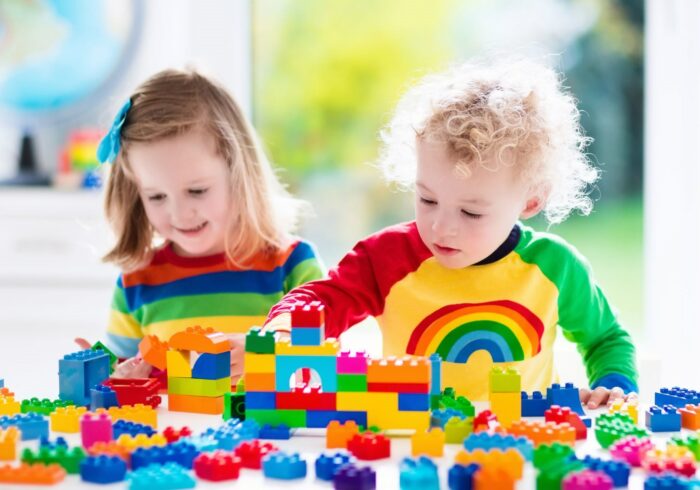
Toy dishwashers are often used in group play settings, which promotes social interaction among children. Whether they are playing together in a playroom or at a daycare, kids learn to share, cooperate, and communicate with one another. This social aspect of play is vital for developing interpersonal skills.
Educational Benefits
Toy dishwashers also offer significant educational benefits. They can help children learn about cleanliness, organization, and even basic math skills through counting dishes and sorting utensils. Additionally, they can introduce concepts of water conservation and the importance of keeping our environment clean. By engaging in pretend play, children can explore these themes in a safe and controlled environment.
Cognitive Development Through Pretend Play
Pretend play, including the use of toy dishwashers, is crucial for cognitive development. Research shows that imaginative play enhances executive function, language skills, and perspective-taking abilities. Children learn to solve problems, negotiate roles, and think creatively as they engage in these scenarios. This type of play is not just fun; it is a vital part of a child’s development, helping them build critical cognitive, social, and emotional skills.
Features to Look for in a Toy Dishwasher
Realistic Design
When choosing a toy dishwasher, look for one that closely resembles a real dishwasher. Features such as a door that opens and closes, buttons that make sounds, and compartments for dishes can enhance the play experience. A realistic design encourages imaginative play and makes the experience more engaging for children.
Safety Considerations
Safety is paramount when selecting toys for children. Ensure that the toy dishwasher is made from non-toxic materials and has no sharp edges. Additionally, check that any small parts are securely attached to prevent choking hazards.
Educational Value
Some toy dishwashers come with educational components, such as counting games or color recognition activities. These features can add an extra layer of learning to playtime, making it both fun and educational.
How to Incorporate Toy Dishwashers into Playtime
Setting Up a Play Kitchen
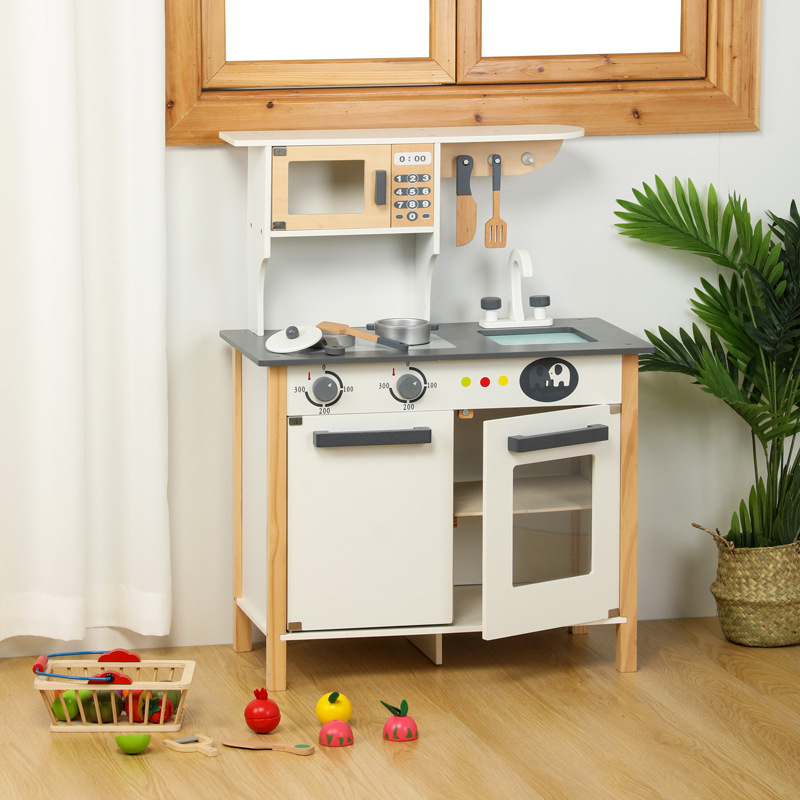
Creating a play kitchen environment can enhance the experience of using a toy dishwasher. Include other kitchen toys such as pots, pans, and food items to create a complete cooking and cleaning experience. This setup encourages children to engage in imaginative scenarios, such as preparing meals and cleaning up afterward.
Role-Playing Scenarios
Encourage children to create role-playing scenarios that involve the toy dishwasher. They can pretend to be chefs, restaurant owners, or even parents teaching their children about chores. These scenarios not only make playtime more enjoyable but also help children understand different roles and responsibilities.
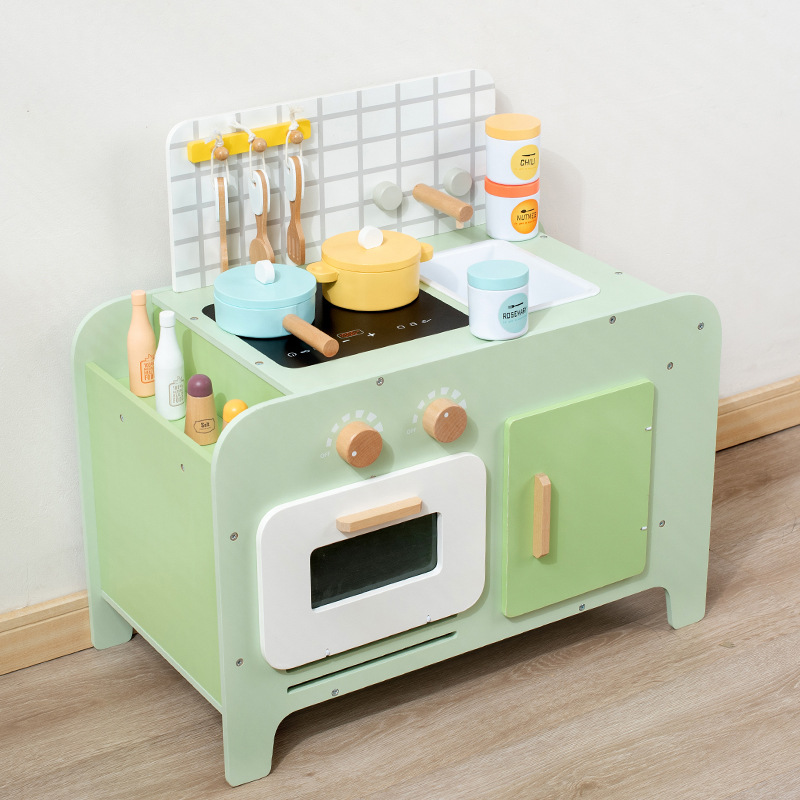
Group Play Activities
Organize group play activities where children can use the toy dishwasher together. This can be done in a playdate setting or at a daycare. Group play fosters teamwork and communication skills, as children learn to work together to complete tasks.
Popular Children’s Toy Dishwashers
Little Tikes First Dishwasher
The Little Tikes First Dishwasher is a favorite among parents and children alike. Designed for toddlers aged two and up, this toy features a working door, a sliding detergent drawer, and removable dish racks. It also includes engaging sounds that mimic real washing cycles, making it a delightful addition to any play kitchen. The realistic design encourages imaginative play while helping children develop fine motor skills and a sense of responsibility.
Contemporary White Toy Dishwasher
Another popular option is the Contemporary White Toy Dishwasher from Whitney Brothers. This stylish toy features a modern design with real cabinet handles and knobs that click, providing an authentic play experience. The dishwasher is designed to inspire hours of imaginative play, making it a great addition to any child’s toy collection.
ROBUD Wooden Dishwasher Playset
For those looking for a more traditional option, the ROBUD Wooden Dishwasher Playset offers a charming alternative. This wooden toy is not only durable but also aesthetically pleasing, making it a great addition to any playroom. It comes with storage baskets, plates, bowls, and detergent, allowing children to engage in realistic play scenarios.
Cleaning and Maintenance of Toy Dishwashers
Regular Cleaning
Just like real dishwashers, toy dishwashers can get dirty from regular use. It’s essential to clean them periodically to ensure they remain safe and hygienic for play. Use mild soap and water to wipe down the surfaces, and ensure that any electronic components are kept dry.
Safe Storage
When not in use, store the toy dishwasher in a safe place to prevent damage. Keeping it in a designated play area can also help children learn to put their toys away after playtime, reinforcing the lessons of responsibility and organization.
Creative Ways to Use Toy Dishwashers for Learning
Teaching Water Conservation
Toy dishwashers can be a fun way to introduce children to the concept of water conservation. Parents can explain how real dishwashers use less water than washing dishes by hand and encourage children to think about ways to save water during play. For example, they can simulate washing dishes with a limited amount of water, discussing the importance of not wasting resources.
Incorporating Math Skills
Parents can use toy dishwashers to help children practice basic math skills. For instance, they can ask children to count the number of dishes they are loading into the dishwasher or to sort utensils by size or type. This not only makes playtime educational but also reinforces important skills in a fun and engaging way.
Exploring Environmental Awareness
Using a toy dishwasher can also be an opportunity to discuss environmental awareness. Parents can talk about the importance of keeping our surroundings clean and how washing dishes properly contributes to a healthier environment. This can lead to discussions about recycling, composting, and other eco-friendly practices.
The Importance of Pretend Play in Child Development
Cognitive and Emotional Growth
Pretend play is essential for cognitive and emotional development. It allows children to explore different roles and scenarios, which helps them understand the world around them. Through imaginative play, children develop critical thinking skills, enhance their vocabulary, and learn to express their emotions. This type of play also provides a safe space for children to process their feelings and experiences, contributing to their emotional resilience.
Social Skills Development
Engaging in pretend play with others fosters social skills. Children learn to cooperate, negotiate, and empathize as they interact with their peers. They practice taking turns, sharing, and resolving conflicts, which are vital skills for future social interactions. Pretend play also helps children develop a theory of mind, allowing them to understand that others may have different thoughts and feelings.
Creativity and Problem-Solving
Imaginative play encourages creativity and problem-solving. Children are free to experiment with different ideas and scenarios, which enhances their ability to think outside the box. This creative thinking is crucial for innovation and adaptability in later life. By navigating various pretend situations, children learn to approach problems from different angles and develop solutions.
Building Confidence and Self-Esteem
Role-playing scenarios can significantly boost a child’s confidence and self-esteem. When children take on different roles, they gain a sense of accomplishment and mastery over new skills. This confidence can translate into other areas of their lives, encouraging them to tackle challenges and try new things. As they successfully navigate various pretend situations, children learn to trust their abilities and develop a positive self-image.
Language Development
Pretend play is also instrumental in language development. As children engage in role-playing, they use dialogue to express their thoughts and feelings, which helps expand their vocabulary and improve their communication skills. They learn to articulate their ideas clearly and practice using new words in context. This active engagement in conversation fosters language acquisition and enhances their storytelling abilities.
Emotional Regulation
Through pretend play, children can explore and express a range of emotions. They might act out scenarios that involve joy, sadness, anger, or fear, allowing them to process these feelings in a safe environment. This practice helps children develop emotional regulation skills, enabling them to manage their emotions more effectively in real-life situations. By understanding and expressing their feelings, children can build resilience and cope with challenges more adeptly.
Understanding Social Norms
Pretend play also helps children learn about social norms and expectations. By acting out various roles, they gain insights into how to behave in different situations, such as sharing, cooperating, and resolving conflicts. This understanding is crucial for navigating social interactions and building healthy relationships with peers. As children engage in role play, they internalize social rules and learn to adapt their behavior accordingly.
Conclusion
Children’s toy dishwashers are more than just fun playthings; they are valuable tools for teaching responsibility, enhancing fine motor skills, and promoting social interaction. By incorporating these toys into playtime, parents and caregivers can provide children with enriching experiences that foster creativity and learning. As children engage in imaginative play, they not only enjoy themselves but also develop essential life skills that will benefit them in the future.
How to purchase:Online B2B sourcing platform, China purchase, Chinese suppliers – LooperBuy
Frequently Asked Questions
1. What age is appropriate for a children’s toy dishwasher?
Children aged 3 and up are typically ready to enjoy a toy dishwasher, as they can understand the concept of pretend play and follow simple instructions.
2. Are toy dishwashers safe for children?
Yes, as long as they are made from non-toxic materials and do not have small parts that can pose choking hazards.
3. How can I clean a toy dishwasher?
Use mild soap and water to wipe down the surfaces. Ensure that any electronic components are kept dry.
4. Can children learn responsibility from using a toy dishwasher?
Absolutely! Pretend play with a toy dishwasher teaches children about cleaning up after themselves and taking care of their belongings.
5. What features should I look for in a toy dishwasher?
Look for realistic designs, safety features, and educational components that enhance the play experience.
HOT TAG: children’s toys, toy dishwasher, imaginative play, learning through play, kids’ kitchen toys, responsibility, fine motor skills, social interaction, educational toys, pretend play, cognitive development, emotional growth, creativity, problem-solving, environmental awareness, water conservation, social skills, role-playing, child development, educational benefits, interactive learning, family bonding, hands-on learning, role play, confidence building, language development, emotional regulation, understanding social norms, social skills training.