Table of Contents
Introduction
When the chill of autumn and winter sets in, a wool scarf becomes an essential accessory in any wardrobe. Not only does it provide warmth, but it also adds a touch of style and personality to your outfit. Wool scarves have been a fashion staple for centuries, evolving in design, texture, and functionality. In this comprehensive guide, we will delve into the world of wool scarves, exploring their types, benefits, styling tips, and care instructions. Whether you’re a fashion enthusiast or simply looking for a practical way to stay warm, this guide will equip you with all the knowledge you need to choose and care for the perfect wool scarf.
The Charm of Wool Scarves
A Blend of Warmth and Style
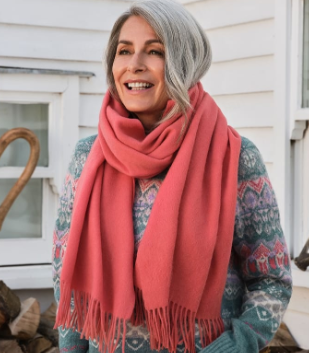
Wool scarves are renowned for their exceptional warmth, making them ideal for cold weather. The natural insulating properties of wool help retain body heat, keeping you comfortable even in the harshest winter conditions. Beyond their practicality, wool scarves serve as versatile fashion statements. They can elevate a simple outfit, add a pop of color, or introduce interesting textures to your ensemble.
Timeless Appeal
Wool scarves have stood the test of time, remaining relevant across fashion trends and cultural contexts. From the classic cashmere scarves of the 19th century to the chunky knits popular in modern streetwear, wool scarves continue to adapt and inspire. Their timeless appeal lies in their ability to blend tradition with innovation, offering something for every taste and occasion.
Types of Wool Scarves
Merino Wool Scarves
Merino wool is prized for its softness and lightweight feel. Scarves made from this material are perfect for those who desire warmth without the bulk. Merino wool scarves are ideal for layering under coats or pairing with lighter outfits. Their smooth texture and easy drape make them a favorite among fashion-conscious individuals.
Cashmere Wool Scarves
Cashmere, derived from the soft undercoat of Cashmere goats, is one of the most luxurious fibers available. Cashmere wool scarves are incredibly soft, lightweight, and exceptionally warm. They are often associated with high-end fashion and make for exquisite gifts. The natural sheen and smoothness of cashmere add a touch of elegance to any outfit.
Lambswool Scarves
Lambswool comes from the first shearing of a sheep, making it especially soft and fine. Lambswool scarves offer a balance between affordability and quality. They are durable, warm, and have a gentle texture that is comfortable against the skin. These scarves are available in a wide range of colors and patterns, making them accessible to a broad audience.
Shetland Wool Scarves
Shetland wool is known for its fineness and softness. Scarves made from this wool are lightweight yet warm, with a distinctive texture that adds visual interest to any outfit. Shetland wool scarves often feature traditional patterns and are a nod to heritage craftsmanship.
Benefits of Wool Scarves
Natural Insulation
Wool is a natural insulator, trapping warm air close to the body and providing excellent protection against the cold. Unlike synthetic materials, wool can absorb moisture without feeling clammy, keeping you dry and comfortable in varying weather conditions.
Breathability
Wool allows for breathability, preventing overheating and ensuring that your skin can breathe. This natural quality makes wool scarves comfortable to wear for extended periods, even during physical activities.
Durability
Wool is a strong and resilient fiber, capable of withstanding frequent use and wear. A well-maintained wool scarf can last for many years, making it a sustainable addition to your wardrobe.
Versatility in Styling
Wool scarves can be styled in numerous ways to suit different occasions. They can be casually draped around the neck, wrapped in multiple layers for extra warmth, or tied in various knots to create unique looks. This versatility allows you to experiment with different styles and express your personal fashion sense.
How to Choose the Right Wool Scarf
Consider the Wool Type
Different types of wool offer varying levels of warmth, softness, and texture. Consider your preferences and the intended use of the scarf. For everyday wear in moderately cold weather, Merino wool or lambswool may be sufficient. For extreme cold or special occasions, cashmere or a cashmere-wool blend would be ideal.
Size and Dimensions
Wool scarves come in various sizes, from narrow neck warmers to oversized wraps. Think about how you plan to wear the scarf. A longer scarf can be wrapped multiple times for warmth or draped elegantly, while a shorter scarf may be more convenient for quick errands.
Color and Pattern
Choose colors and patterns that complement your wardrobe and personal style. Neutral tones like black, gray, and beige are versatile and easy to match with different outfits. Bold colors and patterns can add a statement piece to your ensemble and showcase your individuality.
Feel and Texture
Pay attention to the texture of the wool. Some scarves have a smooth, fine weave, while others feature a chunky, cable-knit texture. Consider how the texture will feel against your skin and how it will complement your outfit.
Styling Tips for Wool Scarves
Casual Outfits
Pair a wool scarf with a simple sweater and jeans for a cozy, everyday look. The scarf adds warmth and a touch of style without overpowering the outfit. For a more relaxed vibe, choose a scarf with a subtle pattern or solid color.
Formal Attire
A wool scarf can elevate formal attire by adding texture and depth. Opt for a fine-knit scarf in a neutral color to complement a suit or dress. The scarf can be draped neatly around the neck or tied in a simple knot for a sophisticated finish.
Layering
Wool scarves are perfect for layering. Wear them over turtlenecks, under coats, or paired with jackets. The scarf adds an extra layer of warmth and creates visual interest through contrasting textures and colors.
Accessorizing
Use a wool scarf as a focal point in your outfit. Pair it with minimal jewelry to draw attention to the scarf’s color and texture. A stylish wool scarf can serve as the centerpiece of your ensemble, showcasing your fashion sense.
Care and Maintenance of Wool Scarves
Proper Cleaning
Wool scarves should be hand-washed in cold water with a gentle detergent to preserve their shape and texture. Avoid wringing the scarf; instead, gently press out the excess water. Lay the scarf flat to dry away from direct sunlight. For heavily soiled scarves, dry cleaning is recommended.
Storage
Store wool scarves in a cool, dry place. Fold them neatly or roll them to maintain their shape. Avoid hanging scarves, as this can cause them to stretch and lose their form. Keep them in a breathable cotton bag or tissue paper to protect from moths and dust.
Preventing Damage
Protect wool scarves from sharp objects that could snag the fibers. Be cautious with jewelry that has rough edges or points. Regularly check the scarf for signs of wear and address any small snags promptly to prevent them from becoming larger issues.
Moth Prevention
Moths can be a threat to wool items. Store scarves with cedar blocks, lavender sachets, or mothballs to repel moths. Ensure that scarves are clean before storage, as moths are attracted to residual food or sweat odors.

The Environmental and Ethical Considerations of Wool Scarves
Sustainable Sourcing
Wool is a renewable resource, as sheep are sheared annually without harm. Choosing scarves made from ethically sourced wool supports sustainable farming practices and animal welfare. Look for certifications like the Responsible Wool Standard (RWS) to ensure your scarf comes from responsible sources.
Longevity and Reusability
The durability of wool scarves means they can be worn for many years, reducing the need for frequent replacement. This longevity contributes to a more sustainable wardrobe. When a scarf eventually reaches the end of its life, it can be repurposed into smaller items like patches or cleaning cloths.
Supporting Local Artisans
Many wool scarves are handcrafted by skilled artisans, particularly in regions with a tradition of wool textiles. By purchasing these scarves, you support local economies and preserve traditional crafting techniques. Fair trade certifications can help identify scarves that benefit the communities producing them.
Conclusion
Wool scarves are more than just accessories; they are versatile companions that provide warmth, style, and a connection to heritage. By understanding the different types of wool, how to choose and care for scarves, and the environmental and ethical considerations, you can make informed decisions that enhance your personal style while promoting sustainability. Whether you’re wrapping yourself in the luxury of cashmere or the practicality of Merino wool, a wool scarf is a wardrobe essential that combines functionality with fashion.
How to Purchase:https://looperbuy.com/search?keywords=wool+scarf
Questions and Answers About Wool Scarves
Q: How can I tell if a wool scarf is made from 100% wool?
Check the label for fiber content; 100% wool will be clearly indicated. Conduct a burn test by burning a small fiber snippet; wool smells like burning hair and forms a hard,脆的灰烬. Perform a touch test—real wool feels slightly coarse but warm, whereas synthetic alternatives may feel overly smooth or cold.
Q: How often should I wash my wool scarf?
Wool scarves should be washed sparingly to preserve their texture and shape. Spot clean as needed and wash after 5-10 wears, depending on usage. Follow the care instructions provided with the scarf.
Q: Can I machine wash a wool scarf?
Some wool scarves are machine washable on a gentle cycle with cold water and a wool-specific detergent. Always check the care label first to avoid damaging the scarf. Use a mesh laundry bag to protect the scarf during washing.
Q: How do I remove a snag from my wool scarf?
Gently pull the snag outward to form a loop. Use a yarn needle or crochet hook to weave the loop back into the scarf’s weave. For larger snags or holes, consult a professional repair service to maintain the scarf’s integrity.
Q: What is the difference between Merino wool and regular wool scarves?
Merino wool scarves are made from the fine, soft wool of Merino sheep. They are more lightweight, soft, and less itchy compared to regular wool scarves. Regular wool scarves may feel coarser and heavier. Merino wool is also known for its better temperature regulation and odor-resistant properties.