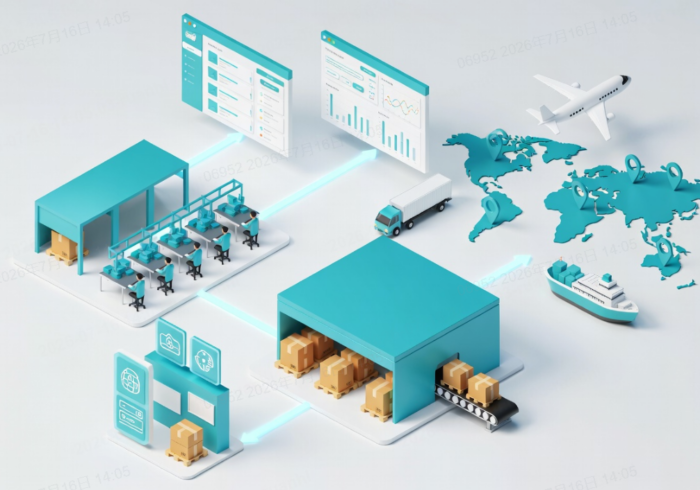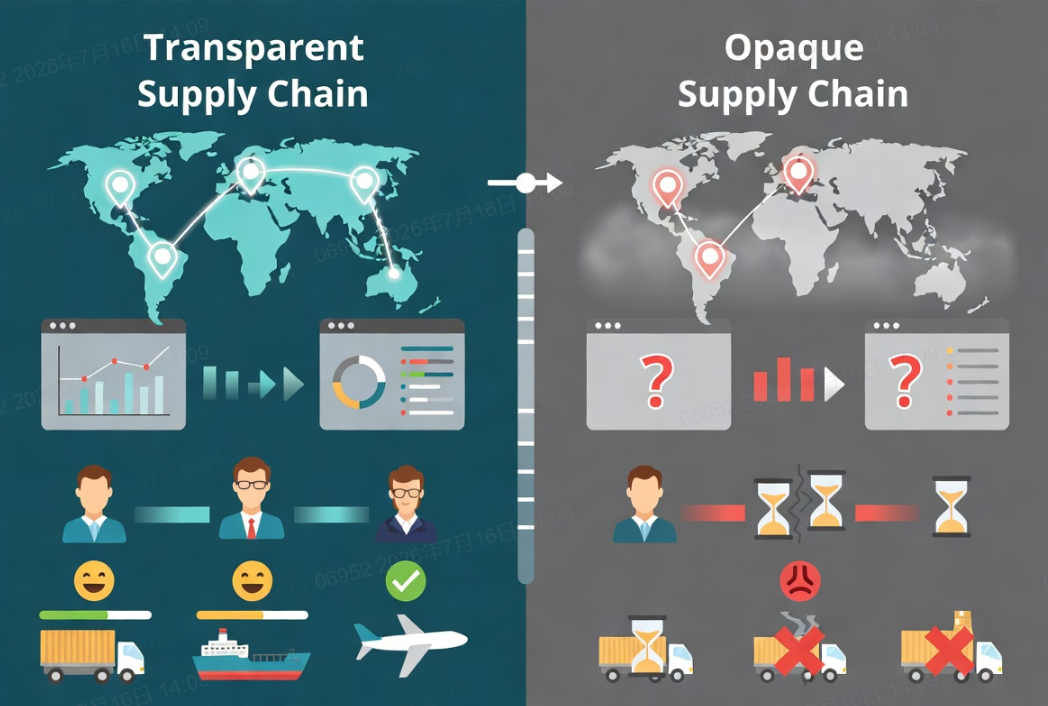
This in-depth article explains why supplier transparency is essential in global sourcing, covering risk reduction, cost control, compliance, and digital transformation. It highlights how platforms like Looperbuy enable efficient, transparent supply chains that support scalable B2B growth.
In today’s interconnected supply chains, supplier transparency in global sourcing is no longer optional—it is a competitive necessity. From years of working alongside B2B manufacturers, procurement managers, and sourcing specialists, one pattern is clear: companies that succeed globally are those that operate with high visibility across their entire supply chain.
Transparency goes beyond knowing who your supplier is. It means understanding how products are made, where costs originate, how logistics are managed, and what risks exist at every stage. For platforms like Looperbuy—designed to simplify China sourcing and dropshipping—transparency is the engine that drives efficiency, trust, and scalable growth.
Table of Contents
What Is Supplier Transparency in Global Sourcing?
Supplier transparency refers to the ability of buyers to access accurate, real-time, and verifiable information about their suppliers and sourcing processes.
This includes visibility into:
– Manufacturing processes and factory conditions
– Detailed pricing structures and cost breakdowns
– Compliance certifications and regulatory adherence
– Production timelines and fulfillment capabilities
– Logistics tracking and delivery performance
In global sourcing, especially when working with overseas suppliers, transparency eliminates blind spots and enables data-driven decision-making instead of guesswork.
Why Supplier Transparency Matters More Than Ever
1. Reduces Risk in Cross-Border Procurement
Global sourcing introduces inherent risks—geographical distance, regulatory differences, and communication barriers.
Without transparency, businesses face:
– Product quality inconsistencies
– Unpredictable delivery schedules
– Hidden fees and unexpected cost increases
– Supplier fraud or unreliable partnerships
With transparent sourcing systems, buyers can validate supplier claims before committing, significantly reducing operational and financial risks.
Example:
A U.S.-based industrial equipment importer sourcing CNC machine parts can use transparent supplier data—such as inspection reports and production videos—to avoid defective shipments and costly returns.
2. Improves Cost Control and Profit Margins
One of the most overlooked advantages of supplier transparency is cost clarity.
Instead of relying on a single quoted price, transparent sourcing reveals:
– Raw material fluctuations
– Labor and manufacturing costs
– Packaging and handling fees
– Shipping and customs expenses
This allows buyers to:
– Negotiate more effectively
– Optimize sourcing strategies
– Protect profit margins
For B2B distributors operating at scale, even a 5–10% cost improvement can significantly impact overall profitability.
3. Enhances Supply Chain Agility
Modern supply chains must respond quickly to disruptions such as:
– Port congestion
– Geopolitical shifts
– Raw material shortages
Transparency enables:
– Real-time production monitoring
– Inventory visibility across suppliers
– Faster switching between alternative suppliers
Looperbuy centralizes these insights, allowing businesses to adapt quickly without losing control over operations.
4. Builds Long-Term Supplier Relationships
Transparency creates a foundation of trust and accountability.
When suppliers are open about:
– Capacity limitations
– Lead times
– Potential delays
Buyers can plan more accurately and avoid conflicts.
Over time, this leads to:
– Stronger partnerships
– Better pricing agreements
– Priority production access
The Role of Transparency in China Sourcing
China remains a dominant force in global manufacturing, particularly in:
– Industrial equipment
– Electronics
– Machinery components
– Construction materials
However, sourcing from China also introduces challenges:
– Fragmented supplier ecosystems
– Inconsistent quality standards
– Language and communication gaps
– Complex export logistics
How Looperbuy Bridges the Transparency Gap
Looperbuy addresses these issues by providing:
– Verified supplier networks with background checks
– Unified dashboards for order and logistics tracking
– Clear and standardized pricing models
– Integrated dropshipping solutions for global delivery
This eliminates the need for buyers to coordinate across multiple disconnected suppliers, reducing errors and improving efficiency.
Industry Insight: Data on Transparency and Buyer Behavior
Market data continues to reinforce the importance of transparency:
– McKinsey reports that over 70% of B2B buyers prioritize supply chain visibility
– Deloitte finds that transparent supply chains can reduce disruptions by up to 20%
– IBM research shows that traceability influences purchasing decisions across global markets
These trends are especially relevant in sectors with complex supply chains, including:
– Automotive manufacturing
– Heavy machinery
– Electronics and semiconductors
– Industrial tooling
Digital Transformation and Transparency Technologies
The evolution of supplier transparency is closely tied to digital transformation.
Key Technologies Driving Transparency
– AI and predictive analytics: Identify risks before they occur
– Blockchain: Provides immutable records of transactions and product origins
– IoT tracking: Enables real-time monitoring of shipments and inventory
– Cloud-based sourcing platforms: Centralize supplier data and communication
Example:
A manufacturer using IoT-enabled tracking can monitor shipments in real time, reducing delays and improving delivery accuracy.
Transparency as a Competitive Differentiator
In highly competitive B2B markets, transparency is becoming a key differentiator rather than just an operational improvement.
Companies that prioritize transparency can:
– Win contracts with large enterprise buyers
– Meet stricter compliance requirements
– Build stronger brand credibility
Buyers increasingly prefer suppliers who can provide clear documentation and traceability, especially in regulated industries.
Practical Steps to Evaluate Supplier Transparency
To ensure you are working with transparent suppliers, follow this structured process:
1. Verify Supplier Credentials
Check for:
– Business registration documents
– Export licenses
– Industry certifications (ISO, CE, etc.)
2. Request Detailed Quotations
Ensure quotations include:
– Itemized cost breakdowns
– Minimum order quantities
– Production timelines
3. Conduct Third-Party Verification
Use:
– Inspection agencies
– Platform-based verification systems
– Supplier audits
4. Assess Communication Quality
Evaluate:
– Response speed
– Clarity of information
– Willingness to share documentation
5. Monitor Logistics Transparency
Look for:
– Real-time shipment tracking
– Warehouse updates
– Delivery performance metrics
Common Transparency Gaps (and How to Avoid Them)
Even experienced sourcing professionals encounter these issues:
– Hidden costs: Request full cost breakdowns upfront
– Production delays: Use milestone-based tracking
– Quality inconsistencies: Implement pre-shipment inspections
– Lack of accountability: Work with verified sourcing platforms
Case Example: Scaling Without Inventory Risk
A mid-sized North American distributor in construction machinery parts faced:
– High warehousing costs
– Supplier inconsistency
– Long procurement cycles
By adopting a transparent sourcing and dropshipping model via Looperbuy, the company achieved:
– Zero inventory holding costs
– Faster product launches
– Improved supplier reliability
This demonstrates how transparency enables lean and scalable operations.
Transparency and Compliance in Global Trade
Regulatory compliance is becoming increasingly complex in global trade.
Transparent suppliers help businesses comply with:
– Import/export regulations
– Environmental standards
– Labor and ethical sourcing requirements
Failure to ensure compliance can result in:
– Shipment delays
– Legal penalties
– Reputational damage
Transparency ensures that businesses can trace every step of the supply chain, reducing compliance risks.
The Future of Supplier Transparency
The future of global sourcing will be shaped by:
– Automated supplier verification systems
– End-to-end digital supply chain visibility
– AI-driven sourcing recommendations
– Greater integration between sourcing and logistics platforms
Companies that adopt these innovations will gain advantages in:
– Cost efficiency
– Speed to market
– Risk management
How to Leverage Transparency for Competitive Advantage
To fully benefit from supplier transparency:
– Integrate sourcing platforms like Looperbuy into operations
– Standardize supplier evaluation frameworks
– Use data analytics for decision-making
– Build long-term, trust-based supplier relationships
If your business is looking to reduce sourcing risks, improve cost efficiency, and gain full visibility into your supply chain, Looperbuy provides a powerful solution.
FAQ: Supplier Transparency in Global Sourcing
1. What is supplier transparency in global sourcing?
It refers to having clear, accurate, and accessible information about suppliers, including pricing, production, and logistics.
2. Why is transparency critical in China sourcing?
It helps mitigate risks related to quality issues, delays, and hidden costs.
3. How can I ensure a supplier is trustworthy?
Use certifications, third-party inspections, and verified platforms like Looperbuy.
4. Does transparency increase costs?
No. It often reduces total costs by eliminating inefficiencies and hidden fees.
5. Which industries benefit most from transparency?
Industries with complex supply chains such as manufacturing, automotive, electronics, and construction.
6. What role does technology play in transparency?
Technologies like AI, blockchain, and IoT enable real-time tracking and data-driven decision-making.
References
– McKinsey & Company – Supply Chain Visibility Insights [mckinsey]
– Deloitte – Global Supply Chain Report [deloitte]
– IBM – Supply Chain Transparency Study [ibm]
– World Bank – Logistics Performance Index [worldbank]
– Harvard Business Review – Supply Chain Strategy [hbr]