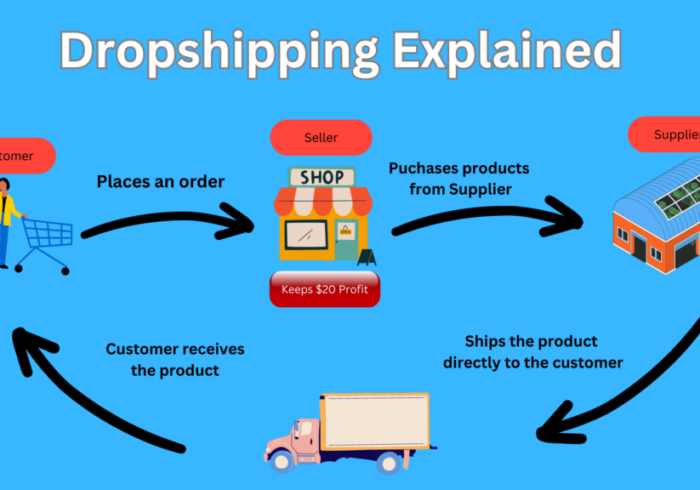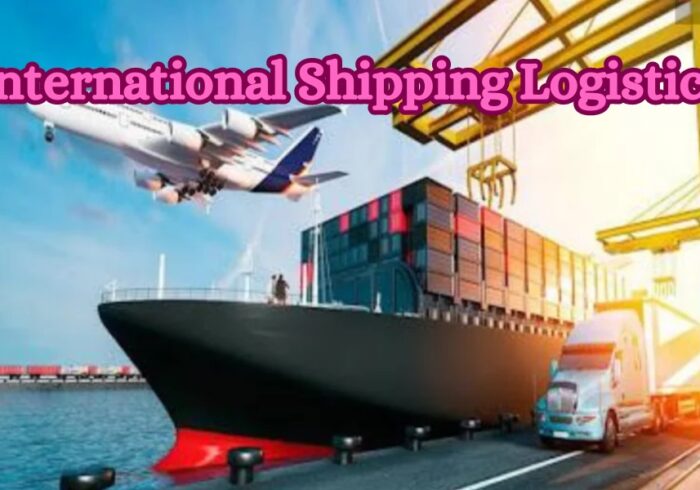
The digital revolution has fundamentally altered the landscape of international procurement. For modern entrepreneurs, the barrier to entry for importing goods from overseas has shifted from physical travel and complex networking to the ability to navigate sophisticated B2B marketplaces. When searching for the best China site for wholesale, the goal is not merely to find a list of suppliers, but to identify ecosystems that provide security, quality assurance, and streamlined logistics. As the global market becomes increasingly competitive, sourcing efficiently has become the cornerstone of retail success. Understanding how to leverage these platforms can mean the difference between a thriving business and one stalled by logistical hurdles.
Table of Contents
The Evolution of B2B E-commerce in China
China has established itself as the world’s manufacturing powerhouse, and its transition to high-tech B2B platforms has made it easier than ever for small and medium-sized enterprises to access factory-direct pricing. The platforms available today provide far more than a simple directory; they offer integrated financial services, quality inspection tools, and shipping solutions that were once reserved for large corporations with massive procurement budgets.
Defining Your Sourcing Strategy
Before diving into any platform, it is essential to have a clear understanding of your business model. Are you looking for private-label goods, ready-to-ship products, or custom manufacturing? Different platforms cater to these various needs. For instance, some sites focus heavily on rapid delivery and small-batch orders, which are ideal for startups or retailers testing new products. Others are geared toward long-term manufacturing contracts, offering lower unit costs at the expense of higher minimum order quantities. Identifying your specific requirements will drastically narrow down which site is the most effective for your goals. If your business relies on rapid inventory turnover, look for platforms that highlight “Ready to Ship” inventory. Conversely, if you are building a unique brand identity, focus your search on manufacturers who specialize in OEM and ODM services.
Evaluating Platform Trust and Security
A major concern for anyone buying internationally is the risk of fraud or low-quality goods. The best sites have addressed this by implementing robust trade assurance programs. These systems act as a neutral third party, holding your payment until you have confirmed that the goods meet the agreed-upon quality standards. Always prioritize platforms that offer these protections, as they provide a necessary safety net in the early stages of a supplier relationship. Beyond just the platform protection, investigate the supplier’s history of dispute resolution. Platforms often display a rating based on responsiveness and transaction history, which can be an excellent indicator of reliability. Do not be afraid to reach out to their previous clients if the platform facilitates such networking; peer reviews are often more revealing than promotional materials.
Key Features of Leading Wholesale Marketplaces
When choosing a platform, you must weigh several factors, including the number of suppliers, the ease of communication, and the availability of support tools. Each major site has its own personality and strengths.
Assessing Supplier Transparency and Certification
The credibility of a supplier is often reflected in the depth of information available on their profile. Look for manufacturers that provide verified business registration documents, certificates of compliance for specific industries, and evidence of previous export success. A truly professional site will facilitate the display of this data, allowing you to filter out less-reliable vendors. High-quality platforms often include badges or status indicators that represent verified factory audits, which are invaluable for those who cannot personally visit the factory floor. These audits, often conducted by independent third-party inspection agencies, provide a report on the factory’s production capacity, worker conditions, and quality management systems. Reviewing these reports can save you significant headaches, as they offer an objective assessment of whether a supplier is capable of meeting your specific quality requirements consistently over time.
Communication Tools and Language Support
Successful sourcing hinges on clear communication. Cultural and language barriers can lead to costly errors in product specifications. The most advanced wholesale sites integrate sophisticated messaging systems with real-time translation features, ensuring that your technical requirements are clearly understood. Additionally, some platforms provide access to dedicated account managers who can assist in mediating disputes or helping to navigate complex logistical arrangements. Choosing a platform that fosters transparent dialogue is essential for building a long-term, productive partnership. When communicating, always document key agreements within the platform’s native messaging system. This creates a digital paper trail that can be vital if a dispute arises later regarding material quality, shipping dates, or customization errors. Clear, written confirmation of every detail is the bedrock of international trade success.
Optimizing Your Sourcing Experience
Finding the right products is only half the battle; successfully moving those products from the factory to your warehouse is where operational efficiency is truly tested.
Leveraging Inspection and Logistics Services
The best wholesale sites offer value-added services such as third-party inspection and integrated freight forwarding. By utilizing these services directly through the platform, you can significantly reduce the complexity of your supply chain. An inspection agent can visit the factory, photograph the goods, and verify that they match your requirements before they are packaged for transit. Integrating this step into your procurement cycle is one of the most effective ways to mitigate risk and ensure that the products you receive are exactly what you ordered. Regarding logistics, many platforms have partnered with global shipping companies to offer consolidated shipping rates. This can provide substantial savings compared to trying to arrange individual freight services on your own, especially for smaller businesses that do not have the volume to negotiate deeply discounted rates directly with shipping lines.
Negotiating for Long-Term Success
While initial pricing is important, the true value of a platform lies in its ability to facilitate long-term growth. As you move from one-off orders to recurring transactions, you should look to build relationships with suppliers who are willing to grow with you. This might mean negotiating better credit terms, requesting custom product improvements, or securing exclusive rights to sell certain items in your market. A good wholesale platform acts as a bridge, making these high-level negotiations easier and more transparent for both parties. Always treat these negotiations as a collaborative effort. A supplier who feels like a valued partner will be more likely to prioritize your orders during busy production seasons, offer you early access to new product developments, and provide more transparency regarding their raw material sourcing, which is becoming increasingly important for modern brand compliance.
Scaling Your Business Through Smart Procurement
As your enterprise expands, your sourcing needs will naturally become more complex. You may find that you need to move beyond standard wholesale items to fully customized production lines.
Managing Inventory and Forecasting
Data-driven sourcing is the next level of business maturity. Use the tools provided by your chosen platform to track supplier performance metrics, such as lead times and product return rates. By analyzing this data, you can better forecast your inventory needs and avoid stockouts during peak seasons. Furthermore, maintaining a diversified supplier base is a vital strategy to prevent disruptions caused by regional or factory-specific issues. If a factory faces a sudden shortage of labor or raw materials, having an alternative partner already vetted on your preferred wholesale platform can ensure that your business continuity remains intact. Use the analytics dashboards often found in professional B2B accounts to visualize these patterns and make informed decisions about your procurement cycle.
The Role of Technology in Modern Trade
We are currently in a golden era for importers. With advancements in AI-driven search algorithms, platform-based inventory management, and blockchain-based supply chain transparency, the process of buying from China is becoming safer and more efficient every year. Staying updated on the latest platform features and industry trends will ensure that you remain ahead of your competition. Whether you are a small retailer or a scaling brand, selecting the right wholesale site as your primary engine for growth is a strategic decision that will pay dividends for years to come. Investing time into learning the advanced features of these platforms—such as API integrations for your e-commerce store or automated reordering workflows—can transform your procurement from a manual burden into a competitive advantage.
Mitigating Risks in Global Procurement
Finally, never underestimate the power of thorough research into the macroeconomic environment of your supplier’s region. Factors such as regional energy policies, local holidays, and environmental regulations can significantly impact production schedules. The most successful importers keep a close eye on industry news and platform announcements to anticipate potential delays. By staying proactive rather than reactive, you can manage your inventory levels with confidence and maintain a high level of customer satisfaction regardless of global supply chain volatility. The goal is to build a system that is robust enough to handle the inevitable challenges of international trade while remaining agile enough to seize new opportunities as they emerge.
Advanced Strategies for Sustained Growth
Beyond the initial procurement steps, scaling a retail brand requires a deep integration of your supply chain with your sales data. The best wholesale platforms now offer advanced analytics that can link your sales velocity to your reorder points. By integrating your e-commerce platform with the wholesale site, you can automate the process of keeping your best-selling items in stock. This level of automation reduces the risk of human error and allows your team to focus on marketing and customer service rather than manual data entry and spreadsheet management.
Establishing Quality Control Protocols
Quality consistency is the hallmark of a successful brand. When working with Chinese manufacturers, it is imperative to establish clear, measurable Quality Assurance (QA) protocols early in the relationship. This includes creating a detailed product specification document that outlines materials, dimensions, weight, packaging requirements, and any specific safety or testing certifications required by your local laws. Do not rely solely on the manufacturer’s internal quality control; always engage an independent inspection service to perform pre-shipment inspections. This additional layer of oversight ensures that your standards are met before the final payment is released and the goods leave the factory.
Navigating Customs and Regulatory Landscapes
Understanding the regulatory environment of both the manufacturing origin and the destination country is essential for preventing shipments from being stalled at customs. Ensure that your suppliers are fully informed about the specific documentation requirements for your market, such as Certificate of Origin, Bill of Lading, and commercial invoices. Familiarize yourself with local import duties, taxes, and tariffs to accurately calculate your landed costs. An accurate understanding of these figures is critical for maintaining healthy profit margins. Many professional wholesale platforms now provide estimation tools to help you calculate these costs during the quoting phase, allowing you to make smarter buying decisions based on the total cost of ownership rather than just the ex-factory price.
Conclusion
Successfully navigating the international market requires a blend of platform expertise, diligent verification, and long-term relationship building. By focusing on the security, transparency, and logistical support offered by leading wholesale sites, businesses can turn the challenge of international sourcing into a sustainable competitive advantage. With the right tools and a strategic approach, you can bridge the gap between global manufacturers and your customers, ensuring consistent quality and reliable growth for your business.
To streamline your international sourcing journey and access a curated selection of reliable, high-quality products directly from verified manufacturers, explore the exclusive wholesale opportunities athttps://looperbuy.com/
Related Questions & Answers
· How can I avoid scams when using Chinese wholesale sites?
Always use the platform’s official payment and communication channels. Look for suppliers with trade assurance, verified certifications, and a history of successful transactions on the site.
· What is the difference between a trading company and a factory?
Factories manufacture the goods themselves and often offer lower prices but higher minimum order quantities. Trading companies often source from multiple factories and can be more flexible with order sizes and communication.
· How do I handle shipping if the supplier does not provide it?
You should hire an independent freight forwarder who specializes in imports from China. They can help you with customs clearance, documentation, and the final transportation of your goods.
· Can I order samples before committing to a large shipment?
Yes, most reputable suppliers are willing to provide samples for a fee. It is highly recommended to inspect these samples thoroughly to ensure the quality meets your expectations before placing a bulk order.
· What are Incoterms and why do they matter?
Incoterms are international commercial terms that define the responsibilities of buyers and sellers in shipping contracts. Understanding them helps determine who is responsible for costs, insurance, and risk at each stage of the delivery process.
Hot Tags:
GlobalSourcingStrategy; ChinaWholesaleMarket; B2BTradePlatforms; ImportBusinessTips; SupplierVerification; SupplyChainOptimization; CrossBorderCommerce; ManufacturingProcurement; InternationalLogisticsManagement; SourcingEfficiency; TradeCompliance; RetailInventoryStrategy; FactoryDirectPricing; GlobalSupplyChainResilience; DigitalProcurement; ImportExportManagement; QualityAssuranceStandards; StrategicVendorPartnerships; ECommerceSourcing; RiskMitigationInTrade; AutomatedSupplyChain; B2BMarketplaceOptimization; SustainableProcurementPractices; GlobalMarketCompetitiveness; InternationalNegotiationSkills; FactoryAuditingProtocols; LogisticsAndShippingSolutions; DataDrivenSourcing; EmergingTradeTechnologies; ScalingRetailOperations; AdvancedSupplyChainAnalytics; CrossBorderProcurementMastery; LandedCostCalculation; RetailBusinessSustainability; QualityControlFrameworks; EfficientVendorCommunication; GlobalTradeRegulatoryCompliance; StrategicInventoryForecasting; InnovativeManufacturingPartnerships; HighVolumeWholesalePurchasing