Home textiles play a crucial role in our daily lives, enhancing the comfort and aesthetic appeal of our living spaces. This article delves into the definition of home textiles, explores various types, and discusses their significance in interior design and functionality. Additionally, we will examine the latest trends in sustainable home textiles, their impact on indoor air quality, and best practices for cleaning and maintaining these essential items.

Table of Contents
What Are Home Textiles?
Home textiles can be defined as fabrics and materials used for home furnishings. This category encompasses a wide range of products designed to enhance the comfort, functionality, and aesthetic appeal of our living environments. Home textiles include items such as curtains, bed linens, tablecloths, towels, and upholstery fabrics. They are essential for creating a cozy and inviting atmosphere in any home.
The Evolution of Home Textiles
The history of home textiles dates back thousands of years, with early civilizations using natural fibers like cotton, wool, and linen to create functional and decorative items. Over time, advancements in technology and manufacturing processes have led to the development of synthetic fibers, expanding the variety and functionality of home textiles. Today, home textiles are available in a myriad of colors, patterns, and textures, allowing homeowners to express their personal style and enhance their living spaces.
Types of Home Textiles
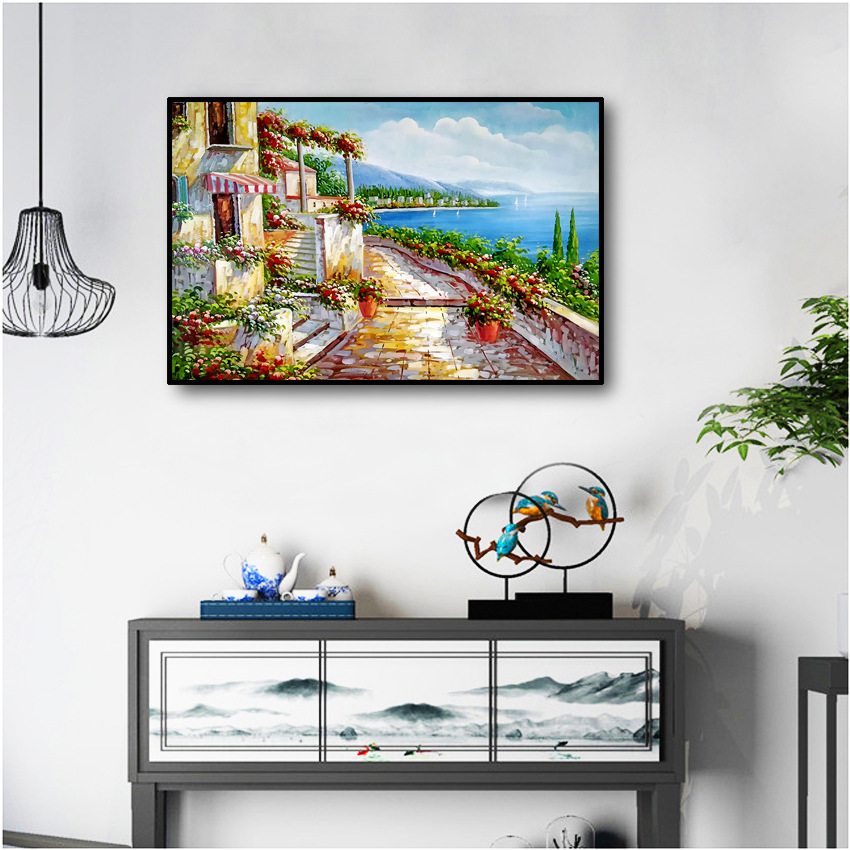
Home textiles can be categorized into several types based on their function and usage. Understanding these categories can help consumers make informed choices when selecting textiles for their homes.
1. Bedding
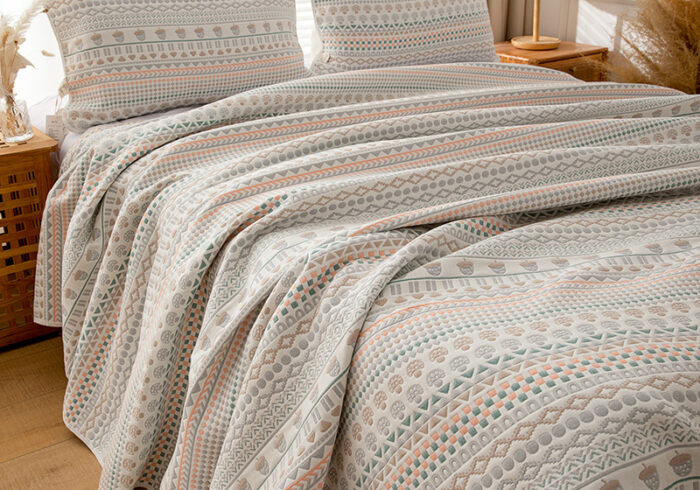
Bedding is one of the most essential categories of home textiles. It includes items such as sheets, pillowcases, duvet covers, and bedspreads. Bedding not only provides comfort during sleep but also contributes to the overall aesthetic of the bedroom. High-quality bedding made from natural fibers can enhance sleep quality and promote better health.
Types of Bedding Materials
- Cotton: Known for its softness and breathability, cotton is a popular choice for bedding.
- Linen: This natural fiber is highly absorbent and has a unique texture, making it ideal for warm climates.
- Silk: Luxurious and smooth, silk bedding is often associated with high-end decor.
- Synthetic Fabrics: Polyester and microfiber are commonly used for their durability and ease of care.
2. Curtains and Drapes
Curtains and drapes serve both functional and decorative purposes. They provide privacy, control light, and can significantly impact the ambiance of a room. The choice of fabric, color, and pattern can enhance the overall design of a space.
Types of Curtain Fabrics
- Sheer Fabrics: Allow light to filter through while providing some privacy.
- Blackout Fabrics: Block out light completely, ideal for bedrooms and media rooms.
- Decorative Fabrics: Heavier materials like velvet or brocade can add a touch of elegance to a room.
3. Upholstery
Upholstery refers to the fabrics used to cover furniture, such as sofas, chairs, and ottomans. The choice of upholstery fabric can affect the durability, comfort, and style of the furniture.
Common Upholstery Materials
- Leather: Durable and easy to clean, leather upholstery is often used in modern and contemporary designs.
- Cotton and Linen Blends: These fabrics offer a balance of comfort and durability, making them suitable for everyday use.
- Synthetic Fabrics: Often used for their stain resistance and variety of colors and patterns.
4. Table Linens
Table linens include items such as tablecloths, napkins, and placemats. They are essential for both everyday dining and special occasions, adding a decorative touch to the dining experience.
Types of Table Linens
- Cotton Tablecloths: Versatile and easy to care for, cotton is a popular choice for casual dining.
- Linen Tablecloths: Often used for formal occasions, linen adds elegance and sophistication.
- Plastic or Vinyl Tablecloths: Ideal for outdoor dining, these materials are easy to clean and maintain.
5. Towels and Bath Linens
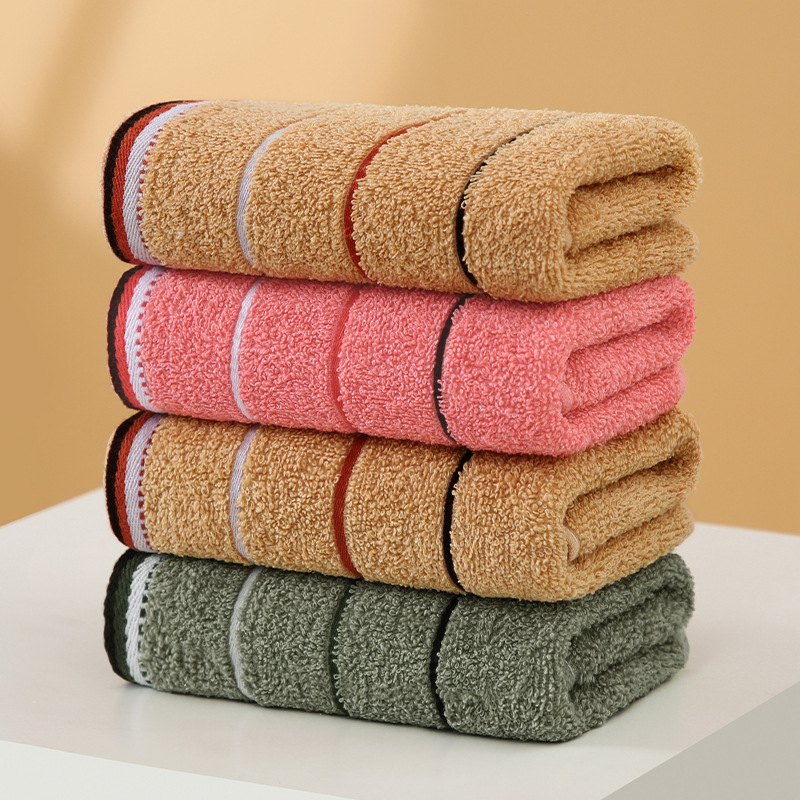
Towels are essential home textiles used in bathrooms and kitchens. They come in various sizes and materials, each serving a specific purpose.
Types of Towels
- Bath Towels: Large and absorbent, designed for drying off after a shower or bath.
- Hand Towels: Smaller towels used for drying hands in the bathroom or kitchen.
- Beach Towels: Larger and often brightly colored, designed for use at the beach or pool.
The Importance of Home Textiles
Home textiles are not just functional items; they play a significant role in enhancing the overall quality of life. Here are some key reasons why home textiles are important:
1. Comfort and Functionality
Home textiles contribute to the comfort of living spaces. Soft bedding, plush towels, and cozy upholstery create an inviting atmosphere that promotes relaxation and well-being. Additionally, functional textiles like blackout curtains and absorbent towels enhance the usability of a home.
2. Aesthetic Appeal
The right choice of home textiles can transform a space, adding color, texture, and style. Whether through bold patterns or subtle hues, textiles can reflect personal taste and enhance the overall design of a home. They allow homeowners to express their individuality and create a unique environment.
3. Practical Benefits
Home textiles also offer practical benefits, such as insulation, sound absorption, and protection for furniture. For example, curtains can help regulate indoor temperatures, while upholstery protects furniture from wear and tear. Additionally, high-quality textiles can improve indoor air quality by reducing allergens and dust.
4. Cultural Significance
Home textiles often carry cultural significance, reflecting the traditions and heritage of different regions. From intricate patterns in Indian textiles to minimalist Scandinavian designs, these fabrics tell stories and connect us to our roots.
Latest Trends in Sustainable Home Textiles
As environmental awareness grows, the demand for sustainable home textiles has increased. Consumers are becoming more conscious of the materials used in their home furnishings and are seeking eco-friendly options. Here are some of the latest trends in sustainable home textiles:
1. Organic Materials
Organic cotton, linen, and hemp are gaining popularity as consumers seek textiles that are free from harmful chemicals and pesticides. These materials are not only better for the environment but also safer for human health.
2. Recycled Fabrics
Recycling has become a significant trend in the textile industry. Many manufacturers are now producing home textiles from recycled materials, such as plastic bottles and old textiles. This practice reduces waste and conserves resources.
3. Eco-Friendly Dyes
The use of natural dyes derived from plants and minerals is on the rise. These dyes are less harmful to the environment compared to synthetic dyes, which can pollute water sources during production.
4. Minimalist Designs
Sustainable home textiles often feature minimalist designs that emphasize simplicity and functionality. Neutral colors and clean lines are popular choices, allowing textiles to blend seamlessly with various interior styles.
5. Local Production
Supporting local artisans and manufacturers is another trend in sustainable home textiles. By purchasing locally made products, consumers can reduce their carbon footprint and support their communities.
How Home Textiles Affect Indoor Air Quality
Indoor air quality is a critical aspect of health and well-being, and home textiles can significantly influence it. Here are some ways in which home textiles affect indoor air quality:
1. Dust and Allergens
Textiles can trap dust, pet dander, and other allergens, contributing to poor indoor air quality. Regular cleaning and maintenance of home textiles are essential to minimize these pollutants.
2. VOC Emissions
Some textiles, especially those made from synthetic materials, can emit volatile organic compounds (VOCs) that negatively impact indoor air quality. Choosing low-VOC or natural textiles can help improve air quality in the home.
3. Humidity Control
Certain textiles, such as cotton and linen, can help regulate humidity levels in a home. By absorbing moisture, these fabrics can prevent the growth of mold and mildew, which can harm indoor air quality.
4. Odor Absorption
Home textiles can absorb odors from cooking, pets, and other sources. Regular washing and using odor-resistant fabrics can help maintain a fresh indoor environment.
Best Practices for Cleaning and Maintaining Home Textiles
To ensure the longevity and performance of home textiles, proper cleaning and maintenance are essential. Here are some best practices:
1. Follow Care Labels
Always check the care labels on textiles for specific cleaning instructions. Different materials may require different washing methods, temperatures, and drying techniques.
2. Regular Washing
Regularly wash bedding, towels, and other textiles to remove dust, allergens, and odors. For items like curtains and upholstery, consider professional cleaning to maintain their appearance and integrity.
3. Use Gentle Detergents
Choose mild, eco-friendly detergents that are free from harsh chemicals. This is especially important for textiles that come into direct contact with skin, such as bedding and towels.
4. Avoid Overloading Washers
When washing textiles, avoid overloading the washing machine. This ensures that items are cleaned thoroughly and reduces the risk of damage.
5. Proper Drying Techniques
Follow the recommended drying methods for each type of textile. Some items may require air drying, while others can be tumble dried on low heat. Avoid exposing textiles to direct sunlight for extended periods, as this can cause fading.
6. Store Textiles Properly
When not in use, store textiles in a cool, dry place. Use breathable storage bags to prevent moisture buildup and protect against pests.
Conclusion
In summary, home textiles are an essential aspect of interior design and daily living. They encompass a wide range of products that enhance comfort, functionality, and aesthetic appeal. Understanding the different types of home textiles and their importance can help consumers make informed choices when decorating their homes. As trends evolve and new materials emerge, the world of home textiles will continue to grow, offering endless possibilities for creating beautiful and functional living spaces.
How to purchase:Online B2B sourcing platform, China purchase, Chinese suppliers – LooperBuy
Article Summary:
This article explores the definition and significance of home textiles, detailing various types such as bedding, curtains, upholstery, table linens, and towels. It highlights the comfort, aesthetic appeal, and practical benefits of these textiles, emphasizing their role in enhancing living spaces and reflecting cultural heritage. Additionally, it discusses the latest trends in sustainable home textiles, their impact on indoor air quality, and best practices for cleaning and maintaining these essential items.
Related Questions & Answers
· What are the latest trends in sustainable home textiles?
The latest trends include the use of organic materials, recycled fabrics, eco-friendly dyes, minimalist designs, and local production, all aimed at reducing environmental impact.
· How do different home textiles affect indoor air quality?
Home textiles can trap dust and allergens, emit VOCs, regulate humidity, and absorb odors, all of which can influence indoor air quality.
· What are the best practices for cleaning and maintaining various types of home textiles?
Best practices include following care labels, regular washing, using gentle detergents, avoiding overloading washers, proper drying techniques, and storing textiles properly.
· How can I choose sustainable home textiles for my home?
Look for products made from organic or recycled materials, check for eco-friendly certifications, and consider the production methods and local artisans.
· What materials are commonly used in home textiles?
Common materials include cotton, linen, silk, wool, and various synthetic fibers, each offering different benefits in terms of comfort, durability, and maintenance.
Hot Tags: Home Textiles; Bedding; Curtains; Upholstery; Table Linens; Towels; Interior Design; Textile Materials; Home Decor; Comfort; Aesthetic Appeal; Functional Textiles; Cultural Significance; Textile Industry; Home Furnishings; Fabric Types; Natural Fibers; Synthetic Fibers; Textile Trends; Cozy Home; Living Spaces; Home Accessories; Textile Patterns; Quality of Life; Home Comfort; Textile Care; Home Improvement; Design Styles; Textile Innovations; Home Environment; Textile Selection.