Furniture is an investment in comfort, style, and functionality—but protecting it from dust, spills, and wear during renovations, moves, or storage can feel daunting. Enter plastic wrap for furniture: a versatile, cost-effective solution that safeguards items without compromising aesthetics. This guide explores the science behind plastic wrap, its applications, and expert tips for achieving flawless results, whether you’re renovating a home, staging a property, or preparing for a cross-country move.
Table of Contents
Why Plastic Wrap Is a Game-Changer for Furniture Protection
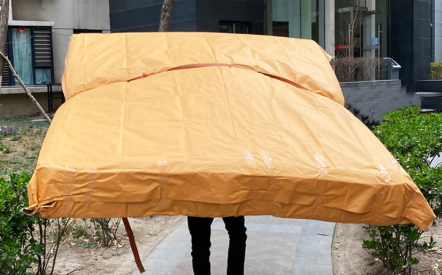
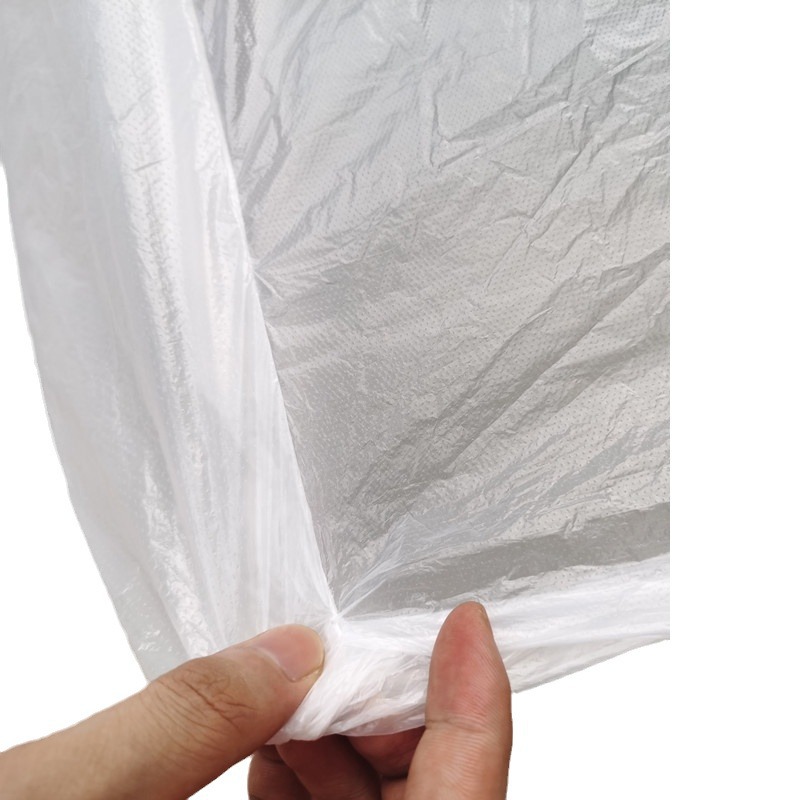
Plastic wrap’s popularity stems from its adaptability and durability. Unlike bulky covers or temporary sheets, stretch plastic clings tightly to furniture contours, creating an airtight barrier against moisture, dirt, and scratches. For professionals in moving or interior design, it’s indispensable for preserving delicate finishes like wood veneer, leather, or high-gloss paint.
Homeowners also benefit during seasonal transitions. Wrapping outdoor furniture in winter or protecting sofas during pet training ensures pieces remain pristine. The material’s transparency allows easy identification of items, a bonus for organized movers.
Types of Plastic Wrap for Furniture: Choosing the Right Product
Not all plastics are created equal. Selecting the ideal wrap depends on:
- Thickness: Measured in microns (µm), thicker options (50–100µm) suit heavy items, while lighter wraps (20–30µm) work for short-term use.
- Stretchability: High-stretch variants conform to odd shapes without tearing.
- UV Resistance: Essential for outdoor storage to prevent yellowing.
- Perforated Rolls: Allow tear-by-hand convenience, reducing waste.
Pro Tip: Opt for “shrink wrap” for outdoor use—it shrinks when heated, forming a drum-tight seal.
Step-by-Step Guide to Wrapping Furniture Like a Pro
- Preparation: Clean surfaces to prevent dirt imprints. Remove detachable parts (cushions, legs).
- Secure Loose Items: Tape drawers shut or fill cabinets to maintain shape.
- Apply Wrap: Start from the base, overlapping layers by 50% as you move upward. Use a handheld dispenser for even tension.
- Reinforce Edges: Apply extra layers on corners, legs, or fragile areas.
- Label: Mark fragile items or room destinations for easy unpacking.
Advanced Techniques for Complex Furniture
- Upholstered Pieces: Layer breathable fabric under plastic to prevent condensation buildup.
- Antiques: Combine plastic with acid-free paper to protect finishes.
- Glass Tables: Wrap in bubble wrap first, then plastic, to avoid pressure points.
Plastic Wrap vs. Alternatives: When to Choose What
| Scenario | Plastic Wrap | Fabric Covers | Foam Sheets |
|---|---|---|---|
| Short-Term Storage | (Airtight, quick) | (Dust permeable) | (Cushioning) |
| Long-Term Storage | (Condensation risk) | (Breathable) | (Moisture-resistant) |
| Moving | (Scratch prevention) | (Slips easily) | (Shock absorption) |
Eco-Friendly Considerations and Sustainable Alternatives
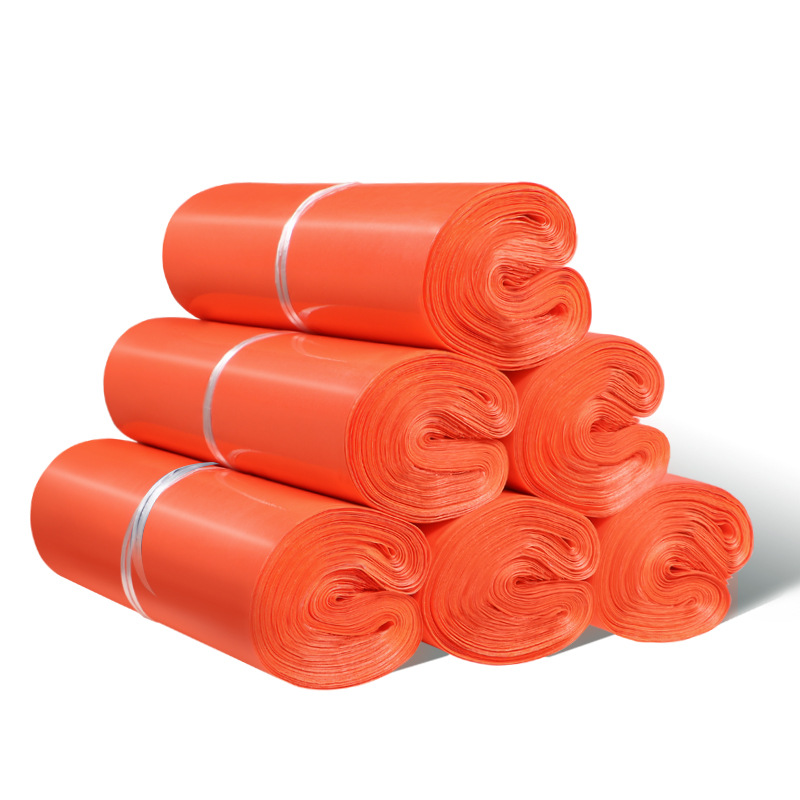
While plastic wrap is effective, its environmental impact is a concern. Opt for biodegradable variants made from cornstarch or recycled materials. For reusable options, consider:
- Stretch Fabric Covers: Machine-washable and durable.
- Silicone Coatings: Spray-on solutions for light protection.
Common Mistakes to Avoid
- Overstretching: Thin plastic may tear, compromising the seal.
- Neglecting Ventilation: Trapped moisture can warp wood or mildew upholstery.
- Using Duct Tape Directly on Surfaces: Residue can damage finishes.
Conclusion
Plastic wrap for furniture is a versatile, accessible tool for protection, but its effectiveness hinges on proper application and material selection. By understanding thickness, stretchability, and complementary techniques, you can extend the life of your furniture through moves, renovations, or storage. While exploring eco-friendly alternatives, remember that traditional plastic remains unmatched for heavy-duty tasks—use it wisely to balance practicality and sustainability.
How to Purchase:https://looperbuy.com/search?keywords=plastic+wrap+furniture
Related Questions & Answers
Q: Can I reuse plastic wrap after unwrapping furniture?
A: Yes, if the wrap remains free of tears or dirt. Fold it carefully for future use.
Q: Will plastic wrap damage leather furniture?
A: No, but avoid prolonged exposure to heat, which may cause sticking. Use a breathable layer underneath.
Q: How long can furniture stay wrapped in plastic?
A: Up to 6 months indoors. For longer periods, opt for ventilated covers to prevent mold.
Q: Is shrink wrap better than regular plastic wrap?
A: Shrink wrap provides a tighter seal but requires a heat gun, making it ideal for outdoor storage.
Q: Can I paint over plastic-wrapped furniture?
A: No—remove the wrap first to ensure proper paint adhesion.
Hot Tags: Plastic Wrap Furniture; Furniture Protection Plastic; DIY Furniture Covers; Stretch Wrap for Moving; Eco-Friendly Furniture Protection; Shrink Wrap Furniture; Anti-Scratch Plastic Covers; Waterproof Furniture Wraps; Reusable Furniture Covers; Best Plastic for Upholstery.