Table of Contents
Introduction
In the dynamic world of international trade, shipping plays a pivotal role in connecting markets and facilitating the movement of goods across borders. As businesses expand their operations globally, the demand for efficient and reliable shipping solutions has surged. This article delves into the evolution of shipping, the challenges faced by the industry, and the innovative solutions that are shaping the future of global trade.
The Evolution of Shipping
Historical Overview
Shipping has been an integral part of human civilization for centuries. From ancient maritime trade routes to the establishment of modern shipping companies, the industry has evolved significantly. The advent of steam-powered vessels in the 19th century revolutionized transportation, allowing for faster and more efficient movement of goods. This period marked the beginning of a new era in global trade, laying the groundwork for the complex logistics networks we see today.
The Container Revolution
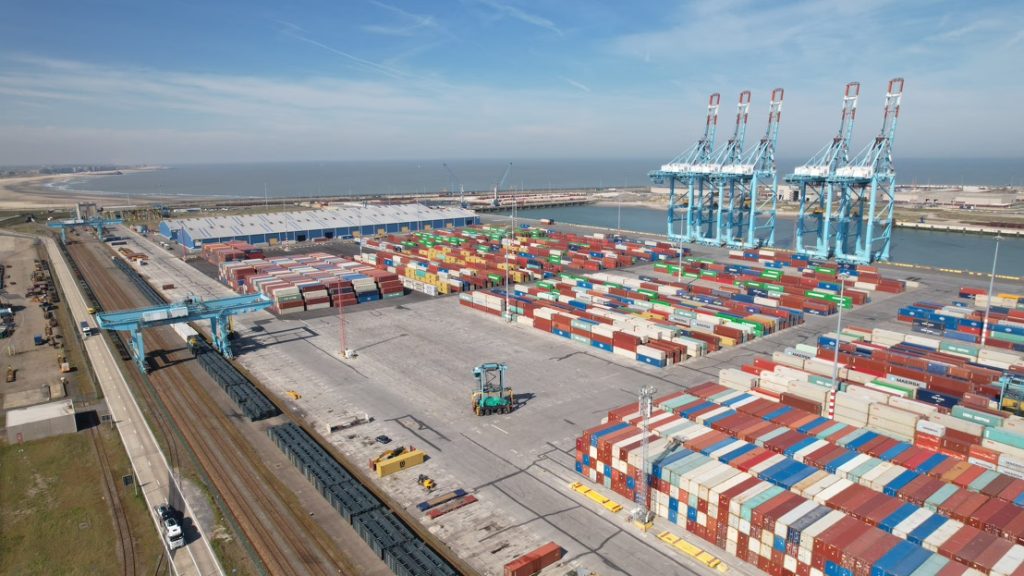
The introduction of containerization in the mid-20th century transformed the shipping industry. Standardized shipping containers allowed for the efficient loading and unloading of cargo, reducing handling times and costs. This innovation not only streamlined operations but also facilitated the growth of global trade by making it easier for businesses to transport goods across long distances.
The Current Landscape of Global Shipping
Key Players in the Industry
Today, the global shipping industry is characterized by a diverse range of players, including shipping lines, freight forwarders, and logistics providers. Major shipping companies operate vast fleets of container ships, while freight forwarders coordinate the logistics of transporting goods from manufacturers to consumers. This collaborative ecosystem is essential for ensuring the smooth flow of goods in international trade.
Technological Advancements
Technology has become a driving force in the shipping industry, enabling companies to optimize their operations and improve efficiency. Advanced tracking systems, automated warehouses, and data analytics tools are transforming how shipping companies manage their logistics. These technologies allow for real-time visibility into shipments, helping businesses make informed decisions and respond quickly to changing market conditions.
Challenges Facing the Shipping Industry
Regulatory Compliance
As global trade continues to grow, shipping companies must navigate a complex web of regulations and compliance requirements. Customs regulations, trade agreements, and environmental standards vary by country, making it essential for shipping companies to stay informed and adapt their operations accordingly. Failure to comply with these regulations can result in costly delays and penalties.
Environmental Sustainability
The shipping industry is under increasing pressure to reduce its environmental impact. With growing concerns about climate change and pollution, shipping companies are exploring sustainable practices to minimize their carbon footprint. This includes investing in cleaner technologies, optimizing routes to reduce fuel consumption, and exploring alternative fuels such as LNG and hydrogen.
Supply Chain Disruptions
Recent global events, such as the COVID-19 pandemic, have highlighted the vulnerabilities of the shipping industry. Disruptions to supply chains, port congestion, and labor shortages have created significant challenges for shipping companies. As businesses strive to recover and adapt to new realities, the need for resilient and flexible shipping solutions has become paramount.
Innovative Solutions in Global Shipping
Embracing Automation
Automation is revolutionizing the shipping industry, enabling companies to streamline their operations and reduce costs. Automated warehouses, robotic picking systems, and autonomous vehicles are becoming increasingly common in logistics. These technologies not only improve efficiency but also enhance accuracy and reduce the risk of human error.
Digital Platforms and E-commerce Integration
The rise of e-commerce has transformed the shipping landscape, with consumers expecting fast and reliable delivery of their online purchases. Shipping companies are leveraging digital platforms to integrate their services with e-commerce businesses, providing seamless order fulfillment and tracking capabilities. This integration allows for a more efficient shipping process and enhances the overall customer experience.
Sustainable Shipping Practices
As environmental concerns continue to grow, shipping companies are adopting sustainable practices to reduce their impact on the planet. This includes investing in energy-efficient vessels, implementing waste reduction strategies, and exploring alternative fuels. By prioritizing sustainability, shipping companies can not only meet regulatory requirements but also appeal to environmentally conscious consumers.
The Future of Global Shipping
Trends to Watch
The future of global shipping is likely to be shaped by several key trends, including:
- Increased Automation: As technology continues to advance, automation will play a larger role in shipping operations, improving efficiency and reducing costs.
- Sustainability Initiatives: The push for environmentally friendly practices will drive innovation in the shipping industry, with companies exploring new technologies and fuels.
- Digital Transformation: The integration of digital platforms and e-commerce will continue to reshape the shipping landscape, providing new opportunities for growth and efficiency.
Conclusion
The global shipping industry is at a crossroads, facing both challenges and opportunities in an ever-evolving landscape. As businesses adapt to changing market conditions and consumer expectations, innovative solutions will be essential for success. By embracing technology, prioritizing sustainability, and fostering collaboration, the shipping industry can navigate the complexities of global trade and continue to thrive in the future.
To enhance your global shipping efficiency and streamline logistics operations, consider utilizing innovative solutions like LooperBuy for effective management and fulfillment. For more information, visit https://looperbuy.com/.
Related Questions & Answers
· What are the key challenges facing the global shipping industry today? The key challenges include regulatory compliance, environmental sustainability, and supply chain disruptions.
· How is technology impacting the shipping industry? Technology is enabling automation, improving tracking systems, and enhancing data analytics, leading to more efficient operations.
· What role does Antwerp play in global shipping? Antwerp is a major European port that serves as a critical hub for international trade, facilitating the movement of goods across borders.
· What are some sustainable practices being adopted in shipping? Sustainable practices include investing in energy-efficient vessels, exploring alternative fuels, and implementing waste reduction strategies.
· How can businesses optimize their shipping processes? Businesses can optimize shipping by leveraging digital platforms, automating operations, and integrating their services with e-commerce solutions.
Hot Tags: Global Trade; Shipping Industry; E-commerce Logistics; Supply Chain Management; Environmental Sustainability; Automation in Shipping; Digital Transformation; Logistics Solutions; International Shipping