Table of Contents
The Rise of the Ergonomic Thermos Cup
Gone are the days when thermos cups were bulky, utilitarian vessels. Modern designs prioritize usability and aesthetics, with handles emerging as a game-changing feature. This article explores the evolution of thermos cups with handles, from their role in outdoor adventures to their status as office essentials. We’ll dissect material innovations, design trends, and cultural shifts driving this niche market’s growth.
Why Handles Matter: Beyond Basic Functionality
Handles transform thermos cups from “hold-it-any-way” tools to ergonomic marvels:
- Heat Protection: Prevents burnt fingers when sipping hot beverages.
- One-Handed Operation: Critical for drivers, cyclists, and multitaskers.
- Aesthetic Versatility: Handles double as branding elements or color-contrast accents.
Case Study: The YETI Rambler’s Handle Revolution
YETI’s 2023 redesign, which added a forged steel handle to its bestselling Rambler series, sparked a 40% sales surge. Competitors quickly followed suit, proving consumer demand for premium, durable handles.
Material Science: Balancing Weight and Durability
- Stainless Steel Dominance
- Pros: Rugged, rust-resistant, and maintains drink temperatures for 12+ hours.
- Cons: Heavy (16 oz cups often weigh 1 lb+), prone to dents.
- Titanium Alloys: The Future of Lightweight?
Brands like Snow Peak experiment with titanium handles, reducing weight by 30% without sacrificing strength. However, high costs ($150+ per cup) limit mainstream adoption.
- BPA-Free Plastics: Affordable but Polarizing
- Pros: Lightweight, shatterproof, and available in vibrant colors.
- Cons: Retains odors, less insulating than metal.
Design Trends Shaping the Market
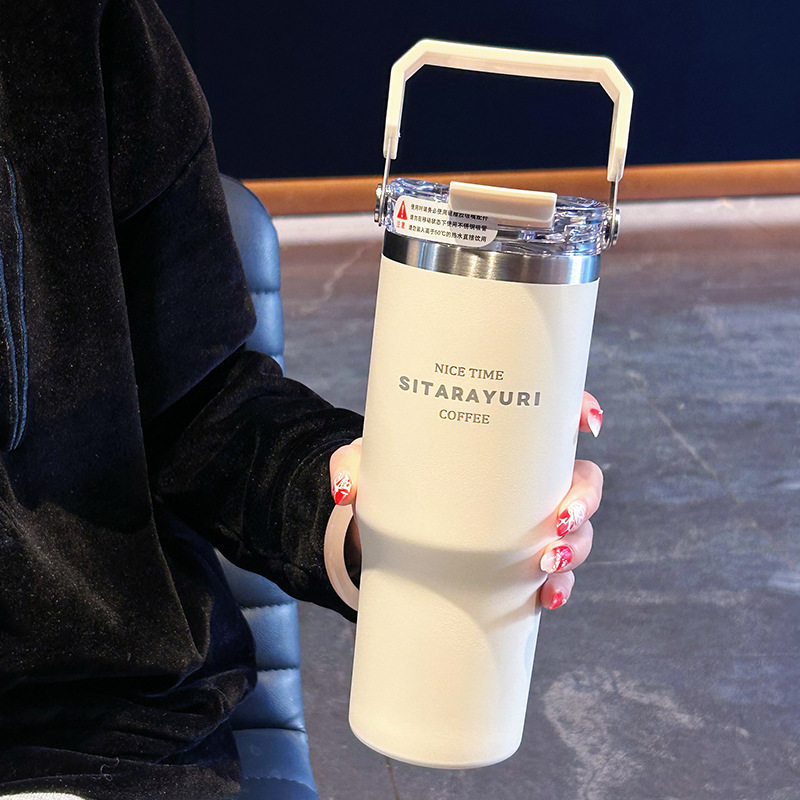
- Foldable Handles for Portability
Collapsible handles, popularized by Hydro Flask’s Flex Cap series, save space in backpacks. However, repeated folding can weaken hinges over time.
- Integrated Tech Features
Smart handles now include:
- Temperature Displays: LED panels showing real-time drink temps.
- Bottle Openers: Hidden within handle joints for post-hike beers.
- Carabiner Loops: Attach cups to bags without straps.
- Cultural Customization
Brands tap into regional preferences:
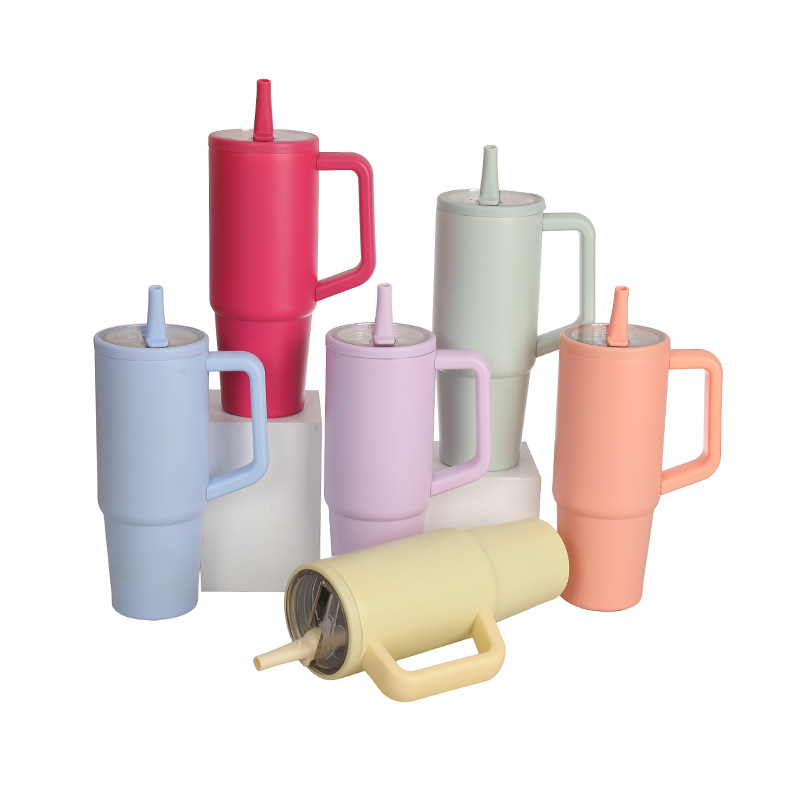
- Asia: Heat-resistant silicone handles in pastel hues.
- Europe: Minimalist leather-wrapped handles for café culture.
- North America: Rugged, oversized handles for construction sites.
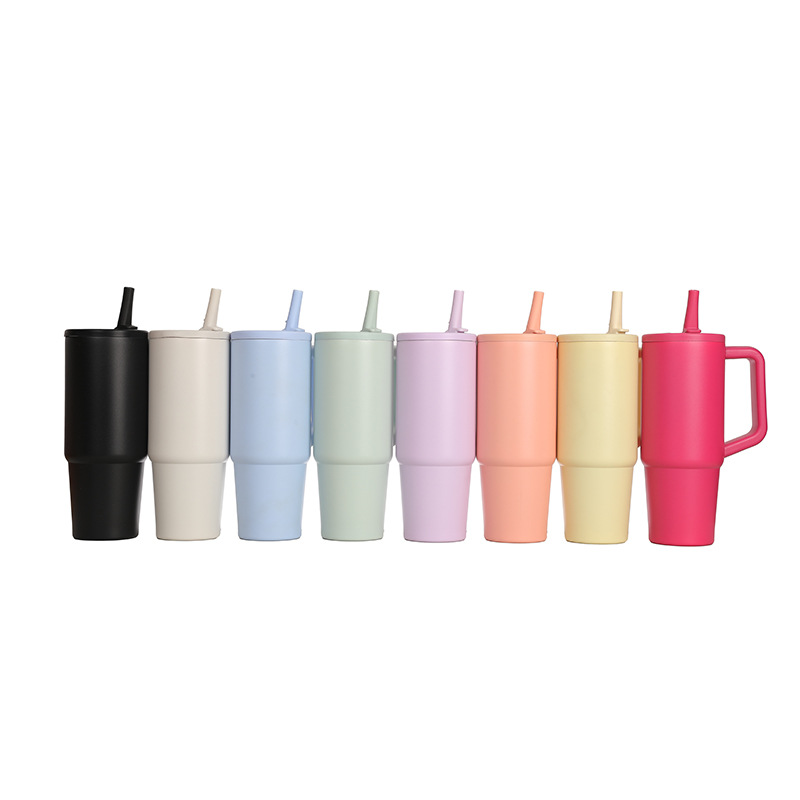
How to Choose the Right Thermos Cup with Handle
Step 1: Define Your Use Case
- Outdoor Enthusiasts: Prioritize grippy handles (e.g., Klean Kanteen’s Textured Grip).
- Office Workers: Opt for sleek, noise-dampening handles to avoid clattering on desks.
- Parents: Look for insulated handles to protect kids from burns.
Step 2: Assess Handle Comfort
Test these factors:
- Thumb Recess: Prevents slippage during jogging or hiking.
- Handle Width: Narrow handles (1–1.5 inches) suit small hands; wider ones (2+ inches) reduce fatigue.
- Material Texture: Rubberized coatings improve grip in wet conditions.
Step 3: Evaluate Maintenance Needs
- Dishwasher Safety: Most metal handles are safe, but coated plastics may warp.
- Rust Resistance: Stainless steel handles with electropolished finishes resist corrosion.
Common Pitfalls to Avoid
- Overloading the Handle
Avoid hanging heavy bags from handles—even durable models like Stanley’s Adventure Series have weight limits (typically 10–15 lbs).
- Ignoring Lid Compatibility
Some handles block lid access. Check if the handle:
- Swivels 180° for easy drinking.
- Detaches for cleaning or lid replacement.
- Assuming All Handles Are Insulated
Only “double-walled” handles (e.g., Contigo’s Autoseal line) prevent heat transfer. Single-layer metal handles grow hot with coffee.
The Future of Thermos Cup Handles
- 3D-Printed Customization
Brands like Nomatic now let customers design handles with personalized textures, colors, and even names via 3D printing.
- Self-Healing Materials
Experimental polymers could allow handles to repair micro-scratches, extending lifespan.
- Solar-Powered Handles
Prototype designs integrate solar panels into handles to charge devices or power LED nightlights.
Conclusion
The humble thermos cup handle has evolved into a battleground of innovation, where ergonomics meet aesthetics. Whether you’re a hiker, commuter, or desk worker, the right handle transforms hydration from a chore into a pleasure. As material science and smart tech advance, expect even more creative solutions to emerge—proving that sometimes, the simplest features make the biggest impact.
How to Purchase:https://looperbuy.com/search?keywords=thermos+cup+with+handle
Related Questions & Answers
· How much weight can a thermos cup handle support?
Most handles are rated for 10–15 lbs, but repeated heavy use can weaken hinges. Use carabiners for bags instead of relying on handles.
· Are insulated handles worth the premium?
Yes, if you carry hot beverages. Non-insulated metal handles reach 140°F+ with coffee, posing burn risks.
· Can I replace a broken handle?
Some brands (e.g., YETI, Hydro Flask) sell replacement parts. Third-party options exist but may affect warranty coverage.
· What’s the best handle material for kids?
Silicone or BPA-free plastic. Avoid hard metal edges to prevent injuries during falls.
· Do handles affect thermos cup insulation?
Minimally. Double-walled vacuum insulation primarily relies on the cup’s body, not the handle.
Hot Tags:Best Insulated Thermos with Handle; Lightweight Travel Mugs; Customizable Thermos Handles; Dishwasher-Safe Coffee Cups; Ergonomic Drinkware Design; Solar-Powered Mug Handles; Self-Healing Material Cups; Grip Enhancement Accessories; BPA-Free Plastic Thermoses