Table of Contents
Introduction
In the world of PC building and gaming, maintaining optimal temperatures is crucial for performance and longevity. One of the most effective ways to achieve this is through the use of computer radiators, particularly the 120mm variety. This article delves into the significance of 120mm computer radiators, their benefits, installation tips, and how they compare to other cooling solutions. Additionally, we will explore advanced topics such as radiator thickness, fan configurations, and the effectiveness of 120mm radiators in cooling both CPUs and GPUs. We will also discuss maintenance tips, common issues, and troubleshooting methods to ensure your cooling system operates at peak efficiency.
Understanding 120mm Computer Radiators
What is a 120mm Computer Radiator?
A 120mm computer radiator is a component used in liquid cooling systems to dissipate heat generated by the CPU or GPU. It typically features a 120mm fan mount and is designed to work with various cooling setups, including all-in-one (AIO) coolers and custom liquid cooling loops. The radiator’s primary function is to transfer heat from the coolant to the air, ensuring that your system remains cool under load.
Why Choose a 120mm Radiator?
120mm radiators are popular for several reasons:
- Compact Size: Their smaller footprint makes them ideal for cases with limited space, allowing for easier installation in mid-tower and mini-tower cases.
- Versatility: They can be used in various configurations, including single or dual radiator setups, depending on the cooling needs of your system.
- Cost-Effective: Generally, 120mm radiators are more affordable than larger models, making them a great choice for budget-conscious builders.
Benefits of Using a 120mm Radiator
Efficient Cooling Performance
One of the primary advantages of a 120mm radiator is its ability to provide efficient cooling. When paired with a high-quality fan, it can effectively lower the temperatures of your CPU or GPU, especially during intensive tasks such as gaming or video rendering. The increased surface area of the radiator allows for better heat dissipation compared to air coolers.
Noise Levels
Many 120mm radiators are designed to operate quietly, especially when using PWM (Pulse Width Modulation) fans. This feature allows the fan speed to adjust based on temperature, reducing noise during low-load situations while ramping up when needed. This balance between performance and noise is particularly appealing to gamers and professionals who require a quiet working environment.
Aesthetic Appeal
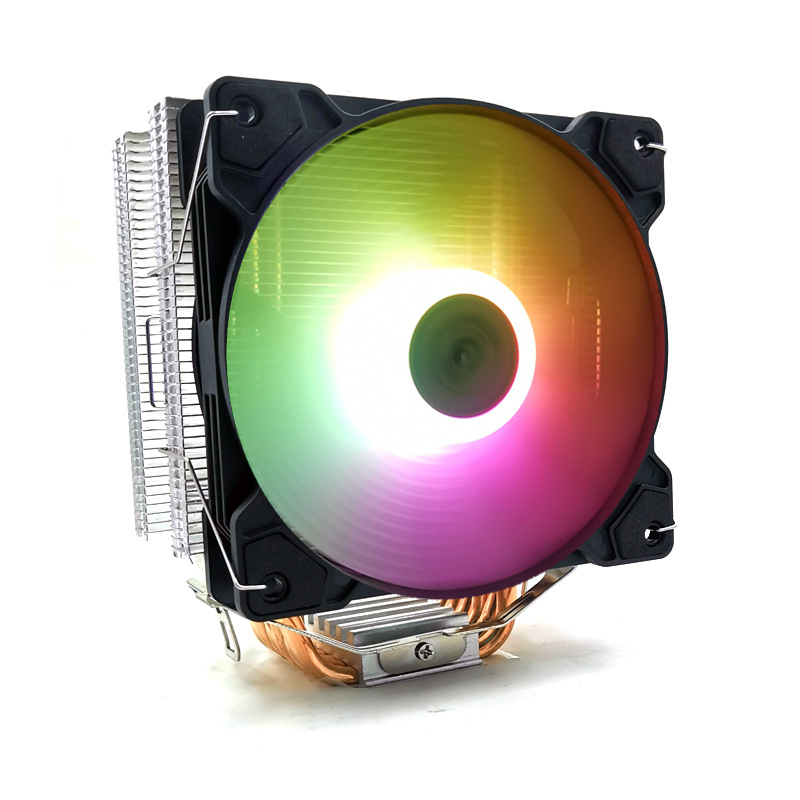
For many PC builders, aesthetics are just as important as performance. 120mm radiators come in various designs and colors, allowing users to customize their builds. RGB lighting options are also available, adding a visually striking element to your setup.
Installation Tips for 120mm Radiators
Choosing the Right Location
When installing a 120mm radiator, consider the airflow within your case. Ideally, it should be placed where it can draw in cool air or exhaust hot air efficiently. Common locations include the top, front, or rear of the case. Ensure that the fans are oriented correctly to maximize airflow.
Mounting the Radiator
Most 120mm radiators come with mounting brackets and screws. Follow these steps for a successful installation:
- Prepare the Case: Remove any obstructions in the area where you plan to install the radiator.
- Attach the Fans: If your radiator requires fans, attach them first. Ensure they are oriented correctly for optimal airflow.
- Secure the Radiator: Use the provided screws to secure the radiator to the case. Make sure it is firmly in place to prevent vibrations.
- Connect the Tubing: If using a custom loop, connect the tubing from the pump to the radiator, ensuring there are no kinks or bends that could impede flow.
Testing the System
After installation, it’s crucial to test your system for leaks and ensure that the cooling performance meets your expectations. Monitor the temperatures of your CPU and GPU under load to confirm that the radiator is functioning effectively.
Comparing 120mm Radiators to Other Cooling Solutions
120mm vs. 240mm Radiators
While 120mm radiators are excellent for compact builds, 240mm radiators offer enhanced cooling performance due to their larger surface area. They are better suited for high-performance systems or overclocking scenarios. However, they require more space and may not fit in smaller cases.
120mm Radiators vs. Air Coolers
Air coolers are another popular option for CPU cooling. They are generally easier to install and maintain, but they can be bulkier and less efficient than liquid cooling solutions, especially in high-performance scenarios. A 120mm radiator can provide superior cooling performance, particularly in systems that generate significant heat.
Advanced Considerations for 120mm Radiators
How Does the Thickness of a 120mm Radiator Affect Its Cooling Performance?
The thickness of a radiator plays a significant role in its cooling efficiency. Thicker radiators typically have more surface area, allowing for better heat dissipation. A standard 120mm radiator is usually around 25mm thick, but high-performance models can be 30mm or even 45mm thick. Thicker radiators can hold more coolant and provide better cooling performance, especially in overclocked systems. However, they also require more space and may not fit in all cases.
What Are the Best Fan Configurations for a 120mm Radiator to Maximize Cooling?
To maximize the cooling efficiency of a 120mm radiator, consider the following fan configurations:
- Push Configuration: In this setup, fans are mounted to push air through the radiator. This configuration is effective for drawing cool air from outside the case into the radiator.
- Pull Configuration: Here, fans are mounted to pull air through the radiator. This can be beneficial in cases where the radiator is mounted in a location with limited airflow.
- Push-Pull Configuration: This involves using fans on both sides of the radiator, with one set pushing air through and the other pulling it out. This configuration can significantly enhance cooling performance but requires more space and additional fans.
Can a 120mm Radiator Effectively Cool Both a CPU and GPU in a Single Loop?
Yes, a 120mm radiator can cool both a CPU and GPU in a single loop, but its effectiveness will depend on several factors, including the heat output of the components and the overall design of the cooling loop. For systems with high-performance CPUs and GPUs, a single 120mm radiator may struggle to maintain optimal temperatures, especially under load. In such cases, it is advisable to use multiple radiators or larger models to ensure adequate cooling.
Maintenance Tips for 120mm Radiators
Regular Cleaning
To maintain optimal performance, it is essential to clean your 120mm radiator regularly. Dust and debris can accumulate on the radiator fins and fans, obstructing airflow and reducing cooling efficiency. Use compressed air to blow out dust from the radiator and fans, and consider using a soft brush to gently clean the fins.
Checking for Leaks
If you are using a custom liquid cooling loop, regularly check for leaks. Inspect the tubing, fittings, and radiator for any signs of coolant leakage. If you notice any leaks, address them immediately to prevent damage to your components.
Monitoring Temperatures
Keep an eye on the temperatures of your CPU and GPU using monitoring software. If you notice a significant increase in temperatures, it may indicate that your radiator is not functioning correctly or that it needs maintenance.
Replacing Coolant
If you are using a custom loop, consider replacing the coolant every 6 to 12 months. Over time, coolant can degrade and lose its effectiveness. Use a high-quality coolant designed for liquid cooling systems to ensure optimal performance.
Common Issues and Troubleshooting
High Temperatures
If your system is running hotter than expected, check the following:
- Ensure that the fans are functioning correctly and are oriented properly.
- Verify that there are no obstructions blocking airflow to the radiator.
- Check for leaks in the cooling loop if applicable.
Noisy Operation
If your radiator fans are making excessive noise, consider the following:
- Ensure that the fans are securely mounted and not vibrating against the case.
- Check if the fans are running at high RPMs due to high temperatures; if so, ensure that your cooling system is functioning correctly.
- Consider replacing the fans with quieter models if noise is a persistent issue.
Pump Failure
In AIO coolers, if the pump fails, it can lead to overheating. If you suspect pump failure, listen for unusual noises and check for vibrations. If the pump is not functioning, you may need to replace the entire AIO unit.
Conclusion
In conclusion, 120mm computer radiators are a fantastic choice for anyone looking to enhance their PC’s cooling capabilities. They offer a balance of performance, noise levels, and aesthetic appeal, making them suitable for a wide range of builds. Whether you’re a casual gamer or a professional content creator, investing in a quality 120mm radiator can significantly improve your system’s performance and longevity. With the right installation and configuration, a 120mm radiator can provide efficient cooling for both CPUs and GPUs, ensuring that your system runs smoothly even under the most demanding conditions.
How to purchase:Online B2B sourcing platform, China purchase, Chinese suppliers – LooperBuy
Article Summary: This comprehensive guide explores the significance of 120mm computer radiators in enhancing PC cooling systems. It discusses their benefits, installation tips, and comparisons with other cooling solutions, emphasizing their efficiency, noise levels, and aesthetic appeal. Advanced topics such as radiator thickness, fan configurations, maintenance tips, and troubleshooting methods are also covered.
Hot Tags: 120mm Radiator; Computer Cooling; Liquid Cooling; AIO Cooler; PC Building; CPU Cooling; GPU Cooling; Custom Cooling; Radiator Fans; Water Cooling; Overclocking; PC Performance; Gaming PC; Silent Cooling; RGB Radiator; Compact Radiator; Heat Dissipation; Thermal Management; PC Hardware; Cooling Solutions; Performance Cooling; DIY PC; Computer Components; Radiator Installation; Cooling Efficiency; Airflow Management; PC Maintenance; Custom Loops; High-Performance Cooling; Budget Cooling Solutions
Related Questions & Answers
· What is the main function of a 120mm computer radiator?
The main function of a 120mm computer radiator is to dissipate heat from the coolant, ensuring that the CPU or GPU remains cool during operation.
· Can a 120mm radiator handle overclocking?
Yes, a 120mm radiator can handle overclocking, but its effectiveness will depend on the overall cooling setup and the amount of heat generated by the components.
· How do I know if my 120mm radiator is installed correctly?
You can check if your 120mm radiator is installed correctly by monitoring the temperatures of your CPU and GPU under load and ensuring there are no leaks in the system.
· Are 120mm radiators compatible with all cases?
Most cases that support liquid cooling will accommodate a 120mm radiator, but it’s essential to check the specifications of your case to ensure compatibility.
· What are the advantages of using a 120mm radiator over air cooling?
The advantages of using a 120mm radiator over air cooling include better heat dissipation, quieter operation, and the ability to maintain lower temperatures during high-performance tasks.