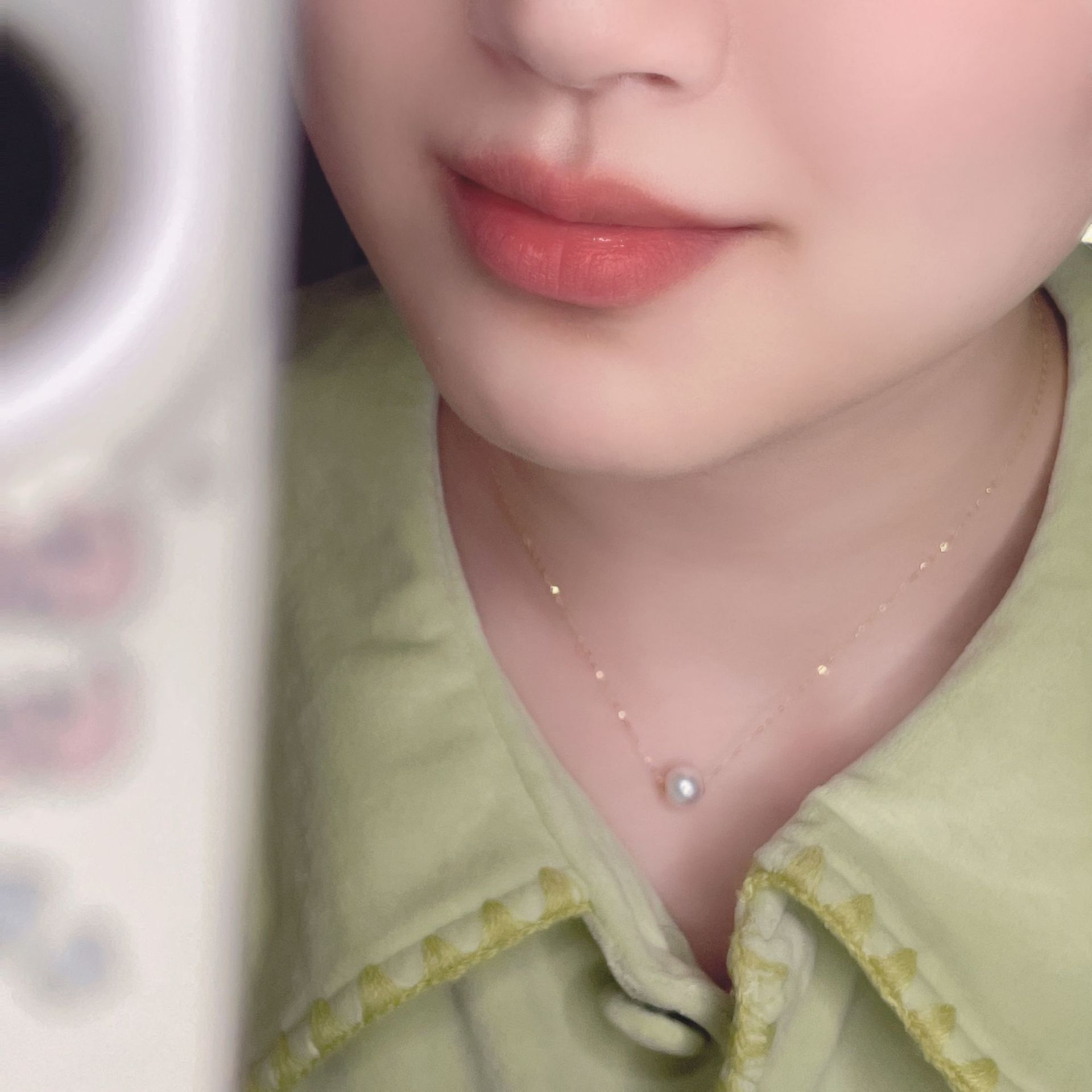
In the world of jewelry, few pieces can match the timeless elegance and sophistication of a real pearl necklace. Known for their beauty and versatility, pearl necklaces have adorned the necks of women for centuries, making them a staple in both casual and formal attire. This article explores the allure of real pearl necklaces, their history, types, care instructions, and tips for choosing the perfect piece for any occasion.
Table of Contents
Understanding Pearls
What Are Real Pearls?
Real pearls are organic gemstones formed within the shells of certain mollusks, primarily oysters and mussels. Unlike other gemstones that are mined from the earth, pearls are created through a natural process when an irritant, such as a grain of sand, enters the mollusk’s shell. In response, the mollusk secretes layers of nacre, a substance that coats the irritant, eventually forming a pearl. The quality and characteristics of pearls can vary based on several factors, including the type of mollusk, the environment, and the cultivation process.
Types of Pearls
There are several types of pearls, each with unique characteristics and appeal:
Freshwater Pearls
Freshwater pearls are produced by mussels in freshwater lakes and rivers. They are known for their wide range of colors, shapes, and sizes. Freshwater pearls are often more affordable than their saltwater counterparts, making them a popular choice for everyday wear.
Saltwater Pearls
Saltwater pearls are produced by oysters in ocean waters. The most well-known types of saltwater pearls include Akoya, Tahitian, and South Sea pearls. Saltwater pearls are typically rounder and have a higher luster than freshwater pearls, making them highly sought after for fine jewelry.
Akoya Pearls
Akoya pearls are a type of saltwater pearl known for their classic white color and high luster. They are often used in traditional pearl necklaces and are prized for their round shape and smooth surface.
Tahitian Pearls
Tahitian pearls are unique for their dark colors, ranging from black to gray, green, and even peacock hues. They are produced by the black-lipped oyster and are known for their large size and exotic appearance.
South Sea Pearls
South Sea pearls are among the largest and most luxurious pearls available. They are produced by the white-lipped and gold-lipped oysters found in the warm waters of Australia and the Philippines. South Sea pearls are known for their creamy colors and exceptional luster.
The Allure of Real Pearl Necklaces
Timeless Elegance
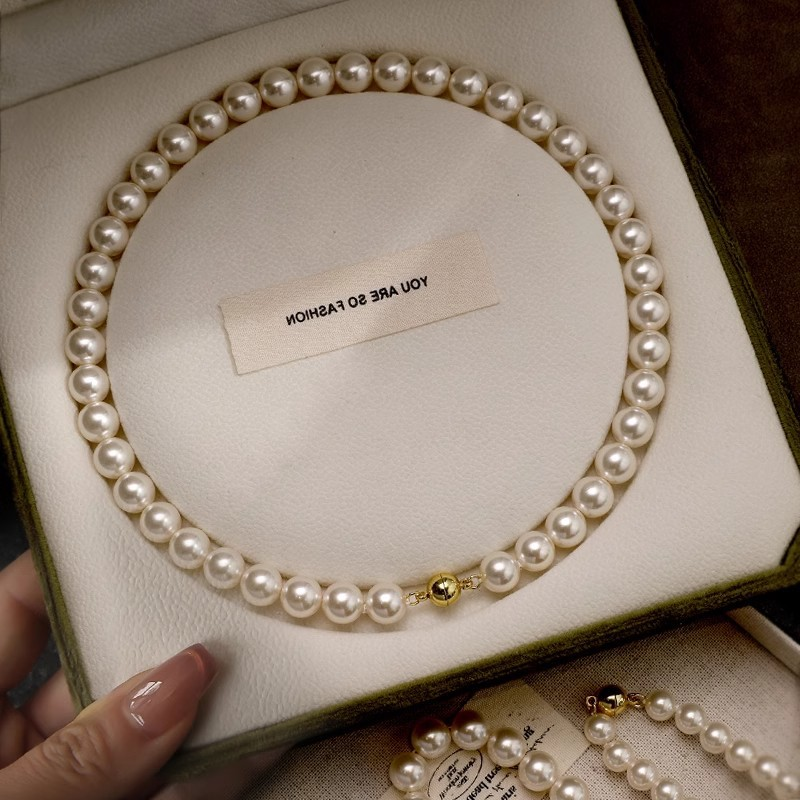
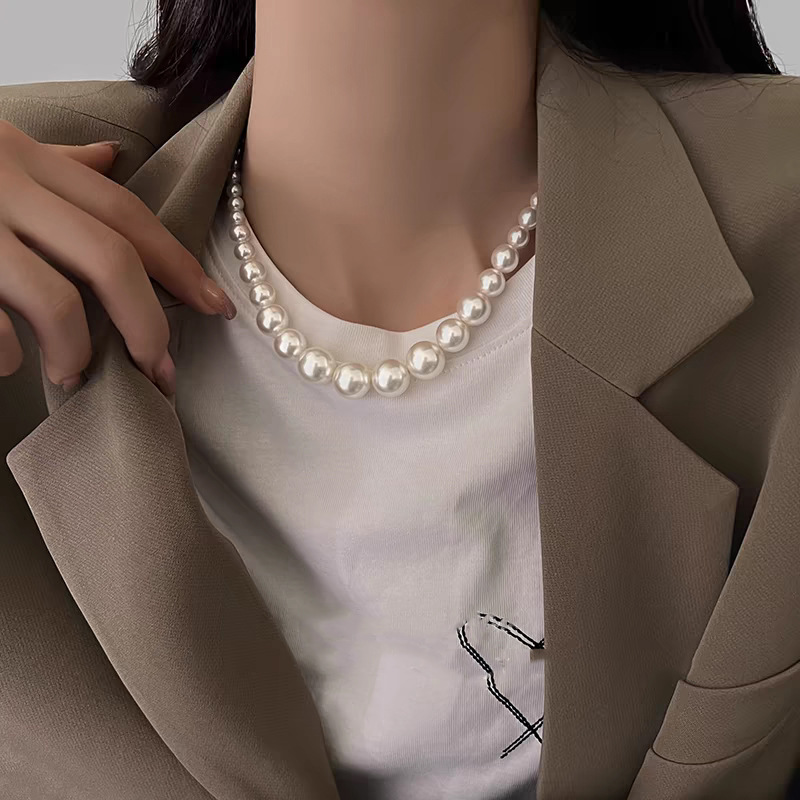
Real pearl necklaces exude a timeless elegance that can elevate any outfit. Whether worn with a simple blouse or a formal gown, pearls add a touch of sophistication and grace. Their classic appeal makes them suitable for various occasions, from weddings to casual outings.
Versatility
One of the standout features of real pearl necklaces is their versatility. They can be styled in numerous ways to suit different looks. A single strand of pearls can be worn for a classic, understated look, while multiple strands or layered styles can create a more dramatic effect. Pearls can be paired with both casual and formal attire, making them a staple in any jewelry collection.
Symbol of Purity and Femininity
Throughout history, pearls have been associated with purity, innocence, and femininity. They are often given as gifts for significant life events, such as graduations, weddings, and anniversaries. Wearing a pearl necklace can symbolize elegance and grace, making it a meaningful addition to any jewelry collection.
Investment Value
Real pearl necklaces can also serve as an investment. High-quality pearls, especially those from reputable sources, can appreciate in value over time. Investing in a well-crafted pearl necklace can provide both aesthetic pleasure and potential financial return.
Choosing the Perfect Real Pearl Necklace
Consider the Type of Pearls
When selecting a pearl necklace, consider the type of pearls that best suit your style and preferences. Freshwater pearls offer a more affordable option with a variety of colors and shapes, while saltwater pearls, such as Akoya, Tahitian, and South Sea pearls, provide a luxurious and classic look.
Evaluate Quality
The quality of pearls is determined by several factors, including luster, surface quality, shape, and size. Look for pearls with a high luster, smooth surface, and round shape for a classic appearance. Larger pearls are often more valuable, but smaller pearls can also be beautiful and elegant.
Necklace Length
Pearl necklaces come in various lengths, each offering a different look and style. Common lengths include:
- Choker: A short necklace that sits snugly around the neck, ideal for a modern and chic look.
- Princess: A standard length that falls just below the collarbone, perfect for both casual and formal wear.
- Matinee: A longer length that falls between the collarbone and the bust, suitable for layering with other necklaces.
- Opera: An even longer length that can be worn as a single strand or doubled for a layered effect.
Style and Design
Consider the style and design of the pearl necklace. Classic single-strand necklaces are timeless, while multi-strand or statement pieces can add a unique touch to your outfit. Additionally, consider whether you prefer a simple clasp or a more decorative one, as this can impact the overall aesthetic of the necklace.
Budget Considerations
Real pearl necklaces can vary significantly in price based on the type of pearls, quality, and design. Set a budget before shopping and explore options within that range. Remember that investing in a quality piece can pay off in the long run, as it will last longer and provide a more enjoyable wearing experience.
Caring for Your Real Pearl Necklace
Cleaning and Maintenance
To maintain the beauty and luster of your pearl necklace, proper care is essential. Here are some tips for cleaning and maintaining your pearls:
- Gentle Cleaning: Use a soft, damp cloth to wipe your pearls after each wear. This helps remove any oils, dirt, or makeup that may have transferred onto the surface.
- Avoid Harsh Chemicals: Keep your pearls away from harsh chemicals, including perfumes, hairsprays, and cleaning products, as these can damage the surface of the pearls.
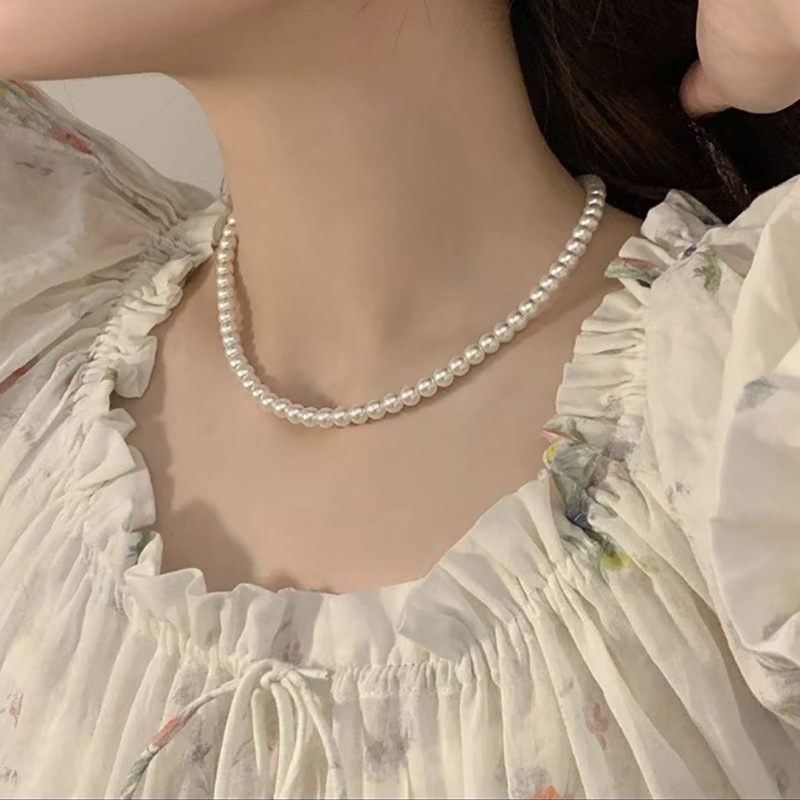
- Storage: Store your pearl necklace in a soft pouch or lined jewelry box to prevent scratches and damage. Avoid storing pearls with other jewelry that may cause abrasion.
Regular Inspections
Periodically inspect your pearl necklace for any signs of wear or damage. Check the stringing and clasps to ensure they are secure. If you notice any issues, consider having the necklace professionally restrung or repaired to maintain its integrity.
Avoiding Excessive Moisture
While pearls are relatively durable, they can be sensitive to excessive moisture. Avoid wearing your pearl necklace while swimming, showering, or exercising to prevent damage from water exposure.
The Cultural Significance of Pearls
Historical Context
Throughout history, pearls have held significant cultural and symbolic meanings. In many cultures, pearls are associated with purity, wisdom, and wealth. They have been used in jewelry for centuries, adorning the necks of royalty and nobility.
Modern Symbolism
In contemporary society, pearls continue to symbolize elegance and sophistication. They are often given as gifts for special occasions, such as weddings, anniversaries, and graduations. Wearing pearls can convey a sense of refinement and grace, making them a popular choice for formal events.
Conclusion
Real pearl necklaces are a timeless addition to any jewelry collection, offering elegance, versatility, and investment value. With their rich history and cultural significance, pearls continue to captivate and inspire. By understanding the different types of pearls, how to choose the perfect necklace, and how to care for your pearls, you can enjoy the beauty and luxury of real pearl jewelry for years to come.
How to purchase:Online B2B sourcing platform, China purchase, Chinese suppliers – LooperBuy
Frequently Asked Questions
1. How can I tell if a pearl necklace is real?
To determine if a pearl necklace is real, you can perform a simple test by rubbing the pearls against your teeth. Real pearls will feel gritty, while fake pearls will feel smooth. Additionally, check for imperfections, as real pearls often have slight variations in shape and surface.
2. What is the best way to clean a pearl necklace?
The best way to clean a pearl necklace is to use a soft, damp cloth to wipe the pearls after each wear. Avoid using harsh chemicals or ultrasonic cleaners, as these can damage the pearls.
3. How should I store my pearl necklace?
Store your pearl necklace in a soft pouch or lined jewelry box to prevent scratches and damage. Avoid storing pearls with other jewelry that may cause abrasion.
4. Can I wear my pearl necklace every day?
Yes, you can wear your pearl necklace every day, but it is essential to take proper care of it. Wipe the pearls after each wear and avoid exposing them to harsh chemicals or excessive moisture.
5. What types of pearls are best for necklaces?
The best types of pearls for necklaces include Akoya, Tahitian, and South Sea pearls, as they are known for their high quality, luster, and beauty. Freshwater pearls are also a great option, offering a variety of colors and shapes at a more affordable price.
HOT TAG:real pearl necklaces, luxury jewelry, timeless elegance, pearl care tips, types of pearls, pearl necklace styles, investment jewelry, fashion accessories, pearl necklace lengths, modern pearl designs, cultural significance of pearls, high-quality pearls, pearl jewelry trends, classic elegance, hypoallergenic jewelry, sustainable pearl sourcing, personalized pearl gifts, wedding jewelry, special occasion accessories, jewelry maintenance tips.