Table of Contents
Introduction: A Legacy of Craftsmanship in Every Corner of the Kitchen
Dutch kitchenware carries a rich heritage rooted in centuries of craftsmanship, functional design, and understated elegance. From windmill-shaped cookie cutters to hand-painted Delftware canisters, these pieces tell stories of Dutch culinary traditions while adapting seamlessly to contemporary lifestyles. This article explores the enduring appeal of Dutch kitchenware, its cultural significance, and practical tips for incorporating these timeless pieces into modern homes.
The Historical Roots of Dutch Kitchenware
From Peasant Tools to Aristocratic Tableware
Dutch kitchenware evolved from practical necessities for farmers and fishermen into refined objects of beauty. The Dutch Golden Age (17th century) saw the rise of Delftware, windmill motifs, and innovative designs like tin-lined copper pans, which balanced durability with elegance.
Cultural Influences on Design Aesthetics
The Netherlands’ maritime trade brought Asian porcelain influences, while local traditions emphasized simplicity and functionality. This fusion created a distinctive style characterized by muted colors, geometric patterns, and utilitarian forms.
Iconic Elements of Dutch Kitchenware
Delftware: Blue and White Timelessness
These hand-painted ceramics, with their characteristic cobalt-blue designs on white porcelain, originated in Delft and remain iconic. Modern interpretations include everything from mixing bowls to salt cellars, blending heritage with everyday utility.
Windmill and Tulip Motifs
Windmill-shaped cookie molds and tulip-emblazoned serving platters celebrate the Netherlands’ national symbols. These pieces add playful charm to kitchens while honoring cultural heritage.
Tin and Copper Cookware
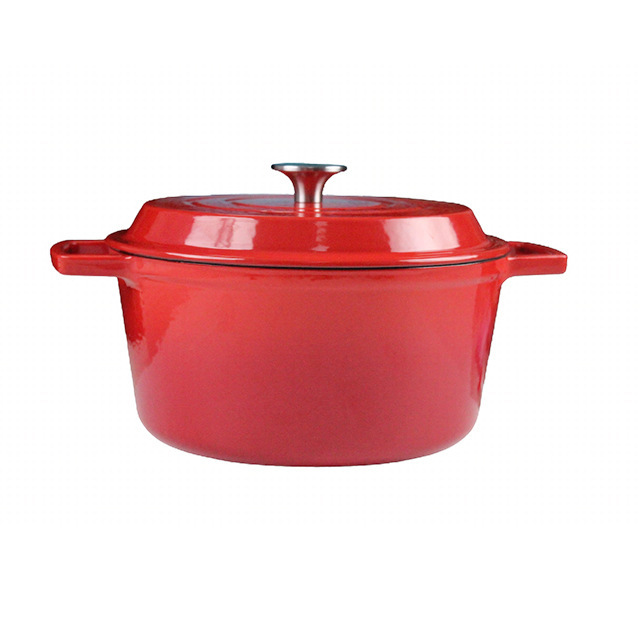
Dutch tin-lined copper pans and tin canisters were prized for their heat retention and rustic beauty. Today’s versions often mix antique finds with modern reproductions for a curated look.
Where to Find Authentic Dutch Kitchenware
Netherlands-Based Artisans and Cooperatives
Shops in Amsterdam’s Nine Streets district or Delft’s pottery studios offer handmade pieces directly from artisans. The Dutch Design Week also showcases innovative takes on traditional designs.
Global Marketplaces for Vintage and Reproduction Pieces
Platforms like Etsy and 1stdibs feature Dutch antiques, while retailers such as Williams Sonoma stock modern Delftware-inspired collections. Look for “handmade in Holland” labels to ensure authenticity.
DIY Replication for Personalized Touches
Painting plain ceramics with Delft-style blue motifs or crafting windmill cookie cutters from wood allows for customization while preserving the aesthetic.
Styling Tips for Incorporating Dutch Kitchenware into Modern Spaces
Mixing Old and New: Creating Visual Harmony
Pair a vintage Delftware pitcher with a minimalist stainless-steel faucet or display antique tin canisters alongside a smart coffee maker. The contrast enhances both old and new elements.
Thematic Kitchen Corners: From Breakfast Nooks to Pantry Displays
Dedicate a shelf to Dutch ceramics, hang windmill-themed utensil holders, or use tulip-patterned linens to define a cozy baking area.
Seasonal Decor with a Dutch Twist
Incorporate Delftware Christmas ornaments, Sinterklaas-themed cookie stamps, or tulip-shaped jelly molds to celebrate Dutch holidays year-round.
The Cultural Significance of Dutch Kitchenware Today
Preserving Heritage Through Everyday Objects
Using Dutch kitchenware connects modern cooks to centuries-old traditions, fostering appreciation for craftsmanship and cultural narratives.
Sustainable Living Through Heirloom-Quality Pieces
Investing in durable, repairable items reduces waste and promotes a slower, more intentional approach to consumption—a value deeply rooted in Dutch culture.
Global Appeal Beyond the Netherlands
From Scandinavian hygge to Japanese wabi-sabi, Dutch kitchenware’s understated elegance resonates with minimalists and maximalists alike.
Sustainability and Ethical Considerations
Supporting Artisanal Communities
Purchasing directly from Dutch craftspeople or fair-trade cooperatives ensures ethical production and sustains traditional skills.
Eco-Friendly Materials in Modern Reproductions
Look for kitchenware made with lead-free glazes, recycled metals, or sustainably sourced wood to align with environmental values.
Conclusion: A Kitchen Canvas for Dutch Heritage and Modern Life
Dutch kitchenware offers more than functionality. It provides a tangible connection to history, artistry, and cultural identity. By thoughtfully integrating these pieces into contemporary spaces, anyone can create a kitchen that honors the past while embracing the present. Whether through a single Delftware mug or a fully curated collection, the Dutch approach proves that beauty and practicality can coexist beautifully.
How to purchase: https://looperbuy.com/search?keywords=dutch+kitchenware
Frequently Asked Questions (FAQs)
- Where can I find authentic handmade Dutch kitchenware today? Authentic pieces are available at specialty shops in Delft, Amsterdam’s Nine Streets, and Dutch Design Week exhibitions. Online marketplaces like Etsy also feature verified artisan sellers.
- How do I distinguish between antique and reproduction Delftware? Antique Delftware often has irregular brushstrokes, subtle imperfections, and a softer glaze. Reproductions tend to have more uniform patterns and brighter colors due to modern manufacturing techniques.
- What makes Dutch kitchenware sustainable compared to mass-produced alternatives? Many Dutch pieces are designed for longevity, using repairable materials like tin and copper. Artisans often employ low-impact production methods, and the emphasis on heirloom quality reduces waste.
- Can I use vintage Dutch tin canisters for food storage? Yes, but ensure they’re food-safe. Historic tin cans may contain lead or rust; modern reproductions are typically lined with safe materials. Always verify the manufacturer’s specifications.
- How can I incorporate Dutch design into a non-European kitchen? Focus on key elements like Delftware ceramics or windmill motifs rather than an entire theme. Pair these pieces with neutral backgrounds to let the Dutch aesthetic stand out without clashing.
Hot Tags: Dutch kitchenware; Delftware ceramics; Windmill kitchen decor; Sustainable kitchen design; Antique tin canisters; Dutch culinary heritage; Modern farmhouse style; Handmade ceramics Netherlands; Cultural kitchen accessories; Eco-friendly kitchenware