Electric fans have been a staple in homes and offices for over a century, providing comfort and relief from the heat. Among the various designs and styles, vintage electric fans hold a special place in the hearts of collectors and enthusiasts. This article explores the history, design, and cultural significance of vintage electric fans, highlighting their enduring appeal and the reasons they continue to be cherished today.
Table of Contents
The Evolution of Electric Fans
Early Beginnings
The first electric fans emerged in the late 19th century, shortly after the invention of the electric motor. In 1882, the first electric fan was patented by a man named Schuyler Skaats Wheeler. This early model was a simple design, featuring a blade attached to a motor that could be powered by electricity. The introduction of alternating current by Thomas Edison and Nikola Tesla made electric fans more practical and accessible to the general public.
The Rise of Popularity
By the early 1900s, electric fans became increasingly popular in households across America. They were seen as a luxury item, often found in the homes of the affluent. The design of these fans evolved, with manufacturers experimenting with different materials and styles. Brass and metal became common components, giving fans a sturdy and elegant appearance. The Art Deco movement of the 1920s and 1930s further influenced fan design, leading to more decorative and stylish models.
The Aesthetic Appeal of Vintage Fans
Design Elements
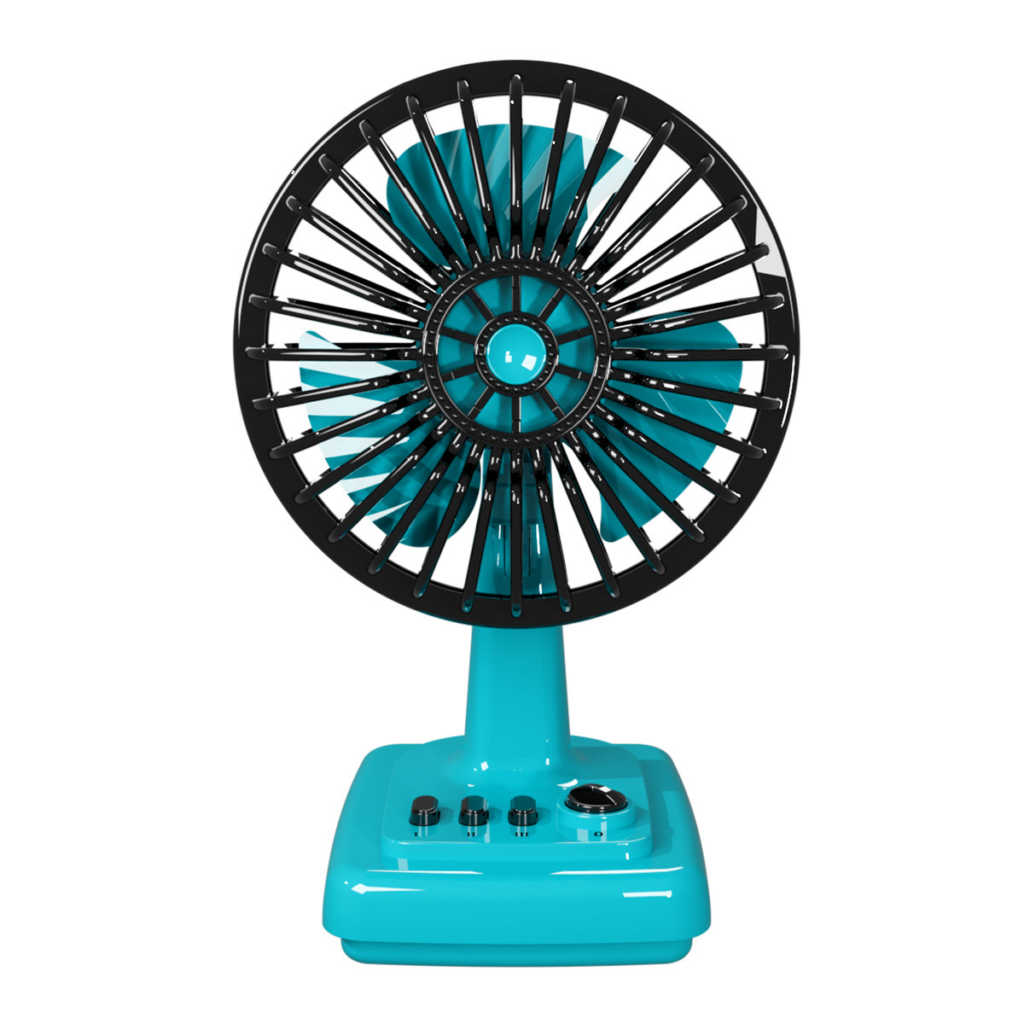
Vintage electric fans are celebrated not only for their functionality but also for their aesthetic appeal. Many vintage fans feature intricate designs, with ornate bases and beautifully crafted blades. The use of materials such as brass, chrome, and wood adds to their charm, making them attractive decorative pieces in modern interiors. Collectors often seek out fans with unique designs, colors, and finishes, which can range from sleek and minimalist to elaborate and ornate.
Nostalgia and Sentimentality
For many, vintage electric fans evoke a sense of nostalgia. They remind us of simpler times when life moved at a slower pace. These fans often carry stories of the past, having been part of family homes for generations. The sight of a vintage fan can transport individuals back to their childhood, sparking memories of hot summer days spent indoors, enjoying the cool breeze.
Collecting Vintage Electric Fans
The Collector’s Market
The market for vintage electric fans has grown significantly in recent years. Collectors are drawn to the craftsmanship and history behind these fans, often seeking specific brands or models. Popular brands among collectors include Emerson, Westinghouse, and GE, each known for their quality and distinctive designs. Auctions, antique shops, and online marketplaces like eBay and Etsy have become popular venues for buying and selling vintage fans.
Restoration and Preservation
Many collectors take pride in restoring vintage electric fans to their original condition. This process can involve cleaning, repairing, and sometimes repainting the fan to bring back its former glory. Restoration not only enhances the fan’s appearance but also ensures its functionality. Collectors often share tips and techniques for restoration in online forums and communities, fostering a sense of camaraderie among enthusiasts.
The Cultural Significance of Vintage Fans
A Symbol of Innovation
Vintage electric fans represent a significant technological advancement in the late 19th and early 20th centuries. They symbolize the shift towards modernity and the increasing reliance on electricity in everyday life. As homes became electrified, fans became a common household item, reflecting the changing dynamics of comfort and convenience.
Vintage Fans in Popular Culture
Vintage electric fans have also made their mark in popular culture. They often appear in films, television shows, and advertisements, serving as a visual cue for nostalgia and a bygone era. Their presence in these mediums reinforces their status as iconic objects, cherished for their design and historical significance.
Modern Interpretations of Vintage Fans
Retro Designs in Contemporary Markets
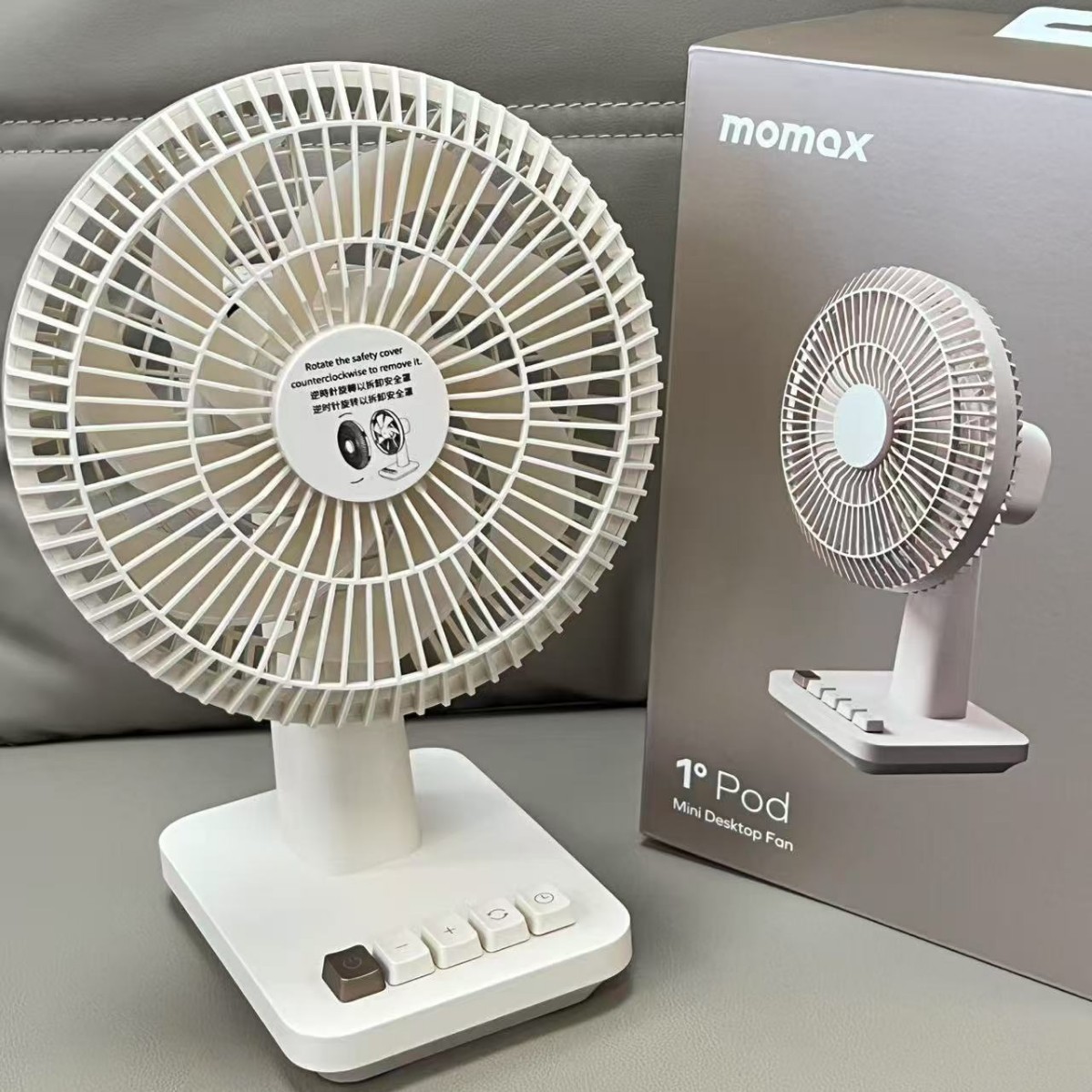
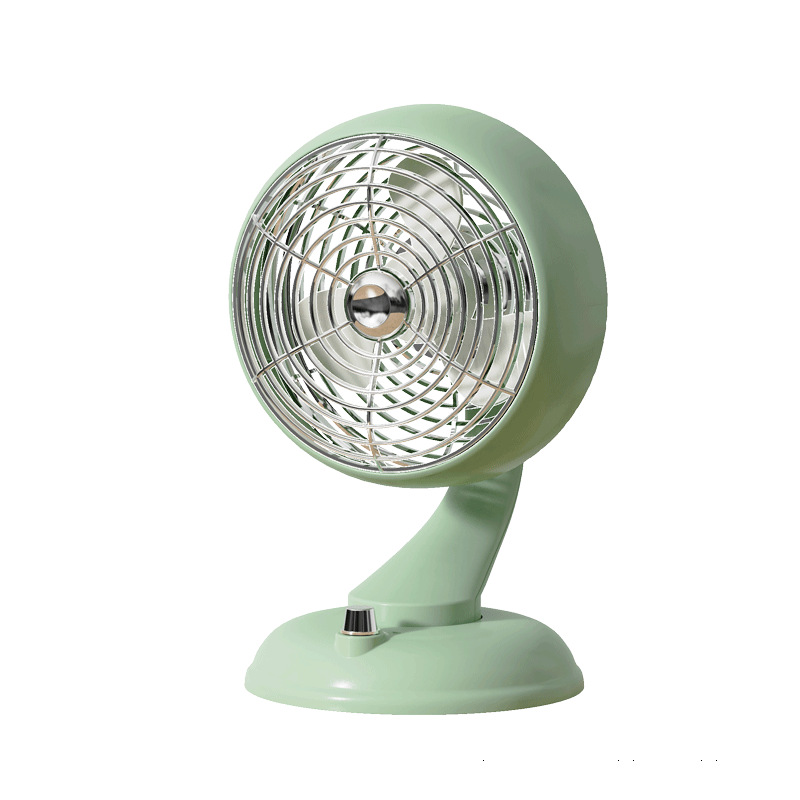
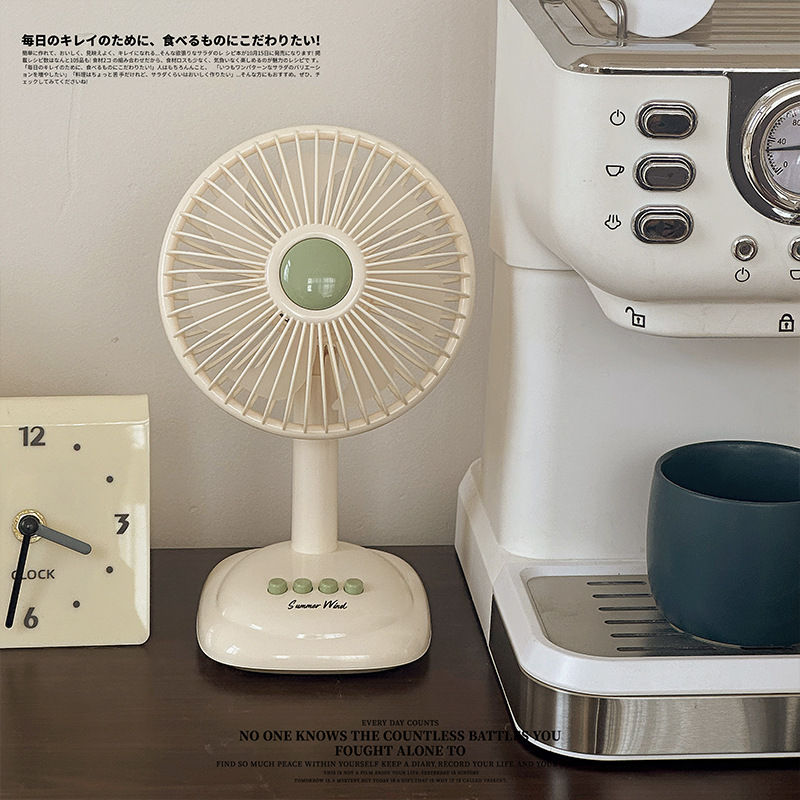
Today, many manufacturers produce retro-inspired electric fans that pay homage to the classic designs of the past. These modern fans often incorporate contemporary technology while maintaining the aesthetic appeal of vintage models. Features such as energy efficiency, quiet operation, and adjustable speeds make them practical for modern living while still capturing the charm of yesteryear.
The Appeal of Vintage Aesthetics
The vintage aesthetic continues to influence interior design trends. Homeowners often seek to incorporate vintage elements into their decor, and electric fans are a perfect addition. Whether used as functional appliances or decorative pieces, vintage fans can enhance the character of a room, adding a touch of nostalgia and style.
The Mechanics Behind Vintage Electric Fans
Understanding Fan Mechanics
To appreciate vintage electric fans fully, it is essential to understand how they work. Most vintage fans operate using a simple electric motor that spins the blades to create airflow. The motor is typically powered by alternating current, which allows for efficient operation. The design of the blades is crucial, as it determines the volume and direction of airflow. Many vintage fans feature adjustable blades, allowing users to control the intensity of the breeze.
Maintenance Tips for Vintage Fans
Maintaining a vintage electric fan is vital for preserving its functionality and aesthetic appeal. Regular cleaning is essential to remove dust and debris that can accumulate on the blades and motor. It is also important to check the wiring and electrical components for any signs of wear or damage. If a fan is not functioning correctly, it may require professional servicing to ensure safety and performance.
The Future of Vintage Electric Fans
Sustainability and Vintage Collecting
As the world becomes more environmentally conscious, vintage electric fans represent a sustainable choice for home cooling. By opting for vintage models, consumers can reduce their carbon footprint and promote the reuse of existing products. Collecting vintage fans not only preserves history but also contributes to a more sustainable future.
The Community of Vintage Enthusiasts
The community of vintage electric fan enthusiasts continues to grow, with online forums, social media groups, and local clubs dedicated to the appreciation of these unique appliances. These communities provide a platform for sharing knowledge, tips, and experiences related to collecting, restoring, and enjoying vintage fans. They foster a sense of belonging among enthusiasts, creating a vibrant culture around these timeless objects.
The Key Differences Between Antique and Vintage Electric Fans
Defining Antique vs. Vintage
When discussing electric fans, it is essential to differentiate between “antique” and “vintage.” Generally, an antique is considered to be an item that is at least 100 years old, while vintage items are typically those that are at least 20 years old but less than 100 years. This distinction is crucial for collectors, as it can significantly affect the value and desirability of a fan.
Design and Craftsmanship
Antique electric fans often feature more intricate designs and craftsmanship compared to their vintage counterparts. Many antique fans were handmade or produced in smaller quantities, resulting in unique features that are not commonly found in mass-produced vintage fans. Collectors often seek out these unique design elements, which can include ornate bases, decorative blades, and rare materials.
Value and Rarity
Antique electric fans tend to be more valuable than vintage fans due to their age, rarity, and historical significance. Collectors are often willing to pay a premium for well-preserved antique fans, especially those from renowned manufacturers. Vintage fans, while still collectible, may not command the same prices as their antique counterparts, but they can still be valuable depending on their brand, condition, and design.
How to Safely Operate and Maintain a Vintage Electric Fan
Safety Precautions
When using a vintage electric fan, safety should always be a priority. Before operating the fan, inspect the electrical cord and plug for any signs of wear or damage. If the cord is frayed or the plug is damaged, do not use the fan until it has been repaired or replaced. Additionally, ensure that the fan is placed on a stable surface to prevent it from tipping over.
Regular Maintenance
To keep a vintage electric fan in good working condition, regular maintenance is essential. This includes cleaning the blades and motor to remove dust and debris that can accumulate over time. Use a soft cloth or brush to gently clean the blades, and avoid using harsh chemicals that could damage the finish. It is also important to lubricate the motor and moving parts periodically to ensure smooth operation.
Professional Servicing
If a vintage fan is not functioning correctly, it may require professional servicing. This is especially important for fans with complex electrical components or those that have not been used for an extended period. A qualified technician can diagnose and repair any issues, ensuring that the fan operates safely and efficiently.
The Most Valuable and Rare Vintage Electric Fan Models
Notable Brands and Models
Certain brands and models of vintage electric fans are particularly sought after by collectors due to their rarity and historical significance. For example, fans produced by Emerson, Westinghouse, and GE are often considered valuable, especially if they are in good condition and feature unique designs. Specific models, such as the Emerson 77646 or the Westinghouse 16-inch fan, are highly coveted among collectors.
Factors Affecting Value
The value of a vintage electric fan can be influenced by several factors, including its age, condition, rarity, and demand among collectors. Fans that are in excellent working condition and have their original parts are typically worth more than those that have been modified or are missing components. Additionally, limited edition models or those with unique features can command higher prices in the collector’s market.
Auction and Sale Trends
The market for vintage electric fans has seen fluctuations in recent years, with certain models experiencing increased demand and value. Auctions and online marketplaces have become popular venues for buying and selling vintage fans, allowing collectors to find rare models and negotiate prices. Keeping an eye on auction trends and collector forums can provide valuable insights into the current market for vintage electric fans.
Conclusion
Vintage electric fans are more than just functional appliances; they are pieces of history that embody innovation, craftsmanship, and nostalgia. Their enduring appeal lies in their unique designs, cultural significance, and the memories they evoke. As collectors and enthusiasts continue to appreciate these timeless treasures, vintage electric fans will remain a cherished part of our homes and lives.
How to purchase:https://looperbuy.com/search?keywords=electric+fan+vintage&globalType=1688
Frequently Asked Questions
- What are the most popular brands of vintage electric fans?
Many collectors favor brands like Emerson, Westinghouse, and GE due to their quality and distinctive designs.
- How can I restore a vintage electric fan?
Restoration typically involves cleaning, repairing, and sometimes repainting the fan. Many enthusiasts share tips and techniques in online forums.
- Where can I buy vintage electric fans?
You can find vintage electric fans at auctions, antique shops, and online marketplaces like eBay and Etsy.
- What should I look for when collecting vintage fans?
Look for unique designs, quality materials, and the condition of the fan. Some collectors focus on specific brands or models.
- Are modern fans inspired by vintage designs?
Yes, many manufacturers produce retro-inspired fans that combine contemporary technology with classic aesthetics.
HOT TAG: vintage electric fans, history of electric fans, collecting vintage fans, restoration tips, nostalgic home decor, retro fan designs, sustainable cooling solutions, vintage aesthetics, fan mechanics, electric fan brands