Table of Contents
Introduction: Why Wood Folding Chairs Endure Across Generations
In a world of fleeting design trends and disposable furniture, wood folding chairs stand as a testament to enduring functionality and timeless elegance. These versatile pieces serve as essential fixtures in homes, event venues, and outdoor gatherings, blending practicality with natural beauty. Unlike mass-produced plastic or metal alternatives, wooden folding chairs offer unique warmth, durability, and craftsmanship that elevate any space. This article explores the history, design variations, maintenance tips, and modern applications of wood folding chairs, demonstrating why they remain a cherished choice for discerning users worldwide.
A Brief History of Folding Chairs in Wood
Ancient Origins and Early Innovations
The concept of folding furniture dates back to ancient Egypt and China, where early versions were crafted from wood and used in ceremonial and military contexts. These primitive designs laid the groundwork for the more refined wooden folding chairs that emerged during the Renaissance, when artisans began incorporating decorative elements into functional pieces.
Industrial Revolution to Modern Day
The mass production techniques of the 19th century made wooden folding chairs accessible to the general public. By the mid-20th century, manufacturers began experimenting with different wood species and joinery methods, leading to the diverse range of styles available today. Despite advancements in materials, wood has remained a preferred choice for its natural aesthetic and structural integrity.
Design Variations and Stylistic Elements
Classic vs. Contemporary Styles
Traditional wood folding chairs often feature spindle backs, curved legs, and ornate carvings, reflecting Victorian or Shaker influences. Modern interpretations favor clean lines, minimalist silhouettes, and lighter wood tones, catering to current interior design trends.
Wood Species and Their Unique Characteristics
- Oak: Renowned for its strength and prominent grain patterns, oak folding chairs develop a rich patina over time.
- Walnut: Prized for its dark, luxurious hue and smooth texture, walnut adds a touch of sophistication to any setting.
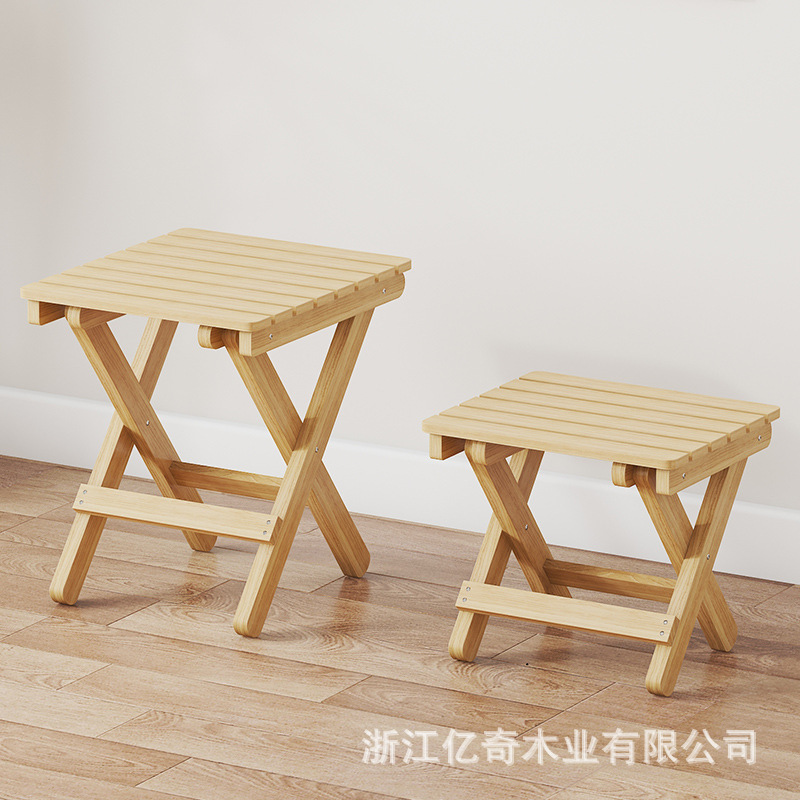
- Pine: A more affordable option, pine offers a light, airy feel and is easily customizable with paint or stain.
- Teak: Naturally resistant to moisture and insects, teak is ideal for outdoor use, maintaining its integrity in harsh conditions.
Functional Features That Enhance Usability
Many modern wood folding chairs incorporate thoughtful details such as padded seats, ergonomic curves, and reinforced joints to improve comfort and durability without compromising their folding mechanism.
The Craftsmanship Behind Quality Wood Folding Chairs
Joinery Techniques That Ensure Longevity
Dovetail joints, mortise-and-tenon connections, and reinforced corner blocks distinguish high-quality wooden folding chairs from their flimsy counterparts. These time-tested methods create sturdy, long-lasting pieces that resist wobbling and loosening over time.
Finishing Touches: Stain, Paint, and Sealants
The final finish plays a crucial role in both aesthetics and protection. Hand-applied stains highlight the wood’s natural grain, while multiple coats of sealant shield against spills, UV rays, and everyday wear.
Practical Applications in Modern Settings
Home Use: From Dining Rooms to Home Offices
Wood folding chairs seamlessly transition between formal dining settings and casual spaces like basements or home offices. Their stackable design makes storage effortless, while their warm appearance enhances any room’s ambiance.
Event Venues: Weddings, Parties, and Community Gatherings
Event planners favor wooden folding chairs for their classic look and reliable performance. Covered with decorative cushions or left bare, they provide comfortable seating for hundreds without sacrificing style.
Outdoor Spaces: Patios, Gardens, and Beachfronts
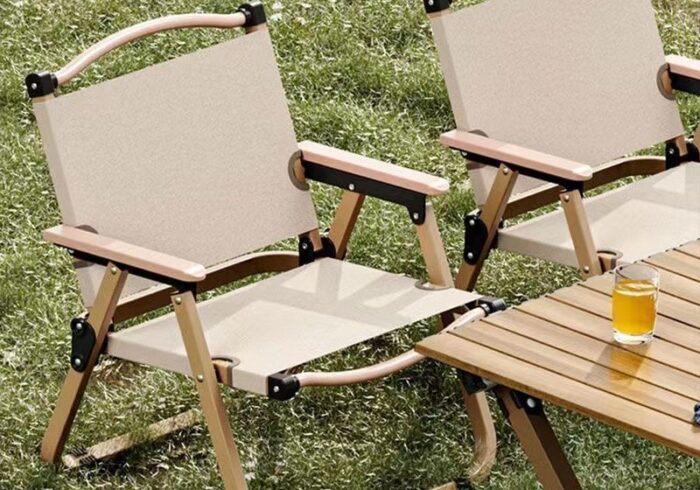
When constructed from weather-resistant woods like teak or cedar, folding chairs become indispensable for al fresco dining, poolside lounging, and seaside picnics. Proper care ensures they withstand rain, sun, and temperature fluctuations.
Maintenance and Care for Long-Lasting Beauty
Routine Cleaning and Upkeep
Dust wooden folding chairs weekly with a soft cloth, addressing spills promptly with a damp cloth and mild soap. Avoid harsh chemicals that strip the finish or damage the wood.
Seasonal Maintenance and Repairs
Inspect joints and hinges annually for signs of wear, tightening screws and applying lubricant as needed. Refinish surfaces every few years to restore vibrancy and protect against moisture penetration.
Storage Solutions to Prevent Damage
When not in use, store chairs in a dry, climate-controlled environment. Stack them neatly with padding between layers to prevent scratches and warping.
Sustainability and Eco-Friendly Considerations
Choosing Responsibly Sourced Wood
Look for certifications like FSC (Forest Stewardship Council) to ensure your chairs come from responsibly managed forests. Reclaimed wood offers another sustainable option, giving new life to old materials.
Repairing Instead of Replacing
A wobbly leg or loose hinge doesn’t necessarily mean a chair is beyond saving. With basic tools and some patience, many issues can be fixed, extending the chair’s lifespan and reducing waste.
Conclusion: Why Wood Folding Chairs Deserve a Place in Your Home
Wood folding chairs bridge the gap between practicality and beauty, offering a level of craftsmanship and warmth that synthetic materials simply can’t replicate. Whether you’re furnishing a cozy cottage or equipping a bustling event space, these versatile chairs provide reliable seating with timeless appeal. By understanding their history, appreciating their design nuances, and committing to proper maintenance, you can enjoy your wooden folding chairs for generations to come.
How to purchase: https://looperbuy.com/search?keywords=wood+folding+chair
Frequently Asked Questions (FAQs)
What makes wood folding chairs more durable than plastic or metal alternatives? Wooden folding chairs withstand years of use without losing their structural integrity, unlike plastic chairs that crack or metal ones that rust. The natural flexibility of wood absorbs impact, while proper joinery prevents wobbling.
How can I prevent wooden folding chairs from squeaking during use? Apply a silicone-based lubricant to the hinges and joints, tightening any loose screws. For a natural solution, rub beeswax into the moving parts to reduce friction and add a protective coating.
Are wood folding chairs suitable for outdoor use in all climates? Only if constructed from weather-resistant woods like teak or cedar and regularly maintained with sealants. Pine or oak chairs should remain indoors or under cover to prevent warping and rot.
What’s the best way to restore the finish on an old wooden folding chair? Sand the surface lightly to remove scratches, then apply a wood conditioner followed by a stain matching the original color. Finish with multiple coats of clear sealant to protect the renewed surface.
Can I customize a wood folding chair to match my home’s decor? Absolutely—paint it in a bold color, apply a distressed finish, or add decorative carvings. Replace the seat with upholstered fabric for extra comfort and a personalized touch.
Hot Tags: Wood folding chairs; Rustic home decor; Event seating solutions; Sustainable furniture; Outdoor wooden chairs; Handcrafted folding chairs; Classic dining chairs; Vintage chair restoration; Eco-friendly home furnishings; Multi-purpose wood furniture