The human connection to the sea is an ancient and profound narrative that has shaped civilizations, inspired folklore, and driven scientific discovery. However, in the modern era, this fascination has manifested in a way that is far more tactile and intimate than a traditional aquarium or a documentary film. The rise of the fish plush toy as a global phenomenon represents a unique intersection of interior design, psychological comfort, and a growing collective desire to bring the wonders of the deep blue into our personal sanctuaries. These soft, stuffed companions have evolved from simple nursery ornaments into sophisticated icons of comfort that appeal to children and adults alike, offering a silent, cuddly bridge to the mysterious world beneath the waves.
Table of Contents
The Lure of the Deep in Textile Form
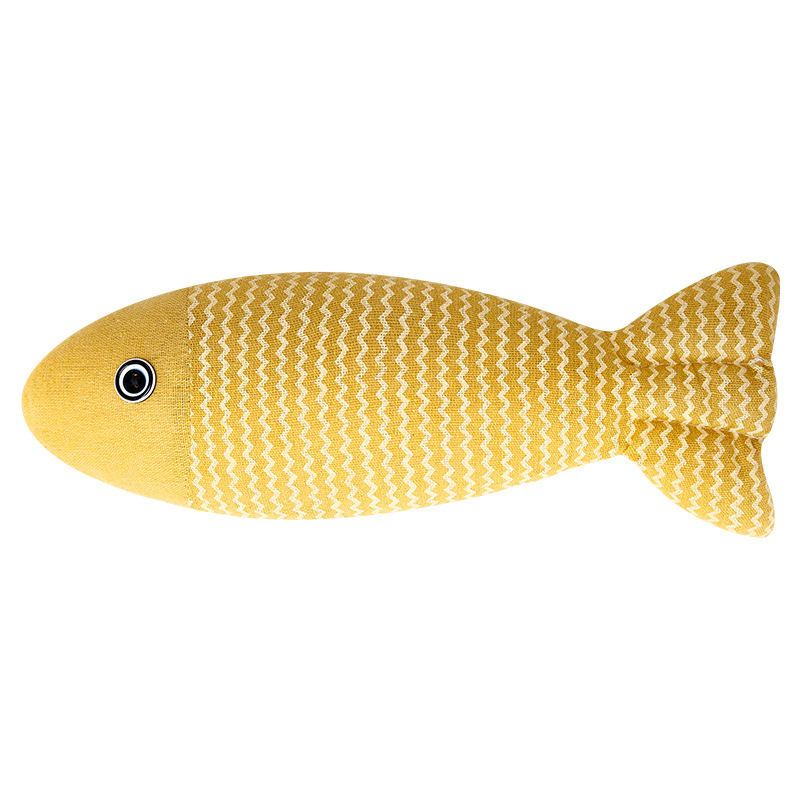
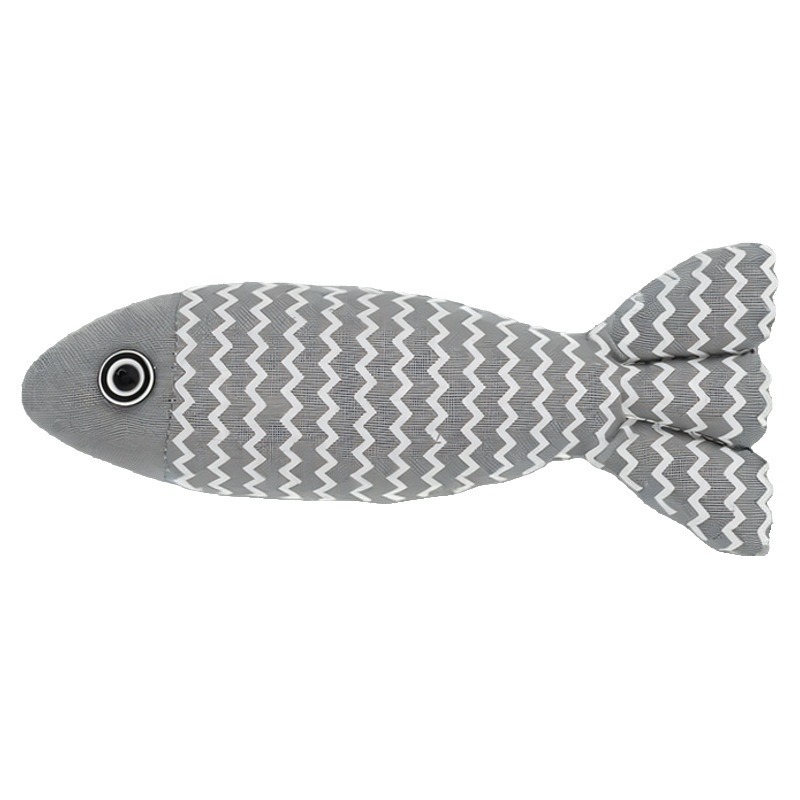
The primary allure of an aquatic plushie lies in its departure from the traditional animal kingdom of the toy world. For decades, the market was dominated by mammals—bears, dogs, and cats—leaving a vast, untapped potential in the marine environment. When designers began to experiment with the streamlined forms and vibrant colors of tropical fish, they discovered a visual language that was both refreshing and aesthetically versatile. A fish plush toy provides a splash of organic color that can brighten a room in a way that a brown teddy bear simply cannot. From the brilliant oranges and whites of the clownfish to the deep, calming indigos of the whale shark, these objects function as both pillows and pieces of soft sculpture, reflecting a broader trend toward biophilic interior design.
Beyond their colors, the shapes of these toys are inherently satisfying. Evolution has sculpted fish to move through water with minimal resistance, resulting in smooth, aerodynamic silhouettes. When translated into plush materials, these shapes offer a unique tactile experience. The lack of protruding limbs or complex joints makes them incredibly efficient for hugging, sleeping, or even using as lumbar support during a long day at a desk. This functional simplicity is a cornerstone of their enduring popularity, allowing them to fit naturally into the domestic landscape without the visual clutter associated with more complex toy designs.
The Art of Aquatic Textile Design and Craftsmanship
Creating a high-quality fish plush toy is a complex task that requires a deep understanding of both marine biology and textile engineering. Unlike land animals, which are often characterized by their fur, fish have skin that is either smooth, scaly, or shimmering. Replicating these textures in a soft medium requires innovative fabric choices and sophisticated manufacturing techniques. The industry has moved toward high-end synthetics like minky and micro-velvet, which provide a luxurious softness while maintaining the structural integrity necessary to hold a fish’s specific form.
Replicating Scales and Shimmer with Modern Fabrics
One of the most impressive developments in the world of marine plushies is the use of sublimation printing and holographic foils to mimic the iridescent quality of fish scales. Designers can now print intricate patterns—such as the spotted skin of a whale shark or the complex stripes of a lionfish—directly onto the fabric with incredible precision. This allows for a level of realism that was previously impossible. Some manufacturers even incorporate “glow-in-the-dark” elements to represent bioluminescent deep-sea creatures, turning the toy into a functional piece of art that changes its appearance based on the lighting of the room. This attention to detail transforms the object from a simple plaything into a collector’s item that rewards close inspection.
The Engineering of Fins and Structural Integrity
The fins of a fish plush toy are perhaps its most distinctive and difficult feature to construct. They must be thin and flexible enough to feel realistic, yet sturdy enough to retain their shape after years of being squeezed. To achieve this, master seamstresses often use internal layers of flexible foam or specialized “sandwich” stitching. The placement of these fins is also crucial for the toy’s balance; a well-designed plushie should be able to sit upright on a shelf or bed without toppling over. This focus on structural engineering ensures that the toy remains a faithful representation of its living counterpart, fostering a deeper appreciation for the architectural wonders of marine life.
Therapeutic Value of Marine Companions
The psychological benefits of soft toys are well-documented, but the fish plush toy offers a specific type of comfort that is rooted in the “Blue Mind” theory—the idea that being near water, or even representations of water, can significantly reduce stress and promote mental clarity. While a plush toy cannot offer the sound of waves or the smell of salt air, it acts as a powerful symbolic anchor to those calming environments. For many, the sight of a soft, smiling dolphin or a plump tuna evokes memories of summer vacations and the peaceful silence of the underwater world.
Ergonomics of the Fish Shape for Emotional Support
From a physical standpoint, the elongated, cylindrical bodies of many fish species make them ideal for “heavy-work” sensory input. Many individuals with sensory processing disorders find that hugging a large, dense fish plush toy provides the grounding pressure needed to regulate their nervous systems. Unlike a standard rectangular pillow, a fish-shaped toy can be wrapped around the neck or tucked under an arm, conforming to the natural curves of the human body. This ergonomic versatility makes them a favorite for those who suffer from insomnia or chronic anxiety, providing a constant, soft presence that does not demand anything in return.
Stress Reduction and the Visual Language of Peace
The visual impact of an aquatic plushie should not be underestimated. Traditional toys often have forward-facing eyes that can feel “watchful,” but the side-positioned eyes of a fish create a more neutral and non-intrusive aesthetic. This makes them particularly suitable for minimalist living spaces or offices where a traditional stuffed animal might feel out of place. The simple, wide-eyed expression of a fish plush toy is universally perceived as non-threatening and innocent, making it an ideal companion for children who are navigating the complexities of early social development or for adults who simply need a quiet moment of reprieve from a fast-paced world.
A Sea of Diversity in Your Living Room
One of the most exciting aspects of the fish plush toy market is the sheer diversity of species available. Consumers are no longer limited to generic “goldfish” or “sharks.” Today, the ocean’s biodiversity is fully represented in the aisles of toy stores and the pages of online boutiques. This variety allows individuals to express their personal interests and scientific curiosities through their choice of companion.
The Popularity of Apex Predators
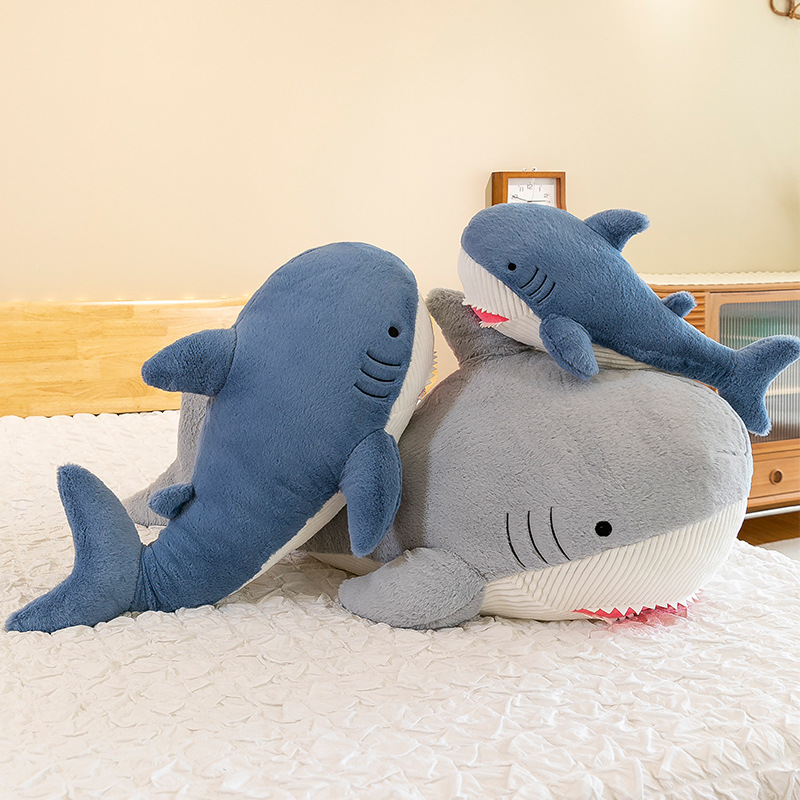
The shark is, without question, the most iconic subject in the world of marine plushies. There is a fascinating irony in turning one of nature’s most feared predators into a soft, squishy object. By reimagining the Great White or the Hammerhead in fleece and cotton, designers allow us to confront our fears in a safe and playful way. This subversion of the shark’s reputation has even led to global cultural phenomena, where specific shark plushies become symbols of online communities or comfort icons for specific demographics. These toys humanize the ocean’s “monsters,” fostering a sense of empathy and fascination rather than terror.
The Charm of the Weird and Deep
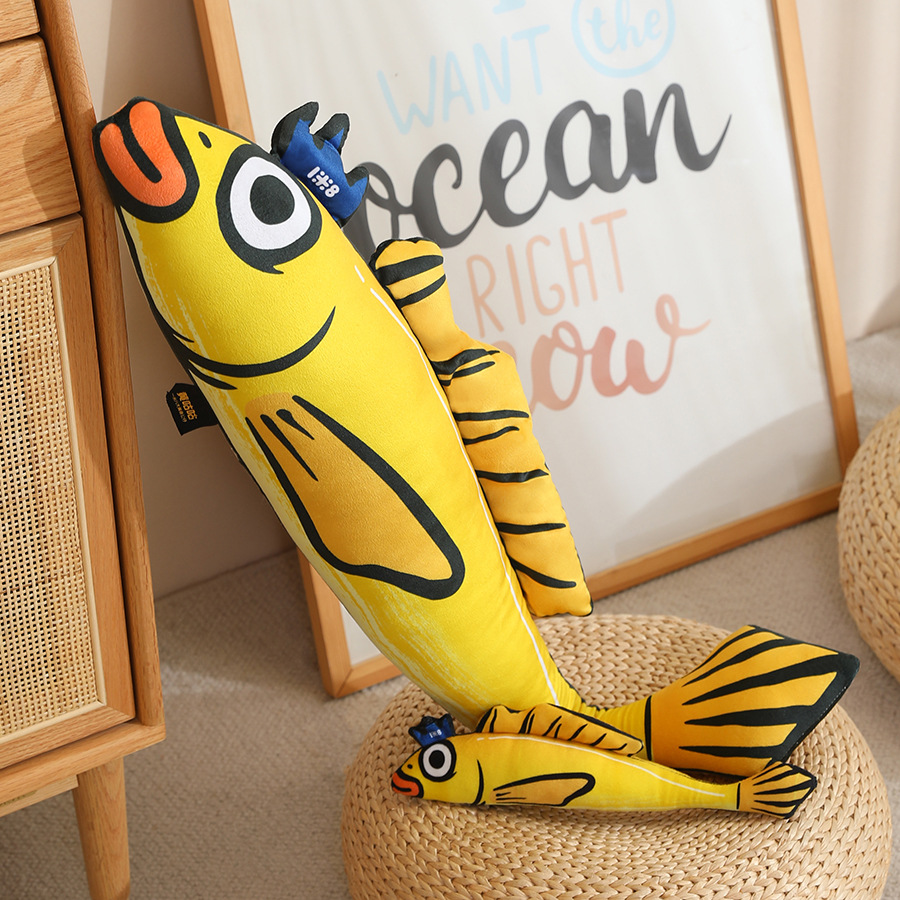
In recent years, there has been a significant surge in the popularity of “ugly-cute” deep-sea creatures. The blobfish, the anglerfish, and the giant isopod have moved from the depths of the ocean floor to the tops of trendy bedroom dressers. These creatures, which might be considered grotesque by traditional standards, are embraced for their quirkiness and individuality. A blobfish plush toy, with its drooping features and pink hue, serves as a reminder that beauty is subjective and that even the strangest life forms deserve our affection. This trend reflects a broader cultural shift toward authenticity and the celebration of the “misfit,” making the deep-sea plushie a perfect emblem for the modern age.
Sustainable Waves in Toy Manufacturing
As we become more aware of the environmental challenges facing our oceans, the production of the fish plush toy has taken a turn toward sustainability. It is a logical progression; those who love marine life are often the most passionate about protecting it. This has led to a “green revolution” in the plush industry, where manufacturers are seeking ways to minimize their ecological footprint while still delivering high-quality products.
The most significant innovation in this area is the use of recycled ocean plastics. Several forward-thinking brands now harvest discarded plastic bottles and fishing nets from coastal regions, processing them into high-quality polyester fibers for the shells and stuffing of their plushies. This creates a beautiful “closed-loop” system where the toy itself contributes to the cleaning of its real-life counterpart’s habitat. Furthermore, many companies have moved away from plastic-heavy packaging, opting instead for biodegradable cardboard or reusable cloth bags. This commitment to the environment adds a layer of ethical value to the fish plush toy, allowing consumers to feel good about their purchase on multiple levels.
Bridging Education and Imagination
Finally, the fish plush toy serves as a vital educational tool. For many children, a stuffed fish is their first tangible encounter with a specific species. It sparks questions: “Where does this fish live?” “What does it eat?” “Why does it have those spots?” This curiosity is the foundation of scientific literacy and environmental stewardship. When a child develops an emotional bond with a plush sea turtle or a manatee, they are far more likely to care about the conservation of those animals in the wild.
In schools and museums, these toys are often used as “tactile ambassadors” to help students understand the complexities of marine ecosystems. Holding a life-sized representation of a baby seal or a coral trout makes the abstract concepts of biology feel real and immediate. By combining play with learning, the fish plush toy helps to cultivate a new generation of ocean advocates who see the sea not just as a resource, but as a home for creatures that they have come to know and love in their own bedrooms.
Conclusion
The fish plush toy is far more than a simple novelty; it is a multifaceted object that reflects our deepest emotional needs, our artistic aspirations, and our environmental responsibilities. Through its soft curves and vibrant colors, it brings a piece of the vast, untamed ocean into the palm of our hands, providing comfort, education, and aesthetic joy. Whether it is a scientifically accurate deep-sea specimen or a whimsical, cartoonish reef dweller, the fish plush toy remains a testament to our enduring love for the water and the resilient, beautiful creatures that call it home. In an increasingly complex world, these soft companions offer a simple, silent reminder to “just keep swimming,” providing a source of strength and softness that transcends age and culture.
How to purchase:Online B2B sourcing platform, China purchase, Chinese suppliers – LooperBuy
Frequently Asked Questions
1. What makes a fish plush toy different from other stuffed animals?
Fish plush toys are unique because of their streamlined, limb-free shapes and their use of vibrant, often iridescent fabrics. Their ergonomic design makes them exceptionally comfortable for hugging or use as pillows, while their non-intrusive, side-positioned eyes offer a different aesthetic compared to traditional forward-facing animal toys.
2. Are these toys suitable for people with sensitive skin or allergies?
Most high-quality fish plush toys are made from hypoallergenic synthetic materials like polyester and minky fabric. These materials do not harbor dust mites as easily as natural fibers and are generally free from common allergens, making them safe for children and adults with sensitivities, provided they are kept clean.
3. How has the design of these toys changed to be more eco-friendly?
Modern manufacturers are increasingly using rPET, which is polyester made from recycled plastic bottles recovered from the ocean. This shift, along with the use of organic dyes and plastic-free packaging, helps ensure that the production of these toys does not contribute to the pollution of real marine habitats.
4. Why are deep-sea creatures like the blobfish becoming popular as toys?
The “ugly-cute” trend has brought weird and wonderful deep-sea creatures into the spotlight. These toys appeal to people who enjoy unconventional beauty and unique scientific facts. They celebrate the diversity of the ocean and serve as a quirky way for individuals to express their personality through their decor.
5. Can a fish plush toy be used as a legitimate educational tool for children?
Yes, they are excellent for tactile learning. By providing a physical representation of a marine species, these toys help children visualize the anatomy and scale of fish. They often spark curiosity about marine biology and conservation, making the learning process more engaging and emotionally resonant.
HOT TAG:
Fish plush toy, Aquatic room decor, Ocean themed nursery, Stuffed marine animals, Sustainable toy brands, Recycled ocean plastic plush, Deep sea creature toys, Shark plushies for adults, Therapeutic stuffed animals, Sensory comfort toys, Minky fabric fish, Marine biology gifts, Cute blobfish plush, Collector fish toys, Educational plushies, Home comfort essentials, Blue Mind theory, Tropical fish decor, Whale shark pillows, Eco-friendly gifts 2026.