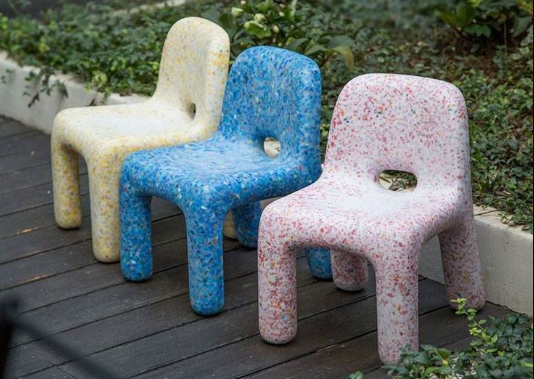
In today’s environmentally conscious world, recycled plastic furniture has emerged as a revolutionary solution that combines ecological responsibility with aesthetic appeal. This comprehensive guide explores the fascinating realm of furniture crafted from recycled plastics, delving into its benefits, production processes, and why it’s becoming increasingly popular among eco-savvy consumers and interior design enthusiasts alike.
Table of Contents
Understanding Recycled Plastic Furniture
Recycled plastic furniture represents a innovative approach to manufacturing, utilizing discarded plastic materials that would otherwise contribute to environmental pollution. These items are transformed through specialized processes into durable, functional, and stylish furniture pieces suitable for both indoor and outdoor settings.
The Manufacturing Process
The creation of recycled plastic furniture begins with the collection of post-consumer and post-industrial plastic waste. This raw material is then cleaned, sorted by type, and shredded into small pieces. These shreds are melted at high temperatures and molded into various furniture components. Unlike traditional plastic production, this process consumes significantly less energy and produces minimal greenhouse gas emissions.
Types of Recycled Plastic Furniture
The versatility of recycled plastic allows for a wide range of furniture types, including:
- Outdoor furniture such as patio sets, deck chairs, and garden tables
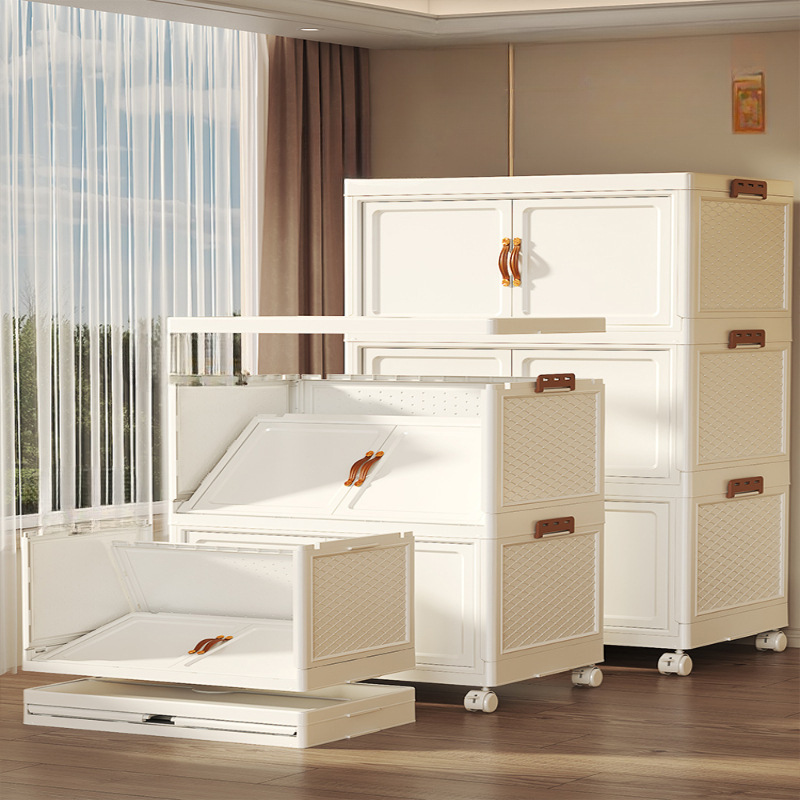
- Indoor pieces like storage units, coffee tables, and decorative items
- Commercial furniture for parks, schools, and public spaces
Each type offers unique advantages while maintaining the core benefit of environmental sustainability.
Environmental Impact and Benefits
The production and use of recycled plastic furniture provide substantial environmental benefits that address some of our most pressing ecological challenges.
Reducing Plastic Pollution
One of the most significant advantages is the reduction of plastic waste in landfills and oceans. By repurposing discarded plastics, this furniture helps decrease the enormous amount of plastic that ends up in natural environments, threatening wildlife and ecosystems.
Lower Carbon Footprint
The production process for recycled plastic furniture requires less energy compared to manufacturing new plastic or other traditional materials. This reduction in energy consumption translates to lower carbon emissions, contributing to the global effort to combat climate change.
Water Conservation
Unlike some other materials, recycled plastic furniture production doesn’t require large amounts of water. This is particularly important in regions facing water scarcity challenges, making recycled plastic an environmentally responsible choice.
Practical Advantages for Consumers
Beyond its environmental benefits, recycled plastic furniture offers several practical advantages that make it an attractive option for consumers.
Durability and Longevity
Recycled plastic furniture is exceptionally durable, often outlasting traditional wooden or metal furniture. It’s resistant to weather conditions, making it ideal for outdoor use, and doesn’t suffer from issues like rotting, warping, or rusting.
Low Maintenance Requirements
This type of furniture is remarkably easy to maintain. It typically only requires occasional cleaning with mild soap and water, and doesn’t need staining, painting, or other forms of regular maintenance that traditional furniture might require.
Aesthetic Appeal and Versatility
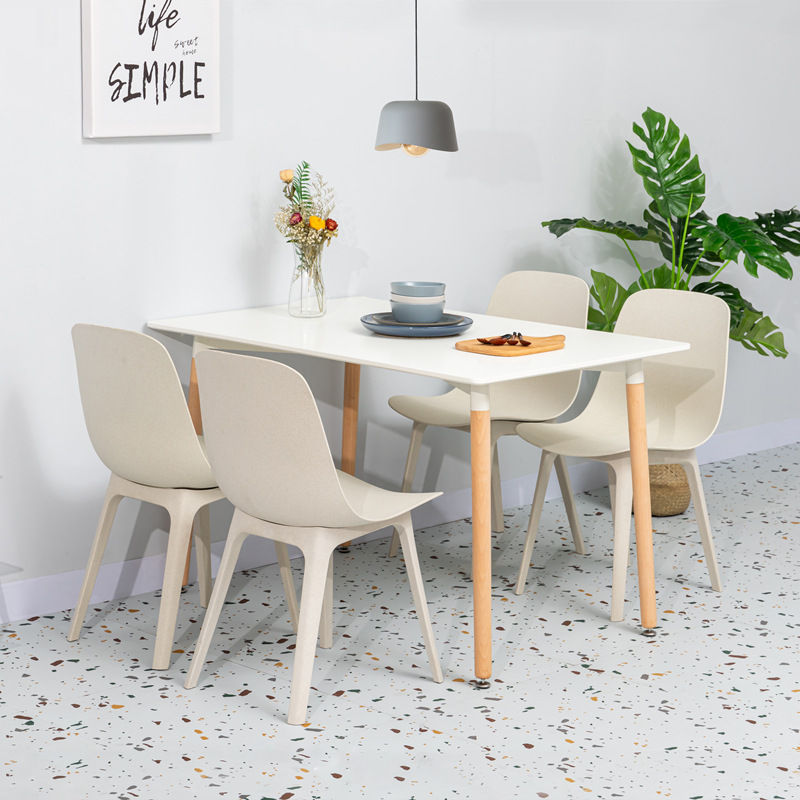
Modern recycled plastic furniture comes in a variety of colors, styles, and designs, allowing consumers to find pieces that complement their existing decor. From contemporary to traditional styles, there’s a wide range of options available to suit different tastes and interior design schemes.
Making Informed Purchasing Decisions
When shopping for recycled plastic furniture, several factors should be considered to ensure you make the best choice for your needs and preferences.
Quality and Certification
Look for furniture made from high-quality recycled materials and manufactured by reputable companies. Certifications from environmental organizations can provide assurance about the product’s sustainability claims.
Style and Functionality
Consider how the furniture will be used and select designs that both meet your functional requirements and complement your space. Think about factors like comfort, storage capabilities, and size appropriateness.
Long-Term Value
While the initial cost might sometimes be higher than conventional furniture, consider the long-term value. Recycled plastic furniture’s durability and low maintenance costs often result in significant savings over time.
The Future Outlook
As environmental awareness continues to grow, the future of recycled plastic furniture looks promising. Technological advancements are likely to improve production processes, making these items even more affordable and widely available. Additionally, increasing consumer demand for sustainable products will drive innovation and expand the range of options in this exciting furniture category.
Conclusion
Recycled plastic furniture stands at the intersection of environmental responsibility and practical home solutions. It offers a tangible way for consumers to reduce their ecological footprint while enjoying functional and attractive furniture. As both manufacturers and consumers continue to embrace sustainable practices, recycled plastic furniture is poised to play an increasingly important role in our homes and public spaces, helping to transform waste into valuable, beautiful, and long-lasting products.
How to Purchase:https://looperbuy.com/search?keywords=recycled+plastic+furniture
Frequently Asked Questions (FAQs)
Q1: Is recycled plastic furniture as durable as traditional furniture?
A1: Yes, recycled plastic furniture is often more durable than traditional options. It’s resistant to weather, moisture, and pests, making it suitable for both indoor and outdoor use. Properly maintained, these pieces can last for decades without showing significant wear and tear.
Q2: Can recycled plastic furniture be recycled again?
A2: Absolutely. One of the key advantages of recycled plastic furniture is that it can typically be recycled again at the end of its useful life. This creates a closed-loop system that minimizes waste and supports ongoing sustainability efforts.
Q3: How do I clean and maintain recycled plastic furniture?
A3: Maintenance is straightforward. Regular dusting and occasional cleaning with mild soap and water are usually sufficient. For stubborn stains, a slightly more concentrated cleaning solution may be used without damaging the furniture.
Q4: Where can I buy quality recycled plastic furniture?
A4: Quality recycled plastic furniture is available from specialized eco-friendly retailers, both online and in physical stores. Look for companies that provide information about their manufacturing processes and material sources to ensure you’re purchasing genuinely sustainable products.
Q5: Is recycled plastic furniture more expensive than conventional furniture?
A5: While initial costs can sometimes be higher, recycled plastic furniture often represents better long-term value. Its durability and low maintenance requirements result in significant savings over time compared to furniture that needs frequent replacement or extensive upkeep.