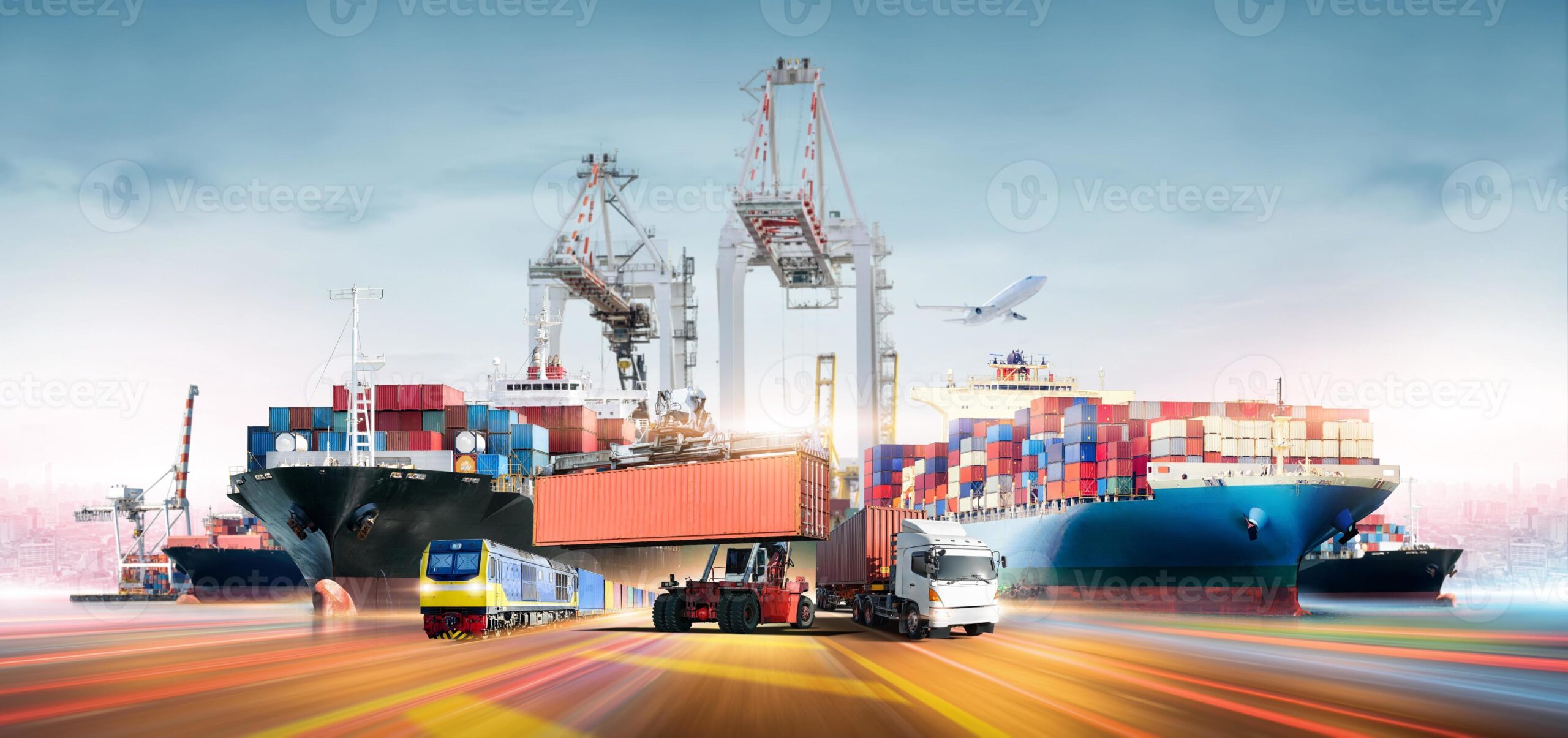
In an increasingly interconnected world, the dynamics of global trade are evolving rapidly. As businesses expand their reach beyond borders, understanding the intricacies of international logistics becomes paramount. This article explores the various facets of global trade, focusing on logistics, shipping methods, regulatory challenges, and the future of international commerce.
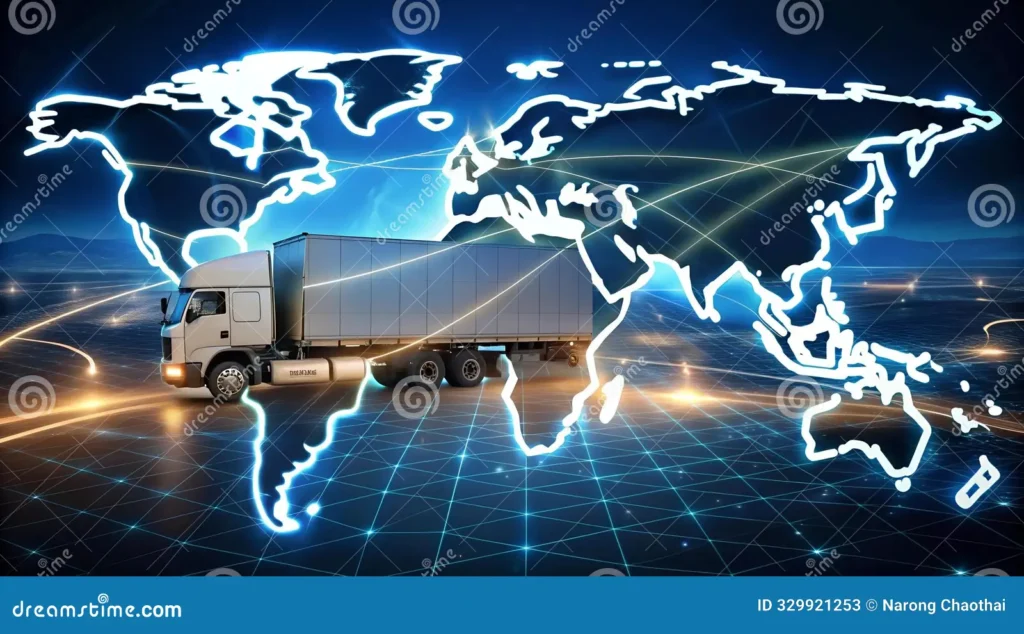
Table of Contents
Understanding International Logistics
International logistics encompasses the planning, implementation, and control of the flow of goods and services across international borders. It involves a complex network of transportation, warehousing, and distribution systems that ensure products reach their destinations efficiently and cost-effectively.
The Role of Logistics in Global Trade
Logistics plays a crucial role in facilitating global trade by ensuring that products are delivered to consumers in a timely manner. Efficient logistics systems can reduce costs, improve customer satisfaction, and enhance a company’s competitive edge in the global marketplace.
Key Components of International Logistics
- Transportation: The movement of goods is the backbone of logistics. Various modes of transportation, including air, sea, rail, and road, are utilized based on factors such as cost, speed, and the nature of the goods being shipped.
- Warehousing: Storage facilities are essential for managing inventory and ensuring that products are available when needed. Warehousing strategies can vary significantly depending on the type of goods and market demand.
- Customs Clearance: Navigating customs regulations is a critical aspect of international logistics. Understanding the documentation and compliance requirements for different countries is essential to avoid delays and additional costs.
Shipping Methods in Global Trade
Choosing the right shipping method is vital for businesses engaged in international trade. Each method has its advantages and disadvantages, and the choice often depends on the nature of the goods, budget constraints, and delivery timelines.
Air Freight
Air freight is the fastest shipping method, making it ideal for time-sensitive shipments. It is commonly used for high-value items, perishables, and urgent deliveries. However, air freight is also the most expensive option, which can impact profit margins.
Sea Freight
Sea freight is a more economical option for shipping large volumes of goods. While it takes longer than air freight, it is suitable for bulk shipments and heavy items. Businesses often choose sea freight for non-urgent deliveries, as it offers significant cost savings.
Road and Rail Transport
Road and rail transport are essential for moving goods within countries and between neighboring nations. These methods are often used for last-mile delivery and can be combined with air or sea freight for a comprehensive logistics solution.
Challenges in International Logistics
While international logistics offers numerous opportunities, it also presents several challenges that businesses must navigate to succeed in the global marketplace.
Regulatory Compliance
Each country has its own set of regulations governing imports and exports. Understanding these regulations is crucial to avoid penalties and ensure smooth customs clearance. Businesses must stay informed about changes in trade policies, tariffs, and import/export restrictions.
Supply Chain Disruptions
Global events, such as natural disasters, political instability, and pandemics, can disrupt supply chains and impact logistics operations. Businesses must develop contingency plans to mitigate the effects of such disruptions and ensure continuity in their operations.
Cost Management
Managing logistics costs is a significant challenge for businesses engaged in international trade. Factors such as fuel prices, labor costs, and shipping fees can fluctuate, impacting overall profitability. Companies must continuously evaluate their logistics strategies to identify cost-saving opportunities.
The Future of Global Trade and Logistics
As technology continues to advance, the future of global trade and logistics is poised for transformation. Emerging trends and innovations are reshaping the logistics landscape, offering new opportunities for businesses.
Automation and Technology
The integration of automation and technology in logistics operations is revolutionizing the industry. Automated warehouses, robotics, and artificial intelligence are streamlining processes, reducing labor costs, and improving efficiency. Companies that embrace these technologies will gain a competitive advantage in the global marketplace.
Sustainability in Logistics
Sustainability is becoming a critical focus for businesses worldwide. Consumers are increasingly demanding environmentally friendly practices, prompting companies to adopt sustainable logistics solutions. This includes optimizing transportation routes, reducing packaging waste, and utilizing eco-friendly materials.
E-commerce and Last-Mile Delivery
The rise of e-commerce has transformed the logistics landscape, with last-mile delivery becoming a key focus for businesses. Companies must develop efficient last-mile delivery strategies to meet consumer expectations for fast and reliable service. This may involve partnerships with local delivery services, utilizing technology for route optimization, and enhancing customer communication.
Conclusion
Navigating the complexities of international logistics is essential for businesses looking to thrive in the global marketplace. By understanding the various shipping methods, addressing regulatory challenges, and embracing technological advancements, companies can enhance their logistics operations and improve customer satisfaction. As the landscape of global trade continues to evolve, staying informed about emerging trends and best practices will be crucial for success.
To optimize your international logistics and enhance your global trade strategy, consider exploring the innovative solutions offered by LooperBuy. Visit https://looperbuy.com/ for more information.
Related Questions & Answers
· What are the main challenges in international logistics? The main challenges include regulatory compliance, supply chain disruptions, and cost management.
· How does technology impact logistics operations? Technology enhances logistics operations through automation, improving efficiency, and reducing costs.
· What is the significance of last-mile delivery in e-commerce? Last-mile delivery is crucial for meeting consumer expectations for fast and reliable service in e-commerce.
· How can businesses ensure compliance with international shipping regulations? Businesses can ensure compliance by staying informed about regulations, preparing accurate documentation, and working with customs brokers.
· What trends are shaping the future of global trade? Emerging trends include automation, sustainability, and the rise of e-commerce, which are transforming logistics operations.
Hot Tags: International Logistics; Global Trade; Shipping Methods; Air Freight; Sea Freight; Supply Chain Management; E-commerce Logistics; Automation in Logistics; Sustainable Practices