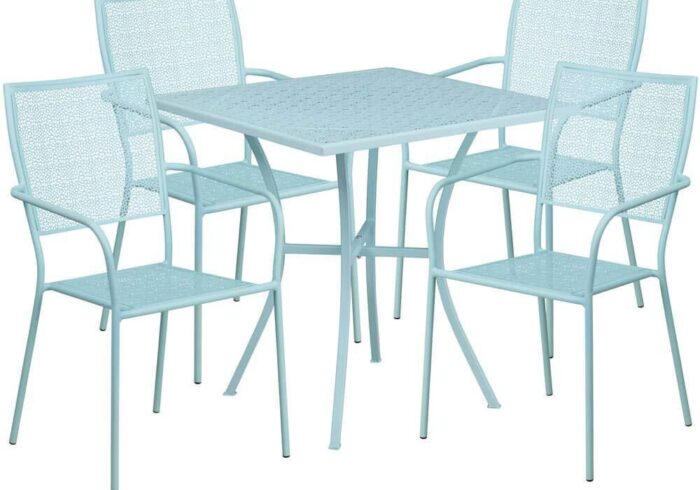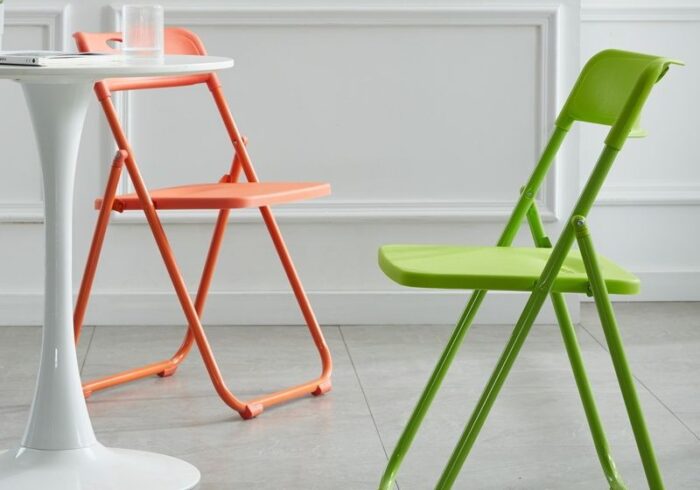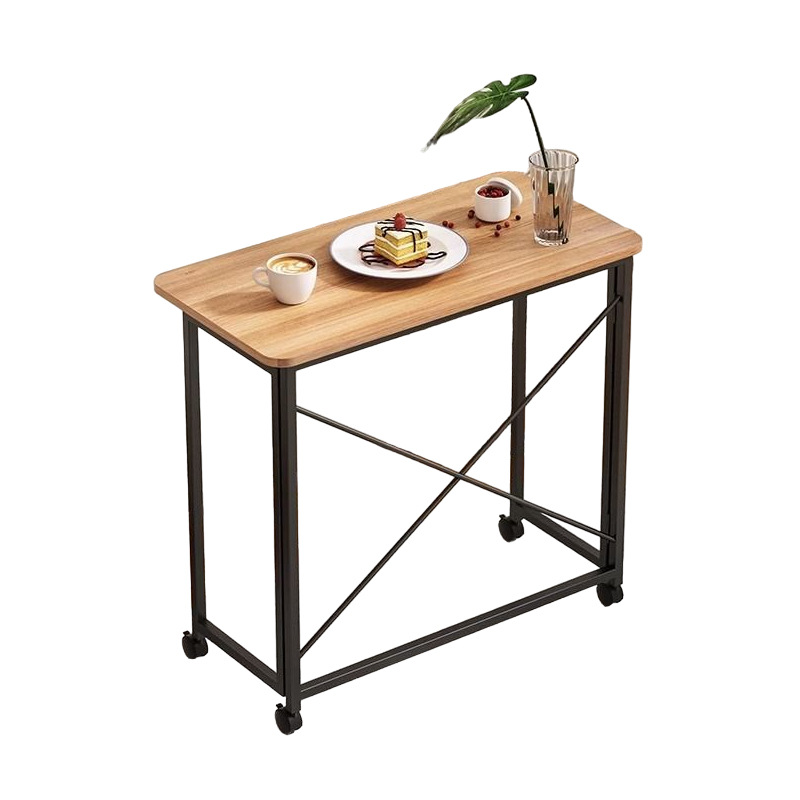
Folding tables are incredibly versatile and practical pieces of furniture. Whether you need a table for dining, crafting, or working, a folding table can be a space-saving solution. In this article, we’ll explore how to make a folding table, covering the materials, tools, and step-by-step process to create your own custom piece.
Table of Contents
Why Build Your Own Folding Table?
Building your own folding table allows you to customize the size, style, and functionality to perfectly suit your needs. It’s a cost-effective way to get exactly the table you want, and it adds a personal touch to your home or workspace.
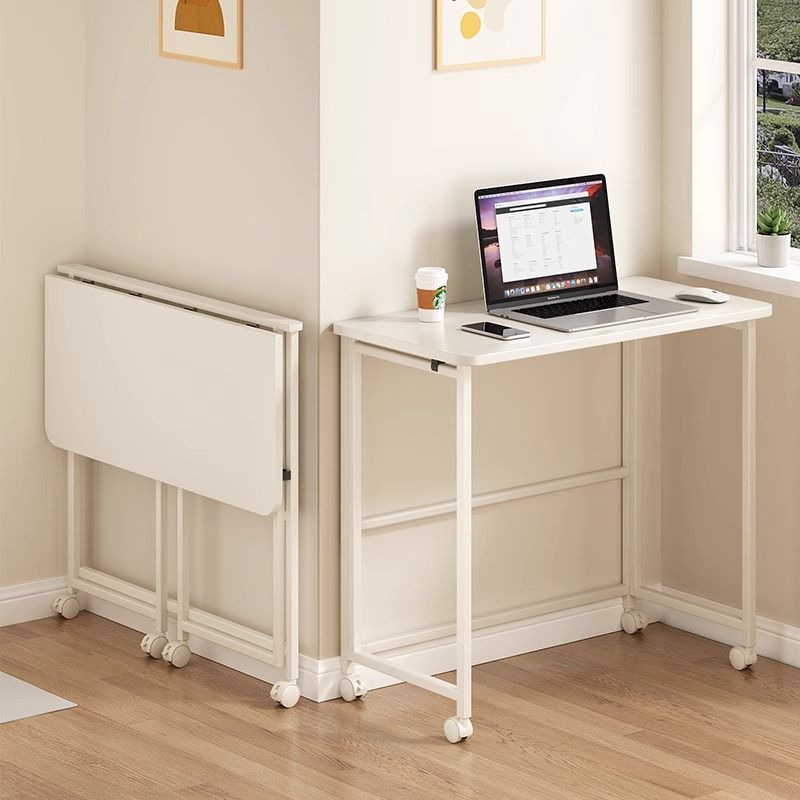
Materials and Tools You’ll Need
Materials
- Plywood: At least 3/4″ thick for the tabletop and frame. The size depends on the desired dimensions of your table.
- 2x4s or 1x2s: For the frame and legs. The length will vary based on your table’s design.
- Wood glue: To secure joints and add strength.
- Screws or nails: For assembly. Use screws for a stronger hold.
- Sandpaper: To smooth surfaces.
- Paint or stain: Optional, for finishing.
Tools
- Saw: A table saw, circular saw, or jigsaw for cutting wood.
- Drill: For making pilot holes and driving screws.
- Screwdriver: To manually tighten screws if needed.
- Measuring tape: To ensure accurate cuts and assembly.
- Pencil: For marking measurements and cut lines.
- Level: To ensure the table is even when installed.
Step-by-Step Instructions to Make a Folding Table
Step 1: Cut the Tabletop
Cut your plywood to the desired size of your tabletop. A common size is 40-in. x 40-in. Ensure your cuts are precise and straight for a professional finish. Use a table saw or circular saw for this step.
Step 2: Cut the Frame and Legs
From the remaining plywood or lumber, cut the frame pieces and legs. The frame pieces will form the edges of the tabletop, while the legs will be attached with hinges to allow for folding.
Step 3: Assemble the Frame
Attach the frame pieces to the underside of the tabletop using wood glue and screws or nails. Ensure the corners are square by measuring diagonally from opposite corners. This step creates a sturdy base for your table.
Step 4: Add Reinforcements (Optional)
For extra stability, especially for larger tables, add reinforcing 1x2s around the perimeter of the tabletop. This adds strength and prevents wobbling.
Step 5: Attach the Folding Legs
Install the hinges or brackets to the frame and attach the legs. Ensure the legs fold smoothly and securely when not in use. Follow the manufacturer’s instructions for the specific hardware you’re using.
Step 6: Finish the Table
Sand the surfaces of the table to remove any rough edges or imperfections. Apply paint or stain to achieve the desired finish and protect the wood. Allow it to dry completely before using the table.
Step 7: Install the Table (For Wall-Mounted Designs)
If you’re building a wall-mounted folding table, locate the studs in the wall, mount the support brace, and attach the table to the wall using appropriate fasteners. Ensure the table is level and secure before use.
Customization Tips for Your DIY Folding Table
Choosing the Right Design
Consider the intended use of the table and the available space. For small spaces, a wall-mounted fold-away design is ideal. For larger gatherings, a freestanding folding table with a sturdy frame may be more suitable.
Adding Personal Touches
Customize your table with unique paint colors, stains, or decorative elements like trim or inlays. You can also modify the dimensions to better fit your space or add features like adjustable legs.
Where to Find DIY Folding Table Plans
Online Resources
Numerous websites offer free DIY folding table plans and tutorials. Websites like MyMyDIY, DoItYourself.com, and Remodelaholic provide detailed step-by-step guides and design ideas to help you create your perfect folding table.
Books and Magazines
Woodworking books and magazines often feature DIY projects, including folding tables. These resources can provide additional inspiration and technical guidance.

Conclusion
Building a DIY folding table is a rewarding project that offers both functional and aesthetic benefits. By following a clear plan and taking your time, you can create a customized piece of furniture that enhances your space and provides years of use. Whether you’re a beginner or an experienced woodworker, the process of building your own folding table is a journey of creativity and accomplishment.
How to Purchase:https://looperbuy.com/search?keywords=how+to+make+a+folding+table
Related Questions and Answers
Q: What are the main differences between wall-mounted and freestanding folding tables?
A: Wall-mounted folding tables are attached to the wall and fold up when not in use, saving floor space. They are ideal for small spaces and can be used as desks or dining tables. Freestanding folding tables have their own legs and can be moved around as needed. They are better for larger gatherings and provide more stability for heavier items.
Q: How can I ensure my folding table is sturdy and doesn’t wobble?
A: To ensure your folding table is sturdy and doesn’t wobble, use high-quality materials and follow the assembly instructions carefully. Reinforce the frame with additional 2x4s or 1x2s, especially for larger tables. Make sure the hinges and brackets are securely attached and properly aligned. Sanding all surfaces and edges smooth also helps prevent any unevenness that could cause wobbling.
Q: What are some popular materials for making a folding table?
A: Plywood is a common material for tabletops due to its strength and affordability. 2x4s or 1x2s are used for the frame and legs. Other materials like hardwood or metal can also be used for added durability and style. The choice of material depends on your design preferences and the load-bearing requirements of your table.
Q: Can I use a folding table as a standing desk?
A: Yes, some folding tables can be used as standing desks. Ensure the table is sturdy enough to support your equipment and has the appropriate height. You may need to adjust the leg length or use a height-adjustable mechanism to achieve the desired standing desk height.
Q: How do I choose the right hardware for my folding table?
A: Select hardware that matches the weight and size of your table. Heavy-duty hinges and brackets provide better support and longer durability. Consider the type of movement you want for the legs, such as smooth folding or secure locking. Follow the manufacturer’s recommendations for installation to ensure proper function and stability.
Hot Tags: How to Make a Folding Table; DIY Folding Table Tutorial; Folding Table Construction Methods; Wall-Mounted Folding Table; Freestanding Folding Table; Custom Folding Table Plans; Folding Table Hardware; Plywood Folding Table; Space-Saving Furniture; Folding Table Design Ideas