Learn the biggest risks of working with unverified dropshipping suppliers, including quality issues, fraud, and logistics failures. Discover expert strategies to verify suppliers, reduce operational risks, and scale your ecommerce business with reliable sourcing solutions like Looperbuy.
In today’s fast-moving global ecommerce landscape, working with unverified dropshipping suppliers can expose businesses to serious operational, financial, and reputational risks. As someone deeply involved in B2B sourcing, supplier audits, and cross-border logistics, I’ve seen how a single unreliable supplier can derail months of growth and erode hard-earned customer trust.
Dropshipping remains one of the most accessible business models for entrepreneurs and B2B sellers alike. However, the barrier to entry is low—and so is the barrier for unreliable or fraudulent suppliers to enter the market. Without proper verification, what appears to be a cost-saving opportunity can quickly turn into a long-term liability.
This article explores the biggest risks of working with unverified dropshipping suppliers, backed by industry insights, real-world scenarios, and practical mitigation strategies.
Table of Contents
What Does “Unverified Dropshipping Supplier” Really Mean?
An unverified dropshipping supplier is any vendor whose legitimacy, operational capability, and compliance standards have not been independently validated. This lack of verification often includes:
– No confirmed business registration or export license
– Limited or no third-party audit records
– Inconsistent product sourcing and unclear manufacturing origin
– Absence of standardized quality control processes
Many of these suppliers operate through marketplaces or social platforms, where credibility is difficult to assess beyond surface-level reviews.
Major Risks of Working With Unverified Dropshipping Suppliers
1. Inconsistent Product Quality and High Return Rates
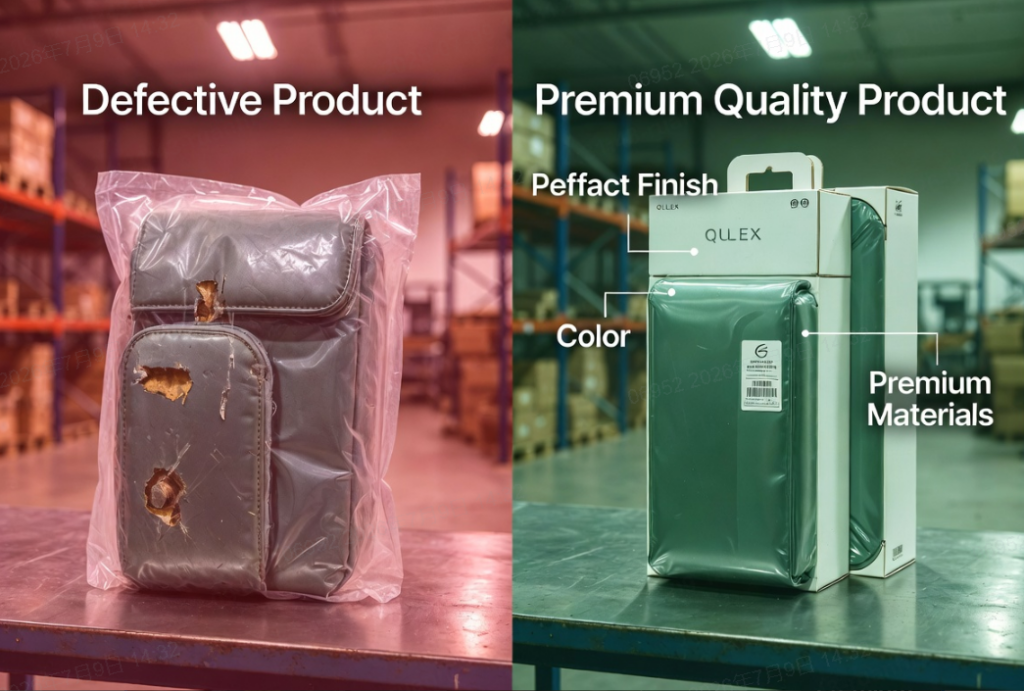
Product quality inconsistency is one of the most common and damaging risks. Without verification, suppliers may:
– Substitute materials without notice
– Ship defective or non-compliant products
– Fail to maintain consistency between samples and bulk orders
This leads to:
– High return and refund rates
– Increased customer complaints
– Negative reviews impacting long-term brand perception
In cross-border ecommerce, even a 5–10% defect rate can significantly impact profitability due to reverse logistics costs.
2. Delayed Shipping and Fulfillment Breakdowns
Unverified suppliers often lack structured fulfillment systems, resulting in:
– Delayed dispatch times
– Incorrect or incomplete shipments
– Lack of tracking visibility
In a market where customers expect fast delivery, this creates friction and increases refund requests.
Key operational gaps include:
– No integration with international logistics carriers
– Poor inventory management systems
– Manual order handling prone to human error
Example: A Shopify seller experienced a surge in disputes after orders took over 25 days to arrive due to supplier-side delays.
3. Hidden Costs and Pricing Instability
Unverified suppliers frequently attract buyers with low upfront pricing, but hidden costs emerge later:
– Packaging and labeling fees
– Storage or handling charges
– Unexpected customs or export fees
Additionally, pricing instability is common due to:
– Lack of contractual agreements
– Sudden raw material cost fluctuations
– Currency exchange volatility
This makes it difficult to maintain consistent margins or pricing strategies.
4. Intellectual Property (IP) and Brand Protection Risks
Working with unverified suppliers increases exposure to intellectual property violations, including:
– Unauthorized reproduction of branded products
– Selling counterfeit goods under your label
– Sharing your product designs with competitors
According to the OECD, counterfeit and pirated goods account for approximately 3.3% of global trade, underscoring the scale of this issue.
New Insight: Many unverified suppliers operate across multiple storefronts, meaning your product design could appear under different brand names within weeks.
5. Regulatory and Compliance Failures
Compliance is critical in international trade. Unverified suppliers may fail to meet:
– Product safety standards (CE, FCC, FDA)
– Environmental and material regulations (RoHS, REACH)
– Proper labeling and documentation requirements
Consequences include:
– Customs seizures
– Marketplace listing removal
– Legal penalties
6. Communication Gaps and Operational Misalignment
Clear communication is essential for accurate order execution. Unverified suppliers often present:
– Language barriers
– Slow or inconsistent responses
– Lack of accountability or dedicated support
This results in frequent misunderstandings regarding:
– Product specifications
– Packaging requirements
– Delivery timelines
7. Fraud and Payment Security Risks
Fraud remains one of the most severe risks when dealing with unverified suppliers. Common issues include:
– Suppliers disappearing after payment
– Fake shipping confirmations
– Delivery of substandard or incorrect products
Without escrow systems or platform protection, recovering losses can be extremely difficult.
Hidden Risk: Scalability Bottlenecks
A less discussed but equally critical issue is scalability limitations. Many unverified suppliers:
– Cannot handle sudden increases in order volume
– Lack production capacity for bulk orders
– Fail to maintain consistency during peak seasons
This creates a ceiling on your business growth.
Example: During peak Q4 demand, a seller scaling from 50 to 500 daily orders faced fulfillment collapse due to supplier limitations.
Hidden Risk: Data Security and Business Confidentiality
Unverified suppliers may not follow proper data protection practices, leading to:
– Leakage of customer information
– Exposure of business strategies or pricing models
– Unauthorized reuse of your product listings
For B2B sellers, this can compromise competitive positioning.
How Verified Sourcing Platforms Reduce These Risks
Platforms like Looperbuy are designed to address these challenges through structured sourcing systems.
Key advantages include:
– Supplier verification: Factory audits, compliance checks, and background validation
– Quality assurance: Pre-shipment inspections and standardized QC protocols
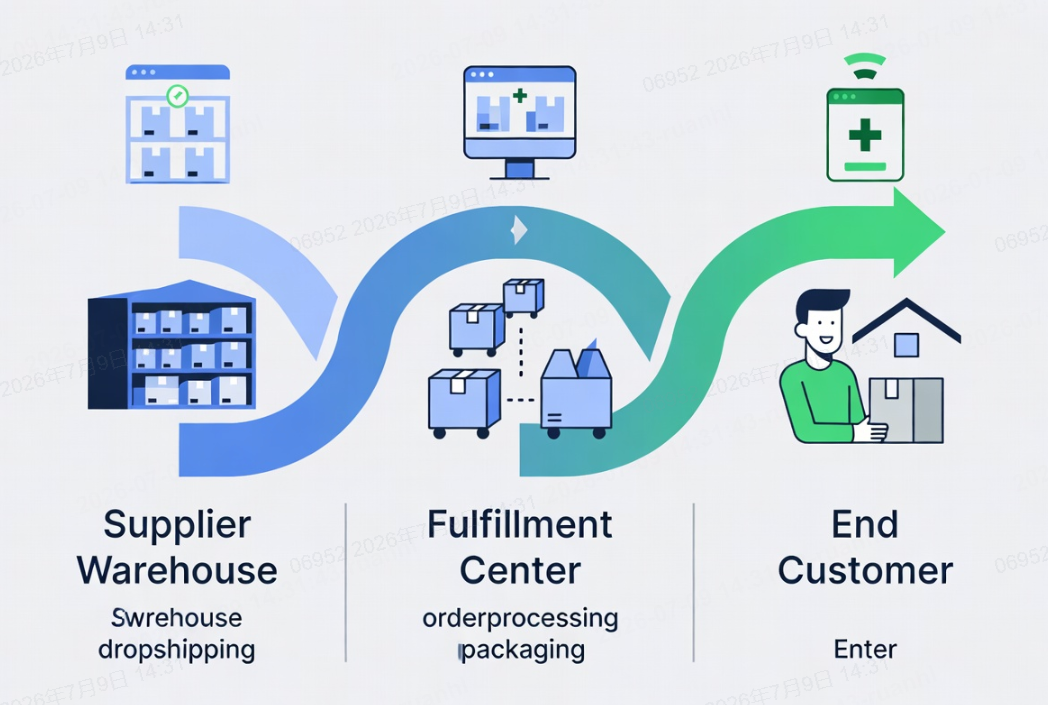
– Integrated logistics: Warehousing, order consolidation, and global shipping
– Transparent pricing: Clear cost structures without hidden fees
– Secure payments: Reduced financial risk through controlled transactions
Example Workflow Using a Verified Platform
1. Submit product sourcing requirements
2. Match with vetted suppliers
3. Approve samples after inspection
4. Process bulk orders with QC checks
5. Ship globally with tracking and delivery updates
This structured approach significantly reduces uncertainty and improves operational efficiency.
Practical Steps to Vet Dropshipping Suppliers
If you are sourcing independently, follow these steps:
Step 1: Validate Business Credentials
– Request official registration documents
– Verify company details through government databases
Step 2: Conduct Sample Testing
– Assess product quality and durability
– Check branding and packaging standards
Step 3: Evaluate Communication Efficiency
– Measure response time and clarity
– Confirm availability across time zones
Step 4: Review Market Reputation
– Analyze third-party reviews
– Request references from existing clients
Step 5: Secure Payment Methods
– Use escrow or platform-based payments
– Avoid unsecured direct transfers
Supplier Verification as a Competitive Advantage
Recent data highlights the growing importance of supplier verification:
– Over 60% of ecommerce businesses report supplier-related issues as a major operational challenge (Statista)
– Businesses using verified sourcing systems experience up to 40% fewer disputes and returns
This indicates a clear shift toward trust-based sourcing ecosystems.
Why Supplier Verification Matters More as You Scale
At smaller scales, supplier issues may appear manageable. However, as your business grows:
– Order volumes increase
– Customer expectations become stricter
– Operational complexity rises
Even minor inefficiencies can compound into major disruptions. Verified suppliers provide the stability needed to scale sustainably.
Build a Reliable Supply Chain With Confidence
If your goal is long-term growth, working with unverified suppliers is a risk that can undermine your entire business. By leveraging platforms like Looperbuy, you gain access to vetted suppliers, streamlined logistics, and transparent operations.
Take control of your sourcing strategy today—reduce risks, improve fulfillment reliability, and build a scalable ecommerce business with confidence.
FAQ
1. What is the biggest risk of working with unverified dropshipping suppliers?
The most significant risk is inconsistent product quality, which can damage brand reputation and increase return rates.
2. How can I identify a reliable dropshipping supplier?
Look for verified business credentials, consistent communication, positive third-party reviews, and sample validation.
3. Are verified suppliers more expensive?
While upfront costs may be slightly higher, they often reduce long-term costs by minimizing returns, disputes, and operational inefficiencies.
4. What industries face the highest supplier risks?
Electronics, health products, and fashion are particularly vulnerable due to strict compliance and quality expectations.
5. Can I scale a business with unverified suppliers?
It is possible in the short term, but long-term scalability is highly limited due to operational instability.
References
– Statista – Ecommerce Supply Chain Challenges [statista]
– World Trade Organization – Global Trade Statistics [wto]
– International Chamber of Commerce – Counterfeit Goods Impact [iccwbo]
– U.S. Customs and Border Protection – Import Compliance [cbp]