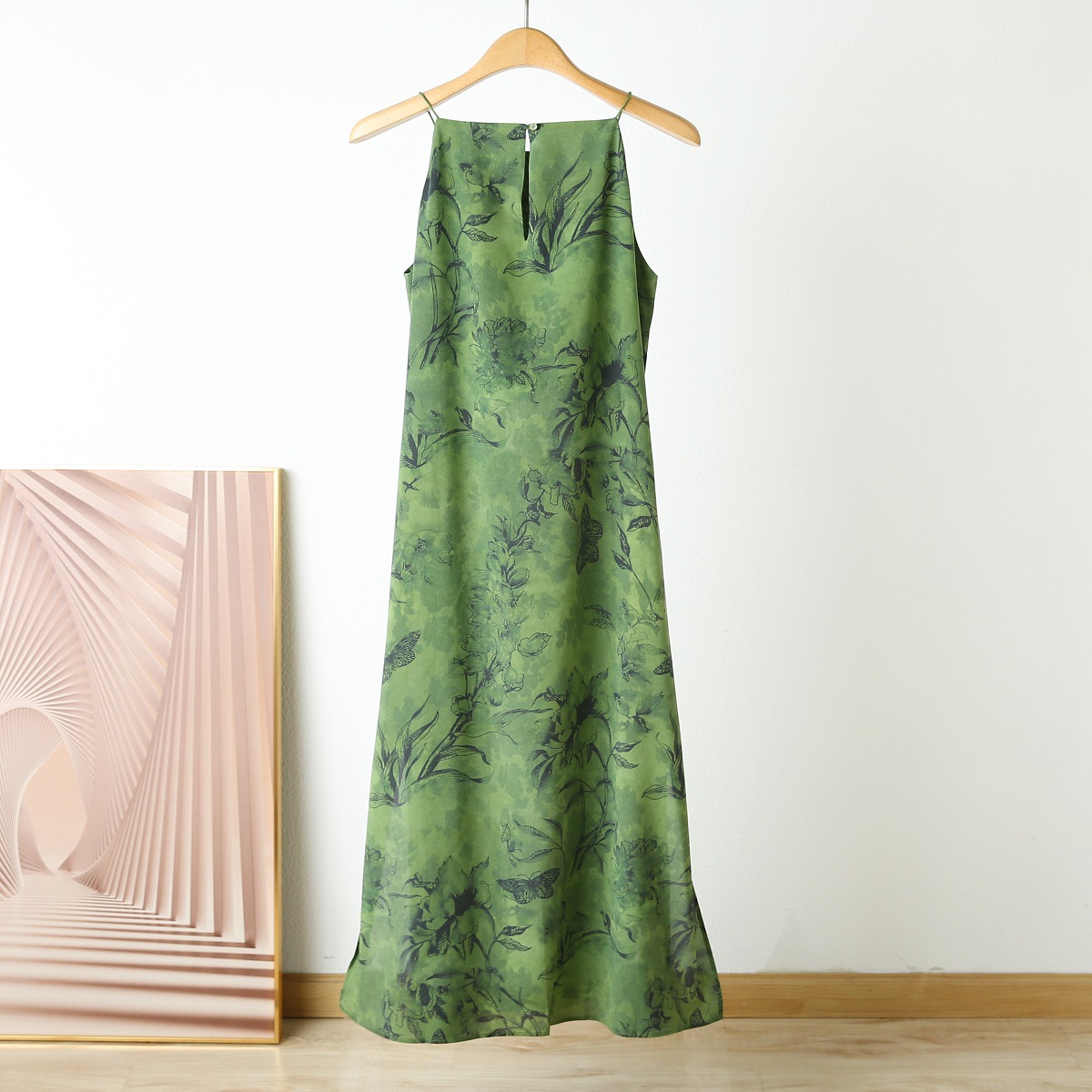
Chinese silk dresses, particularly the qipao (or cheongsam), have captivated fashion enthusiasts around the world with their elegance and rich cultural heritage. These garments are not just clothing; they embody a history that spans centuries, reflecting the artistry and craftsmanship of Chinese culture. In this article, we will explore the origins, styles, and significance of Chinese silk dresses, as well as their modern adaptations and the reasons behind their enduring popularity.
Table of Contents
The Historical Significance of the Qipao
Origins of the Qipao
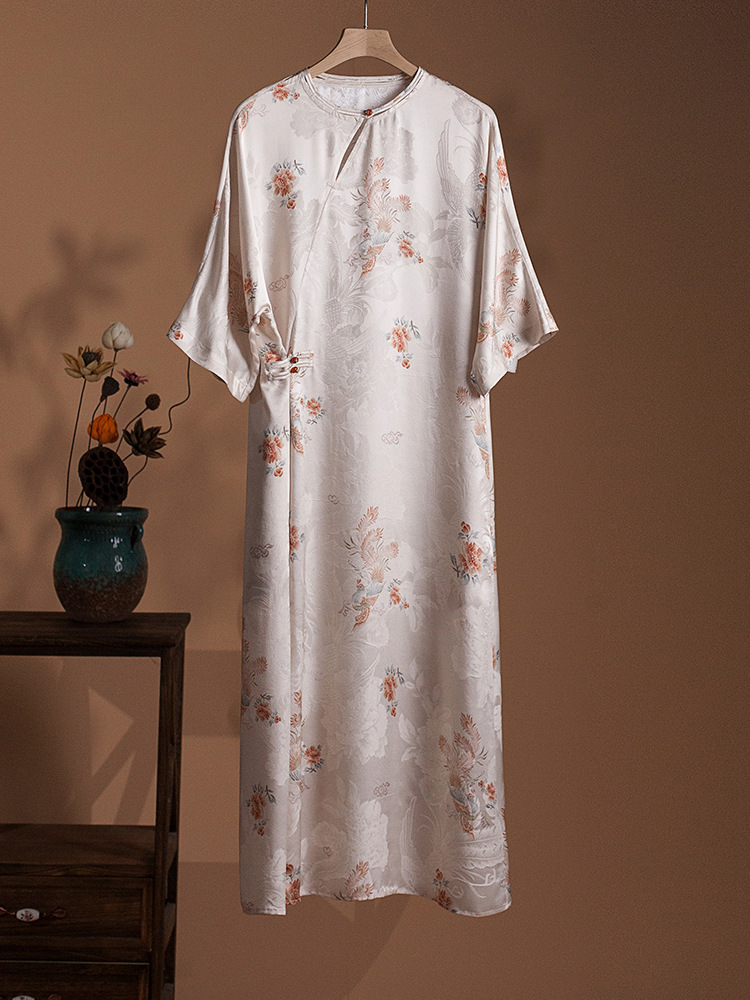
The qipao originated in the 17th century during the Qing Dynasty. Initially, it was a loose-fitting garment worn by Manchu women, characterized by its high collar and side slits. The name “qipao” translates to “banner dress,” referring to the banners that represented the Manchu clans. Over time, the qipao evolved, particularly in the 1920s and 1930s, when it became a symbol of modernity and femininity among Chinese women.
During this period, the qipao was embraced by urban women, who began to modify the design to better suit their lifestyles. The dress became more form-fitting, emphasizing the female silhouette, and was often made from luxurious fabrics like silk. This transformation coincided with the rise of the Republic of China, where women sought to assert their independence and modernity through fashion.
Cultural Symbolism
The qipao is more than just a dress; it represents the fusion of tradition and modernity. It is often associated with grace, beauty, and sophistication. The intricate designs and vibrant colors of silk qipaos are imbued with cultural meanings. For instance, red symbolizes good fortune, while floral patterns often represent prosperity and happiness. Wearing a qipao is a way for women to connect with their heritage and express their identity.
In addition to its aesthetic appeal, the qipao carries significant cultural symbolism. It reflects the values of femininity, modesty, and elegance that are deeply rooted in Chinese culture. The dress is often worn during important life events, such as weddings and festivals, where it serves as a visual representation of cultural pride and continuity.
The Craftsmanship Behind Chinese Silk Dresses
The Art of Silk Production
Silk production is a meticulous process that has been refined over thousands of years. The finest silk comes from the cocoons of silkworms, primarily the Bombyx mori species. The process begins with the cultivation of mulberry trees, which are the primary food source for silkworms. Once the silkworms spin their cocoons, they are harvested, and the silk threads are carefully extracted and woven into fabric.
The quality of silk is determined by several factors, including the type of silkworm, the environment in which they are raised, and the methods used in processing the silk. High-quality silk, often referred to as mulberry silk, is known for its softness, sheen, and durability. This type of silk is highly sought after for making qipaos, as it drapes beautifully and enhances the overall elegance of the garment.
The silk-making process is labor-intensive and requires a deep understanding of the material. Artisans must carefully monitor the conditions in which silkworms are raised, ensuring they are healthy and well-fed. After harvesting the cocoons, the silk threads are spun and dyed, often using natural dyes derived from plants and minerals. This commitment to quality and craftsmanship is what sets Chinese silk dresses apart from mass-produced garments.
Tailoring and Design
The craftsmanship involved in creating a silk qipao is remarkable. Skilled tailors pay close attention to detail, ensuring that each dress fits perfectly and flatters the wearer’s figure. Traditional qipaos feature high collars, intricate embroidery, and unique button closures known as “pankou.” These buttons are often made from silk and are intricately designed, adding to the dress’s overall aesthetic.
Modern qipaos may incorporate contemporary design elements, such as asymmetrical hemlines or innovative fabric combinations, while still honoring traditional craftsmanship. This blend of old and new allows for a diverse range of styles that appeal to different tastes and preferences.
The tailoring process itself is an art form. Each qipao is typically made to measure, ensuring a perfect fit for the wearer. Tailors often take multiple measurements and may create a muslin prototype before cutting into the final fabric. This attention to detail ensures that the finished product not only looks beautiful but also feels comfortable to wear.
Styles and Variations of Chinese Silk Dresses
Traditional vs. Modern Qipao
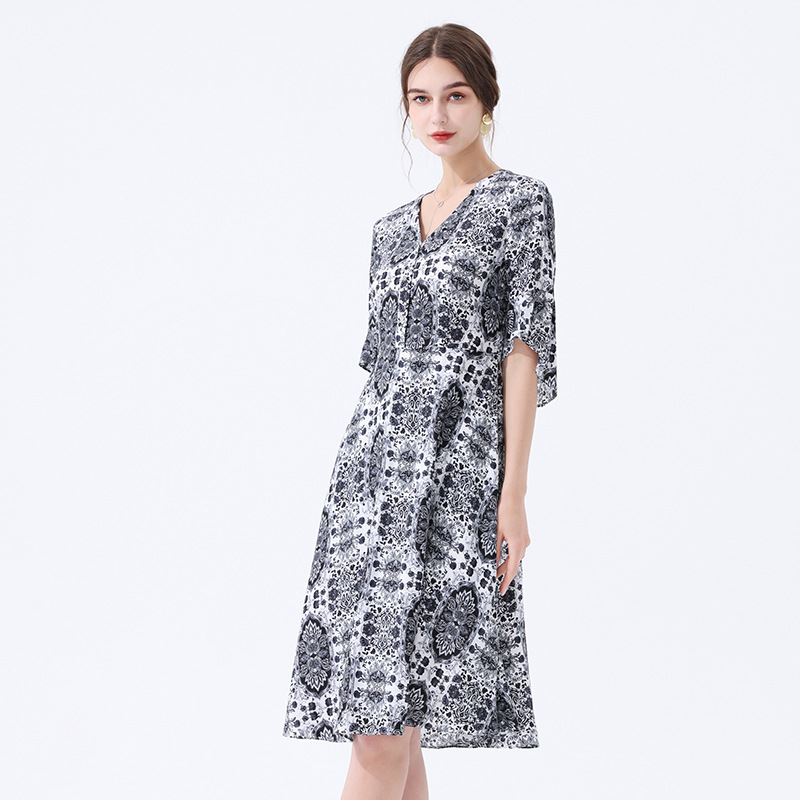
While the traditional qipao is characterized by its form-fitting silhouette and high collar, modern variations have emerged that offer more flexibility in design. Contemporary qipaos may feature shorter hemlines, different necklines, and a variety of fabrics beyond silk. This evolution allows for greater expression and adaptation to various occasions, from weddings to casual outings.
The modern qipao often incorporates elements from Western fashion, such as off-the-shoulder designs or bold prints. This fusion of styles has made the qipao a favorite among younger generations, who appreciate its versatility and ability to be styled in numerous ways.
Regional Variations
Different regions in China have their own styles of qipao, influenced by local cultures and traditions. For example, the Shanghai qipao is known for its elegant and sophisticated designs, often featuring luxurious fabrics and intricate embroidery. In contrast, the Cantonese style may incorporate bolder colors and patterns, reflecting the vibrant culture of southern China.
The regional variations also extend to the types of silk used. For instance, some areas may favor heavier silks that provide structure, while others may prefer lighter silks that flow gracefully. This diversity enriches the overall landscape of Chinese silk dresses, making each piece unique.
In addition to regional styles, the qipao has also been adapted for various cultural contexts. For example, in Western countries, designers have created qipaos that incorporate Western fashion elements, making them more accessible to a global audience. This cross-cultural exchange has further enhanced the qipao’s appeal, allowing it to transcend geographical boundaries.
The Influence of Global Fashion Trends
As global fashion trends continue to evolve, the qipao has found its place on international runways and in high-fashion collections. Designers from around the world are increasingly inspired by the elegance and craftsmanship of the qipao, leading to innovative interpretations that blend traditional Chinese aesthetics with contemporary fashion sensibilities.
This influence is evident in the use of qipao-inspired silhouettes in evening wear, where designers experiment with different fabrics, cuts, and embellishments. The qipao’s timeless elegance makes it a versatile template for modern fashion, allowing designers to create pieces that resonate with a diverse audience.
The Modern Appeal of Chinese Silk Dresses
Fashion Statements
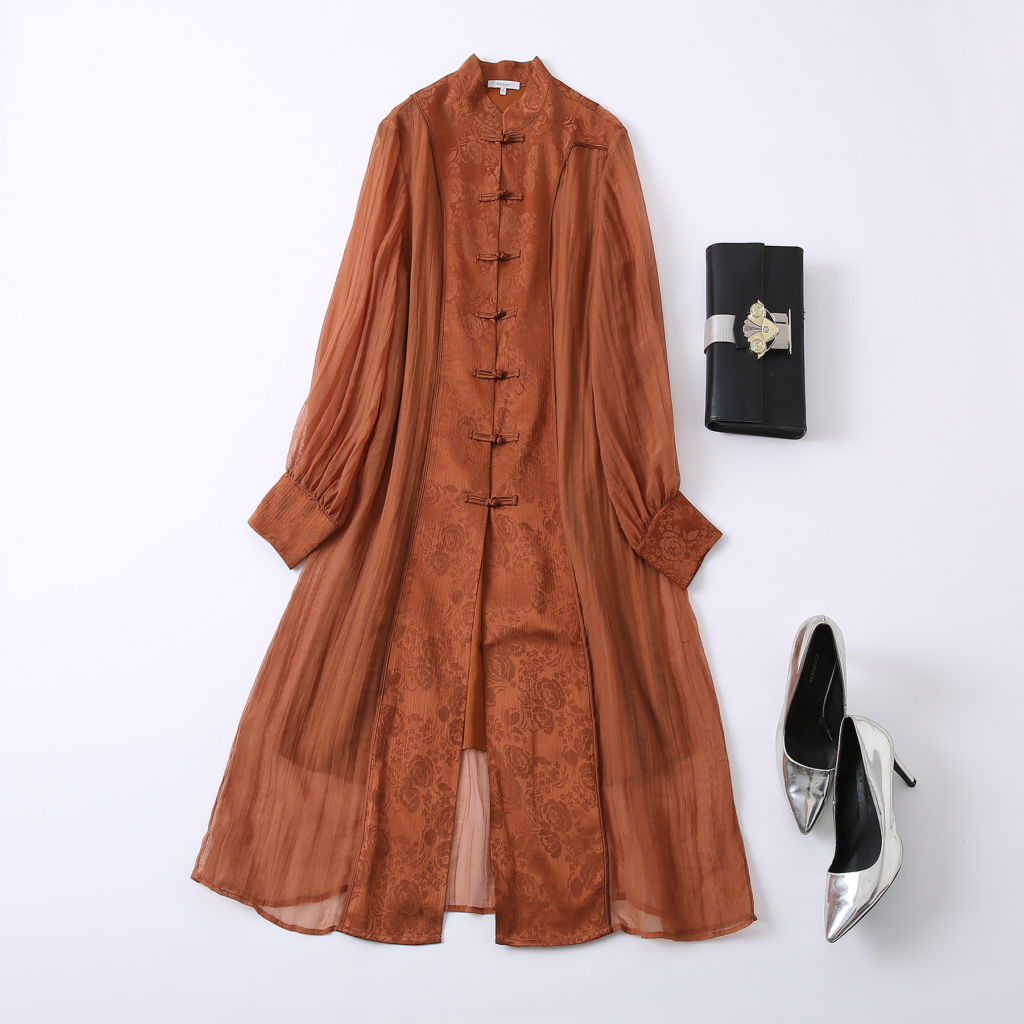
In recent years, the qipao has made a significant comeback in the fashion world. Designers are reinterpreting this classic garment, blending traditional elements with modern aesthetics. Celebrities and fashion icons often don qipaos at red carpet events, showcasing their beauty and versatility. This resurgence has sparked a renewed interest in Chinese silk dresses, making them a popular choice for formal occasions and cultural celebrations.
Fashion designers are increasingly incorporating qipao elements into their collections, creating hybrid styles that appeal to a global audience. This trend not only celebrates Chinese culture but also introduces the qipao to new markets, allowing it to evolve while maintaining its cultural significance.
Sustainable Fashion
As the fashion industry increasingly shifts towards sustainability, silk dresses are gaining attention for their eco-friendly attributes. Silk is a natural fiber that is biodegradable and can be produced with minimal environmental impact when sourced responsibly. Many designers are now focusing on sustainable practices, ensuring that their silk is ethically produced and supports local artisans.
The rise of sustainable fashion has also led to a greater appreciation for traditional craftsmanship. Consumers are becoming more conscious of the origins of their clothing and are seeking out garments that tell a story. Silk qipaos, with their rich history and artisanal production methods, fit perfectly into this narrative.
Moreover, the sustainable fashion movement has encouraged a revival of traditional dyeing techniques, which often use natural materials. This not only reduces the environmental impact of clothing production but also enhances the uniqueness of each garment, as natural dyes can produce a wide range of colors and patterns.
The Role of Social Media
Social media has played a pivotal role in the resurgence of interest in qipaos and Chinese silk dresses. Platforms like Instagram and TikTok allow fashion enthusiasts to share their styles and celebrate cultural heritage. Influencers and fashion bloggers often showcase their qipao outfits, inspiring others to embrace this traditional garment in modern contexts.
This visibility has led to a broader acceptance of qipaos in everyday fashion, encouraging more women to wear them not just for special occasions but also as part of their daily wardrobes. The ability to see how others style their qipaos has made it easier for individuals to experiment with their looks and find ways to incorporate this beautiful garment into their lives.
How to Style a Chinese Silk Dress
Accessorizing the Qipao
When styling a qipao, accessories play a crucial role in enhancing the overall look. Traditional accessories may include jade jewelry, embroidered clutches, and silk shawls. Jade, in particular, is highly valued in Chinese culture for its beauty and supposed protective qualities. Pairing a qipao with jade earrings or a bracelet can add a touch of authenticity and elegance.
For a modern twist, pairing a qipao with contemporary accessories, such as statement earrings or stylish heels, can create a unique and fashionable ensemble. The key is to strike a balance between traditional and modern elements, allowing the qipao to shine while complementing it with the right accessories.
Occasions for Wearing Silk Dresses
Chinese silk dresses are versatile and suitable for various occasions. They are often worn at weddings, festivals, and cultural events, but they can also be styled for everyday wear. A silk qipao can be dressed down with casual shoes for a day out or dressed up with elegant heels for a formal gathering.
In addition to traditional celebrations, qipaos are increasingly being worn in contemporary settings, such as corporate events or cocktail parties. This adaptability speaks to the timelessness of the qipao, making it a staple in any wardrobe.
Tips for Choosing the Right Qipao
When selecting a qipao, consider the following tips to ensure you choose the perfect dress for your body type and occasion:
- Fit and Comfort: Ensure that the qipao fits well and allows for comfortable movement. A well-fitted qipao should hug your curves without being too tight.
- Fabric Choice: Opt for high-quality silk for a luxurious feel. Consider the weight of the fabric; lighter silks are great for warmer weather, while heavier silks can provide structure and warmth.
- Color and Pattern: Choose colors and patterns that complement your skin tone and personal style. Traditional motifs often carry cultural significance, so consider the meanings behind different designs.
- Length and Style: Decide on the length of the qipao based on the occasion. Longer qipaos are typically more formal, while shorter styles can be more casual and playful.
- Accessorizing: Think about how you will accessorize your qipao. The right accessories can elevate your look and add a personal touch to your outfit.
Caring for Your Silk Dress
Proper care is essential to maintain the beauty and longevity of your silk qipao. Here are some tips for caring for your silk dress:
- Washing: Always check the care label before washing. Most silk garments should be dry cleaned, but if the label allows for hand washing, use cold water and a gentle detergent specifically designed for silk.
- Drying: Avoid wringing out silk garments, as this can damage the fibers. Instead, lay the dress flat on a clean towel to absorb excess water, then hang it to dry away from direct sunlight.
- Ironing: If your silk qipao is wrinkled, use a low heat setting on your iron. It’s best to iron the dress while it is slightly damp or to use a steam iron to avoid direct contact with the fabric.
- Storage: Store your silk dress in a cool, dry place. Use padded hangers to maintain its shape, and consider wrapping it in a cotton garment bag to protect it from dust and light.
Conclusion
Chinese silk dresses, particularly the qipao, are a beautiful representation of cultural heritage and modern fashion. Their rich history, exquisite craftsmanship, and contemporary appeal make them a timeless choice for women around the world. As we continue to embrace diversity in fashion, the qipao stands out as a symbol of elegance and tradition, reminding us of the beauty that lies in our cultural roots.
How to purchase:Online B2B sourcing platform, China purchase, Chinese suppliers – LooperBuy
Frequently Asked Questions
1. What is a qipao?
A qipao, also known as a cheongsam, is a traditional Chinese dress characterized by its high collar, form-fitting silhouette, and side slits. It has a rich history and is often made from silk.
2. How should I care for my silk dress?
Silk dresses should be dry cleaned or hand washed in cold water with a gentle detergent. Avoid wringing or twisting the fabric, and hang to dry away from direct sunlight.
3. Can I wear a qipao for casual occasions?
Yes, qipaos can be styled for casual occasions by pairing them with comfortable shoes and minimal accessories. They are versatile and can be adapted for various settings.
4. What occasions are appropriate for wearing a qipao?
Qipaos are suitable for weddings, cultural festivals, formal events, and even casual outings, depending on how they are styled.
5. Are there modern variations of the qipao?
Yes, modern qipaos may feature shorter hemlines, different necklines, and contemporary designs while still maintaining traditional elements.
HOT TAG: Chinese silk dress, qipao, cheongsam, traditional Chinese fashion, modern adaptations, sustainable silk production, cultural heritage, elegant evening wear, fashion craftsmanship, historical significance, regional variations, contemporary style, eco-friendly clothing, jade jewelry, fashion trends, tailoring techniques, global fashion influence, versatile outfits, special occasion dresses, silk fabric care, fashion history, women’s empowerment, cultural pride, unique designs, luxury fashion, red carpet style, traditional motifs, silk embroidery, fashion icons, modern elegance.