Table of Contents
Introduction to Castile Home Textiles
Castile home textiles represent a unique fusion of rich cultural heritage and contemporary design. Originating from the historic region of Castile in Spain, these textiles are renowned for their quality, craftsmanship, and aesthetic appeal. This article delves into the various aspects of Castile home textiles, exploring their history, types, craftsmanship, and how they can enhance your living spaces.
The Historical Significance of Castile Textiles
Origins and Evolution
The history of Castile textiles dates back to the Middle Ages when the region became a hub for textile production. The skilled artisans of Castile developed techniques that combined traditional methods with innovative designs. This legacy continues today, with modern manufacturers drawing inspiration from historical patterns and weaving techniques. The region’s strategic location along trade routes facilitated the exchange of ideas and materials, enriching the textile industry.
During the 15th and 16th centuries, Castile became known for its luxurious fabrics, which were sought after by the nobility across Europe. The introduction of new dyeing techniques and the use of exotic materials further enhanced the reputation of Castile textiles. As trade expanded, so did the variety of textiles produced, leading to a rich tapestry of styles and techniques that continue to influence modern designs.
Cultural Influences
Castile’s textiles are heavily influenced by the region’s diverse cultural heritage, including Moorish, Gothic, and Renaissance elements. These influences are evident in the intricate patterns and vibrant colors that characterize Castile textiles. The blend of these styles creates a unique aesthetic that appeals to both traditional and modern sensibilities. For instance, the geometric patterns often seen in Castile textiles reflect Moorish artistry, while floral motifs may draw from Renaissance influences.
The cultural significance of these textiles extends beyond aesthetics; they are a testament to the region’s history and the artisans who have dedicated their lives to perfecting their craft. Each piece tells a story, reflecting the traditions and values of the communities that produce them.
Types of Castile Home Textiles
Fabrics and Materials
Castile home textiles are made from a variety of high-quality materials, including cotton, linen, and wool. Each material offers distinct advantages, such as durability, softness, and breathability. Cotton is often used for everyday items like kitchen towels and bed linens, while wool is favored for its warmth and luxurious feel in rugs and throws. Linen, known for its natural luster and strength, is commonly used in table linens and curtains, providing an elegant touch to any setting.
The choice of material not only affects the look and feel of the textiles but also their functionality. For example, cotton is highly absorbent and easy to care for, making it ideal for kitchen and bath textiles. Wool, on the other hand, is naturally insulating, making it perfect for colder climates and cozy home environments.
Popular Products
- Table Linens: Castile tablecloths and napkins are designed to elevate dining experiences. They often feature intricate patterns and vibrant colors, making them perfect for both casual and formal settings. The use of high-quality cotton or linen ensures that these items are not only beautiful but also practical, as they can withstand frequent washing and use.
- Rugs: Hand-knotted rugs from the Castile collection are known for their softness and unique designs. These rugs can serve as focal points in any room, adding warmth and texture to the decor. The craftsmanship involved in creating these rugs often includes intricate knotting techniques that can take months to complete, resulting in a durable and stunning piece of art for your floor.
- Curtains and Drapes: Castile textiles are also popular for window treatments. The rich fabrics not only provide privacy but also enhance the overall aesthetic of a room. Many curtains feature lining to improve insulation and light control, making them functional as well as decorative.
- Cushions and Throws: Decorative cushions and throws made from Castile textiles can add a touch of elegance and comfort to any seating area. They are available in various patterns and colors, allowing for personalized decor. The use of different textures in cushions can create a layered look that adds depth to your interior design.
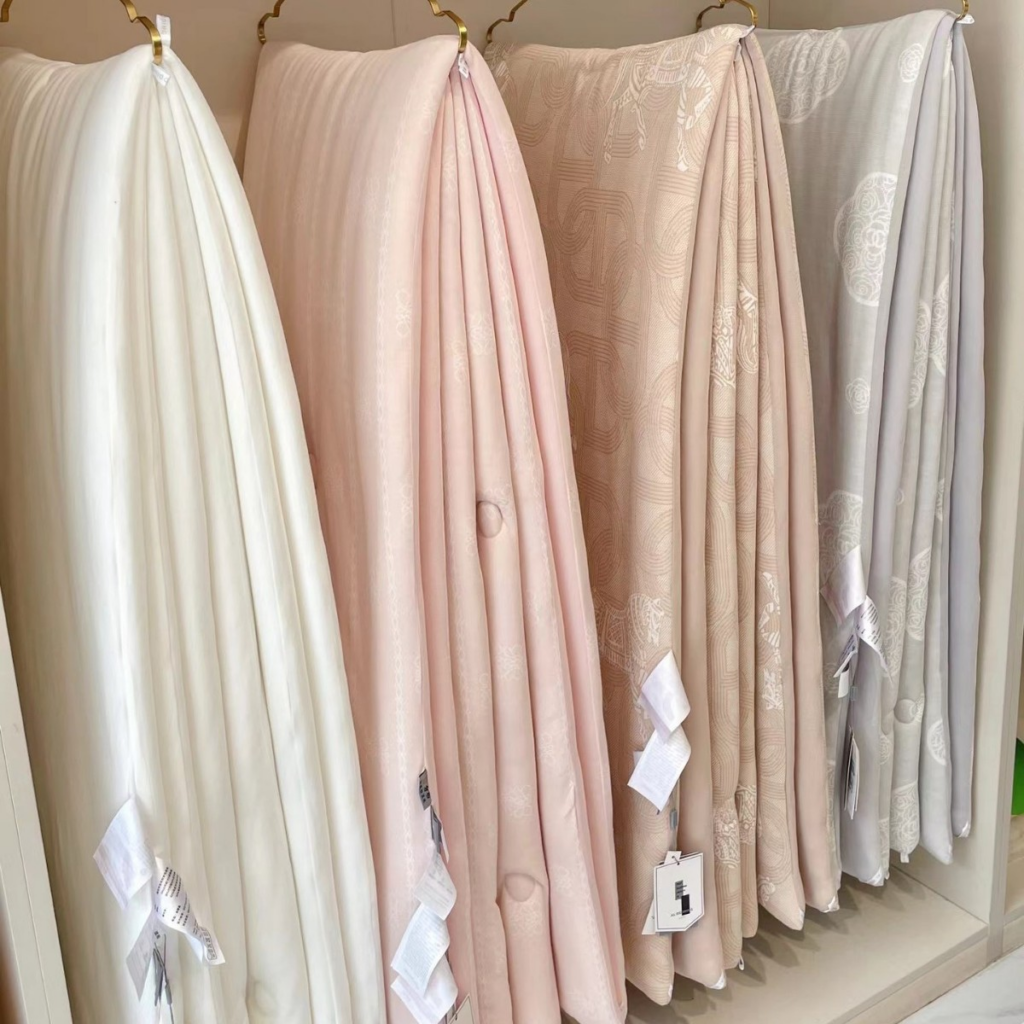
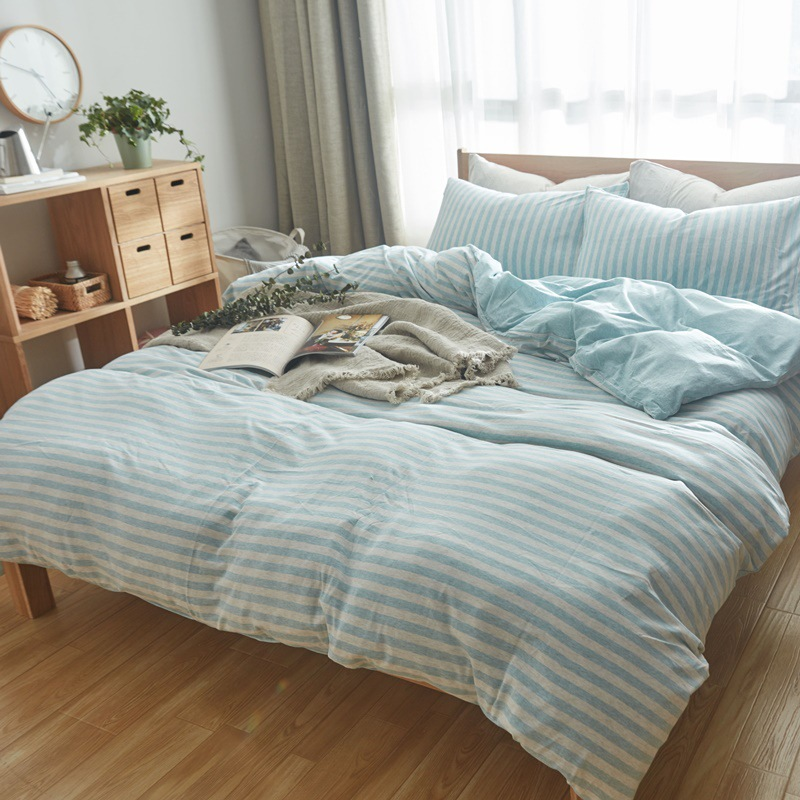
- Bedding: Castile bedding sets often include duvet covers, pillowcases, and sheets that showcase the region’s intricate designs. These textiles not only enhance the visual appeal of a bedroom but also contribute to a comfortable sleeping environment. The breathable nature of cotton and linen helps regulate temperature, ensuring a restful night’s sleep.
- Kitchen Textiles: Items such as aprons, oven mitts, and kitchen towels made from Castile textiles are not only functional but also add a decorative touch to the kitchen. The vibrant colors and patterns can brighten up the space, making cooking and entertaining more enjoyable.
The Craftsmanship Behind Castile Textiles
Artisanal Techniques
The production of Castile textiles involves meticulous craftsmanship. Artisans often use traditional weaving techniques passed down through generations. This dedication to quality ensures that each piece is not only beautiful but also durable. Many artisans still employ hand-weaving methods, which allow for greater creativity and uniqueness in each textile. The attention to detail in the weaving process is what sets Castile textiles apart from mass-produced alternatives.
Artisans often work in small workshops, where they can focus on quality over quantity. This artisanal approach allows for a level of detail and craftsmanship that is difficult to achieve in larger factories. Each piece is often made to order, ensuring that customers receive a product that is not only unique but also tailored to their specific needs.
Sustainable Practices
Many modern manufacturers of Castile textiles are committed to sustainability. They source materials responsibly and employ eco-friendly production methods. This focus on sustainability appeals to environmentally conscious consumers who value ethical practices in their purchases. For example, some companies use organic cotton and natural dyes, reducing the environmental impact of their production processes. Additionally, the longevity of Castile textiles means that they are a more sustainable choice compared to cheaper, lower-quality alternatives that need to be replaced frequently.
Sustainable practices also extend to the communities involved in the production of these textiles. By supporting local artisans and using locally sourced materials, manufacturers help to strengthen local economies and preserve traditional crafts. This commitment to sustainability not only benefits the environment but also fosters a sense of community and cultural pride.
Incorporating Castile Textiles into Your Home
Design Tips
- Mix and Match: Castile textiles can be easily mixed and matched with other decor elements. For instance, pairing a vibrant Castile tablecloth with neutral dinnerware can create a stunning visual contrast. This approach allows you to play with colors and patterns, creating a personalized and dynamic dining experience.
- Layering Textures: Use Castile cushions and throws to add layers of texture to your living space. Combining different fabrics can create a cozy and inviting atmosphere. For example, a soft wool throw can be layered over a linen sofa, providing both comfort and style.
- Focal Points: Consider using a Castile rug as a focal point in a room. Its intricate design can draw the eye and set the tone for the rest of the decor. A well-placed rug can also define spaces within an open floor plan, creating a sense of intimacy and warmth.
- Color Coordination: When incorporating Castile textiles, consider the color palette of your existing decor. The vibrant hues found in Castile textiles can complement or contrast with your current color scheme, enhancing the overall aesthetic. For instance, a bold Castile cushion can serve as an accent piece against a neutral backdrop.
- Seasonal Decor: Castile textiles can also be used to refresh your home decor with the changing seasons. Lighter fabrics and colors can be used in spring and summer, while richer, warmer tones can create a cozy atmosphere in fall and winter. This versatility allows you to keep your home feeling fresh and inviting year-round.
- Functional Decor: Consider using Castile textiles in functional areas of your home, such as the kitchen or bathroom. High-quality kitchen towels, aprons, and bath linens can enhance the functionality of these spaces while adding a touch of elegance.
Care and Maintenance
To maintain the beauty of Castile textiles, proper care is essential. Most cotton and linen items can be machine washed, while wool rugs may require professional cleaning. Always check the care label for specific instructions to ensure longevity. For everyday maintenance, regular vacuuming of rugs and spot cleaning of stains can help preserve their appearance. Additionally, using fabric protectors can extend the life of your textiles by preventing spills and stains.
For table linens, it is advisable to wash them after each use to prevent stains from setting in. Using a gentle detergent and avoiding bleach can help maintain the colors and integrity of the fabric. Ironing linens while they are slightly damp can also help achieve a crisp, polished look.
The Future of Castile Home Textiles
Innovations in Design
As the demand for unique and high-quality home textiles continues to grow, manufacturers are exploring innovative designs and techniques. This includes the use of digital printing technology, which allows for more intricate patterns and customization options. Consumers can now find textiles that reflect their personal style and preferences, making home decor more accessible and personalized.
Additionally, the integration of smart textiles into home decor is on the rise. These textiles can incorporate technology, such as temperature regulation or stain resistance, enhancing their functionality while maintaining aesthetic appeal. This innovation represents a new frontier in the textile industry, merging traditional craftsmanship with modern technology.
Global Influence
The influence of Castile textiles is not limited to Spain. As global interest in artisanal and sustainable products increases, Castile textiles are gaining recognition in international markets. Designers and consumers alike are drawn to the rich history and craftsmanship behind these textiles, leading to collaborations and new collections that blend traditional techniques with modern aesthetics.
This global appreciation for Castile textiles has also led to an increase in cultural exchange. Designers from various countries are incorporating Castile patterns and techniques into their own work, creating a fusion of styles that celebrates diversity and creativity.
Community and Economic Impact
The production of Castile textiles supports local communities and economies. By purchasing these textiles, consumers contribute to the preservation of traditional crafts and the livelihoods of artisans. Many brands are also committed to fair trade practices, ensuring that artisans receive fair compensation for their work. This not only helps sustain the craft but also empowers communities to thrive.
Furthermore, the rise of e-commerce has made it easier for artisans to reach a global audience. Online platforms allow consumers to purchase directly from producers, fostering a more personal connection between buyers and makers. This direct-to-consumer model not only benefits artisans financially but also allows consumers to learn more about the stories behind the products they purchase.
Conclusion
Castile home textiles offer a unique blend of tradition and modern elegance, making them a valuable addition to any home. Their rich history, diverse product range, and commitment to quality craftsmanship make them stand out in the world of home decor. By incorporating these textiles into your living spaces, you can create an environment that is both stylish and reflective of cultural heritage. As the market for artisanal textiles continues to grow, the allure of Castile textiles will undoubtedly remain strong, inviting new generations to appreciate their beauty and craftsmanship.
How to purchase:Online B2B sourcing platform, China purchase, Chinese suppliers – LooperBuy
Article Summary: This article explores the rich history and modern appeal of Castile home textiles, highlighting their origins, types, craftsmanship, and tips for incorporating them into home decor. With a focus on quality and sustainability, Castile textiles offer a unique blend of tradition and elegance for any living space.
Hot Tags: Castile Home Textiles; Spanish Textiles; Hand-Knotted Rugs; Sustainable Fabrics; Luxury Table Linens; Decorative Cushions; Artisan Weaving; Eco-Friendly Textiles; Home Decor Ideas; Quality Craftsmanship; Cotton Fabrics; Linen Products; Wool Rugs; Vintage Patterns; Modern Design; Cultural Heritage; Textile Artistry; Interior Design; Elegant Home Accessories; Cozy Living Spaces; Unique Home Decor; Textile History; Fashionable Textiles; Quality Home Goods; Stylish Table Settings; Warm Textures; Colorful Fabrics; Traditional Weaving Techniques; Home Textile Trends; Castile Collection.
Related Questions & Answers
· What are the common motifs in Castile textile designs?
Common motifs include intricate floral patterns, geometric shapes, and traditional damask designs, reflecting the region’s rich cultural heritage.
· How do modern Castile textile manufacturers balance tradition with innovation?
Manufacturers often blend traditional weaving techniques with modern technology, allowing for unique designs while maintaining the quality and craftsmanship of historical textiles.
· Where can I find examples of traditional Castile textile patterns?
Examples can be found in specialty textile shops, online marketplaces, and museums that showcase the history of textile production in the Castile region.
· What are the benefits of using Castile textiles in home decor?
Castile textiles are known for their quality, durability, and unique designs, making them a stylish and long-lasting choice for enhancing home decor.
· Are Castile textiles suitable for outdoor use?
While many Castile textiles are designed for indoor use, some manufacturers offer outdoor-friendly options made from weather-resistant materials, perfect for patios and outdoor dining areas.