Teen jewelry in 2026 is driven by personalization, layered styling, mixed metals, charm storytelling, sustainability, and bold everyday design. This expanded article gives global buyers and B2B sellers practical guidance on trend selection, assortment planning, and sourcing strategy for Gen Z demand.
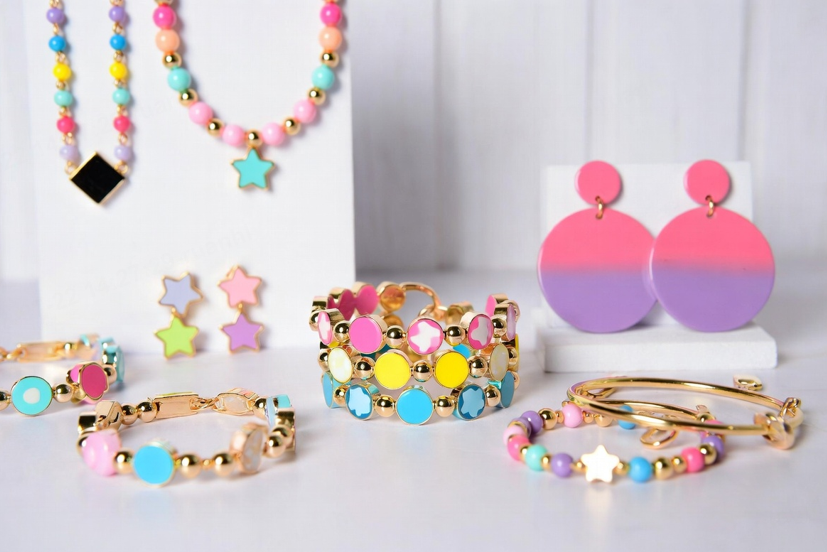
Teen jewelry trends in 2026 are being shaped by personal expression, layered styling, sustainability, and bold everyday pieces. For brands, wholesalers, and cross-border sellers, the opportunity is not only to follow fashion, but to stock jewelry that feels personal, affordable, and easy to reorder.
The teen audience may not always have the highest order value on a single purchase, but it has enormous influence. Teen and Gen Z buyers drive trend adoption quickly through social media, peer visibility, and creator-led styling, which makes this category one of the most responsive in fashion accessories.
Table of Contents
Why Teen Jewelry Still Matters
The appeal of teen jewelry goes beyond aesthetics. It sits at the intersection of identity, gifting, affordability, and self-expression. A piece of jewelry can be a daily accessory, a friendship symbol, a school outfit accent, or a milestone gift, which gives the category multiple selling angles.
The market opportunity is also significant. Fortune Business Insights projects the global jewelry market will rise from USD 254.13 billion in 2026 to USD 387.36 billion by 2034, showing steady long-term demand for contemporary designs and customizable products. Another industry report projects the jewelry market at USD 408 billion in 2026, with continued growth through 2034, reinforcing that jewelry remains a resilient category across price points and channels.
For B2B buyers, this means teen-focused SKUs can serve as high-turnover, lightweight products that are easier to test than larger fashion categories. They are also ideal for bundle offers, private label expansion, and dropshipping models where speed and flexibility matter more than large inventory commitments.
Top Teen Jewelry Trends for 2026
1. Personalized Jewelry Leads the Market
Personalized jewelry remains the most powerful trend because it feels emotional, distinctive, and giftable. Initial pendants, engraved bracelets, birthstone rings, zodiac charms, and name necklaces all work because they let buyers express identity without needing to say much.
This trend also performs well in gifting. A personalized piece can be positioned for birthdays, school milestones, graduation, friendship gifts, and seasonal celebrations. For sellers, that creates clear storytelling opportunities on product pages, packaging inserts, and social posts.
A key advantage of personalized jewelry is repeat relevance. A buyer who starts with one initial necklace may later return for a matching bracelet, another charm, or a gift for a friend. That makes customization one of the strongest long-term categories in teen accessories.
2. Layered Necklaces Create an Instant Look
Layered necklaces continue to dominate teen styling because they make an outfit look complete with very little effort. Teens like pre-styled sets, mixed chain lengths, and combinations of charms and pendants that look curated but not overly formal.
This is one of the easiest trends to merchandise because the value is visual. A customer can instantly understand the look from one image, which improves conversion. For wholesale buyers, pre-built necklace sets also increase average order value and simplify assortment planning.
Layering works especially well with lightweight chains, dainty chokers, and small focal pendants. The strongest products usually offer contrast: one short chain, one medium chain, and one longer piece. That structure creates depth without making the look heavy or difficult to wear daily.
3. Stackable Rings Stay Strong
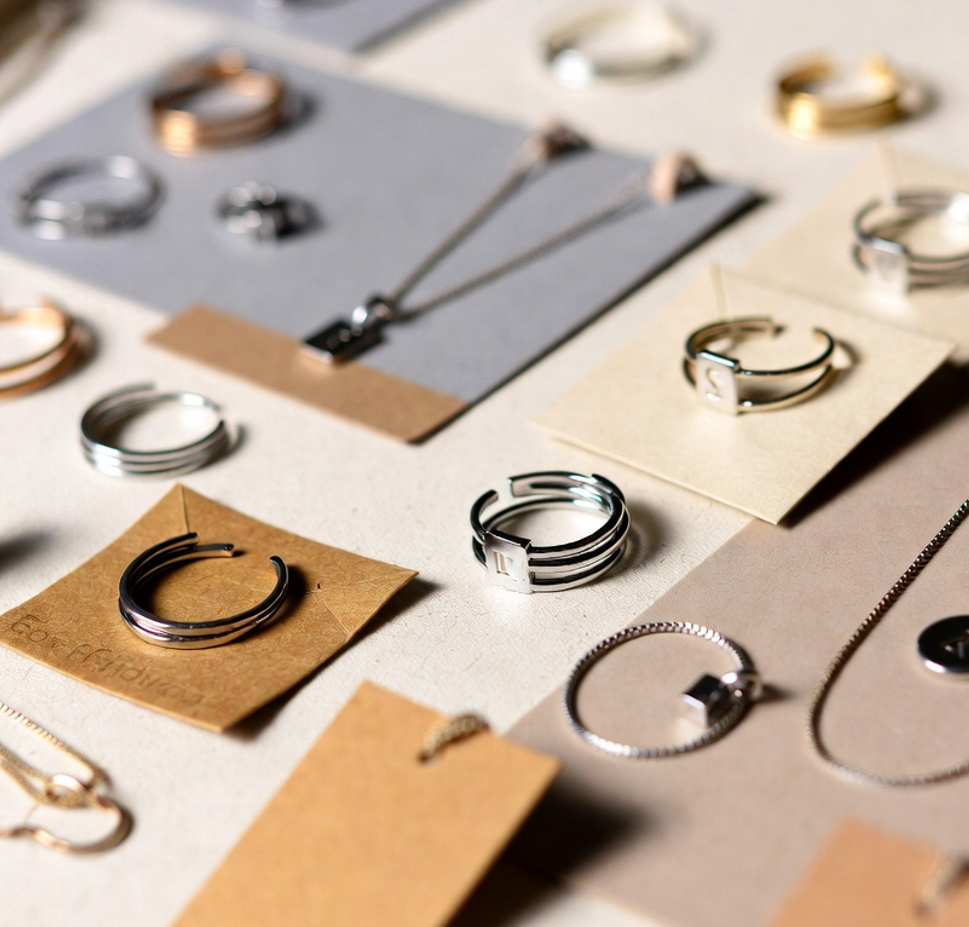
Stackable rings remain popular because they are affordable, collectible, and easy to mix. Teens can wear one ring for a minimal look or stack several for a more expressive style, which makes this category ideal for repeat purchases.
A strong stackable-ring assortment should include slim bands, textured finishes, mixed metals, enamel accents, and small stones. The more combinations a buyer can create, the more likely they are to buy multiple pieces instead of one.
This trend also works well for seasonal updates. Retailers can refresh the same core ring design with new colors, symbols, or stones without rebuilding the entire collection. That lowers sourcing risk and keeps the line feeling current.
4. Mismatched Earrings Feel Fresh
Mismatched earrings are no longer a styling mistake. They now signal creativity, individuality, and a relaxed attitude toward fashion rules.
This trend performs best in sets that still feel visually connected. For example, a small hoop paired with a charm drop, or a stud paired with a mini symbol earring, creates contrast without looking random. That makes it easier for buyers to adopt the trend while still feeling coordinated.
For sellers, mismatched earrings are a smart way to increase product variety. They can be sold as complete pairs, mix-and-match collections, or multi-pack styling sets. That flexibility helps the same category appeal to both minimal and expressive buyers.
5. Chunky Chains and Statement Pieces Return
After several seasons of very minimal styling, bolder jewelry has returned. Chunky chains, oversized pendants, and playful statement pieces are gaining attention because they can transform a basic outfit into a fashion look.
For teen buyers, bold does not have to mean expensive or heavy. The best-performing products are often lightweight, wearable, and visually strong in photos. That is why playful shapes, colorful materials, and polished finishes matter so much in this category.
This trend also connects to social sharing. Statement jewelry photographs well, stands out in short videos, and is easy to feature in “get ready with me” and outfit content. That gives it a stronger promotional advantage than more understated styles.
6. Charm Jewelry Tells a Story
Charm bracelets and charm necklaces are making a clear comeback because they combine personalization with collectability. Teens like to start with one base chain and keep adding charms over time, which creates emotional attachment and repeat sales potential.
Charm systems are especially effective when the theme is easy to understand. Popular motifs include initials, hearts, stars, pets, hobbies, travel symbols, and seasonal shapes. A modular assortment also gives distributors more flexibility in bundling and replenishment.
This category is also valuable because it encourages self-curation. Instead of buying one finished piece, the customer builds a small jewelry story over time. That makes the product feel more interactive and more likely to return as a repeat purchase.
7. Mixed Metals Replace Old Rules
The old rule of choosing either gold or silver is fading. Teens increasingly wear mixed metals together because it feels more relaxed, personal, and modern.
Mixed-metal assortments simplify styling for the buyer. They reduce the fear of “matching incorrectly” and make one collection easier to pair with another. That is especially useful for necklace layers, ring stacks, and earring sets that need to work across different outfits.
For suppliers, this trend broadens the product line. One collection can include gold-tone, silver-tone, and rose-tone pieces, making it easier to offer more choices without creating separate product families from scratch.
8. Sustainable Jewelry Builds Trust
Sustainability matters more to younger shoppers than ever before. Recycled metals, ethical sourcing, transparent production, and long-wear quality are powerful selling points because teens want products that reflect their values.
This does not mean every product must be premium-priced. It means the product story should be honest and clear. Even affordable teen jewelry can build trust if materials, plating, packaging, and sourcing claims are communicated clearly and consistently.
In practical terms, that means retailers should be ready to explain what the piece is made of, how it is finished, and how it should be cared for. Clear product education reduces returns and increases buyer confidence.
9. Beads, Color, and Playfulness Matter
Beaded necklaces, colorful enamel details, and playful motifs remain important because they make jewelry feel youthful and easy to wear. These designs are often seen as fun, collectable, and highly giftable.
This category works best when the products feel like part of a system. Color families, friendship themes, and small symbolic motifs encourage buyers to collect more than one item. That supports repeat sales and makes the collection easier to refresh each season.
For social media, colorful jewelry has a clear advantage. It stands out quickly in photos and short-form video, which increases product visibility without requiring complex styling.
10. Pendant Jewelry Keeps Everyday Appeal
Pendant necklaces remain dependable because they balance meaning and simplicity. Hearts, moons, stars, initials, and symbol-based pendants are easy to wear daily and easy to feature in product photography.
The best pendant products are usually lightweight, visually clean, and easy to layer with other pieces. They also work well across gift seasons and everyday purchases, making them a low-risk category for year-round inventory.
For sourcing teams, this is one of the most efficient products to maintain in stock. A few strong pendant styles can serve school shoppers, gift buyers, and trend-driven customers at the same time.
What Buyers Should Add Next
Teen jewelry in 2026 is no longer just about decoration. It is about identity, comfort, and styling flexibility. That means the smartest assortment strategy is not to chase one trend only, but to build a balanced line across personalization, layering, charms, and wearable basics.
A practical buying mix could look like this:
| Product Type | Why It Sells | Best Style Cue |
| Personalized necklaces | Emotional appeal and gifting value | Initials, names, birthstones |
| Layered necklace sets | Easy styling and higher cart value | Mixed chain lengths |
| Stackable rings | Affordable repeat buying | Mixed metals, slim bands |
| Mismatched earrings | Trend-driven and playful | Small hoops, studs, cuffs |
| Charm bracelets | Collectible and repeat-friendly | Modular charms |
| Pendant necklaces | Everyday wear and broad appeal | Symbols, stars, hearts |
For B2B buyers, this structure reduces risk. Instead of depending on one viral style, you create a product line that can absorb trend shifts while still staying relevant to teen shoppers.
A useful rule is to balance your assortment across three layers:
1. Core evergreen styles like pendant necklaces and stackable rings.
2. Trend-forward items like mismatched earrings and chunky chains.
3. Customization products like engraved bracelets and name necklaces.
That approach helps retailers maintain both stability and freshness in the same catalog.
Product Materials and Pricing
Material choice matters as much as design. Teen jewelry usually works best when it looks polished, feels comfortable, and stays affordable enough for impulse or gift buying. Popular materials include stainless steel, plated alloys, sterling silver, enamel, beads, and stone accents.
Pricing should match the emotional use case. A friendship bracelet, for example, should be easy to buy on a small budget, while a personalized necklace can justify a higher price if the customization feels meaningful. The goal is not luxury positioning, but accessible value.
For sourcing and dropshipping sellers, lightweight materials are especially useful because they lower logistics costs and simplify shipping. That is one reason teen jewelry is such a strong category for cross-border ecommerce models.
Content and Merchandising Ideas
Teen jewelry sells better when the product story is visually clear. A simple product shot is rarely enough. Buyers respond better to lifestyle imagery, styling examples, and short visual explanations that show how the jewelry looks on real outfits.
Useful content formats include:
– Carousel images showing how to layer necklaces.
– A chart comparing stackable ring styles.
– Short video clips showing mismatched earrings in outfit combinations.
– Gift guides for birthdays, friendships, and school celebrations.
– Close-up images highlighting customization details.
For product pages, descriptions should be short but specific. Mention the occasion, styling benefit, material type, and customization option whenever possible. That combination helps both conversion and customer confidence.
How Looperbuy Can Position This Category
For a B2B procurement and dropshipping platform, teen jewelry is attractive because it combines fast trend turnover with lightweight shipping and flexible pricing. Small accessories are easier to test, easier to bundle, and easier to launch in multiple styles without heavy inventory pressure.
Looperbuy can position itself around five strengths:
– Low-risk testing for trend-led SKUs.
– Fast replenishment for best-selling styles.
– Private label support for custom collections.
– Multi-style sourcing in one place.
– Efficient fulfillment for cross-border sellers.
This matters because many buyers want to move quickly without holding large stock. A platform that can source, pack, and ship in a flexible way gives sellers a real competitive advantage in trend categories like teen jewelry.
Purchase Strategy for Retailers
If you are a retailer or distributor, the best way to buy teen jewelry is to test in small groups first. Start with one personalization collection, one layering collection, one charm collection, and one bold statement collection. Then track which styles get the strongest click-through, saves, and repeat orders.
A simple rollout plan:
1. Launch 20 to 30 SKUs across four trend groups.
2. Use affordable price points to encourage impulse purchases.
3. Add bundles and set-based offers.
4. Promote products with short-form lifestyle visuals.
5. Restock only the styles that show clear traction.
This approach reduces dead stock while helping you identify what your audience actually wants, not just what looks good in a forecast.
If you sell teen, youth, or Gen Z accessories, now is the time to refresh your jewelry assortment with trend-led, easy-to-ship, and personalization-friendly products. Build a line that is visually strong, affordable, and flexible enough to move with the market.
Explore Looperbuy’s sourcing and dropshipping support to launch teen jewelry collections faster, test demand with lower inventory risk, and scale winning styles efficiently.
FAQ
1. What teen jewelry trends are biggest in 2026?
Personalized jewelry, layered necklaces, stackable rings, mismatched earrings, charm bracelets, mixed metals, and sustainable designs are the strongest trends.
2. Why is personalized jewelry so popular with teens?
Because it feels unique, emotional, and giftable. Teens like jewelry that reflects their names, memories, values, or identity.
3. Are gold and silver both trending?
Yes. Mixed metals are especially popular because teens no longer feel the need to choose one metal only.
4. What jewelry types are best for repeat sales?
Charm bracelets, stackable rings, and modular necklace systems usually work well because buyers can keep adding new pieces over time.
5. How can B2B sellers reduce risk when buying teen jewelry?
Start with a small trend mix, test product performance quickly, and focus on lightweight, affordable, visually clear styles that can be bundled or customized.
References
1. Global Sources, “Top 10 Hot Teenage Jewelry Trends Defining Gen Z Style,” [raretejewelry]
2. Fortune Business Insights, “Jewelry Market Size, Share & Industry Analysis, 2026–2034,” [ourosjewels]
3. Rarete Jewelry, “Teen Jewelry Trends 2026,” [raretejewelry]
4. Artizan Joyeria, “The 12 Best Gen Z Jewelry Trends That Define 2026,”[artizanjoyeria]
5. Mama Prada, “Ultimate Teen Jewellery Trends in 2026,” [mammaprada]
6. Vogue UK, “The 5 Major Jewellery Trends The Experts Are Backing For 2026,” [vogue.co]
7. Marie Claire, “From Bold Gold to Lucite, 7 Jewelry Trends Taking Over 2026,” [marieclaire]
8. Prism News, “Etsy spotlights personalized jewelry as 2026 buyer demand,” [prismnews]
9. De Beers / India Television coverage, “Gen Z driving US diamond demand,” [indiantelevision]
10. Caratzon, “Gen Z Jewelry Demands 2026: Retailer Pitch Blueprint,” [caratzon]
11. Wizcommerce, “8 Key Jewelry Industry Trends To Know In 2026,” [wizcommerce]
12. Accio, “Gen Z Jewelry Trends 2026 You Need to Know,” [accio]
13. MIRAMETAL, “2026 Jewelry Trends Wholesale – What Factory Data Shows,” [mirametaljewelry]