Table of Contents
The Industrial Demand for Premium Charging Cables
In the industrial sector, the requirement for premium charging cables extends beyond mere functionality to encompass durability, safety, and efficiency in demanding operational environments. Unlike consumer-grade cables, industrial charging solutions must withstand extreme conditions including temperature fluctuations, chemical exposure, and repetitive mechanical stress. These high-performance cables power critical equipment across manufacturing facilities, logistics operations, and technological infrastructure, making their quality directly proportional to operational uptime and safety.
The automotive industry exemplifies the critical need for premium charging cables. Electric vehicle (EV) manufacturing and maintenance facilities utilize industrial-grade cables for testing, assembly line charging stations, and robotic equipment power supply. These cables must meet stringent safety standards such as UL, CE, and ISO certifications to prevent equipment damage and ensure worker safety. According to a report by MarketsandMarkets, the industrial EV charging infrastructure market is projected to grow at a CAGR of 28.3% from 2023 to 2028, driven by global electrification initiatives and regulatory emissions reductions targets.
Manufacturing automation represents another significant application area. Robotic welding cells, automated guided vehicles (AGVs), and CNC machinery rely on premium charging cables with specialized connectors designed for industrial environments. These cables often feature reinforced insulation, shielding against electromagnetic interference, and connectors with IP67 or higher ingress protection ratings to function reliably in dusty or wet manufacturing settings.
Key Considerations When Sourcing Premium Charging Cables in Italy
Quality Standards and Certifications Landscape
Sourcing premium charging cables in Italy demands meticulous attention to the regulatory and quality frameworks governing electrical components within the EU. The Italian market enforces strict compliance with the EU’s Low Voltage Directive (2014/35/EU) and Electromagnetic Compatibility Directive (2014/30/EU). Industrial buyers must verify that charging cables possess CE marking, indicating conformity with essential health, safety, and environmental protection requirements.
The Italian standard UNI 11515 specifies technical requirements for industrial power cables, including mechanical resistance, electrical performance, and thermal endurance characteristics. Cables intended for outdoor industrial applications must additionally comply with UNI EN 50611 standards regarding protection against environmental factors such as UV radiation, ozone, and humidity. For facilities handling food processing or pharmaceutical manufacturing, charging cables may require compliance with FDA or EU Food Contact regulations to prevent contamination risks.
TÜV Rheinland and IMQ (Istituto Italiano di Conformità) are prominent certification bodies in Italy providing testing and certification services for industrial electrical components. Working with suppliers who maintain certifications from these reputable institutions provides assurance of product reliability and reduces the risk of non-compliance penalties.
Supplier Evaluation and Selection Matrix
Selecting the appropriate Italian supplier involves evaluating multiple dimensions beyond initial pricing considerations. The supplier’s technical expertise and capacity for customization represent critical factors, particularly for industrial applications requiring specialized cable configurations. Suppliers with in-house R&D capabilities can develop custom cable solutions incorporating specific conductor materials, insulation compounds, and connector types tailored to unique industrial requirements.
The supplier’s manufacturing flexibility and minimum order quantity (MOQ) policies significantly impact procurement strategies. Italian artisanal manufacturers often offer smaller MOQs compared to mass-market producers, making them suitable for businesses requiring specialized cables in lower volumes. However, these suppliers may have longer lead times due to manual production processes emphasizing quality over speed.
Logistical considerations include the supplier’s proximity to key industrial clusters in Italy such as the manufacturing belt between Milan and Bologna or the technological corridor around Turin. Local suppliers may offer advantages in terms of shorter delivery times and easier coordination for quality inspections. However, they might lack the scalability required for pan-European industrial projects.
Total Cost of Ownership Calculation
The total cost of ownership (TCO) for industrial charging cables extends beyond the purchase price to include installation, maintenance, and replacement costs over the cable’s operational lifespan. Premium cables with longer guaranteed service lives (typically 3-5 years versus 6-12 months for standard cables) may have higher upfront costs but deliver significant savings when considering the reduced frequency of replacements and associated downtime.
Energy efficiency represents an often-overlooked TCO component. High-quality charging cables with lower electrical resistance minimize energy loss during power transmission, reducing operational electricity costs. For industrial facilities with numerous charging points, this efficiency can accumulate substantial savings annually.
Maintenance requirements vary based on cable quality and application environment. Cables with robust connector sealing and strain relief features require less frequent inspection and cleaning, reducing labor costs and equipment downtime. Implementing a preventive maintenance schedule based on cable usage patterns and environmental factors helps optimize TCO by balancing inspection frequency with operational needs.
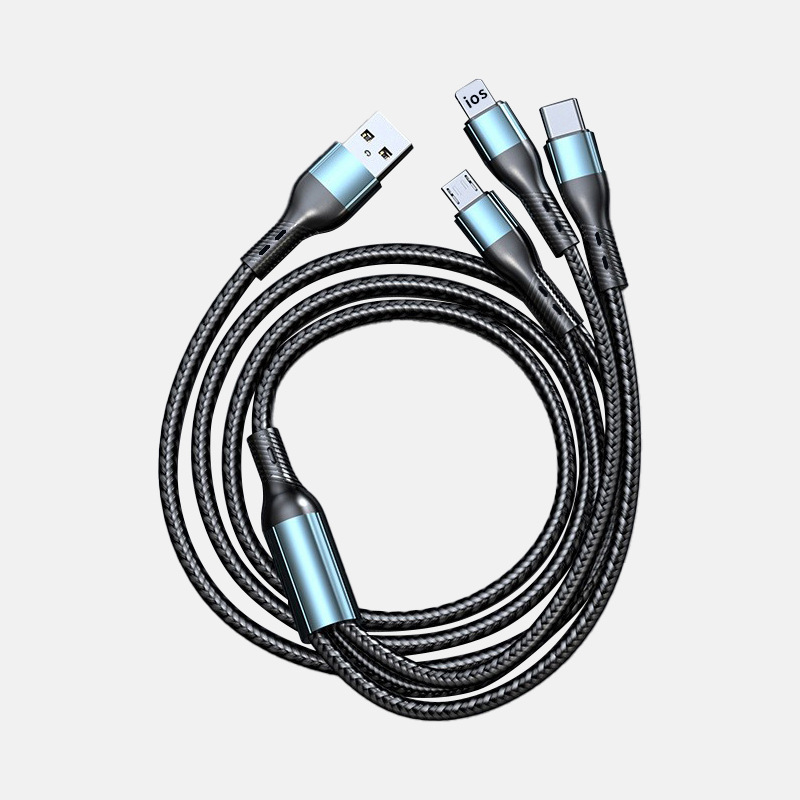
Strategies for Successful Industrial Charging Cable Sourcing in Italy
Building Strategic Supplier Relationships
Establishing long-term partnerships with Italian charging cable manufacturers provides several strategic advantages. Collaborative R&D initiatives between buyers and suppliers can lead to innovative cable solutions addressing emerging industrial challenges such as higher power transmission requirements for fast-charging applications or enhanced flexibility for robotic environments.
Contract manufacturing agreements enable customized production aligned with specific industrial needs. These agreements often include provisions for exclusive supply arrangements, capacity reservations during peak demand periods, and joint知识产权 ownership for jointly developed products. Regular supplier performance reviews focusing on quality metrics, delivery reliability, and innovation contributions strengthen these partnerships and ensure continuous improvement.
Participation in Italian industry associations such as ANIE (Italian Electrical and Electronics Manufacturers’ Association) and Confindustria provides networking opportunities with charging cable suppliers and access to market intelligence. These associations organize trade missions, technical workshops, and exhibitions where buyers can evaluate multiple suppliers, stay updated on regulatory changes, and discover emerging technological trends in industrial charging solutions.
Quality Assurance and Inspection Protocols
Implementing rigorous quality assurance (QA) processes begins with clearly defined acceptance criteria outlined in purchasing contracts. These criteria should reference specific standards such as the maximum allowed conductor resistance, insulation thickness tolerances, and mechanical strength specifications relevant to the industrial application.
On-site inspection protocols should include both sampling testing and full batch verification depending on the criticality of the application. For mission-critical industrial charging cables (e.g., those powering emergency backup systems), 100% inspection for electrical continuity, insulation integrity, and connector functionality may be justified despite higher inspection costs.
Third-party inspection agencies specializing in electrical components can provide impartial verification services, particularly beneficial when sourcing from new suppliers or during initial production runs. These agencies utilize specialized testing equipment such as time-domain reflectometers (TDR) for identifying cable faults and accelerated life testing chambers to simulate years of operational stress within compressed timeframes.
Inventory Management and Logistics Optimization
Inventory management strategies for industrial charging cables should account for their typically high unit values and criticality to operations. The Economic Order Quantity (EOQ) model helps determine optimal order quantities that balance carrying costs with ordering expenses. For facilities with fluctuating demand patterns, employing a min-max inventory system with safety stock levels calculated based on lead time variability and demand forecasting accuracy reduces stockouts without excessive capital tie-up.
Kanban replenishment systems work effectively for industrial charging cables with steady consumption rates. Visual or digital Kanban signals trigger replenishment orders when inventory reaches predetermined thresholds, ensuring timely delivery of new stock. Integrating this system with suppliers’ production schedules through vendor-managed inventory (VMI) arrangements further enhances efficiency by transferring inventory management responsibilities to the supplier while maintaining buyer control over stock levels.
Logistics optimization focuses on minimizing total landed costs through strategic shipping mode selection and route planning. For high-value, time-sensitive industrial charging cable shipments, groupage shipping that consolidates multiple orders into a single shipment may reduce costs by 15-20% compared to individual LTL (Less Than Truckload) shipments. Real-time shipment tracking systems with exception management capabilities prevent delays by proactively addressing potential transportation issues such as customs holdups or carrier diversions.
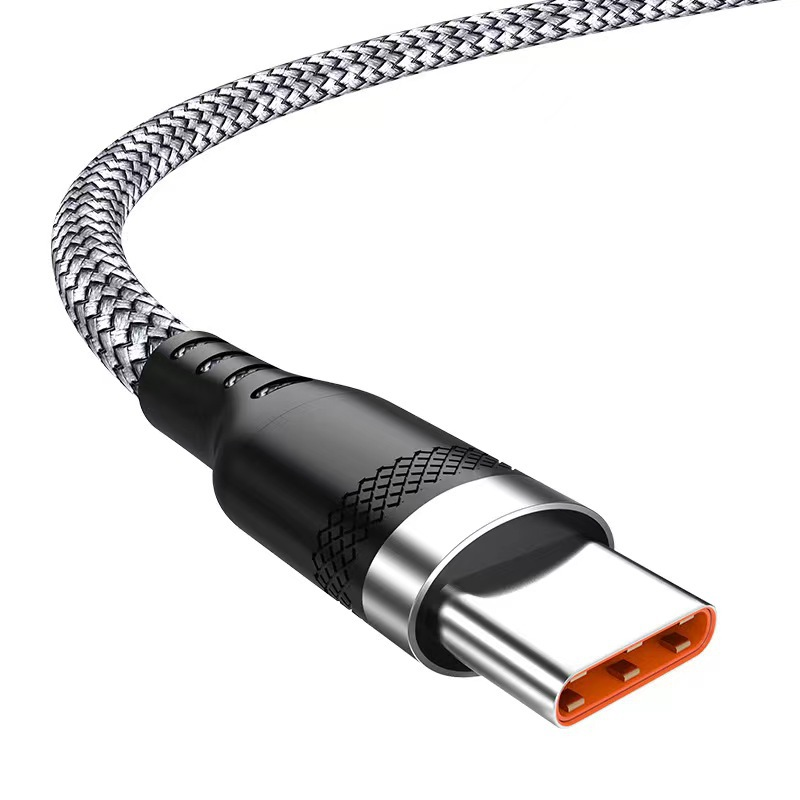
Conclusion
Sourcing premium charging cables for industrial applications in Italy demands a comprehensive approach that balances stringent quality requirements, strategic supplier relationships, and optimized logistics practices. By understanding and navigating the Italian quality standards landscape, evaluating suppliers holistically beyond pricing, and implementing robust TCO assessment frameworks, industrial buyers can secure charging solutions that enhance operational reliability and safety. As industrial electrification continues advancing across manufacturing and infrastructure sectors, the importance of premium charging cables will only intensify, making informed sourcing strategies vital for maintaining competitive industrial operations.
How to Purchase:https://looperbuy.com/search?keywords=Italy+premium+charging+cable+industrial+sourcing+
Related Questions & Answers
· What differentiates industrial charging cables from consumer-grade options?
Industrial charging cables are designed to withstand extreme environmental conditions including temperature ranges from -40°C to 85°C, exposure to industrial chemicals, and mechanical stresses such as frequent bending and pulling. They feature reinforced insulation materials like silicone rubber or thermoplastic elastomers, shielding against electromagnetic interference, and connectors with higher ingress protection ratings (typically IP67 or above). Unlike consumer cables, industrial versions undergo rigorous testing for millions of flex cycles and maintain electrical performance in contaminated or humid environments, ensuring reliable power transmission in manufacturing, logistics, and technological infrastructure applications.
· How can I verify the authenticity of an Italian supplier’s quality claims?
Requesting third-party certification documents from recognized bodies like TÜV Rheinland or IMQ provides objective verification of quality claims. Asking for sample testing reports including mechanical stress tests, insulation resistance measurements, and thermal endurance results demonstrates the supplier’s transparency. Scheduling on-site factory inspections, either directly or through a third-party inspection agency, allows evaluation of production processes, quality control measures, and raw material sourcing practices. Checking references from other industrial buyers in similar sectors further confirms the supplier’s reliability and product suitability for demanding applications.
· Are there Italian suppliers specializing in eco-friendly charging cables?
Yes, several Italian manufacturers have developed charging cables with environmentally sustainable features. Companies like Prysmian Group and Italtralfa offer cables utilizing recyclable materials, low-smoke zero-halogen (LSZH) insulation compounds that minimize toxic emissions during fires, and production processes with reduced carbon footprints. These eco-friendly cables appeal to industries pursuing green certifications and comply with EU environmental directives such as RoHS and WEEE, making them suitable for facilities in sectors like renewable energy, sustainable manufacturing, and eco-conscious technology infrastructure.
· What are the typical lead times for custom industrial charging cables in Italy?
Standard lead times for customized industrial charging cables from Italian suppliers generally range from 8 to 12 weeks, depending on the complexity of the customization and current production schedules. Suppliers with in-house tooling capabilities for connector manufacturing may offer shorter lead times of 4-6 weeks for recurring custom orders once initial tooling is established. Express production services, though more costly, can reduce lead times to as little as 2 weeks for urgent requirements, though these typically involve expedited fees and prioritized production scheduling that may affect other buyers’ orders.
· How do I address voltage compatibility issues when sourcing charging cables for international industrial equipment?
work with suppliers who can manufacture cables with interchangeable plugs and voltage adapters meeting both the equipment’s power requirements and local electrical standards. Specifying cables with IEC 60309 connectors provides flexibility for industrial applications across different voltage systems (100-480V) and enables safe connections in wet or hazardous environments. Conducting a thorough electrical system audit of the facility to map all equipment voltage needs and available power infrastructure ensures that procured charging cables match operational requirements without necessitating expensive electrical modifications.
Hot Tags: Industrial Electrical Components; Italian Manufacturing Excellence; Custom Charging Solutions; EU Compliance Standards; High-Performance Cables; Manufacturing Automation Supplies; EV Charging Infrastructure; Robotic Power Systems; Food Grade Electrical Equipment