
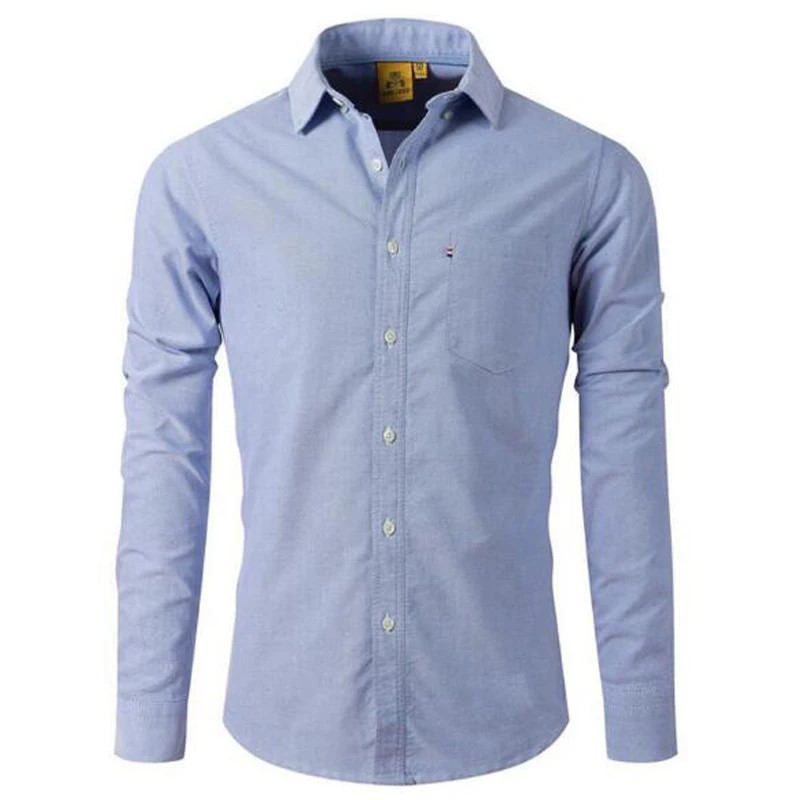
Shirts are more than just a piece of clothing; they are a fundamental element of our daily attire, reflecting our personal style, cultural background, and even our mood. In this article, we will explore the various aspects of shirts, including their history, types, styles, and the role they play in fashion today. We will also delve into the importance of quality in shirts and how to choose the right one for any occasion. By understanding the multifaceted nature of shirts, we can appreciate their significance in our wardrobes and how they contribute to our overall identity.

Table of Contents
The Evolution of Shirts
A Brief History
The shirt has a long and storied history, dating back to ancient civilizations. Initially, shirts were simple garments worn under armor or as a basic layer of clothing. In ancient Egypt, for instance, linen shirts were common among the wealthy, while in medieval Europe, shirts were often worn as undergarments. Over the centuries, they evolved into more complex designs, influenced by cultural shifts and technological advancements in fabric production. The introduction of buttons in the 13th century revolutionized shirt design, allowing for more fitted styles. By the 19th century, shirts became a symbol of social status, with the rise of tailored dress shirts for the upper class. This evolution reflects not only changes in fashion but also shifts in societal norms and values.
The Modern Shirt
Today, shirts come in a myriad of styles, fabrics, and fits. From casual t-shirts to formal dress shirts, the options are endless. The modern shirt is not just a functional item; it is a fashion statement that can convey professionalism, creativity, or casual comfort. With the rise of fast fashion, consumers have access to a wide range of shirt styles at various price points, making it easier than ever to express personal style. Additionally, the influence of streetwear and celebrity culture has led to the popularity of graphic tees and oversized silhouettes, showcasing how shirts can adapt to contemporary trends while remaining timeless staples in our wardrobes.
Types of Shirts
Casual Shirts
Casual shirts are designed for everyday wear and come in various styles, including t-shirts, polo shirts, and button-downs. They are typically made from comfortable fabrics like cotton or linen, making them ideal for relaxed settings. Casual shirts can be dressed up or down, depending on the occasion. For instance, a simple white t-shirt can be paired with jeans for a laid-back look or tucked into chinos for a more polished appearance. The versatility of casual shirts allows individuals to mix and match with different bottoms and accessories, making them a staple in any wardrobe.
Formal Shirts
Formal shirts, often referred to as dress shirts, are tailored for professional environments. They are usually made from finer materials such as poplin or twill and feature a more structured fit. These shirts are often worn with suits or dress pants and are essential for business meetings and formal events. The choice of color and pattern can also convey different messages; for example, a crisp white shirt is a classic choice for interviews, while a light blue shirt can add a touch of personality without being overly bold. Understanding the nuances of formal shirt styles can help individuals navigate professional settings with confidence and style.
Specialty Shirts
Specialty shirts include a range of designs tailored for specific occasions or activities. This category encompasses everything from sports jerseys to work shirts designed for specific trades. Each type serves a unique purpose, showcasing the versatility of shirts in our wardrobes. For example, a moisture-wicking athletic shirt is essential for workouts, while a durable work shirt with reinforced seams is ideal for manual labor. Specialty shirts not only provide functionality but also allow individuals to express their interests and professions through their clothing choices.
The Importance of Quality in Shirts
Fabric Matters
The quality of a shirt is largely determined by the fabric used. High-quality shirts are typically made from natural fibers like cotton, linen, or silk, which offer breathability and comfort. These materials not only feel better against the skin but also tend to last longer than synthetic alternatives. Additionally, the weave of the fabric can affect the shirt’s overall appearance and durability. For instance, a twill weave creates a more textured surface, while a plain weave results in a smoother finish. Investing in high-quality fabrics can enhance the overall look and feel of a shirt, making it a worthwhile addition to any wardrobe.
Craftsmanship
The construction of a shirt also plays a crucial role in its quality. Well-made shirts feature reinforced seams, quality stitching, and attention to detail in design. Features such as double-stitched seams and quality buttons can significantly impact the longevity of a shirt. Investing in a high-quality shirt can lead to a longer lifespan and better overall appearance. Furthermore, understanding the craftsmanship behind a shirt can help consumers make informed purchasing decisions, ensuring they choose garments that will withstand the test of time.
Choosing the Right Shirt
Fit and Style
When selecting a shirt, fit is paramount. Shirts come in various fits, including slim, regular, and relaxed. Understanding your body type and personal style can help you choose a shirt that flatters your figure and suits your taste. For example, a slim fit may be ideal for those with a lean physique, while a regular fit can provide a more comfortable option for a broader frame. Additionally, the style of the shirt—whether it’s a classic button-down, a trendy oversized shirt, or a fitted dress shirt—can influence how it pairs with other clothing items. Taking the time to try on different styles and fits can lead to a more satisfying shopping experience and a wardrobe that truly reflects your personal style.
Occasion
Consider the occasion when choosing a shirt. A casual outing may call for a relaxed button-down or a stylish t-shirt, while a formal event necessitates a well-fitted dress shirt. The right shirt can enhance your confidence and ensure you look appropriate for the setting. For instance, pairing a crisp dress shirt with tailored trousers can create a polished look for a business meeting, while a graphic tee and jeans can be perfect for a weekend gathering with friends. Understanding the dress code and expectations of different occasions can help individuals navigate their wardrobe choices with ease.
Trends in Shirt Fashion
Current Styles
Shirt fashion is constantly evolving, with new trends emerging each season. Currently, oversized shirts, bold patterns, and sustainable fabrics are gaining popularity. These trends reflect a shift towards comfort and individuality in fashion. Oversized shirts, for example, offer a relaxed silhouette that can be styled in various ways, from layering over a fitted turtleneck to wearing as a standalone piece. Bold patterns, such as florals and geometric designs, allow individuals to make a statement and express their personality through their clothing. Additionally, the growing emphasis on sustainability has led to an increase in eco-friendly shirt options, encouraging consumers to make more conscious fashion choices.
The Role of Technology
Advancements in technology have also influenced shirt design. Innovations in fabric technology have led to the creation of moisture-wicking and wrinkle-resistant materials, making shirts more functional and easier to care for. These technological advancements cater to the modern lifestyle, where convenience and performance are highly valued. For instance, shirts designed for travel often incorporate features such as quick-drying fabrics and anti-odor properties, making them ideal for those on the go. Embracing these innovations can enhance the practicality of shirts while maintaining style.
The Cultural Significance of Shirts
Shirts as a Statement
Shirts can serve as a form of self-expression. Graphic tees, for example, allow individuals to showcase their interests, beliefs, or sense of humor. These shirts often feature bold designs, slogans, or artwork that resonate with the wearer. In contrast, formal shirts can convey professionalism and authority in the workplace. The choice of shirt can significantly impact how one is perceived in social and professional settings, making it essential to choose wisely. Understanding the cultural significance of different shirt styles can empower individuals to use clothing as a means of communication and self-identity.
Global Variations
Different cultures have unique shirt styles that reflect their heritage. For instance, the kurta in South Asia, the guayabera in Latin America, and the kimono in Japan each tell a story about the people and traditions of their respective regions. These cultural shirts often feature distinctive patterns, colors, and cuts that are deeply rooted in history. By exploring global variations in shirt styles, individuals can gain a greater appreciation for the diversity of fashion and the stories behind each garment. This understanding can also inspire personal style choices that incorporate elements from different cultures.
Conclusion
Shirts are an essential part of our wardrobes, serving both functional and aesthetic purposes. From casual to formal, the variety of shirts available allows individuals to express their personal style while meeting the demands of different occasions. By understanding the importance of quality, fit, and current trends, anyone can make informed choices when it comes to selecting the perfect shirt. Ultimately, shirts are not just clothing items; they are a reflection of who we are and how we choose to present ourselves to the world.
How to purchase:https://looperbuy.com/search?keywords=Shirts
Related Questions and Answers
1. What are the different types of shirts available?
There are casual shirts, formal shirts, and specialty shirts, each designed for specific occasions and styles.
2. How can I determine the right fit for a shirt?
Consider your body type and personal style. Shirts come in slim, regular, and relaxed fits, so choose one that flatters your figure.
3. What materials are best for high-quality shirts?
Natural fibers like cotton, linen, and silk are ideal for high-quality shirts due to their breathability and comfort.
4. How do I care for my shirts to ensure they last?
Follow the care instructions on the label, wash in cold water, and avoid high heat when drying to maintain the fabric’s integrity.
5. What are some current trends in shirt fashion?
Oversized shirts, bold patterns, and sustainable fabrics are currently trending in the fashion world.


https://t.me/site_official_1win/681
https://t.me/s/RejtingTopKazino
No long roads.
No overexplaining.
Only what matters, when it matters.
Fresh signals.
Clear mechanics.
Moments that feel right — not forced.
This is where rhythm meets timing,
and timing quietly turns into advantage.
You scroll — you get it.
You stay — you feel it.
https://t.me/s/portable_1WIN
Slide in.
Catch the flow.
Stay where momentum lives.
Great read. This is an excellent, an eye-opener for sure! I am really beyond blown away, I got to confess. I have been looking everywhere for this!
I enjoyed reading this. I truly appreciate this post. Good job on this article! Nice read.
Interesting content. You have to make sure the content is easy to read and understand. Thanks for writing this. Thanks for this post . I found it to be very encouraging. Have you used Free quote? I truly appreciate this post. You are obviously very knowledgeable. Good job on this article! Good job on this article! I truly appreciate this post. Hit me up! Thanks for writing this. I have been looking everywhere for this! I enjoyed reading this. Nice write up. After reading this I screamed at the ceiling and my eyes blew up . Thanks for this post , I found it to be very encouraging.
What you’ve achieved here on your website could have an impact on the industry.
You’ve made my day! Thx again. Some nice points there. Thanks for writing this. This is an excellent, an eye-opener for sure!
dirty sex
Thanks for writing this.
Good day very cool website!! Man .. Excellent .. Wonderful .. I’ll bookmark your website and take the feeds additionally?I’m glad to find a lot of useful information here within the post, we need develop more strategies on this regard, thanks for sharing. . . . . .
I’m not sure exactly why but this blog is loading incredibly slow for me. Is anyone else having this issue or is it a problem on my end? I’ll check back later and see if the problem still exists.
I really like your blog.. very nice colors & theme. Did you create this website yourself or did you hire someone to do it for you? Plz reply as I’m looking to create my own blog and would like to know where u got this from. kudos
Thanks for your publication. What I want to comment on is that while looking for a good on the web electronics store, look for a web site with full information on key elements such as the security statement, basic safety details, payment methods, and various terms and also policies. Constantly take time to investigate the help as well as FAQ pieces to get a superior idea of what sort of shop operates, what they are able to do for you, and the way you can make the most of the features.
You could certainly see your skills in the work you write. The world hopes for even more passionate writers like you who aren’t afraid to say how they believe. Always follow your heart.
Thanks for any other informative web site. Where else may just I get that type of info written in such an ideal manner? I have a venture that I am simply now running on, and I’ve been at the look out for such info.
Throughout this grand scheme of things you secure an A+ just for effort and hard work. Where you actually misplaced me personally was in all the particulars. You know, as the maxim goes, details make or break the argument.. And it could not be more correct in this article. Having said that, permit me say to you just what exactly did work. The text can be pretty engaging which is possibly why I am making the effort to opine. I do not really make it a regular habit of doing that. Second, despite the fact that I can notice the jumps in reasoning you make, I am not really confident of how you seem to unite the details which in turn make your final result. For the moment I shall subscribe to your point but trust in the future you actually link the dots much better.
Wonderful website. A lot of useful info here. I?m sending it to several friends ans additionally sharing in delicious. And naturally, thank you to your sweat!
I?m impressed, I need to say. Really not often do I encounter a weblog that?s both educative and entertaining, and let me tell you, you might have hit the nail on the head. Your thought is excellent; the issue is one thing that not enough individuals are talking intelligently about. I am very completely happy that I stumbled across this in my search for something relating to this.
I think this is among the most vital info for me. And i’m glad reading your article. But wanna remark on few general things, The website style is wonderful, the articles is really great : D. Good job, cheers
Have you ever considered writing an ebook or
guest authoring on other sites? I have a blog based on the same information you discuss and would love to
have you share some stories/information. I know my viewers would appreciate
your work. If you’re even remotely interested,
feel free to send me an e-mail.
I can’t express how much I admire the effort the author has put into creating this outstanding piece of content. The clarity of the writing, the depth of analysis, and the wealth of information presented are simply remarkable. His passion for the subject is apparent, and it has undoubtedly resonated with me. Thank you, author, for sharing your wisdom and enriching our lives with this exceptional article!
I do love the manner in which you have presented this difficulty and it does present me personally a lot of fodder for consideration. However, because of what I have seen, I only wish when the remarks pack on that people today keep on issue and in no way embark upon a tirade involving some other news of the day. Yet, thank you for this superb piece and while I can not really go along with this in totality, I regard the perspective.
It is indeed my belief that mesothelioma is definitely the most dangerous cancer. It contains unusual properties. The more I actually look at it the harder I am persuaded it does not behave like a true solid human cancer. When mesothelioma is really a rogue virus-like infection, hence there is the chance for developing a vaccine and also offering vaccination to asbestos subjected people who are open to high risk involving developing upcoming asbestos linked malignancies. Thanks for revealing your ideas about this important ailment.
Some tips i have seen in terms of computer system memory is that there are features such as SDRAM, DDR and so on, that must match up the specifications of the motherboard. If the computer’s motherboard is pretty current and there are no operating system issues, improving the ram literally normally takes under 1 hour. It’s one of many easiest computer upgrade techniques one can picture. Thanks for spreading your ideas.
Audio began playing anytime I opened up this web page, so annoying!
I do accept as true with all the ideas you have introduced to your post. They’re very convincing and will definitely work. Nonetheless, the posts are very short for newbies. May you please lengthen them a little from subsequent time? Thank you for the post.
Very nice post. I just stumbled upon your weblog and wished to say that I’ve really loved browsing your blog posts. After all I will be subscribing on your feed and I’m hoping you write once more very soon!
Currently it appears like WordPress is the best blogging platform out there right now. (from what I’ve read) Is that what you’re using on your blog?
Hi, i think that i saw you visited my website so i came to ?return the favor?.I am attempting to find things to enhance my site!I suppose its ok to use some of your ideas!!
A further issue is that video games are generally serious as the name indicated with the major focus on understanding rather than amusement. Although, there is an entertainment factor to keep your sons or daughters engaged, each one game is generally designed to work with a specific group of skills or programs, such as mathematics or scientific discipline. Thanks for your publication.
Heya i?m for the first time here. I found this board and I find It really useful & it helped me out much. I hope to give something back and help others like you helped me.
A further issue is that video games are usually serious naturally with the main focus on mastering rather than leisure. Although, there’s an entertainment factor to keep the kids engaged, each game is often designed to work with a specific expertise or programs, such as mathmatical or scientific disciplines. Thanks for your post.
Thank you for any other fantastic article. The place else could anybody get that type of information in such an ideal method of writing? I have a presentation subsequent week, and I am at the search for such info.
You actually make it seem so easy with your presentation but I find this topic to be really something that I think I would never understand. It seems too complicated and extremely broad for me. I am looking forward for your next post, I?ll try to get the hang of it!
What an eye-opening and meticulously-researched article! The author’s attention to detail and ability to present complicated ideas in a comprehensible manner is truly praiseworthy. I’m thoroughly impressed by the scope of knowledge showcased in this piece. Thank you, author, for providing your expertise with us. This article has been a game-changer!
I used to be very happy to search out this internet-site.I wanted to thanks to your time for this excellent learn!! I positively having fun with every little little bit of it and I’ve you bookmarked to take a look at new stuff you weblog post.
I?ve recently started a website, the information you offer on this site has helped me tremendously. Thanks for all of your time & work.
I found your blog site on google and examine a few of your early posts. Proceed to maintain up the superb operate. I simply additional up your RSS feed to my MSN News Reader. Searching for ahead to reading more from you in a while!?
Thanks for the guidelines you have shared here. One more thing I would like to talk about is that laptop memory needs generally go up along with other breakthroughs in the technological innovation. For instance, any time new generations of processors are introduced to the market, there is certainly usually a similar increase in the dimensions demands of both pc memory plus hard drive space. This is because the program operated by these cpus will inevitably rise in power to use the new know-how.
What i don’t realize is in truth how you’re now not actually a lot more well-favored than you might be right now. You are so intelligent. You recognize therefore significantly in the case of this matter, produced me personally believe it from numerous varied angles. Its like women and men are not fascinated except it is one thing to do with Lady gaga! Your individual stuffs outstanding. At all times maintain it up!
This will be a excellent web site, would you be involved in doing an interview about how you created it? If so e-mail me!
Hi there! Someone in my Myspace group shared this site with us so I came to look it over. I’m definitely enjoying the information. I’m book-marking and will be tweeting this to my followers! Outstanding blog and outstanding style and design.
I used to be suggested this website by way of my cousin. I am not positive whether or not this publish is written by means of him as nobody else recognise such certain about my problem. You’re incredible! Thank you!
Howdy just wanted to give you a quick heads up. The text in your content seem to be running off the screen in Ie. I’m not sure if this is a format issue or something to do with web browser compatibility but I thought I’d post to let you know. The layout look great though! Hope you get the issue fixed soon. Thanks
Thanks for the useful information on credit repair on this particular web-site. The thing I would advice people is to give up the mentality they can buy now and pay out later. Being a society all of us tend to make this happen for many factors. This includes family vacations, furniture, along with items we would like. However, it is advisable to separate the wants from all the needs. As long as you’re working to raise your credit score actually you need some sacrifices. For example you may shop online to economize or you can go to second hand stores instead of high priced department stores intended for clothing.
Have you ever considered about including a little bit more than just your articles? I mean, what you say is valuable and everything. However think about if you added some great images or videos to give your posts more, “pop”! Your content is excellent but with pics and videos, this site could undeniably be one of the best in its niche. Wonderful blog!
Can I just say what a reduction to seek out someone who really is aware of what theyre speaking about on the internet. You undoubtedly know learn how to convey a problem to mild and make it important. Extra folks must read this and understand this side of the story. I cant believe youre not more standard since you positively have the gift.
Hi would you mind sharing which blog platform you’re using? I’m planning to start my own blog in the near future but I’m having a tough time selecting between BlogEngine/Wordpress/B2evolution and Drupal. The reason I ask is because your design seems different then most blogs and I’m looking for something completely unique. P.S Apologies for being off-topic but I had to ask!
Attractive part of content. I simply stumbled upon your site and in accession capital to assert that I get actually enjoyed account your blog posts. Anyway I will be subscribing in your augment and even I achievement you get admission to constantly rapidly.
Hi, i believe that i noticed you visited my blog so i came to ?return the desire?.I am attempting to find issues to improve my web site!I assume its good enough to use some of your ideas!!
By my investigation, shopping for consumer electronics online may be easily expensive, but there are some guidelines that you can use to help you get the best deals. There are usually ways to locate discount deals that could help make one to hold the best electronic devices products at the lowest prices. Thanks for your blog post.
Yet another thing I would like to talk about is that rather than trying to match all your online degree programs on days that you end work (since the majority of people are fatigued when they return), try to obtain most of your instructional classes on the week-ends and only a couple courses for weekdays, even if it means a little time away from your end of the week. This pays off because on the week-ends, you will be much more rested in addition to concentrated on school work. Thx for the different suggestions I have figured out from your web site.
Howdy just wanted to give you a quick heads up. The words in your post seem to be running off the screen in Firefox. I’m not sure if this is a format issue or something to do with internet browser compatibility but I thought I’d post to let you know. The style and design look great though! Hope you get the issue solved soon. Cheers
I’m curious to find out what blog platform you have been working with? I’m experiencing some minor security issues with my latest website and I’d like to find something more safeguarded. Do you have any suggestions?
One thing is that often one of the most widespread incentives for using your credit card is a cash-back and also rebate present. Generally, you will get 1-5 back with various expenditures. Depending on the card, you may get 1 in return on most purchases, and 5 in return on purchases made on convenience stores, gas stations, grocery stores in addition to ‘member merchants’.
Oh my goodness! an amazing article dude. Thank you Nonetheless I am experiencing subject with ur rss . Don?t know why Unable to subscribe to it. Is there anybody getting equivalent rss problem? Anybody who knows kindly respond. Thnkx
Thanks for your article. I would also like to say that your health insurance specialist also works best for the benefit of the coordinators of your group insurance policy. The health insurance broker is given a list of benefits sought by individuals or a group coordinator. What a broker does indeed is seek out individuals or coordinators which in turn best go with those requirements. Then he reveals his tips and if all parties agree, the broker formulates an agreement between the two parties.
I have seen loads of useful factors on your website about personal computers. However, I have got the impression that laptop computers are still not nearly powerful adequately to be a wise decision if you generally do tasks that require many power, for instance video enhancing. But for world-wide-web surfing, word processing, and the majority of other frequent computer functions they are fine, provided you do not mind the tiny screen size. Many thanks sharing your ideas.
I?ve been exploring for a little bit for any high quality articles or blog posts on this sort of area . Exploring in Yahoo I at last stumbled upon this site. Reading this info So i am happy to convey that I have an incredibly good uncanny feeling I discovered just what I needed. I most certainly will make certain to don?t forget this web site and give it a look regularly.
This design is incredible! You most certainly know how to keep a reader amused. Between your wit and your videos, I was almost moved to start my own blog (well, almost…HaHa!) Fantastic job. I really loved what you had to say, and more than that, how you presented it. Too cool!
I loved as much as you’ll receive carried out right here. The sketch is attractive, your authored material stylish. nonetheless, you command get bought an shakiness over that you wish be delivering the following. unwell unquestionably come more formerly again since exactly the same nearly very often inside case you shield this increase.
Thanks for your post. My partner and i have generally noticed that many people are eager to lose weight simply because wish to appear slim in addition to looking attractive. Having said that, they do not often realize that there are more benefits to losing weight in addition. Doctors assert that obese people have problems with a variety of diseases that can be perfectely attributed to the excess weight. The good thing is that people who sadly are overweight plus suffering from various diseases can help to eliminate the severity of their illnesses simply by losing weight. You’ll be able to see a steady but identifiable improvement with health while even a bit of a amount of weight-loss is reached.
Thanks for the tips shared using your blog. Something also important I would like to convey is that fat reduction is not information on going on a celebrity diet and trying to lose as much weight as you’re able in a few months. The most effective way to burn fat is by using it little by little and using some basic guidelines which can allow you to make the most through your attempt to slim down. You may know and already be following some of these tips, but reinforcing awareness never affects.
F*ckin? tremendous issues here. I am very happy to look your post. Thank you a lot and i am taking a look ahead to contact you. Will you please drop me a e-mail?
I’m not sure why but this weblog is loading extremely slow for me. Is anyone else having this problem or is it a issue on my end? I’ll check back later and see if the problem still exists.
hi!,I like your writing so much! share we communicate more about your post on AOL? I need a specialist on this area to solve my problem. Maybe that’s you! Looking forward to see you.
That is the appropriate weblog for anyone who wants to seek out out about this topic. You notice a lot its almost onerous to argue with you (not that I really would need?HaHa). You positively put a new spin on a subject thats been written about for years. Great stuff, just nice!
Wow, incredible weblog format! How long have you ever been running a blog for? you made running a blog glance easy. The full glance of your website is magnificent, let alone the content material!
hello!,I like your writing so much! share we communicate more about your article on AOL? I need an expert on this area to solve my problem. Maybe that’s you! Looking forward to see you.
Thank you, I’ve been seeking for details about this topic for ages and yours is the best I’ve found so far.
There are some interesting closing dates on this article however I don?t know if I see all of them center to heart. There may be some validity however I’ll take hold opinion until I look into it further. Good article , thanks and we would like more! Added to FeedBurner as nicely
I like the valuable information you provide in your articles. I will bookmark your blog and check again here regularly. I’m quite certain I will learn a lot of new stuff right here! Best of luck for the next!
This will be a terrific blog, will you be involved in doing an interview regarding just how you designed it? If so e-mail me!
Thanks for the tips you discuss through this blog. In addition, numerous young women who become pregnant don’t even make an effort to get medical care insurance because they have anxiety they won’t qualify. Although a lot of states right now require that insurers supply coverage no matter the pre-existing conditions. Rates on these kinds of guaranteed plans are usually larger, but when thinking about the high cost of medical care bills it may be any safer route to take to protect your current financial potential.
Pretty! This has been an incredibly wonderful post. Thanks for providing these details.
Great post. I used to be checking continuously this weblog and I’m inspired! Very helpful info particularly the ultimate part 🙂 I maintain such information much. I was looking for this particular info for a very long time. Thank you and good luck.
Amazing Very helpful advice in this particular post! It is the little changes that will make the greatest changes. Thanks for sharing!
I have viewed that smart real estate agents everywhere you go are Advertising and marketing. They are noticing that it’s more than simply placing a poster in the front yard. It’s really about building interactions with these retailers who at some time will become purchasers. So, while you give your time and effort to assisting these retailers go it alone : the “Law of Reciprocity” kicks in. Thanks for your blog post.
Exactly that’s close to my heart… Many thanks! Where are your contact details though?
What?s Happening i am new to this, I stumbled upon this I have found It absolutely helpful and it has helped me out loads. I hope to contribute & assist other users like its helped me. Good job.
In the awesome design of things you’ll secure an A with regard to effort. Exactly where you actually lost me ended up being in the specifics. You know, people say, details make or break the argument.. And it could not be much more accurate at this point. Having said that, allow me inform you just what exactly did do the job. The authoring can be highly engaging which is possibly the reason why I am making the effort in order to comment. I do not make it a regular habit of doing that. Secondly, whilst I can easily notice a jumps in reason you make, I am definitely not confident of just how you seem to unite your points that make the conclusion. For now I will, no doubt yield to your issue but trust in the future you actually link the dots better.
Great info. Lucky me I came across your site by chance (stumbleupon). I’ve book marked it for later!
I have observed that online diploma is getting favorite because attaining your degree online has developed into popular choice for many people. Quite a few people have definitely not had a chance to attend a conventional college or university nonetheless seek the raised earning possibilities and career advancement that a Bachelors Degree gives you. Still some others might have a degree in one discipline but would wish to pursue something they already have an interest in.
I like the helpful info you provide in your articles. I will bookmark your blog and take a look at again right here frequently. I am rather certain I will learn many new stuff right right here! Best of luck for the next!
Thanks for your information on this blog. 1 thing I would want to say is the fact that purchasing consumer electronics items through the Internet is certainly not new. In reality, in the past ten years alone, the marketplace for online electronic devices has grown considerably. Today, you can find practically any kind of electronic gizmo and tools on the Internet, which include cameras plus camcorders to computer spare parts and games consoles.
Woah! I’m really enjoying the template/theme of this site. It’s simple, yet effective. A lot of times it’s difficult to get that “perfect balance” between usability and visual appeal. I must say you have done a awesome job with this. In addition, the blog loads extremely quick for me on Chrome. Excellent Blog!
One other thing to point out is that an online business administration diploma is designed for people to be able to well proceed to bachelors degree programs. The 90 credit diploma meets the lower bachelor diploma requirements and once you earn your associate of arts in BA online, you will have access to up to date technologies within this field. Some reasons why students want to be able to get their associate degree in business is because they can be interested in the field and want to find the general education necessary prior to jumping right bachelor college diploma program. Thanks for the tips you provide with your blog.
You can certainly see your skills in the work you write. The world hopes for more passionate writers like you who aren’t afraid to say how they believe. Always go after your heart.
Hello there! Do you know if they make any plugins to help with SEO? I’m trying to get my blog to rank for some targeted keywords but I’m not seeing very good results. If you know of any please share. Many thanks!
We absolutely love your blog and find the majority of your post’s to be exactly what I’m looking for. Would you offer guest writers to write content in your case? I wouldn’t mind producing a post or elaborating on a number of the subjects you write concerning here. Again, awesome blog!
Great write-up, I?m regular visitor of one?s site, maintain up the nice operate, and It is going to be a regular visitor for a long time.
Hiya, I’m really glad I have found this info. Nowadays bloggers publish only about gossips and web and this is actually irritating. A good blog with interesting content, this is what I need. Thanks for keeping this website, I’ll be visiting it. Do you do newsletters? Can not find it.
I appreciate, cause I found exactly what I was looking for. You’ve ended my 4 day long hunt! God Bless you man. Have a great day. Bye
I really like your blog.. very nice colors & theme. Did you design this website yourself or did you hire someone to do it for you? Plz answer back as I’m looking to design my own blog and would like to find out where u got this from. kudos
Thanks for your blog post. A few things i would like to bring up is that laptop or computer memory ought to be purchased if your computer can’t cope with everything you do along with it. One can mount two RAM memory boards containing 1GB each, by way of example, but not certainly one of 1GB and one of 2GB. One should look for the maker’s documentation for the PC to be certain what type of storage is required.
You can definitely see your enthusiasm in the work you write. The world hopes for even more passionate writers like you who aren’t afraid to say how they believe. Always go after your heart.
Wonderful goods from you, man. I’ve have in mind your stuff previous to and you’re simply too fantastic. I really like what you have got right here, really like what you’re saying and the way through which you assert it. You’re making it entertaining and you still take care of to stay it wise. I can not wait to learn much more from you. That is actually a wonderful website.
Your writing style is so unique compared to other people I’ve read stuff from. Thanks for posting when you’ve got the opportunity, Guess I’ll just bookmark this page.
I like it when folks get together and share thoughts. Great site, stick with it!
Great information. Lucky me I ran across your website by accident (stumbleupon). I have saved as a favorite for later!
bookmarked!!, I love your blog!
One thing is the fact that one of the most widespread incentives for utilizing your card is a cash-back or maybe rebate present. Generally, you’ll receive 1-5 back upon various purchases. Depending on the credit cards, you may get 1 returning on most expenditures, and 5 back again on expenditures made at convenience stores, gas stations, grocery stores along with ‘member merchants’.
You really make it seem so easy with your presentation but I find this topic to be really something which I think I would never understand. It seems too complex and very broad for me. I am looking forward for your next post, I will try to get the hang of it!
Hola Very helpful advice within this article! It’s the little changes that produce the largest changes. Thanks a lot for sharing! SEO for Startups https://preview.tinyurl.com/2aff5zue
I need to to thank you for this great read!! I absolutely enjoyed every bit of it. I have got you saved as a favorite to look at new stuff you post… Natural SEO Services https://preview.tinyurl.com/22pe6lc8
Another thing is that while looking for a good on-line electronics retail outlet, look for web shops that are constantly updated, always keeping up-to-date with the latest products, the most beneficial deals, in addition to helpful information on services. This will ensure you are doing business with a shop which stays over the competition and provides you what you need to make knowledgeable, well-informed electronics purchases. Thanks for the crucial tips I have learned through your blog.
Pretty great post. I just stumbled upon your weblog and wanted to mention that I’ve really loved surfing around your blog posts. In any case I?ll be subscribing on your feed and I’m hoping you write again very soon!
What?s Going down i am new to this, I stumbled upon this I have found It absolutely helpful and it has helped me out loads. I hope to give a contribution & assist other users like its aided me. Good job.
My brother recommended I might like this web site. He used to be entirely right. This publish actually made my day. You cann’t imagine simply how a lot time I had spent for this information! Thank you!
Thanks a lot for sharing this with all people you really know what you are talking approximately! Bookmarked. Kindly also discuss with my site =). We can have a link change contract between us!
Magnificent website. Lots of useful information here. I am sending it to some friends ans also sharing in delicious. And naturally, thanks for your effort!
I have learned several important things as a result of your post. I might also like to say that there may be a situation in which you will get a loan and do not need a cosigner such as a Federal Student Aid Loan. However, if you are getting credit through a common financier then you need to be prepared to have a co-signer ready to make it easier for you. The lenders may base their very own decision using a few elements but the main one will be your credit standing. There are some loan providers that will additionally look at your job history and decide based on that but in many cases it will depend on your report.
Do you have a spam problem on this website; I also am a blogger, and I was wanting to know your situation; we have created some nice procedures and we are looking to swap techniques with others, be sure to shoot me an email if interested.
I discovered your weblog website on google and verify a couple of of your early posts. Continue to keep up the very good operate. I simply extra up your RSS feed to my MSN Information Reader. Looking for forward to reading more from you afterward!?
This site is known as a stroll-via for all of the info you needed about this and didn?t know who to ask. Glimpse here, and also you?ll positively discover it.
This website definitely has all the information and facts I wanted concerning this subject and didn’t know who to ask. SEO Services https://preview.tinyurl.com/29qpse7u
This excellent website truly has all the info I wanted concerning this subject and didn’t know who to ask. SEO Agency London https://preview.tinyurl.com/25ua63yk
This page certainly has all of the information I needed concerning this subject and didn’t know who to ask.
I used to be able to find good advice from your articles.
Hello my family member! I wish to say that this post is awesome, great written and come with approximately all vital infos. I?d like to see more posts like this .
Oh my goodness! an incredible article dude. Thanks Nevertheless I am experiencing concern with ur rss . Don?t know why Unable to subscribe to it. Is there anybody getting an identical rss problem? Anybody who knows kindly respond. Thnkx
Howdy just wanted to give you a quick heads up. The words in your post seem to be running off the screen in Internet explorer. I’m not sure if this is a formatting issue or something to do with internet browser compatibility but I figured I’d post to let you know. The design and style look great though! Hope you get the issue resolved soon. Thanks
As I website possessor I believe the content matter here is rattling fantastic , appreciate it for your efforts. You should keep it up forever! Good Luck.
It?s exhausting to search out knowledgeable folks on this topic, but you sound like you know what you?re talking about! Thanks
I cherished as much as you will obtain performed proper here. The comic strip is tasteful, your authored subject matter stylish. nevertheless, you command get bought an edginess over that you want be handing over the following. unwell indubitably come more beforehand again since precisely the similar nearly very frequently inside of case you defend this increase.
One thing I would like to discuss is that fat burning plan fast is possible by the correct diet and exercise. A person’s size not just affects appearance, but also the entire quality of life. Self-esteem, major depression, health risks, plus physical ability are impacted in fat gain. It is possible to do everything right whilst still having a gain. If this happens, a medical problem may be the culprit. While excessive food rather than enough exercising are usually guilty, common medical conditions and key prescriptions can greatly add to size. Thanks for your post here.
My developer is trying to convince me to move to .net from PHP. I have always disliked the idea because of the costs. But he’s tryiong none the less. I’ve been using WordPress on a variety of websites for about a year and am nervous about switching to another platform. I have heard very good things about blogengine.net. Is there a way I can import all my wordpress content into it? Any kind of help would be really appreciated!
I do trust all of the concepts you have offered in your post. They are very convincing and can definitely work. Still, the posts are too short for starters. May you please lengthen them a bit from next time? Thank you for the post.
I feel this is among the most vital info for me. And i’m glad reading your article. But should observation on some basic things, The website style is wonderful, the articles is in point of fact nice : D. Just right process, cheers
Whats up this is somewhat of off topic but I was wondering if blogs use WYSIWYG editors or if you have to manually code with HTML. I’m starting a blog soon but have no coding know-how so I wanted to get advice from someone with experience. Any help would be enormously appreciated!
Wow! I’m in awe of the author’s writing skills and capability to convey intricate concepts in a straightforward and precise manner. This article is a true gem that merits all the accolades it can get. Thank you so much, author, for offering your expertise and offering us with such a valuable resource. I’m truly appreciative!
Sure this is very open with a very clear clarification of the issues. It was truly informative. Your website is useful. Thank you for sharing!
Everyone loves it when folks come together and share ideas. Great website, continue the good work!
I really like it when individuals come together and share thoughts. Great website, keep it up!
of course like your web site however you need to test the spelling on quite a few of your posts. Several of them are rife with spelling problems and I to find it very troublesome to inform the reality then again I?ll certainly come back again.
I’m not that much of a online reader to be honest but your sites really nice, keep it up! I’ll go ahead and bookmark your website to come back down the road. Cheers
Your web site doesn’t render properly on my iphone 3gs – you might wanna try and repair that
I’ve been browsing on-line greater than 3 hours nowadays, yet I by no means discovered any attention-grabbing article like yours. It is lovely price sufficient for me. In my view, if all web owners and bloggers made just right content as you probably did, the web shall be much more useful than ever before.
Verified Link List https://aiops-reviews.searchrankingresources.com/page/scaling-search-authority-through-smart-link-building
Good article. It is unfortunate that over the last years, the travel industry has already been able to to take on terrorism, SARS, tsunamis, bird flu, swine flu, as well as the first ever true global tough economy. Through everthing the industry has really proven to be powerful, resilient and dynamic, getting new approaches to deal with difficulty. There are often fresh problems and possibilities to which the industry must yet again adapt and respond.
Optimizing your daily wellness is leisurely with plant-based brook. Integrating [url=https://www.cornbreadhemp.com/collections/full-spectrum-cbd-oil ]organic cbd oil full spectrum[/url] into your daily unremarkable assist asseverate Libra the Balance crosswise your body. By brook your internal scheme, various CBD oil, CBD capsulate, and CBD gummies construct resilience against day-by-day tension. Whether you motive day CBD concentre or evening CBD ease, organic CBD is the ultimate life-style puppet. research our CBD snitch on-line, corrupt practiced CBD, and take your health to the future level with cancel CBD!
seo Services Very nice write-up. I certainly appreciate this website. Keep writing! seo Services https://preview.tinyurl.com/26c8tkdj
seo services Very good post. I definitely love this website. Keep it up! seo services India https://tinyurl.com/269gr8w9
A person essentially assist to make seriously posts I’d state. This is the very first time I frequented your web page and so far? I surprised with the research you made to create this actual submit extraordinary. Excellent job!
Thanks for your posting. I would love to say that the very first thing you will need to perform is find out if you really need credit repair. To do that you need to get your hands on a replica of your credit score. That should never be difficult, because government necessitates that you are allowed to receive one absolutely free copy of your actual credit report every year. You just have to ask the right folks. You can either look at website for that Federal Trade Commission and also contact one of the major credit agencies immediately.
Optimizing your day-to-day wellness is well-fixed with plant-based financial support. incorporate https://www.cornbreadhemp.com/collections/thc-gummies into your casual number assist preserve Libra the Balance crosswise your physical structure. By stick out your internal scheme, various CBD crude, CBD capsulize, and CBD gummies construct resiliency against casual tension. Whether you require day CBD concenter or eve CBD easiness, organic fertilizer CBD is the ultimate modus vivendi cock. Explore our CBD snitch on-line, bribe practiced CBD, and lead your wellness to the following even out with raw CBD!
It?s really a great and useful piece of info. I am glad that you shared this useful info with us. Please keep us up to date like this. Thanks for sharing.
Today, considering the fast life style that everyone leads, credit cards have a big demand throughout the economy. Persons out of every field are using the credit card and people who not using the card have arranged to apply for 1. Thanks for revealing your ideas in credit cards.
There are some interesting closing dates on this article however I don?t know if I see all of them center to heart. There’s some validity however I will take maintain opinion until I look into it further. Good article , thanks and we would like more! Added to FeedBurner as properly
wonderful issues altogether, you simply received a new reader. What would you recommend in regards to your post that you simply made a few days in the past? Any positive?
I’m impressed by the quality of this content! The author has undoubtedly put a huge amount of effort into exploring and arranging the information. It’s exciting to come across an article that not only gives useful information but also keeps the readers engaged from start to finish. Great job to her for producing such a remarkable piece!
Another thing I’ve noticed is the fact for many people, low credit score is the reaction to circumstances beyond their control. One example is they may have already been saddled by having an illness and as a consequence they have large bills going to collections. It may be due to a employment loss and the inability to go to work. Sometimes divorce process can send the financial circumstances in a downward direction. Many thanks sharing your notions on this site.
I was very pleased to search out this net-site.I wanted to thanks for your time for this excellent learn!! I definitely having fun with every little bit of it and I’ve you bookmarked to check out new stuff you weblog post.
Thanks for your tips about this blog. A single thing I would want to say is that often purchasing electronics items over the Internet is not something new. Actually, in the past several years alone, the marketplace for online electronic devices has grown significantly. Today, you’ll find practically virtually any electronic system and tools on the Internet, from cameras as well as camcorders to computer parts and gambling consoles.
Thank you for the good writeup. It in reality was once a enjoyment account it. Glance complex to more delivered agreeable from you! By the way, how could we communicate?
Thanks for the strategies presented. One thing I additionally believe is that often credit cards featuring a 0 rate of interest often attract consumers together with zero rate of interest, instant acceptance and easy internet balance transfers, however beware of the top factor that will certainly void the 0 easy street annual percentage rate and to throw you out into the very poor house rapidly.
This web site is mostly a stroll-through for all of the data you needed about this and didn?t know who to ask. Glimpse right here, and also you?ll positively discover it.
Does your blog have a contact page? I’m having problems locating it but, I’d like to shoot you an e-mail. I’ve got some recommendations for your blog you might be interested in hearing. Either way, great site and I look forward to seeing it grow over time.
Thanks for your intriguing article. Other thing is that mesothelioma cancer is generally the result of the breathing of fibres from mesothelioma, which is a cancer causing material. It’s commonly noticed among laborers in the structure industry with long experience of asbestos. It’s also caused by moving into asbestos insulated buildings for some time of time, Genetics plays an important role, and some persons are more vulnerable towards the risk than others.
This blog won’t render properly on my iphone 4 – you may want to try and fix that
Thank you for another excellent post. Where else could anyone get that type of information in such a perfect way of writing? I’ve a presentation next week, and I am on the look for such information.
Hey there! I know this is somewhat off topic but I was wondering if you knew where I could find a captcha plugin for my comment form? I’m using the same blog platform as yours and I’m having difficulty finding one? Thanks a lot!
Thanks for your publication on this web site. From my own experience, occasionally softening upwards a photograph may possibly provide the digital photographer with a chunk of an imaginative flare. Often however, that soft blur isn’t precisely what you had at heart and can sometimes spoil an otherwise good snapshot, especially if you anticipate enlarging the item.
naturally like your web-site but you have to check the spelling on several of your posts. A number of them are rife with spelling problems and I find it very troublesome to tell the truth nevertheless I?ll surely come back again.
Hi, i think that i saw you visited my website thus i came to ?return the favor?.I’m attempting to find things to enhance my website!I suppose its ok to use a few of your ideas!!
We’re a group of volunteers and starting a brand new scheme in our community. Your site offered us with useful info to work on. You have performed a formidable activity and our entire community will likely be grateful to you.
Very nice post. I just stumbled upon your weblog and wanted to say that I have really enjoyed browsing your blog posts. After all I?ll be subscribing to your rss feed and I hope you write again very soon!
In accordance with my observation, after a foreclosures home is marketed at a bidding, it is common for that borrower to be able to still have the remaining balance on the mortgage. There are many loan providers who try and have all costs and liens paid back by the up coming buyer. However, depending on specified programs, polices, and state regulations there may be several loans that aren’t easily solved through the shift of personal loans. Therefore, the duty still falls on the customer that has had his or her property in foreclosure. Thank you for sharing your ideas on this web site.
Howdy! I know this is kinda off topic but I was wondering if you knew where I could locate a captcha plugin for my comment form? I’m using the same blog platform as yours and I’m having problems finding one? Thanks a lot!
Thanks for the tips shared in your blog. Yet another thing I would like to mention is that weight reduction is not supposed to be about going on a fad diet and trying to get rid of as much weight as you can in a couple of weeks. The most effective way in losing weight is by getting it slowly but surely and following some basic points which can make it easier to make the most from your attempt to slim down. You may realize and already be following a few of these tips, nonetheless reinforcing understanding never hurts.
We would also like to say that most people who find themselves without health insurance can be students, self-employed and people who are out of work. More than half of the uninsured are really under the age of Thirty five. They do not feel they are in need of health insurance because they are young along with healthy. Their particular income is normally spent on houses, food, and entertainment. Most people that do represent the working class either whole or not professional are not offered insurance by way of their work so they move without due to rising expense of health insurance in the usa. Thanks for the strategies you share through this web site.
Hey there! I’ve been reading your blog for a while now and finally got the bravery to go ahead and give you a shout out from Humble Texas! Just wanted to say keep up the good work!
I am not sure where you are getting your info, but great topic. I needs to spend some time learning more or understanding more. Thanks for great info I was looking for this information for my mission.
One other issue is that if you are in a problem where you don’t have a cosigner then you may really need to try to make use of all of your educational funding options. You can get many funds and other scholarships and grants that will provide you with funds to assist with institution expenses. Thanks alot : ) for the post.