Table of Contents
The Evolution of Thermal Management in High-Performance Computing
The trajectory of personal computing has always been defined by a relentless pursuit of speed and efficiency. However, as silicon manufacturers push the boundaries of transistor density and clock frequencies, an inevitable byproduct has emerged as the primary antagonist of performance: heat. In the early days of the digital revolution, a simple aluminum heat sink and a modest fan were sufficient to keep a processor within safe operating parameters. Today, the landscape has shifted dramatically. With modern central processing units and graphics processors drawing hundreds of watts of power, the thermal energy generated is no longer a minor nuisance but a critical engineering hurdle. This shift has necessitated the rise of specialized liquid cooling solutions, where the big computer radiator stands as the ultimate guardian of hardware longevity and system stability.
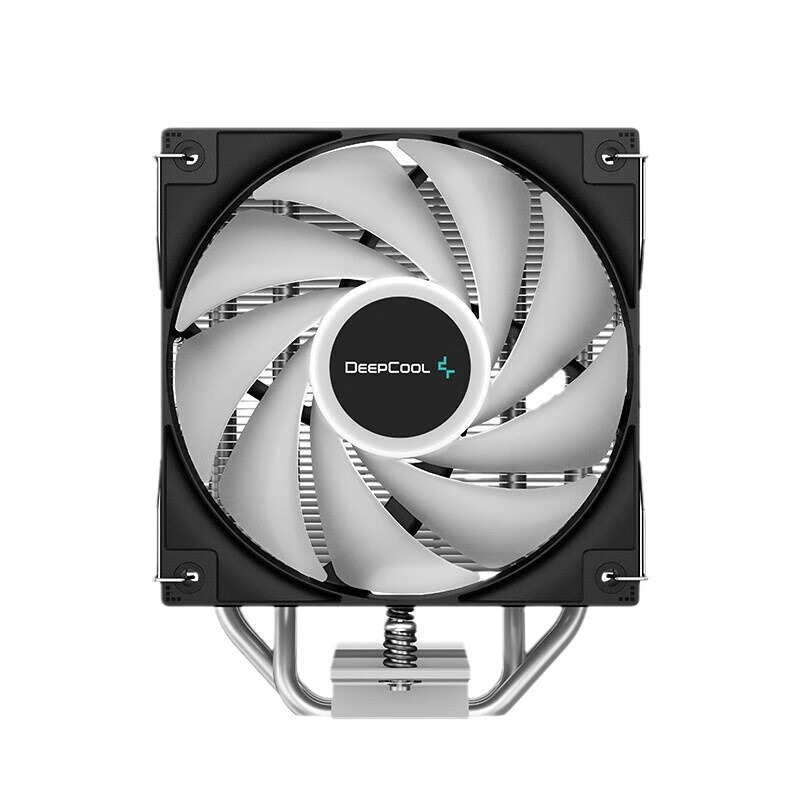
To appreciate the necessity of a big computer radiator, one must first understand the limitations of traditional cooling methods. Air cooling, while reliable, is inherently limited by the thermal conductivity of metal fins and the volume of air that can be moved across them without creating an unbearable amount of noise. As power consumption in high-end workstations and gaming rigs continues to climb, air coolers have grown to massive proportions, often putting physical strain on motherboards while still struggling to maintain optimal temperatures during sustained workloads. Liquid cooling offers a more elegant solution by using a fluid medium to transport heat away from the source to a dedicated heat exchanger. The effectiveness of this entire system hinges almost entirely on the radiator, the component responsible for finally purging that heat into the surrounding environment.
The Physical Principles of Large Scale Heat Dissipation
At its core, a big computer radiator is a masterpiece of thermodynamic engineering. It operates on the principle of increasing the available surface area for heat exchange. When a liquid coolant passes through the internal channels of a radiator, it transfers its thermal energy to the metal structure. This structure consists of a complex network of thin tubes and even thinner fins. The more surface area these fins provide, the more opportunities the passing air has to carry away the heat. This is why size is the most significant factor in radiator performance. A larger physical footprint translates directly to more cooling potential, allowing the system to handle higher thermal loads with greater ease.
Surface Area and Volumetric Efficiency
When discussing a big computer radiator, the conversation usually centers on dimensions such as 420mm, 480mm, or even the massive 560mm variants. These numbers represent the length of the radiator, typically corresponding to the number and size of fans it can support. However, the true power of these units lies in their total surface area. A 560mm radiator, which utilizes four 140mm fans, offers a vastly superior cooling surface compared to the standard 240mm or 360mm units found in most consumer-grade builds. This increased area allows for a lower temperature delta between the coolant and the ambient air, which is the golden metric for any liquid cooling enthusiast.
Furthermore, the thickness of the radiator plays a crucial role in its volumetric efficiency. While many standard radiators are roughly 30mm thick, high-performance versions can reach 60mm or even 80mm in thickness. This extra depth allows for more rows of tubes and a denser fin array, significantly increasing the thermal mass of the cooling loop. A thick, big computer radiator acts as a thermal buffer, absorbing sudden spikes in temperature from the CPU or GPU and dissipating them gradually, preventing the rapid fan speed fluctuations that can be distracting to the user.
Fin Density and Airflow Dynamics
Another critical technical aspect is the density of the fins, often measured in fins per inch. In smaller radiators, engineers often use a high fin density to compensate for the lack of total surface area. This, however, creates significant air resistance, requiring fans with high static pressure to push air through the dense core. The drawback is increased noise. A big computer radiator offers a different path. Because it has such a large footprint, it can utilize a lower fin density while still providing more total surface area than a smaller, denser unit. This allows for the use of low-speed fans that move air quietly, achieving a near-silent operation even under heavy computational loads.
Material Excellence and Structural Integrity
The materials used in the construction of a big computer radiator are vital to its long-term performance and reliability. Most premium radiators are constructed from copper and brass. Copper is favored for the cooling fins and tubes due to its exceptional thermal conductivity, second only to silver among non-precious metals. Brass is often used for the end tanks because of its structural rigidity and resistance to the high pressures that can build up within a liquid cooling loop. The synergy of these materials ensures that heat is moved quickly from the liquid to the air while the radiator remains durable over years of use.
One must be cautious about the presence of aluminum in high-end cooling systems. While aluminum radiators are cheaper to produce and lighter in weight, they present a significant risk when paired with copper water blocks. This combination leads to galvanic corrosion, a chemical process that can cause the metal to break down and clog the system with debris. For this reason, a high-quality big computer radiator is almost always a full-copper design, ensuring compatibility with the wider ecosystem of enthusiast-grade water cooling components.
The Silent Revolution: Why Bigger is Quieter
Perhaps the most compelling argument for adopting a big computer radiator is the pursuit of silence. In the world of PC building, noise is often the price paid for performance. High-speed fans are necessary to keep small heat sinks cool, but they produce a high-pitched whine that can be fatiguing. By drastically increasing the size of the radiator, a builder can achieve the same cooling performance with fans spinning at a fraction of the speed. A 560mm radiator can dissipate the heat of a flagship graphics card with fans spinning at 600 RPM, a speed at which they are virtually inaudible to the human ear.
This silent performance is a luxury that becomes addictive. Once a user experiences a high-power workstation that remains dead silent during a four-hour rendering job or an intense gaming session, going back to a loud, air-cooled system feels like a step backward in technology. The big computer radiator is the primary tool that enables this experience, turning the cooling system into a passive-aggressive giant that handles massive heat loads without ever raising its voice.
Integration and Customization Challenges
Implementing a big computer radiator is not without its challenges. The most immediate hurdle is physical space. Most standard mid-tower cases are designed to accommodate 240mm or 360mm radiators at most. To house a 420mm or 560mm unit, one often needs a super-tower chassis, which can be massive and expensive. These cases are designed specifically with water cooling in mind, offering dedicated mounting points and sufficient clearance for thick radiator and fan combinations.
Case Compatibility and Internal Layouts
When planning a build around a big computer radiator, the layout of the internal components becomes a puzzle of clearances. A thick radiator mounted at the top of a case might interfere with the motherboard’s power connectors or the height of the RAM modules. Front-mounted radiators might limit the length of the graphics card. Builders must meticulously measure every dimension, often using digital modeling or detailed compatibility lists provided by manufacturers. The reward for this planning is a clean, aesthetically pleasing build where the cooling hardware feels like an integrated part of the machine’s architecture rather than an afterthought.
The Rise of External Cooling Solutions
For those who refuse to be limited by the dimensions of a computer case, the external big computer radiator has become a popular alternative. Units like the modular radiator arrays stand outside the PC, often mounted on a dedicated stand or even attached to the side of a desk. These massive external radiators can support nine or more 140mm fans, providing a cooling capacity that is overkill for even the most power-hungry consumer hardware. By moving the radiator outside the case, the builder also removes the heat source from the internal environment, allowing other components like the motherboard VRMs and NVMe drives to run cooler as they are no longer being bathed in the exhaust air of the CPU and GPU.
Maintenance and Long-Term Ownership
Owning a system equipped with a big computer radiator requires a commitment to maintenance. Because these units move a large volume of air, they can act as giant dust filters. Over time, dust accumulates between the fins, reducing airflow and degrading cooling performance. Regular cleaning with compressed air is essential to keep the system running at peak efficiency. Furthermore, because a large radiator increases the total volume of coolant in the loop, builders must ensure they are using high-quality coolants with corrosion inhibitors and biological growth suppressants to prevent the internal channels from becoming blocked.
The longevity of a copper radiator is impressive, often outlasting several generations of computer hardware. While a CPU or GPU might become obsolete in three to five years, a well-maintained big computer radiator can serve a builder for a decade or more. This makes it one of the most sustainable investments in the PC enthusiast world. As long as the mounting standards for fans remain consistent, the radiator will continue to provide the same thermal benefits to future components.
The Future of Thermal Management
As we look toward the future, the demand for a big computer radiator is likely to increase. We are entering an era where “performance per watt” is being sacrificed in some segments for “absolute performance,” leading to even higher power draws. Future cooling solutions may involve even more exotic materials or integrated smart sensors that can detect micro-clogs or changes in thermal conductivity. However, the fundamental physics of surface area will remain unchanged. As long as we are using air to cool our liquids, the size of the radiator will remain the most important factor in the cooling equation.
The big computer radiator represents the intersection of industrial design and high-tech performance. It is a component that demands respect, both for its physical presence and its engineering complexity. For the builder who seeks to master their machine’s environment, there is no substitute for the raw cooling power and the serene silence that only a massive heat exchanger can provide.
Conclusion
In the pursuit of the ultimate computing experience, the big computer radiator emerges not just as a cooling component, but as a foundational element of system design. By mastering the principles of surface area, material science, and airflow dynamics, these massive units allow us to push silicon to its absolute limits while maintaining a whisper-quiet environment. Whether tucked inside a massive super-tower or standing proudly as an external cooling array, the large-scale radiator is the ultimate solution for the heat challenges of today and tomorrow. It is a testament to human ingenuity and our refusal to let the laws of thermodynamics stand in the way of digital progress.
How to purchase:Online B2B sourcing platform, China purchase, Chinese suppliers – LooperBuy
Frequently Asked Questions
1. Does a bigger radiator always mean better cooling performance for my PC?
Generally, yes. A bigger radiator provides more surface area, which allows for more efficient heat exchange between the coolant and the air. This means you can either achieve lower hardware temperatures or maintain the same temperatures while running your fans at much lower, quieter speeds. However, the benefit is only realized if your components generate enough heat to saturate a smaller radiator. For low-power systems, a massive radiator might offer diminishing returns.
2. What are the main differences between using 120mm and 140mm fan-based radiators?
Radiators designed for 140mm fans, such as the 280mm, 420mm, and 560mm models, offer significantly more surface area than their 120mm counterparts of similar lengths. For example, a 280mm radiator has roughly 40% more surface area than a 240mm radiator. Additionally, 140mm fans can move more air at lower speeds and often produce a lower-pitched, less intrusive sound profile compared to 120mm fans.
3. Can a standard computer case fit a big computer radiator like a 480mm or 560mm unit?
Most standard mid-tower and even many full-tower cases cannot accommodate radiators of this size. These massive units usually require “Super Tower” cases or specialized chassis designed for extreme water cooling. Before purchasing such a radiator, it is vital to check the manufacturer’s specifications for radiator support, specifically looking at length, width, and the clearance available for the thickness of both the radiator and the fans.
4. Why is copper preferred over aluminum for high-end computer radiators?
Copper has a much higher thermal conductivity than aluminum, meaning it can transfer heat from the coolant to the fins more effectively. More importantly, using a copper radiator in a loop that contains copper or nickel-plated water blocks prevents galvanic corrosion. Mixing aluminum and copper in the same liquid loop can lead to chemical reactions that destroy the metal components and clog the system.
5. Is it difficult to maintain a large liquid cooling loop with a big radiator?
The maintenance is similar to a standard liquid cooling loop but on a slightly larger scale. You will need more coolant to fill the system, and you must be diligent about dusting the larger surface area of the radiator. Because the system is more complex, it is important to check for leaks and ensure the pump is powerful enough to maintain a good flow rate through the increased resistance of a large radiator.
HOT TAG:
High-Performance PC Cooling, Custom Water Loop Engineering, Thermal Management Solutions, Copper Radiator Technology, Silent Computing Hardware, Extreme Overclocking Gear, PC Building Aesthetics, Liquid Cooling Physics, Super Tower Case Compatibility, External Radiator Arrays, Heat Dissipation Principles, Fluid Dynamics in Computing, Enthusiast PC Components, Galvanic Corrosion Prevention, Professional Workstation Cooling, Fan Speed Optimization, Noise Reduction Strategies, Hardware Longevity, Premium Thermal Materials.