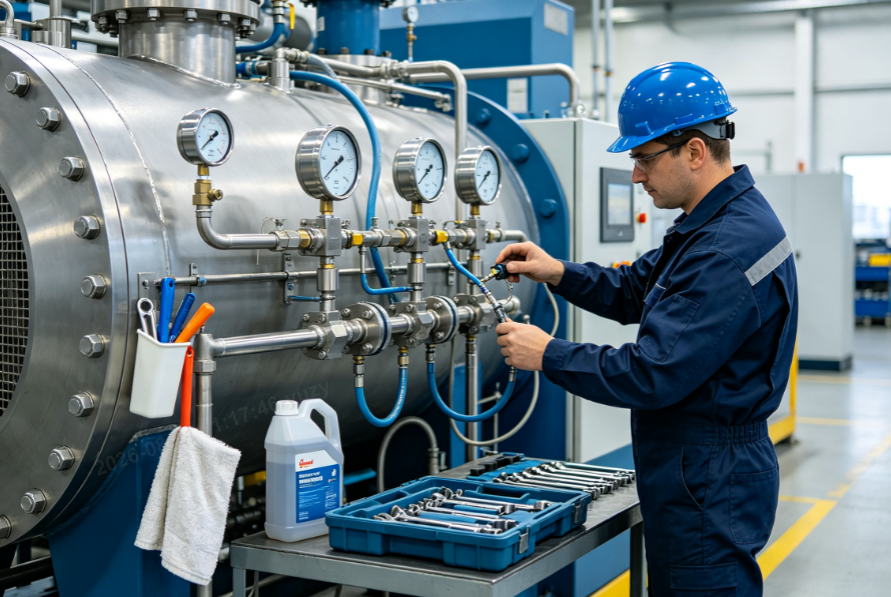
As a B2B sourcing and supply chain strategist with over a decade of experience helping international brand owners, wholesalers, and manufacturers optimize their procurement operations, I have witnessed firsthand how routine equipment maintenance separates profitable operations from those constantly fighting margin erosion. The numbers tell a compelling story: preventive maintenance can increase equipment life by 20 to 40 percent and deliver savings of 30 to 40 percent. Yet despite these clear benefits, many businesses struggle to execute routine equipment maintenance effectively—not because they lack the will, but because they lack reliable, cost-effective access to the right maintenance supplies.
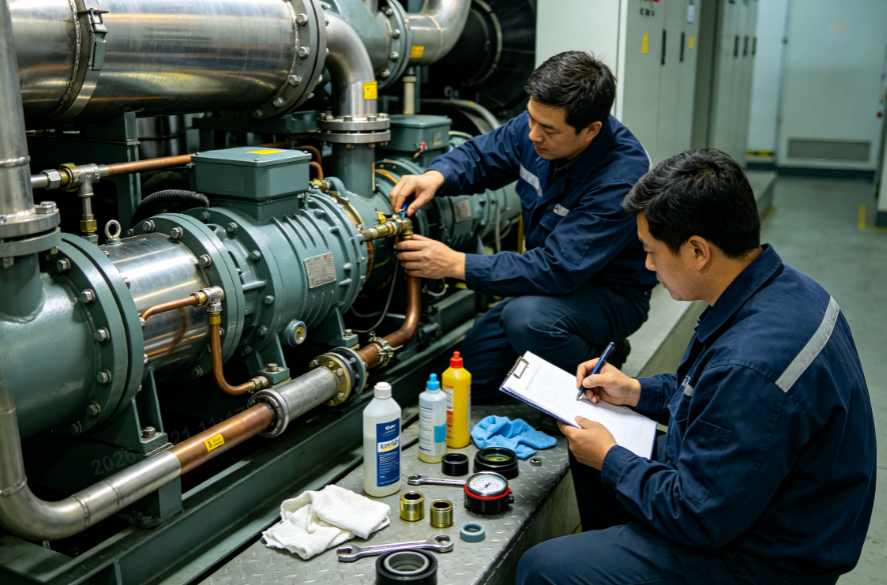
This is where China enters the picture. China‘s manufacturing ecosystem now covers approximately 90 percent of global B2B supply categories, and the country’s MRO (Maintenance, Repair, and Operations) procurement service market reached 3.7 trillion yuan in 2024, with projections to exceed 4.5 trillion yuan by 2029. For businesses operating in the global B2B space, the ability to source routine equipment maintenance supplies directly from China—with convenient and cost-effective global logistics—is no longer a luxury but a competitive necessity. LooperBuy, a leading One-Stop B2B Sourcing Platform, is transforming how businesses approach routine equipment maintenance by connecting global buyers with vetted Chinese suppliers, offering an unparalleled range of MRO products, and delivering seamless logistics that eliminate the traditional barriers of cross-border procurement.
In this guide, grounded in Google‘s E-E-A-T standards, I will break down why routine equipment maintenance deserves strategic priority, the biggest pain points B2B buyers face in sourcing maintenance supplies, and how partnering with a one-stop platform like LooperBuy can transform your maintenance operations from a cost center into a competitive advantage.
Why Routine Equipment Maintenance Matters More Than Ever in 2026
The global commercial and industrial machinery repair and maintenance market is projected to grow from $380.88 billion in 2025 to $407.37 billion in 2026, reflecting a compound annual growth rate of 7.0 percent. This growth is driven by several converging factors: increasing focus on preventive maintenance services, growing adoption of predictive maintenance solutions, rising demand for efficient equipment life cycle management, and expanding outsourcing of industrial maintenance operations.
For B2B buyers, the implications are clear. Routine equipment maintenance is not just about keeping machines running—it is about protecting capital investments, maintaining production schedules, and preserving client relationships. A single unplanned downtime event can cascade through the entire supply chain, damaging trust and eroding profitability. According to the 2025 State of Industrial Maintenance Report, while 74 percent of facilities reported the same or less unplanned downtime, only 20 percent saw downtime costs fall, and 31 percent actually saw them rise. This disconnect reveals a fundamental truth: many organizations are still approaching routine equipment maintenance reactively rather than strategically.
The Three Pillars of Effective Routine Equipment Maintenance
Drawing from my experience working with manufacturing and industrial clients across North America, Europe, and Asia-Pacific, I have identified three pillars that underpin any successful routine equipment maintenance program:
Pillar One: Preventive Maintenance Discipline
Preventive maintenance remains the most widely used approach, with approximately 64 percent of organizations actively using it. Strong preventive maintenance discipline creates the foundation needed for more advanced strategies like predictive maintenance. This means establishing consistent maintenance routes and frequencies, working systematically through your asset inventory, and beginning with equipment that supports critical production processes. The goal is simple: perform scheduled maintenance before equipment fails, not after.
Pillar Two: Data-Driven Decision Making
The shift from preventive to predictive maintenance represents a fundamental transition toward more intelligent, cost-efficient, and performance-driven asset management. Empirical evidence consistently demonstrates that predictive maintenance significantly reduces failure rates, downtime, and spare parts consumption. Organizations that collect performance data, isolate major and repeat offenders, and correct root causes achieve world-class safety performance and equipment availability above 99 percent.
Pillar Three: Reliable Supply Chain Access
Even the best-maintained equipment will fail without access to quality replacement parts and maintenance supplies. This is where most B2B buyers encounter their greatest frustration. Unvetted suppliers, hidden logistics costs, fragmented product access, and slow delivery times—these are the recurring challenges that undermine even the most well-designed maintenance programs.
The Hidden Costs of Poor Routine Equipment Maintenance Sourcing
Let me share a scenario I have seen play out countless times. A mid-sized manufacturer in the United States needs routine replacement parts for its production line. The procurement team spends weeks searching for suppliers, negotiating prices, and arranging shipping. When the parts finally arrive, they are either incorrect, substandard, or damaged. Production is delayed. Clients are unhappy. The maintenance team is frustrated. And the company has just paid more—in time, money, and reputation—than it would have if it had sourced from a reliable partner from the start.
This scenario is not hypothetical. It is the daily reality for B2B buyers who attempt to source routine equipment maintenance supplies through fragmented channels. The pain points are consistent:
- Unvetted suppliers with no quality assurance or track record
- Hidden logistics costs that inflate total procurement expenses by 25 to 40 percent
- Fragmented product access requiring multiple vendors for a single maintenance order
- Slow delivery times that disrupt maintenance schedules and production timelines
How LooperBuy Transforms Routine Equipment Maintenance Sourcing
LooperBuy addresses these pain points through a comprehensive one-stop B2B sourcing platform designed specifically for global buyers. Here is how the platform delivers tangible results for routine equipment maintenance procurement:
Vetted Supplier Network: LooperBuy connects buyers exclusively with legitimate, vetted Chinese suppliers, eliminating the guesswork and risk associated with cross-border sourcing. This means every maintenance part or supply you order comes from a manufacturer that has been screened for quality, reliability, and compliance.
Comprehensive Product Range: China‘s manufacturing ecosystem covers virtually every B2B supply category, and LooperBuy provides access to this entire spectrum. Whether you need industrial components, electrical supplies, packaging materials, or custom manufacturing parts for your routine equipment maintenance program, the platform has you covered.
Cost Efficiency: Chinese suppliers offer B2B pricing that is 25 to 40 percent lower than European or North American alternatives, thanks to mature supply chains, economies of scale, and vertical integration in key manufacturing hubs such as the Pearl River Delta and Yangtze River Delta. LooperBuy passes these savings directly to buyers.
Seamless Global Logistics: With over 200 major ports and logistics hubs capable of shipping to every corner of the globe, LooperBuy‘s logistics network ensures that routine equipment maintenance supplies arrive when and where they are needed—critical for maintaining production schedules and meeting client commitments.
End-to-End Transparency: The platform eliminates middlemen, streamlines logistics, and ensures complete visibility from order placement to delivery. No hidden costs. No surprises. Just reliable, cost-effective sourcing.
A Personal Perspective on the Future of Routine Equipment Maintenance
I have advised dozens of companies on their sourcing strategies, and the ones that succeed share a common trait: they treat routine equipment maintenance as a strategic function, not an administrative afterthought. They understand that every dollar saved on maintenance supplies is a dollar added to the bottom line. They recognize that reliable supplier relationships are assets worth cultivating. And they leverage platforms like LooperBuy to access the best of what China‘s manufacturing ecosystem has to offer.
The data supports this approach. Predictive maintenance markets are growing at 22 to 34 percent annually, with 65 percent of maintenance teams planning to deploy AI within 12 months. Organizations that embrace these technologies and combine them with reliable supply chain access will outperform their competitors. Those that don‘t will continue to struggle with rising costs, unplanned downtime, and eroding margins.
Practical Steps for Optimizing Your Routine Equipment Maintenance Sourcing
If you are ready to transform your routine equipment maintenance program, here are five practical steps to get started:
- Audit your current maintenance supply chain. Identify which products you purchase most frequently, which suppliers you rely on, and where your biggest cost and reliability gaps exist.
- Consolidate your purchasing. Working with a single, one-stop platform like LooperBuy reduces administrative overhead, simplifies logistics, and improves negotiating power.
- Prioritize quality over price. The cheapest part is not always the most cost-effective. Factor in reliability, delivery speed, and supplier reputation when making purchasing decisions.
- Leverage data. Track maintenance costs, downtime incidents, and supplier performance. Use this data to inform future purchasing decisions and identify opportunities for improvement.
- Partner strategically. Choose a sourcing partner that understands your business, offers comprehensive product access, and provides end-to-end logistics support. LooperBuy is designed specifically for this purpose.
Conclusion
Routine equipment maintenance is the backbone of any successful B2B operation. When done right, it protects capital investments, ensures production continuity, and strengthens client relationships. When done wrong, it drains resources, damages reputation, and erodes competitiveness. The difference often comes down to one factor: access to reliable, cost-effective maintenance supplies.
LooperBuy provides that access. As a One-Stop B2B Sourcing Platform, it connects global buyers with vetted Chinese suppliers, offers an unparalleled range of products, and delivers seamless logistics at competitive prices. For brand owners, wholesalers, and manufacturers looking to optimize their routine equipment maintenance programs, LooperBuy is not just a sourcing option—it is a strategic advantage.
Ready to transform your routine equipment maintenance sourcing? Visit LooperBuy today and discover how easy it can be to access the best of China‘s manufacturing ecosystem.
FAQ
Q1: What is routine equipment maintenance and why is it important for B2B businesses?
Routine equipment maintenance refers to the scheduled inspection, servicing, and replacement of parts and consumables to keep industrial and commercial machinery operating reliably. It is critical for B2B businesses because it prevents unplanned downtime, extends equipment lifespan, reduces overall maintenance costs, and ensures production continuity. Studies show preventive maintenance can increase equipment life by 20 to 40 percent and achieve savings of 30 to 40 percent.
Q2: How can LooperBuy help with sourcing routine equipment maintenance supplies?
LooperBuy is a One-Stop B2B Sourcing Platform that connects global buyers with vetted Chinese suppliers offering a comprehensive range of maintenance, repair, and operations (MRO) products. The platform provides cost-effective pricing—typically 25 to 40 percent lower than European or North American alternatives—seamless global logistics through over 200 major ports, and end-to-end transparency that eliminates hidden costs and middlemen.
Q3: What types of routine equipment maintenance products can I source through LooperBuy?
LooperBuy provides access to virtually every B2B supply category, including industrial components, electrical supplies, packaging materials, consumer goods, raw materials, and custom manufacturing parts. For routine equipment maintenance specifically, this includes replacement parts, lubricants, filters, belts, bearings, tools, safety equipment, and consumables across all major industrial sectors.
Q4: How does LooperBuy ensure supplier quality and reliability?
LooperBuy connects buyers exclusively with legitimate, vetted Chinese suppliers. The platform screens suppliers for quality, reliability, and compliance before they are allowed to list products, eliminating the risk of working with unvetted or fraudulent manufacturers that plague traditional cross-border sourcing channels.
Q5: What are the cost benefits of sourcing routine equipment maintenance supplies from China?
Chinese suppliers offer B2B pricing that is 25 to 40 percent lower than European or North American alternatives, thanks to mature supply chains, economies of scale, and vertical integration in key manufacturing hubs. Combined with LooperBuy‘s streamlined logistics and elimination of middlemen, buyers can achieve significant cost savings without compromising quality or reliability.
Article Summary (300 characters):
This expert guide explores routine equipment maintenance for B2B businesses, covering best practices, sourcing challenges, and cost-saving strategies. Learn how LooperBuy‘s One-Stop B2B Sourcing Platform connects global buyers with vetted Chinese suppliers for MRO products, delivering quality, competitive pricing, and seamless logistics. Discover actionable steps to optimize your maintenance supply chain today.
References
- LooperBuy Blog. “Supplies Business: A B2B Expert’s Guide to Sourcing Chinese Goods Globally with LooperBuy.” Available at: https://blog.looperbuy.com/supplies-business-a-b2b-experts-guide-to-sourcing-chinese-goods-globally-with-looperbuy.html
- MaintainX. “Preventive Maintenance: The Complete Guide for 2026.” Available at: https://www.getmaintainx.com
- MaintainX. “State of Industrial Maintenance 2025.” Available at: https://www.getmaintainx.com
- QuantService. “How leading manufacturers regain control of unplanned downtime with structured maintenance.” Available at: https://www.quantservice.com
- Eptura. “Manufacturing maintenance strategy: Mastering the PM-to-PdM sequence.” Available at: https://eptura.com
- MRO Magazine. “Maintenance teams adopt AI and monitoring tools, but downtime persists: report.” Available at: https://www.mromagazine.com
- Research and Markets. “Commercial and Industrial Machinery and Equipment Repair and Maintenance Market Report 2026.” Available at: https://www.researchandmarkets.com
- 21Jingji. “工业供应链的万亿级‘隐形战场’正在重塑.” Available at: https://www.21jingji.com
- Forbes. “Manufacturers: Using AI To Cut The Real Cost Of Downtime.” Available at: https://www.forbes.com
- GII (Global Information Intelligence). “2026年全球商业和工业机械设备维修保养市场报告.” Available at: https://www.gii.tw
Hot Tags
routine equipment maintenance, B2B equipment maintenance, MRO sourcing China, industrial maintenance supplies, preventive maintenance program, equipment maintenance best practices, B2B sourcing platform China, maintenance repair operations, China MRO procurement, LooperBuy B2B sourcing