Plastic bags are ubiquitous in our daily lives, providing convenience for shopping and carrying goods. However, their environmental impact has raised significant concerns, leading to discussions about recycling and alternatives. This article explores the environmental impact of plastic bag recycling, the recycling process itself, alternatives to plastic bags, and the legislation surrounding plastic bag use and recycling.
Table of Contents
The Environmental Impact of Plastic Bag Recycling
Plastic bags are made from polyethylene, a type of plastic that is derived from petroleum. While recycling plastic bags can reduce waste and conserve resources, the process is not without its challenges.
Pollution and Resource Use
The production of plastic bags involves significant energy consumption and greenhouse gas emissions. The extraction and processing of petroleum, the primary raw material for plastic bags, contribute to air and water pollution. Additionally, the manufacturing process itself releases harmful pollutants into the environment. Recycling can mitigate some of these impacts, but the recycling rate for plastic bags remains low. Many recycling facilities do not accept plastic bags because they can clog machinery, leading to increased operational costs and inefficiencies. As a result, a large percentage of plastic bags end up in landfills or as litter in the environment, contributing to pollution and harming wildlife. The presence of plastic bags in oceans and waterways poses a severe threat to marine life, as animals can ingest or become entangled in plastic debris.
Benefits of Recycling
Despite the challenges, recycling plastic bags has several benefits. It reduces the amount of plastic waste in landfills and the environment, conserves natural resources, and decreases the need for new plastic production. When recycled properly, plastic bags can be transformed into new products, such as composite lumber, recycling bins, and even new bags. This closed-loop system can help reduce the overall environmental footprint of plastic bags. Moreover, recycling plastic bags can create jobs in the recycling industry, contributing to local economies. By promoting a circular economy, where materials are reused and recycled, we can move towards a more sustainable future.
The Recycling Process of Plastic Bags
Understanding the recycling process is crucial to appreciating its complexities and potential benefits.
Collection and Sorting
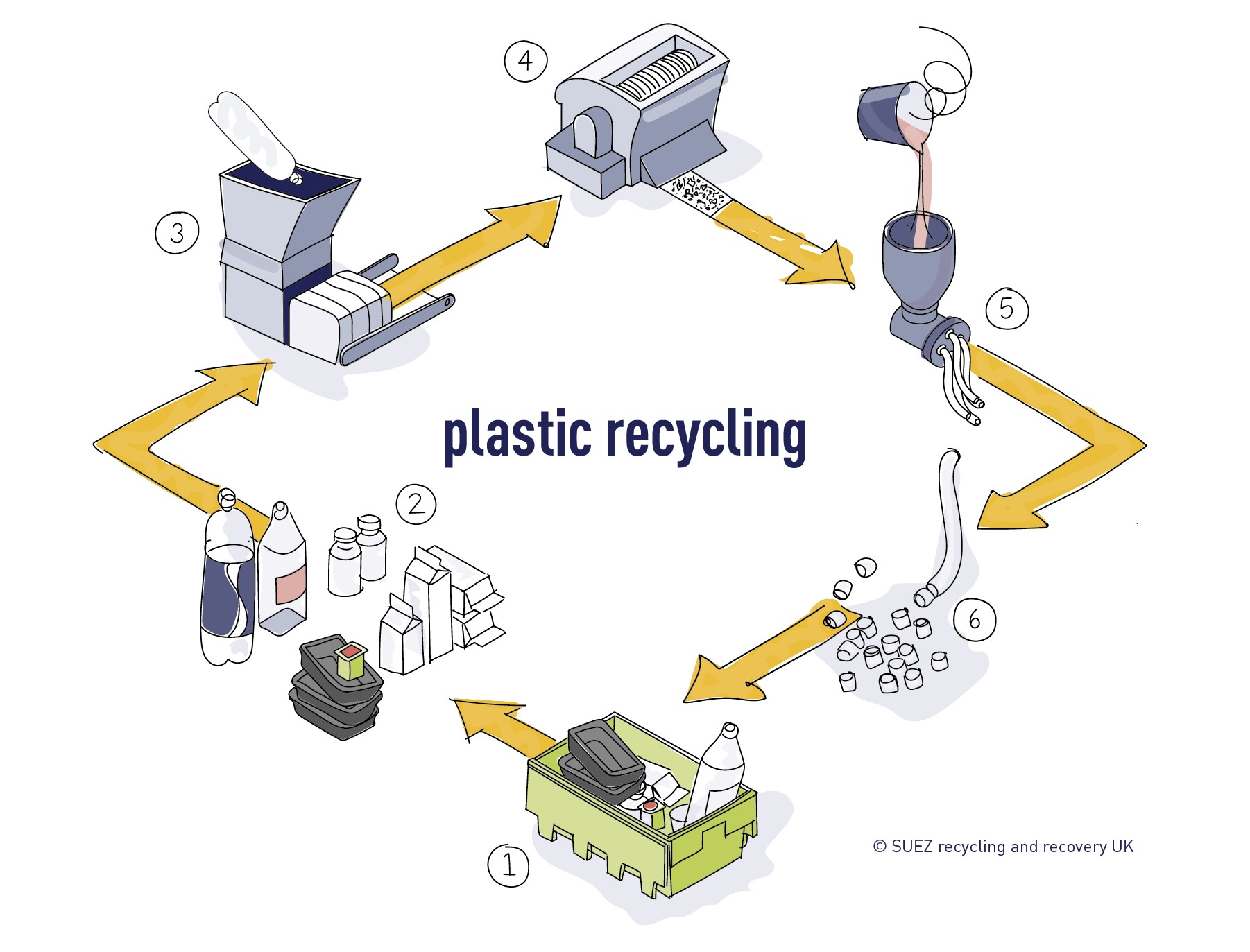
The first step in recycling plastic bags is collection. Many grocery stores have designated bins for plastic bag drop-off. These bins are often located near the entrance, making it convenient for consumers to return their used bags. Once collected, the bags are transported to a recycling facility where they are sorted. This step is critical, as contamination with non-recyclable materials can hinder the recycling process. Sorting is typically done manually or with the help of machines that can identify different types of plastics. Proper sorting ensures that only suitable materials are processed, which is essential for maintaining the quality of recycled products.
Cleaning and Processing
After sorting, the plastic bags are cleaned to remove any residues or contaminants. This is typically done using water and detergents. The cleaning process is vital because any leftover food or other materials can compromise the quality of the recycled plastic. Once cleaned, the bags are shredded into small pieces, which are then melted down and formed into pellets. These pellets can be used to manufacture new products. The melting process requires careful temperature control to ensure that the plastic does not degrade. The resulting pellets can be sold to manufacturers who use them to create a variety of products, from new plastic bags to construction materials.
Challenges in the Recycling Process
The recycling of plastic bags faces several challenges. The low market demand for recycled plastic, coupled with the high costs of processing, often makes it economically unfeasible. Many manufacturers prefer to use virgin plastic, which is cheaper and more readily available. Additionally, the contamination of plastic bags with food residues or other materials can complicate the recycling process, leading to lower quality recycled products. This situation creates a cycle where the lack of demand for recycled materials discourages recycling efforts, further exacerbating the plastic waste problem.
Alternatives to Plastic Bags
As awareness of the environmental impact of plastic bags grows, many consumers and businesses are seeking alternatives.
Reusable Bags
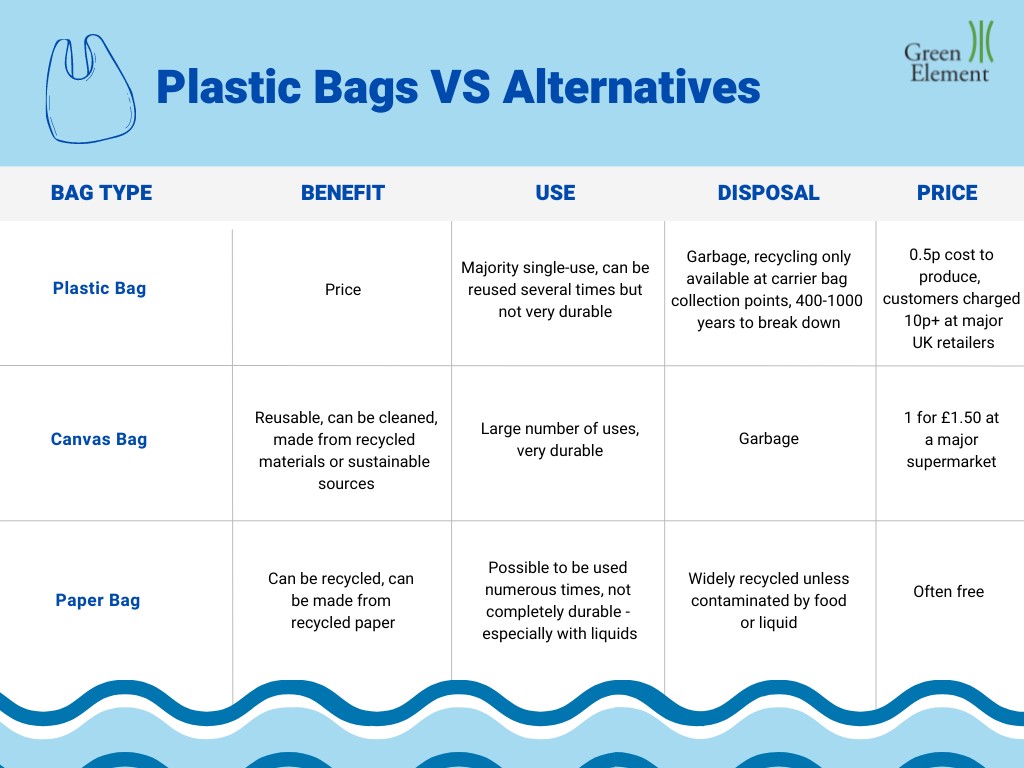
One of the most popular alternatives to plastic bags is reusable bags made from cloth, jute, or other sustainable materials. These bags can significantly reduce the number of single-use plastic bags in circulation. They are durable, often washable, and can be used multiple times, making them a more sustainable choice. Many retailers now offer incentives for customers who bring their reusable bags, such as discounts or loyalty points. Additionally, reusable bags come in various designs and sizes, allowing consumers to choose options that suit their personal style and needs. By adopting reusable bags, consumers can play a crucial role in reducing plastic waste and promoting a more sustainable lifestyle.
Biodegradable Bags
Another alternative is biodegradable bags, which are designed to break down more quickly than traditional plastic bags. These bags are often made from plant-based materials, such as cornstarch or sugarcane, which can decompose under the right conditions. However, the effectiveness of these bags depends on the conditions in which they are disposed of. Many biodegradable bags require industrial composting facilities to decompose properly, which are not available in all areas. If disposed of in a landfill, biodegradable bags may not break down any faster than conventional plastic bags. Therefore, while they present a promising alternative, it is essential to ensure that proper disposal methods are available to maximize their environmental benefits.
Legislative Measures
Many regions have implemented legislation to reduce plastic bag use and promote alternatives. Bans on single-use plastic bags, taxes on plastic bag usage, and incentives for using reusable bags are becoming more common. These measures aim to encourage consumers to adopt more sustainable practices and reduce plastic waste. For instance, some cities have successfully reduced plastic bag consumption by implementing a small fee for plastic bags, prompting shoppers to bring their reusable bags. Legislation not only helps to decrease plastic waste but also raises public awareness about the environmental issues associated with plastic bags, fostering a culture of sustainability.
Legislation and Policies Regarding Plastic Bag Recycling
Legislation plays a crucial role in shaping the landscape of plastic bag recycling and usage.
Current Legislation
In recent years, various states and municipalities have enacted laws to limit the use of plastic bags. For example, California was the first state to implement a statewide ban on single-use plastic bags, which has led to a significant reduction in plastic bag consumption. Similar laws have been adopted in other states, reflecting a growing trend towards more sustainable practices. These legislative efforts often include provisions for public education campaigns to inform consumers about the changes and encourage the use of alternatives. By creating a legal framework that supports sustainable practices, governments can drive significant changes in consumer behavior and reduce plastic waste.
Extended Producer Responsibility (EPR)
Extended Producer Responsibility (EPR) is a policy approach that holds manufacturers accountable for the entire lifecycle of their products, including disposal and recycling. This approach encourages companies to design products that are easier to recycle and reduces the burden on consumers and municipalities to manage plastic waste. EPR policies can incentivize manufacturers to invest in sustainable materials and recycling technologies, ultimately leading to a reduction in plastic waste. By shifting the responsibility for waste management back to producers, EPR can create a more sustainable system that benefits both the environment and the economy.
Future Directions
As the environmental impact of plastic waste becomes more apparent, it is likely that legislation will continue to evolve. Future policies may focus on increasing recycling rates, improving recycling technologies, and promoting sustainable alternatives to plastic bags. Public awareness campaigns and educational initiatives will also play a vital role in encouraging responsible consumer behavior. Additionally, collaboration between governments, businesses, and non-profit organizations can lead to innovative solutions that address the plastic waste crisis. By fostering a culture of sustainability and encouraging responsible practices, we can work towards a future where plastic bags are no longer a significant environmental concern.
Conclusion
Plastic bag recycling presents both opportunities and challenges in the quest for a more sustainable future. While recycling can help mitigate some of the environmental impacts associated with plastic bags, it is not a complete solution. The low recycling rates and the complexities of the recycling process highlight the need for a multifaceted approach that includes reducing plastic bag use, promoting alternatives, and implementing effective legislation. By working together, consumers, businesses, and policymakers can create a more sustainable future that minimizes the environmental impact of plastic bags.
How to purchase:https://looperbuy.com/search?keywords=Plastic+Bag+Recycling
Frequently Asked Questions
1. What are the main environmental impacts of plastic bags?
Plastic bags contribute to pollution, harm wildlife, and consume significant resources during production. Their low recycling rates exacerbate these issues.
2. How can I recycle plastic bags?
Plastic bags can often be recycled at designated drop-off locations, typically found at grocery stores. Check local recycling guidelines for specific instructions.
3. What are some alternatives to plastic bags?
Alternatives include reusable bags made from cloth or jute, biodegradable bags, and paper bags. Each option has its own environmental considerations.
4. What legislation exists regarding plastic bags?
Many states and municipalities have enacted bans or taxes on single-use plastic bags to reduce waste and promote sustainable alternatives.
5. How does Extended Producer Responsibility (EPR) work?
EPR holds manufacturers accountable for the entire lifecycle of their products, encouraging them to design for recyclability and reduce waste.