In the intricate landscape of contemporary international trade, the movement of goods transcends simple transportation. It represents a highly synchronized effort involving complex logistics, regulatory compliance, and technological integration. Organizations like United Global Shipping have become synonymous with this operational excellence, acting as the vital connective tissue between manufacturers, retailers, and end consumers across the globe. By leveraging extensive infrastructure and deep expertise, these entities ensure that supply chains remain resilient, efficient, and responsive to the volatile demands of the modern market.
Table of Contents
The Evolution of Global Shipping Services
The traditional concept of shipping has undergone a profound transformation. What was once a straightforward process of moving items from point A to point B has evolved into a sophisticated management discipline. United Global Shipping entities have been at the forefront of this shift, moving from simple freight forwarding to becoming comprehensive supply chain architects.
From Freight Forwarding to Integrated Solutions
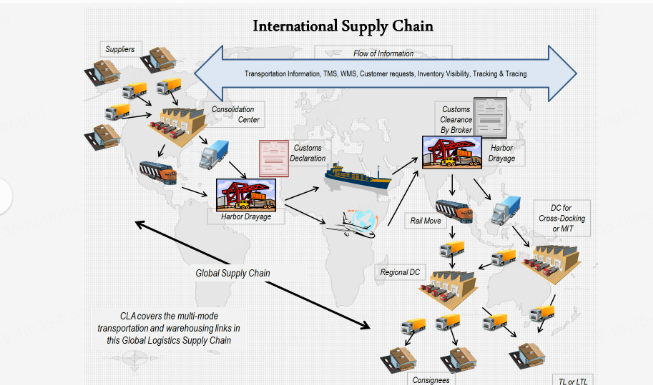
The early days of logistics were defined by compartmentalized services. A company would handle ocean freight, another would manage trucking, and a third would oversee warehousing. Today, the industry has shifted toward consolidation. United Global Shipping models now typically integrate multiple service layers. This transition allows businesses to interact with a single point of contact for complex requirements, ranging from initial factory pickup to final last-mile delivery. By streamlining communication and accountability, this approach significantly reduces the potential for disruption and error.
Furthermore, the integration of service layers facilitates better data sharing. When one entity manages the entire journey, information silos are broken down. This level of synchronization is critical for global enterprises that need to maintain consistent inventory levels across diverse international markets. The ability to coordinate ocean, air, and ground transport within a single ecosystem provides a level of control that was previously unimaginable in the logistics sector.
The Role of Technology in Modern Logistics
Digital transformation is perhaps the most significant catalyst for change within the industry. Modern shipping providers now employ advanced tracking systems, AI-driven demand forecasting, and blockchain-enabled documentation. These tools provide unprecedented visibility into the supply chain. Clients can monitor their cargo in real-time, anticipate potential bottlenecks caused by weather or geopolitical issues, and optimize their inventory levels accordingly. This technological edge is no longer a luxury but a fundamental necessity for businesses operating in a just-in-time inventory environment.
Beyond simple tracking, AI-powered analytics now play a major role in route optimization. Algorithms can analyze thousands of potential shipping paths, factoring in variables like fuel costs, port congestion, and historical transit times to determine the most efficient route. This level of optimization minimizes waste and ensures that shipping schedules remain consistent even in the face of unforeseen challenges.
Optimizing Complex Supply Chain Operations
Effectively managing a global supply chain requires addressing numerous variables that can impact efficiency and cost. Companies rely on the expertise of shipping partners to mitigate risks and capitalize on optimization opportunities that might otherwise go unnoticed.
Navigating Regulatory Compliance and Customs
One of the greatest hurdles in international trade is the myriad of regulations governing cross-border movement. Each country imposes its own standards for documentation, safety, and taxation. United Global Shipping specialists provide essential guidance in this area, ensuring that documentation is precise and that customs processes are completed without unnecessary delays. By navigating these regulatory complexities proactively, they prevent costly stoppages and ensure the smooth flow of commerce across international borders.
This expertise is particularly valuable during times of geopolitical flux, where trade agreements and tariffs can change overnight. Professional logistics partners act as a buffer, translating complex legal requirements into actionable steps for the shipper. Their familiarity with local customs offices, documentation standards, and tariff classifications prevents the common pitfalls that often lead to cargo being detained at ports for weeks at a time.
Addressing Time-Sensitive and High-Value Requirements
Not all cargo is created equal. Some items require specialized handling, while others are bound by extremely tight delivery windows. For instance, the transportation of project cargo—such as heavy machinery for infrastructure projects—requires specialized knowledge, custom lifting equipment, and precise route planning. Similarly, expedited freight solutions are essential for high-value items or parts needed to keep production lines running. Experienced shipping partners tailor their methodologies to these specific needs, ensuring security, speed, and safety throughout the entire journey.
The importance of cold-chain logistics cannot be overlooked either. For pharmaceutical and perishable food sectors, temperature-controlled shipping is a non-negotiable requirement. Global shipping providers have developed sophisticated, monitorable environments that ensure these products remain stable from origin to destination, regardless of the climate variations encountered during transit.
The Human Element and Strategic Partnerships
While technology provides the tools for efficient logistics, the human element remains the true driver of success. The complexity of global trade often requires human judgment, negotiation skills, and crisis management abilities that software cannot replicate.
Building Relationships and Negotiating Capacity
A crucial component of successful shipping is the relationship between the service provider and the carriers. In periods of high demand, when shipping space is scarce, long-standing partnerships with ocean lines and air cargo providers allow firms like United Global Shipping to secure space for their clients when others cannot. This ability to negotiate capacity is a strategic advantage that allows businesses to maintain their operations even when the market is severely constrained.
Crisis Management in a Borderless World
Crisis management is perhaps the most demanding aspect of the logistics profession. Whether it is a natural disaster closing a key port, a labor strike, or a sudden change in international sanctions, the ability to pivot rapidly is essential. Experienced shipping professionals don’t just react to crises; they plan for them. By conducting stress tests on supply chains and identifying potential failure points, they build a level of robustness that protects the client’s bottom line. The ability to coordinate emergency re-routing or find alternative modes of transport during a shutdown is what defines a top-tier service provider.
Building Resilience in a Volatile Marketplace
The global economy is inherently unpredictable. Disruptions ranging from pandemics to localized political strife can bring entire supply chains to a standstill. Building a resilient strategy is essential for companies aiming to survive and thrive in this environment.
Strategies for Supply Chain Diversification
Reliance on a single region or transportation mode is increasingly viewed as a high-risk strategy. Resilient organizations, often in consultation with their logistics partners, are actively diversifying their supply sources and transportation channels. This includes exploring alternative shipping routes, utilizing a mix of air, ocean, and land freight, and maintaining regional distribution hubs. This multi-layered approach ensures that if one route is compromised, the business has pre-established alternatives to maintain continuity.
Diversification also extends to manufacturing hubs. Many companies are now shifting toward a “China plus one” strategy or regionalizing their production to be closer to their end markets. Logistics providers play a key role in this, assisting with the physical movement of facilities and the establishment of new distribution networks that cater to these localized production models.
Sustainability and Future-Proofing Logistics
Environmental responsibility has emerged as a critical pillar of modern supply chain management. As organizations face increasing pressure from consumers and regulators to reduce their carbon footprint, the logistics industry is responding. This includes investments in more fuel-efficient fleets, the optimization of routes to reduce waste, and a broader focus on sustainable packaging practices. By prioritizing sustainability, companies are not only fulfilling their corporate social responsibilities but are also often discovering ways to improve efficiency and reduce long-term operational costs.
The industry is also looking toward the future of energy, with significant interest in alternative fuels like green methanol for shipping vessels and electric or hydrogen-powered vehicles for short-haul transport. These innovations, while currently in the early stages, represent the next frontier for the global shipping sector as it works to decouple economic growth from carbon emissions.
Conclusion
The role of United Global Shipping extends far beyond the physical movement of cargo. It serves as a strategic cornerstone for global commerce, enabling businesses to bridge geographic divides, navigate complex regulatory landscapes, and adapt to an ever-changing economic environment. Through technological integration, specialized operational expertise, and a commitment to building resilient, sustainable supply chains, these providers ensure that the global market continues to function with the necessary speed and reliability. As businesses continue to expand their horizons and navigate the complexities of a truly interconnected world, the importance of these sophisticated, integrated logistics partnerships will only continue to grow. Success in the future of trade will belong to those who treat their supply chain not as a cost center, but as a competitive advantage cultivated through expert partnership and technological foresight.
To streamline your global sourcing and elevate your logistics experience with expert-driven efficiency, visit https://looperbuy.com/.
Summary
This article examines the transformative role of United Global Shipping within the modern international supply chain. It explores how the industry has shifted from traditional freight forwarding to providing integrated, technology-driven solutions. The text details the importance of navigating regulatory complexities, managing specialized cargo, and building resilience against market volatility. Furthermore, it highlights the growing focus on sustainability, emphasizing how modern logistics partners help businesses optimize operations, mitigate risks, and maintain continuity in an unpredictable global economy, while stressing the vital human component of crisis management and strategic partnership.
Hot Tags:
Global Logistics; Supply Chain Management; Freight Forwarding; International Trade; Cargo Shipping; Customs Clearance; Logistics Solutions; Sustainable Shipping; Project Cargo; Time-Sensitive Freight; Supply Chain Resilience; Ocean Freight; Air Freight; Land Transportation; Last-Mile Delivery; Digital Logistics; Trade Compliance; Global Infrastructure; Inventory Optimization; Multi-Modal Shipping; Business Continuity; Risk Mitigation; Strategic Sourcing; Regulatory Compliance; Transport Network; Global Trade; Industrial Logistics; Shipping Efficiency; Cold Chain Logistics; Cross-Border Logistics
Related Questions & Answers
· What are the primary benefits of using a comprehensive global shipping provider?
Working with a comprehensive provider allows businesses to consolidate multiple logistical needs under one partner. This improves visibility, simplifies communication, ensures compliance with international regulations, and provides access to specialized handling expertise, ultimately leading to greater efficiency and reduced risk.
· How do modern logistics providers handle unexpected supply chain disruptions?
They utilize advanced monitoring and predictive tools to anticipate potential issues. When disruptions occur, these providers leverage pre-established contingency plans, such as alternative routing or mode-switching (e.g., shifting from ocean to air freight), to maintain the flow of goods and minimize downtime.
· Why is regulatory compliance so critical in international shipping?
Cross-border trade is subject to complex and varying legal requirements regarding taxation, safety, and documentation. Failure to comply can lead to significant delays, hefty fines, or the seizure of goods. Logistics experts ensure all paperwork is accurate and processes meet local standards to prevent these issues.
· What role does technology play in improving supply chain visibility?
Technology, including real-time tracking, IoT, and AI-driven analytics, provides end-to-end visibility. This allows companies to see exactly where their cargo is at any time, predict arrival times more accurately, and identify potential bottlenecks, enabling proactive rather than reactive management.
· How are global shipping companies addressing sustainability goals?
Companies are increasingly adopting greener practices such as optimizing transport routes to reduce fuel consumption, investing in modern, more fuel-efficient fleets, and encouraging sustainable packaging methods. These efforts help reduce the overall carbon footprint of the supply chain while often improving operational efficiency.