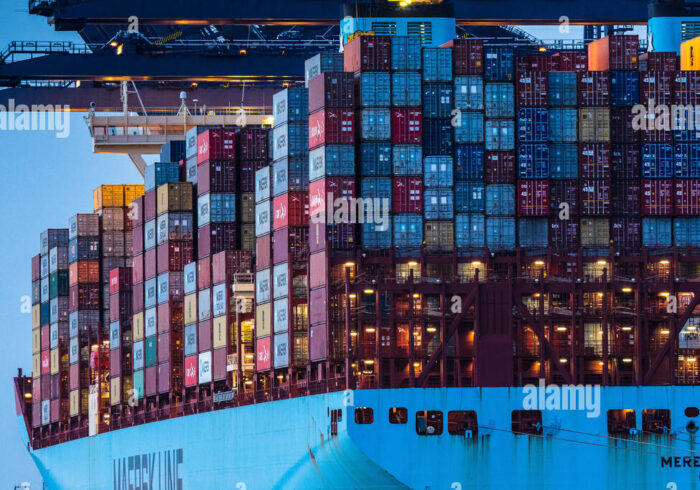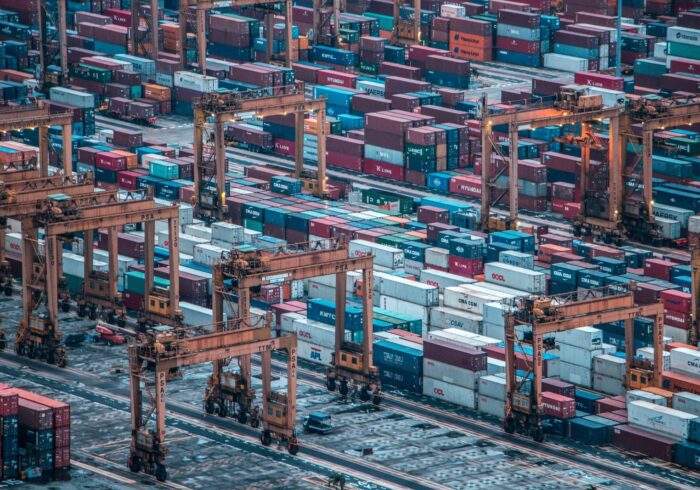
As the world becomes increasingly interconnected, the shipping industry plays a crucial role in facilitating international trade. However, this growth comes at a significant environmental cost. Global shipping emissions have emerged as a pressing concern, contributing to climate change and air pollution. This article explores the sources of shipping emissions, their impact on the environment, and potential solutions to mitigate their effects.
Table of Contents
Understanding Global Shipping Emissions
What Are Global Shipping Emissions?
Global shipping emissions refer to the greenhouse gases and pollutants released into the atmosphere as a result of maritime transport activities. These emissions primarily include carbon dioxide (CO2), nitrogen oxides (NOx), sulfur oxides (SOx), and particulate matter. The International Maritime Organization (IMO) estimates that shipping accounts for approximately 3% of global greenhouse gas emissions, a figure that is projected to rise significantly in the coming decades.
Sources of Emissions in Shipping
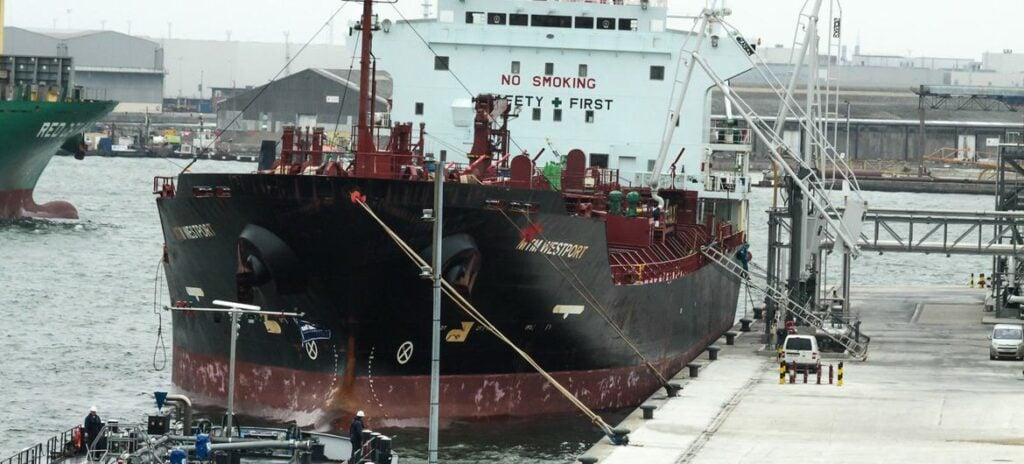
The primary source of emissions in the shipping industry is the combustion of fossil fuels, particularly heavy fuel oil, used to power ships. The burning of these fuels releases large quantities of CO2 and other harmful pollutants. Additionally, emissions occur during the construction and maintenance of ships, as well as from port operations and logistics.
Fuel Types and Their Impact
Different types of fuel used in shipping have varying environmental impacts. Heavy fuel oil, commonly used in large vessels, is the most polluting option. In contrast, cleaner alternatives such as liquefied natural gas (LNG) and biofuels are being explored as potential solutions to reduce emissions. However, the transition to these fuels requires significant investment in infrastructure and technology.
The Role of Shipping in Global Trade
The shipping industry is vital for global trade, transporting approximately 90% of the world’s goods. This reliance on maritime transport underscores the importance of addressing emissions in this sector. As economies grow and consumer demand increases, the volume of goods shipped is expected to rise, further exacerbating the emissions problem.
The Environmental Impact of Shipping Emissions
Contribution to Climate Change
Shipping emissions contribute to global warming by increasing the concentration of greenhouse gases in the atmosphere. The CO2 released from ships contributes to the greenhouse effect, leading to rising global temperatures and associated climate impacts, such as extreme weather events, sea-level rise, and disruptions to ecosystems.
Long-Term Projections
If current trends continue, shipping emissions could account for as much as 10% of global greenhouse gas emissions by 2050. This projection highlights the urgent need for action to curb emissions in the shipping sector. Without significant intervention, the environmental consequences could be dire, affecting not only marine ecosystems but also human populations reliant on these resources.
Air Quality and Human Health
In addition to contributing to climate change, shipping emissions have detrimental effects on air quality. The release of NOx and SOx contributes to the formation of ground-level ozone and particulate matter, which can lead to respiratory problems and other health issues in populations living near ports and shipping lanes. According to studies, shipping emissions are linked to thousands of premature deaths each year due to air pollution.
Vulnerable Populations
Communities located near busy shipping routes or ports are particularly vulnerable to the health impacts of shipping emissions. Children, the elderly, and individuals with pre-existing health conditions are at greater risk of experiencing adverse health effects from exposure to air pollutants. Addressing these emissions is not only an environmental issue but also a public health concern.
Ocean Acidification
The absorption of CO2 by the oceans leads to ocean acidification, which poses a significant threat to marine life. Acidic waters can harm coral reefs, shellfish, and other marine organisms, disrupting ecosystems and impacting fisheries that rely on these species. The economic implications of declining fish populations can be severe, affecting livelihoods and food security for millions of people worldwide.
Regulatory Frameworks and Initiatives
International Maritime Organization (IMO) Regulations
The International Maritime Organization (IMO) has established regulations aimed at reducing shipping emissions. The most notable initiative is the IMO’s strategy to reduce greenhouse gas emissions from ships by at least 50% by 2050 compared to 2008 levels. This strategy includes measures such as improving energy efficiency, adopting cleaner fuels, and implementing technological innovations.
The Importance of Global Cooperation
Achieving these ambitious targets requires global cooperation among countries, shipping companies, and other stakeholders. The shipping industry operates internationally, and unilateral actions by individual countries may not be sufficient to address the emissions problem. Collaborative efforts are essential to create a unified approach to reducing emissions and promoting sustainable practices.
National and Regional Efforts
In addition to international regulations, various countries and regions are implementing their own measures to address shipping emissions. For example, the European Union has proposed including shipping in its Emissions Trading System (ETS), which would require shipping companies to purchase carbon allowances for their emissions. Similarly, some countries are investing in port electrification and alternative fuel infrastructure to support cleaner shipping practices.
Case Studies of Successful Initiatives
Several countries have successfully implemented policies to reduce shipping emissions. For instance, Norway has introduced incentives for the use of electric ferries and hybrid vessels, significantly reducing emissions in its coastal waters. These initiatives serve as models for other nations looking to transition to cleaner shipping practices.
Innovations and Solutions
Cleaner Fuels and Technologies
The transition to cleaner fuels is essential for reducing shipping emissions. LNG is gaining popularity as a lower-emission alternative to heavy fuel oil, while biofuels derived from renewable sources offer another potential solution. Additionally, the development of hydrogen fuel cells and battery-powered vessels is being explored as a means to eliminate emissions from shipping altogether.
The Role of Research and Development
Investing in research and development is crucial for advancing cleaner technologies in the shipping industry. Innovations in fuel efficiency, alternative propulsion systems, and emissions capture technologies can significantly reduce the environmental impact of maritime transport. Collaborative efforts between governments, academia, and industry can accelerate the development and adoption of these technologies.
Energy Efficiency Measures
Improving energy efficiency in shipping operations can significantly reduce emissions. This includes optimizing vessel design, implementing slow steaming practices, and utilizing advanced technologies such as wind-assisted propulsion and hull modifications. By enhancing energy efficiency, shipping companies can lower fuel consumption and associated emissions.
Best Practices for Energy Efficiency
Shipping companies can adopt best practices to improve energy efficiency. These may include regular maintenance of engines and hulls, utilizing weather routing software to optimize routes, and investing in energy-efficient technologies. By prioritizing energy efficiency, companies can reduce operational costs while contributing to emissions reduction.
Alternative Shipping Models
Exploring alternative shipping models, such as short-sea shipping and intermodal transport, can also contribute to reducing emissions. Short-sea shipping involves transporting goods over shorter distances by sea, which can be more environmentally friendly than long-haul trucking. Intermodal transport combines different modes of transportation, allowing for more efficient logistics and reduced emissions.
The Benefits of Intermodal Transport
Intermodal transport can enhance the efficiency of supply chains by reducing the distance goods need to be transported by road. By utilizing rail and sea transport, companies can lower their carbon footprint while maintaining timely deliveries. This approach not only benefits the environment but also improves overall logistics efficiency.
The Role of Stakeholders
Shipping Companies
Shipping companies play a crucial role in addressing emissions. By investing in cleaner technologies, adopting sustainable practices, and complying with regulations, they can significantly reduce their environmental impact. Additionally, companies that prioritize sustainability may benefit from enhanced brand reputation and customer loyalty.
Corporate Social Responsibility
Many shipping companies are recognizing the importance of corporate social responsibility (CSR) in their operations. By committing to sustainability initiatives and transparent reporting on emissions, companies can build trust with stakeholders and demonstrate their commitment to environmental stewardship.
Governments and Policymakers
Governments and policymakers must create a supportive regulatory environment that encourages the adoption of cleaner shipping practices. This includes providing incentives for investment in green technologies, supporting research and development, and collaborating with industry stakeholders to develop effective policies.
The Importance of Policy Frameworks
Effective policy frameworks are essential for driving change in the shipping industry. By establishing clear targets and regulations, governments can guide the transition to cleaner practices and ensure that the shipping sector contributes to national and global climate goals.
Consumers and Businesses
Consumers and businesses also have a role to play in reducing shipping emissions. By choosing products from companies that prioritize sustainability and supporting initiatives aimed at reducing emissions, they can drive demand for cleaner shipping practices. Additionally, businesses can optimize their supply chains to minimize emissions associated with transportation.
The Power of Consumer Choice
Consumer preferences are shifting towards more sustainable products and practices. By supporting companies that prioritize environmental responsibility, consumers can influence the market and encourage more businesses to adopt cleaner shipping practices.
Current Incentives for Cleaner Technologies
Financial Incentives
Governments and international organizations are increasingly offering financial incentives to shipping companies that invest in cleaner technologies. These incentives may include grants, tax breaks, and subsidies for the development and implementation of low-emission fuels and energy-efficient technologies. Such financial support can significantly lower the barriers to entry for companies looking to transition to greener practices.
Research and Development Grants
Many governments provide grants specifically aimed at research and development in the maritime sector. These grants can help fund innovative projects that focus on reducing emissions, such as developing new fuel types or improving vessel designs. By supporting R&D, governments can foster innovation and accelerate the adoption of cleaner technologies in shipping.
Regulatory Compliance Benefits
Shipping companies that proactively adopt cleaner technologies may benefit from reduced regulatory burdens. For instance, companies that exceed emissions reduction targets may receive exemptions from certain regulations or enjoy a more favorable regulatory environment. This can create a competitive advantage for early adopters of sustainable practices.
Adapting Ports for Cleaner Shipping
Infrastructure Development
To support the transition to cleaner shipping, ports must invest in infrastructure that accommodates alternative fuels and energy sources. This includes developing bunkering facilities for LNG and biofuels, as well as installing charging stations for electric vessels. By enhancing port infrastructure, authorities can facilitate the adoption of cleaner technologies and promote sustainable shipping practices.
Electrification of Port Operations
Electrifying port operations can significantly reduce emissions associated with cargo handling and logistics. By transitioning to electric cranes, trucks, and other equipment, ports can lower their carbon footprint and improve air quality in surrounding communities. Additionally, electrification can enhance operational efficiency and reduce noise pollution.
Collaboration with Shipping Companies
Ports should collaborate with shipping companies to develop tailored solutions that meet the needs of both parties. This may involve creating incentives for shipping companies to use cleaner fuels while in port or implementing joint initiatives aimed at reducing emissions. By working together, ports and shipping companies can create a more sustainable maritime industry.
The Potential of Carbon Capture Technologies
Overview of Carbon Capture
Carbon capture and storage (CCS) technologies have the potential to significantly reduce emissions from shipping. These technologies capture CO2 emissions produced during fuel combustion and store them underground or utilize them in various industrial processes. While still in the early stages of development for maritime applications, CCS could play a crucial role in achieving net-zero emissions in the shipping sector.
Challenges and Opportunities
Implementing carbon capture technologies in shipping presents several challenges, including high costs and the need for significant infrastructure investment. However, advancements in technology and increased investment in research and development could make CCS more viable for the maritime industry. As the demand for sustainable shipping practices grows, the development of effective carbon capture solutions will become increasingly important.
Conclusion
Global shipping emissions pose a significant challenge to environmental sustainability and public health. As the shipping industry continues to grow, it is essential to implement effective measures to reduce emissions and mitigate their impact on the planet. By embracing cleaner fuels, improving energy efficiency, and fostering collaboration among stakeholders, the shipping industry can navigate the path toward a more sustainable future.
As we strive for a more sustainable future in shipping, consider making eco-friendly choices in your purchases today. Explore a range of sustainable products that align with your values at https://looperbuy.com/.
Frequently Asked Questions
1. What are the main sources of global shipping emissions?
The main sources of global shipping emissions include the combustion of fossil fuels, particularly heavy fuel oil, used to power ships, as well as emissions from port operations and logistics.
2. How do shipping emissions contribute to climate change?
Shipping emissions contribute to climate change by increasing the concentration of greenhouse gases, such as carbon dioxide, in the atmosphere, leading to global warming and associated environmental impacts.
3. What regulations are in place to address shipping emissions?
The International Maritime Organization (IMO) has established regulations aimed at reducing shipping emissions, including a strategy to cut greenhouse gas emissions from ships by at least 50% by 2050 compared to 2008 levels.
4. What are some alternative fuels being explored for shipping?
Alternative fuels being explored for shipping include liquefied natural gas (LNG), biofuels, hydrogen fuel cells, and battery-powered vessels, all of which aim to reduce emissions from maritime transport.
5. How can consumers help reduce shipping emissions?
Consumers can help reduce shipping emissions by choosing products from companies that prioritize sustainability, supporting initiatives aimed at reducing emissions, and optimizing their supply chains to minimize transportation-related emissions.
HOT TAG: global shipping emissions, environmental impact, climate change, sustainable shipping, cleaner fuels, energy efficiency, shipping regulations, maritime transport, air quality, stakeholder collaboration, alternative shipping models, public health, international shipping, greenhouse gas emissions, shipping industry solutions.