Muslim marriage clothes are not just garments; they are rich in cultural significance and tradition. Each piece of clothing worn during a Muslim wedding reflects the values, beliefs, and heritage of the individuals involved. This article explores the various aspects of Muslim marriage attire, including its cultural traditions, styles, accessories, and regional variations.
Table of Contents
The Cultural Significance of Muslim Marriage Clothes
Muslim marriage clothes symbolize more than just fashion; they represent the union of two families and the beginning of a new life together. The attire worn during these ceremonies is steeped in cultural significance, often reflecting the couple’s heritage and the values of their community.
Symbolism in Attire
Every element of a Muslim wedding outfit carries meaning. For instance, the color of the clothing can signify different things. White is often associated with purity and is commonly worn by brides in many cultures, while red may symbolize love and prosperity in others. The intricate designs and embroidery found on these garments often tell stories of the couple’s family history and cultural background.
Modesty and Elegance
In Islam, modesty is a key principle, and this is reflected in the design of marriage clothes. Both brides and grooms typically wear outfits that cover their bodies appropriately while still being elegant and beautiful. This balance of modesty and style is crucial in Muslim wedding attire, showcasing the couple’s respect for their faith and traditions.
Styles of Muslim Marriage Clothes
Muslim marriage attire varies widely across different cultures and regions, each with its unique styles and characteristics.
Traditional Attire
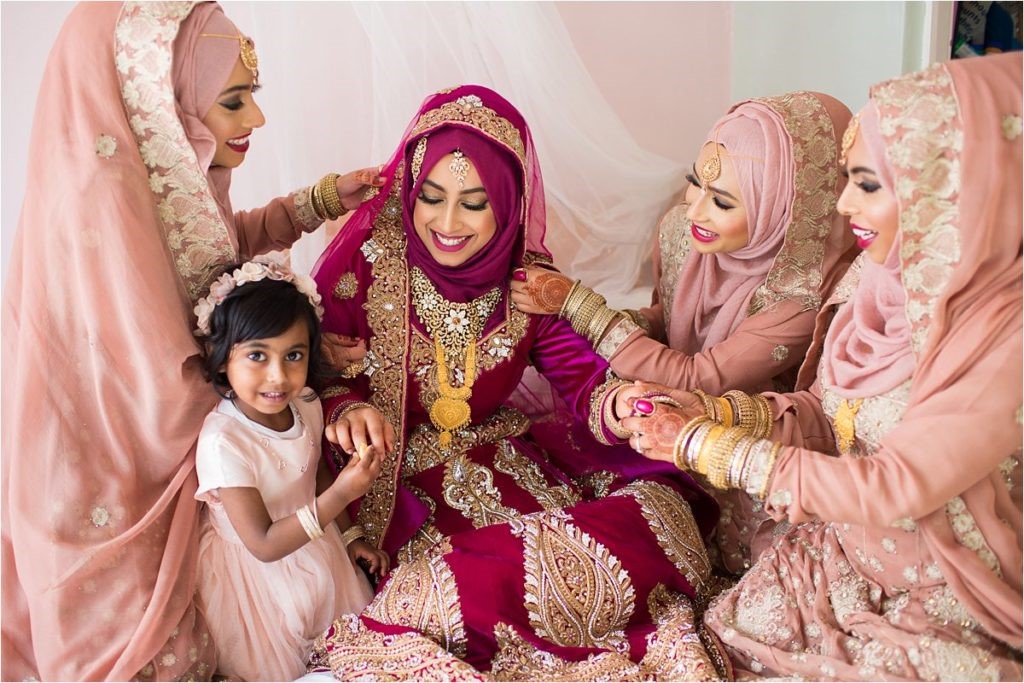
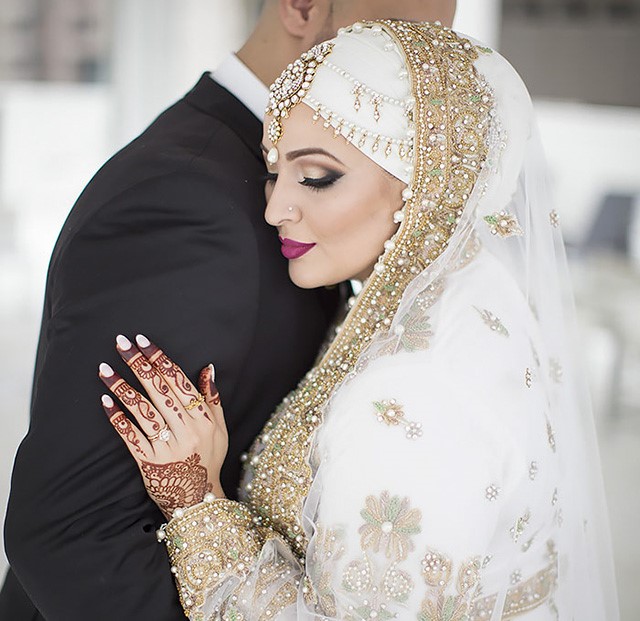
Traditional Muslim wedding attire often includes elaborate dresses for brides, which may feature long sleeves, high necklines, and flowing skirts. These dresses are frequently adorned with intricate embroidery, sequins, and beads, making them visually stunning. Grooms typically wear a sherwani or a kurta, which is a long tunic paired with trousers, often embellished with similar decorative elements.
Modern Trends
In recent years, there has been a shift towards more contemporary styles in Muslim wedding attire. Many brides opt for fusion outfits that blend traditional elements with modern fashion trends. This can include shorter hemlines, innovative cuts, and the use of unconventional fabrics. Grooms are also embracing modern styles, often incorporating tailored suits into their wedding attire.
Accessories and Adornments
Accessories play a significant role in completing the look of Muslim marriage clothes. They not only enhance the overall appearance but also carry cultural significance.
Jewelry
Jewelry is an essential part of Muslim wedding attire. Brides often wear elaborate pieces, including necklaces, earrings, and bracelets, which may be made of gold, silver, or precious stones. These pieces can be family heirlooms, passed down through generations, adding sentimental value to the attire.
Headpieces and Veils
Headpieces, such as tiaras or decorative hijabs, are commonly worn by brides. These accessories can vary greatly in style, from simple and elegant to ornate and extravagant. The choice of headpiece often reflects the bride’s personal style and cultural background. Veils, when worn, are typically designed to complement the dress and can be adorned with lace or embroidery.
Regional Variations in Muslim Marriage Clothes
The diversity of Muslim cultures around the world results in a wide array of wedding attire styles. Each region has its unique customs and preferences, which are reflected in the clothing worn during weddings.
Middle Eastern Styles
In the Middle East, traditional wedding attire often features rich fabrics and vibrant colors. Brides may wear a heavily embroidered dress known as a “thobe,” while grooms typically don a “dishdasha” or “kandura.” The use of gold and intricate patterns is prevalent, symbolizing wealth and status.
South Asian Styles
In South Asia, particularly in countries like India and Pakistan, wedding attire is known for its opulence. Brides often wear lehengas or sarees adorned with heavy embroidery and embellishments. Grooms may wear sherwanis or kurtas, often paired with turbans. The colors are usually bright and festive, reflecting the celebratory nature of the occasion.
Southeast Asian Styles
In Southeast Asia, such as in Malaysia and Indonesia, traditional wedding attire includes the “baju kurung” for brides and “baju melayu” for grooms. These outfits are often made from silk and feature intricate batik patterns. The attire is typically complemented by a “songket,” a traditional woven fabric that adds a touch of elegance.
Conclusion
Muslim marriage clothes are a beautiful representation of cultural heritage, personal identity, and the values of modesty and elegance. From the intricate designs to the symbolic meanings behind each element, these garments play a crucial role in the celebration of love and unity. As traditions evolve, so too do the styles and accessories associated with Muslim weddings, reflecting the dynamic nature of culture and fashion.
How to purchase:https://looperbuy.com/search?keywords=Marriage+Clothes
Frequently Asked Questions
1. What is the significance of colors in Muslim marriage clothes?
Colors in Muslim marriage clothes often symbolize different meanings, such as purity, love, and prosperity. For example, white is commonly associated with purity, while red may symbolize love.
2. How do Muslim marriage clothes reflect cultural heritage?
The designs, fabrics, and styles of Muslim marriage clothes often reflect the couple’s cultural background and family traditions, showcasing their heritage during the wedding ceremony.
3. What types of accessories are commonly worn with Muslim wedding attire?
Common accessories include jewelry, headpieces, and veils. These items enhance the overall look and often carry cultural significance.
4. How do regional variations affect Muslim marriage attire?
Regional variations lead to diverse styles and customs in Muslim marriage attire, with each culture incorporating unique fabrics, colors, and designs that reflect local traditions.
5. Are modern trends influencing traditional Muslim wedding attire?
Yes, modern trends are increasingly influencing traditional Muslim wedding attire, with many brides and grooms opting for contemporary styles that blend traditional elements with modern fashion.