Muslim clothing for women has evolved significantly over the years, blending traditional styles with modern fashion trends. This article explores the various types of Muslim clothes available for women, their significance, and how they can be styled to reflect personal taste while adhering to modesty guidelines. The diversity in styles not only caters to different cultural backgrounds but also allows women to express their individuality through fashion choices that align with their beliefs.
Table of Contents
Understanding Muslim Clothing
Muslim clothing is designed to be modest, covering the body in a way that aligns with Islamic principles. The styles vary widely across different cultures and regions, reflecting local traditions and preferences. The primary goal is to maintain modesty while allowing for personal expression through fashion. This clothing is not merely a reflection of religious adherence but also a celebration of cultural identity, showcasing the rich tapestry of styles that exist within the Muslim community worldwide.
The Importance of Modesty in Muslim Clothing
Modesty is a fundamental aspect of Islamic teachings. It is not only about the clothing itself but also about the attitude and behavior of the individual. Muslim women often choose clothing that covers their arms, legs, and hair, which can include a variety of garments such as hijabs, abayas, and long dresses. This choice is deeply personal and can be influenced by cultural, religious, and personal beliefs. The concept of modesty extends beyond clothing; it encompasses a way of life that promotes dignity, respect, and self-awareness, encouraging women to present themselves in a manner that reflects their values.
Types of Muslim Clothes for Women
There are several key types of clothing that Muslim women commonly wear. Each type serves a unique purpose and can be styled in various ways, allowing for versatility and creativity in fashion choices.
Abayas
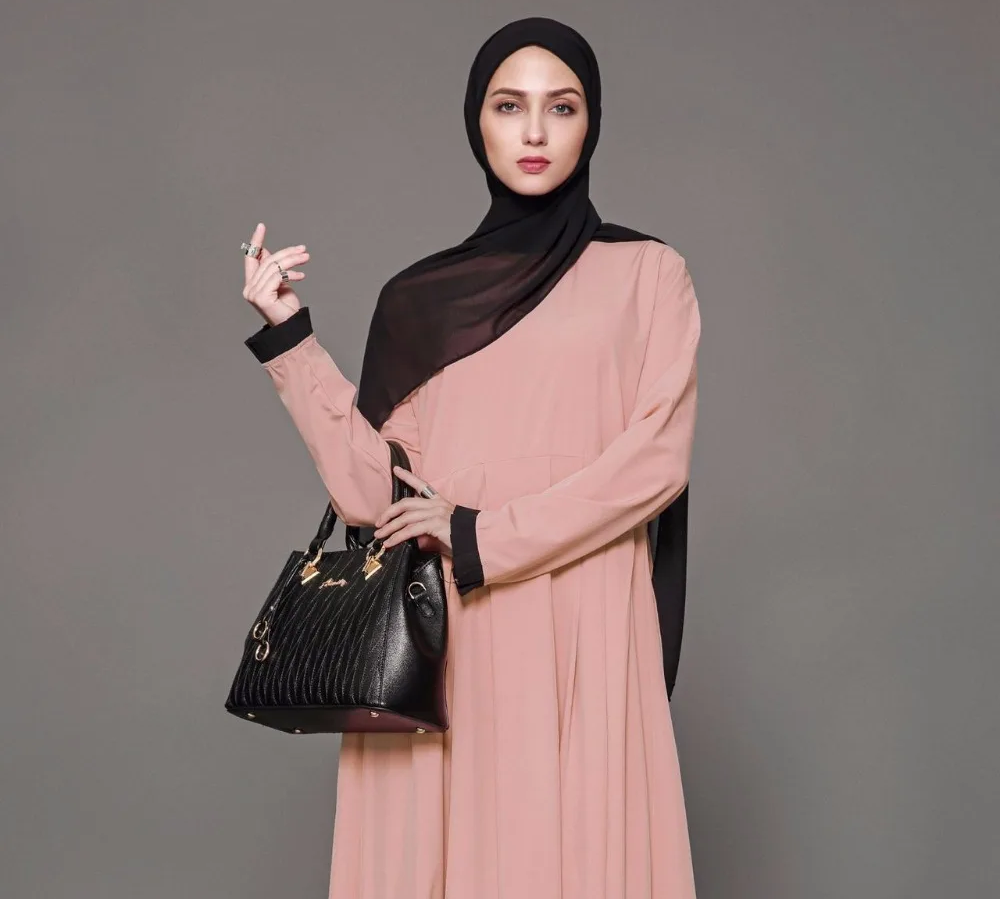
Abayas are long, flowing garments that are typically worn over regular clothes. They come in various styles, colors, and fabrics, making them versatile for different occasions. Abayas can be simple or adorned with intricate designs and embellishments. They are often worn in public settings and are a staple in many Muslim women’s wardrobes. The beauty of the abaya lies in its ability to be both elegant and practical, providing comfort while allowing for personal expression through unique designs and accessories.
Hijabs
The hijab is a headscarf that covers the hair and neck, leaving the face visible. It is worn by many Muslim women as a sign of modesty and faith. Hijabs come in various styles, colors, and fabrics, allowing women to express their individuality while adhering to modesty guidelines. Some popular styles include the Shayla, Khimar, and Al-Amira. The hijab can be styled in numerous ways, enabling women to experiment with different looks that complement their outfits, making it a versatile accessory in their wardrobe.
Maxi Dresses
Maxi dresses are long dresses that provide full coverage while being stylish and comfortable. They can be worn for casual outings, formal events, or even at home. Maxi dresses come in various designs, from simple and elegant to bold and colorful, making them a popular choice among Muslim women. The flowing nature of maxi dresses allows for ease of movement, and they can be paired with various accessories to create a complete look suitable for any occasion.
Tunics and Long Tops
Tunics are longer tops that can be paired with trousers or leggings. They are available in various styles, including those with high necklines and long sleeves, which are ideal for maintaining modesty. Tunics can be dressed up or down, making them a versatile addition to any wardrobe. The adaptability of tunics allows women to transition seamlessly from day to night, making them a practical choice for busy lifestyles.
Jilbabs
Jilbabs are similar to abayas but are often more tailored and can be worn as outer garments. They typically cover the entire body except for the face and hands. Jilbabs can be found in various styles and are often worn for both everyday activities and special occasions. The structured design of jilbabs provides a polished look, making them suitable for formal events while still adhering to modesty principles.
Styling Muslim Clothes
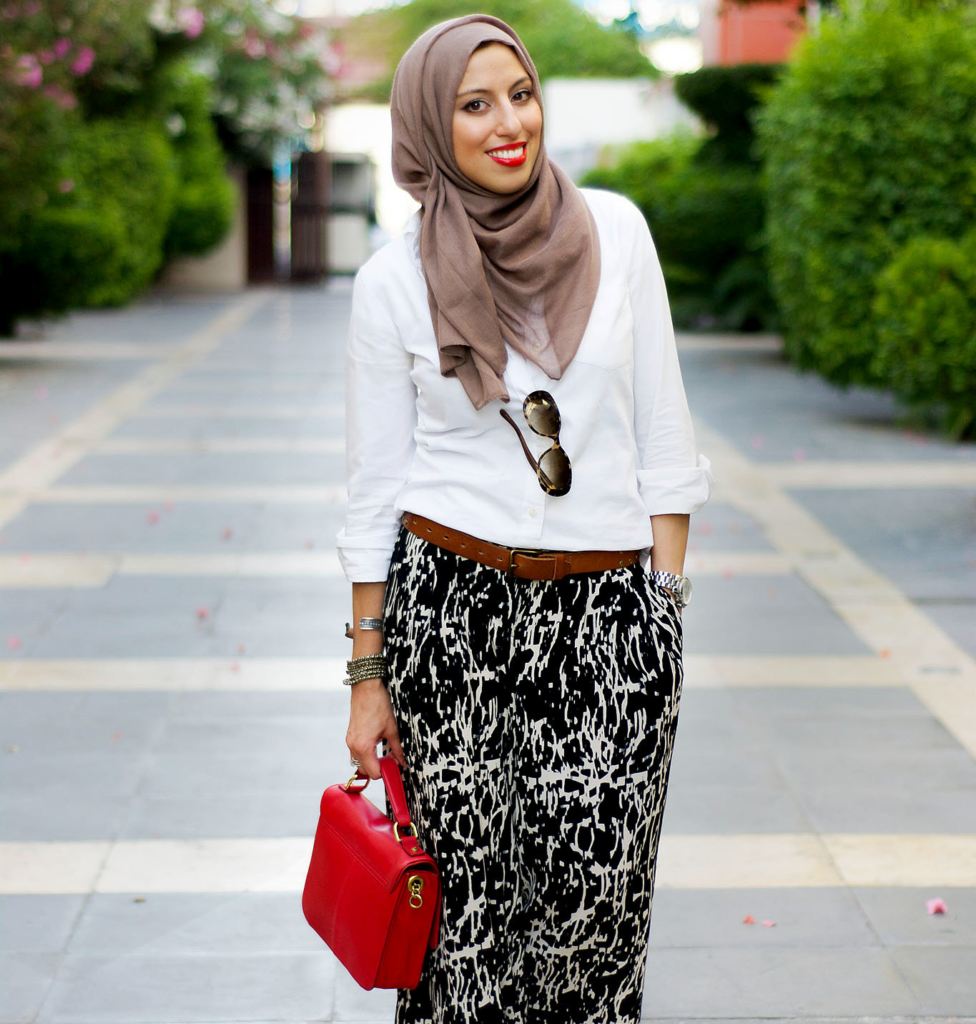
While modesty is key, styling Muslim clothes can be a fun and creative process. Here are some tips on how to style these garments effectively, allowing for personal expression while maintaining the essence of modest fashion.
Layering
Layering is an excellent way to add dimension to an outfit while maintaining modesty. For example, wearing a long cardigan over a tunic can create a stylish look. Additionally, layering can help transition outfits from day to night. By mixing and matching different layers, women can create unique outfits that reflect their personal style while ensuring they remain comfortable and modest.
Accessorizing
Accessories play a crucial role in enhancing any outfit. Muslim women can use scarves, jewelry, and handbags to add personal flair to their looks. A statement necklace or a colorful handbag can elevate a simple abaya or maxi dress. Accessories not only serve a functional purpose but also allow for creativity, enabling women to express their individuality and style preferences.
Choosing the Right Fabrics
The choice of fabric can significantly impact the overall look and comfort of the outfit. Lightweight fabrics like cotton and chiffon are ideal for warmer climates, while heavier fabrics like wool and velvet are suitable for cooler weather. Choosing the right fabric can also enhance the drape and flow of the garment, contributing to a polished appearance. Understanding the properties of different fabrics can help women make informed choices that align with their comfort and style needs.
Experimenting with Colors and Patterns
Muslim clothing is not limited to neutral colors. Women can experiment with vibrant colors and patterns to express their personality. Floral prints, geometric designs, and bold colors can make a statement while still adhering to modesty. The ability to mix and match colors and patterns allows for endless possibilities in creating unique outfits that reflect personal style and cultural heritage.
The Role of Fashion in Muslim Women’s Lives
Fashion plays a significant role in the lives of Muslim women. It allows them to express their identity, culture, and beliefs. Many Muslim women are breaking stereotypes by showcasing their fashion sense on social media platforms, influencing trends, and promoting modest fashion. This visibility is crucial in challenging misconceptions and fostering a greater understanding of the diversity within the Muslim community.
The Rise of Modest Fashion
In recent years, the modest fashion industry has gained momentum, with designers and brands focusing on creating stylish and modest clothing options. This shift has empowered Muslim women to embrace their style while adhering to their values. Fashion shows, blogs, and social media influencers are contributing to the visibility of modest fashion, making it more accessible and appealing. The rise of modest fashion has also encouraged collaborations between mainstream fashion brands and modest designers, further integrating modest styles into the broader fashion landscape.
Shopping for Muslim Clothes
With the rise of online shopping, finding Muslim clothes has become easier than ever. Many brands now offer a wide range of options, catering to different tastes and budgets. Women can explore various styles, read reviews, and find the perfect pieces to add to their wardrobe from the comfort of their homes. The convenience of online shopping has opened up new avenues for women to discover unique styles and connect with brands that align with their values.
Conclusion
Muslim clothes for women encompass a wide variety of styles and options that allow for personal expression while adhering to modesty guidelines. From abayas and hijabs to maxi dresses and tunics, there is something for every occasion and personal style. As the modest fashion industry continues to grow, Muslim women are empowered to embrace their unique styles and showcase their fashion sense to the world. This evolution in fashion not only reflects changing societal norms but also highlights the importance of individuality and self-expression within the framework of cultural and religious values.
How to Purchase:https://looperbuy.com/search?keywords=muslim+clothes+woman
Frequently Asked Questions
1.What are the most common types of Muslim clothing for women?
The most common types include abayas, hijabs, maxi dresses, tunics, and jilbabs.
2.How can I style a hijab with my outfit?
You can style a hijab by choosing complementary colors, experimenting with different wrapping techniques, and accessorizing with pins or brooches.
3.Are there specific fabrics recommended for Muslim clothing?
Lightweight fabrics like cotton and chiffon are great for warm weather, while heavier fabrics like wool and velvet are suitable for cooler climates.
4.Can I wear Muslim clothes for non-religious occasions?
Absolutely! Muslim clothing can be stylish and appropriate for various occasions, including casual outings, formal events, and everyday wear.
5.Where can I shop for Muslim clothes online?
Many online retailers specialize in Muslim clothing, offering a wide range of styles and sizes. Popular options include EastEssence, SHUKR, and Niswa Fashion.