In the hyper-competitive e-commerce landscape of 2026, the battle for market share is no longer won solely on the digital storefront. Instead, the real victories occur in the invisible layers of the supply chain. As global trade becomes increasingly transparent and consumers grow more savvy, businesses are forced to choose between different fulfillment models that offer varying levels of control, privacy, and scalability. Two terms that frequently dominate this conversation are “drop shipping” and “blind shipping.”
While they are often mentioned in the same breath, these concepts represent fundamentally different strategic choices. Drop shipping is a broad business model focused on inventory management—or the lack thereof—while blind shipping is a specialized logistics technique focused on information management. Understanding the intersection of these two concepts is critical for any distributor, wholesaler, or e-commerce entrepreneur looking to protect their margins and build a sustainable brand in an era where “buying direct” from manufacturers has never been easier for the end consumer.
Table of Contents
The Architectural Blueprint: Defining the Core Models
To navigate the complexities of modern logistics, one must first dismantle the common misconceptions surrounding these two fulfillment strategies. They are not mutually exclusive; rather, blind shipping is often a sophisticated layer added on top of a standard drop shipping arrangement to secure a competitive advantage.
The Dynamics of Modern Drop Shipping
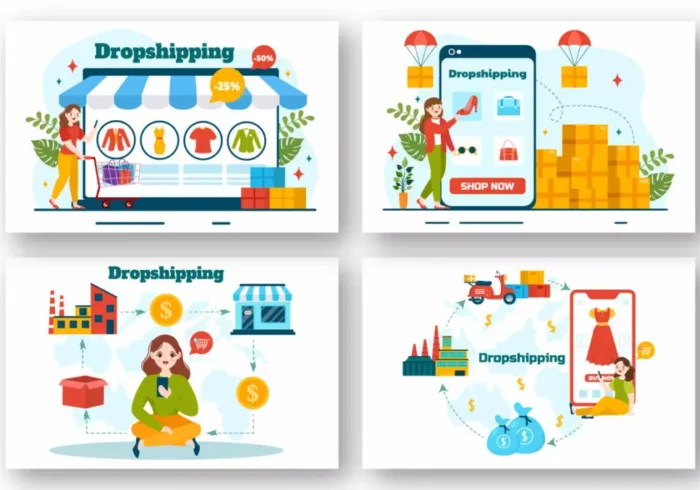
Drop shipping has evolved significantly since its inception. In 2026, it is characterized by a retail fulfillment method where a store doesn’t keep the products it sells in stock. Instead, when a store sells a product using the drop shipping model, it purchases the item from a third party—usually a wholesaler or manufacturer—and has it shipped directly to the customer.
The primary allure of drop shipping remains its low barrier to entry and capital efficiency. By removing the need for upfront inventory investment and warehouse management, businesses can focus almost entirely on marketing, customer acquisition, and user experience. However, the 2026 version of drop shipping is much more data-driven. Successful operators now leverage AI-powered supply chain predictors to select suppliers that offer the fastest transit times and the highest reliability, moving away from the “cheap at all costs” mentality of the previous decade.
The Anatomy of Blind Shipping
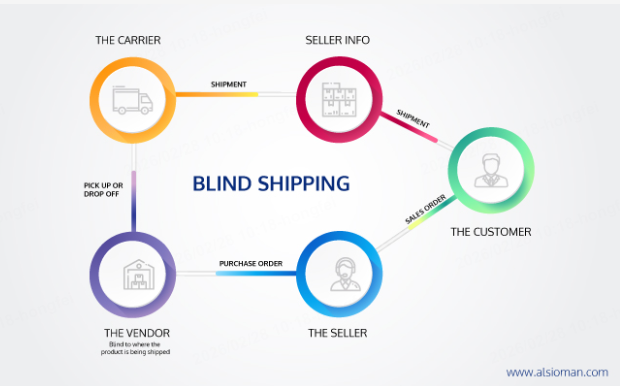
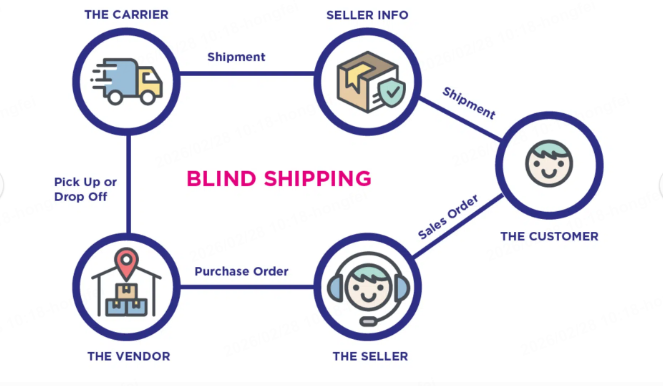
Blind shipping is a more surgical logistics practice. It involves a shipment where the identity of the original shipper (the manufacturer or supplier) is concealed from the consignee (the customer), and in some cases, the identity of the customer is also concealed from the supplier. This is achieved by manipulating the shipping documentation, specifically the Bill of Lading (BOL), to ensure that the intermediary—the person or company facilitating the sale—remains the sole point of contact for the customer.
In a blind shipment, the “Ship From” address on the package and the documentation seen by the customer typically reflects the retailer’s information rather than the supplier’s location. This creates a seamless brand experience where the customer believes the product originated directly from the company they paid. It prevents the customer from bypassing the retailer in the future to seek lower prices directly from the source, effectively “blinding” them to the origin of the goods.
Technical Execution: How Information Flows in 2026
The execution of these models requires a high degree of technical coordination, particularly as digital documentation becomes the standard in international and domestic freight. The shift from physical paperwork to electronic Bills of Lading (eBOLs) has made blind shipping more efficient but also more complex to manage securely.
The Bill of Lading Strategy
In a standard logistics chain, the BOL acts as the title to the goods and the contract of carriage. For a shipment to be truly “blind,” the logistics provider must manage two separate sets of BOLs. The first, often called the “dummy” or “pickup” BOL, is used when the carrier picks up the goods from the manufacturer. This document contains the actual pickup address for the driver’s records.
The second document, the “delivery” BOL, is the one presented to the customer upon arrival. This version has been edited to show the retailer as the shipper. In 2026, this swap is increasingly handled via automated Transportation Management Systems (TMS) that verify the credentials of the carrier and ensure that the correct information is displayed at each touchpoint without manual intervention. This automation reduces the risk of “information leakage,” which was a common failure point in manual blind shipping processes of the past.
Double-Blind Shipping vs. Single-Blind Shipping
Logistics professionals in 2026 often distinguish between single-blind and double-blind shipments. In a single-blind scenario, only the customer is kept in the dark about the supplier. The supplier still knows where the goods are going and who the end customer is. This is common in retail drop shipping.
Double-blind shipping is a higher-tier strategy often used in B2B transactions or high-value distributions. In this model, both the supplier and the customer are blinded. The supplier does not know the final destination or the identity of the customer, and the customer does not know the origin or the manufacturer. This requires a third-party logistics (3PL) partner or a freight broker to act as a “black box” intermediary, collecting the goods at a neutral location or managing a very complex electronic document swap in transit. This model is essential for protecting trade secrets and preventing suppliers from poaching high-volume clients.
Strategic Comparison: Why the Distinction Matters
Choosing between a standard drop shipping model and a blind-shipping-enabled model is a decision that impacts everything from brand equity to legal liability.
Brand Protection and Customer Perception
In the era of “unboxing” videos and social proof, the physical arrival of a package is a critical brand touchpoint. A standard drop shipment often arrives in a generic box, or worse, a box branded by the manufacturer. If a customer orders a luxury item from a boutique website and it arrives in a box labeled “Factory X in Shenzhen,” the brand’s perceived value evaporates instantly.
Blind shipping allows the retailer to maintain a “white-label” experience. By ensuring that the documentation and labels only mention the retailer’s brand, the company reinforces its position as the source of value. This is no longer just a luxury; in 2026, it is a requirement for any business that wants to charge a premium over the wholesale price. Without blind shipping, the retailer is essentially a transparent middleman whose markup is easily scrutinized.
Supplier Relations and Preventing Disintermediation
Disintermediation—the process of “cutting out the middleman”—is the greatest threat to distributors. If a high-volume customer discovers that they can get the same industrial equipment 30% cheaper by calling the factory listed on the shipping label, the distributor loses that account forever.
Blind shipping provides a “discretion moat.” It safeguards the supplier relationships that the retailer has spent years cultivating. In many industries, the specific source of a high-quality component is a trade secret. Blind shipping ensures that this secret stays within the company’s internal records, allowing the business to scale without fear that its own logistics chain will eventually become its primary competitor.
Regulatory and Compliance Challenges in the 2026 Landscape
As we move deeper into 2026, the regulatory environment for logistics has become more stringent, particularly regarding data privacy and customs transparency. Both drop shipping and blind shipping must adhere to these new realities to avoid heavy fines and shipment seizures.
Customs Transparency and the Importer of Record
One of the biggest hurdles for international blind shipping is the requirement for accurate customs declarations. Customs authorities require the “Actual Shipper” and “Actual Receiver” to be identified for security and taxation purposes. This often creates a conflict with the goal of anonymity.
To solve this, advanced 2026 logistics strategies involve the use of an Importer of Record (IOR) or an Exporter of Record (EOR). These entities take on the legal responsibility for the shipment, allowing the commercial documents (like the invoice shown to the customer) to remain “blind” while the official government filings remain 100% compliant. This separation of “commercial documentation” from “regulatory documentation” is the hallmark of a sophisticated 2026 supply chain operation.
Sustainability and Carbon Tracking
New regulations in 2026 require businesses to report the carbon footprint of every shipment. Because blind shipping involves hiding the actual origin, calculating an accurate “well-to-wheel” carbon score can be difficult. Retailers are now utilizing blockchain-based ledgers where the origin data is encrypted. The customer can see a certified carbon score for their purchase without ever seeing the physical address of the factory that produced it. This allows for environmental transparency without sacrificing commercial privacy.
Conclusion
The choice between blind shipping and drop shipping is ultimately a choice between mere survival and long-term brand dominance. Drop shipping provides the framework for an asset-light business, but blind shipping provides the security and professional polish needed to turn that business into a reputable brand. As we navigate the complexities of 2026, the most successful e-commerce ventures will be those that master the technicalities of the “blind” Bill of Lading, leverage 3PL partners for double-blind security, and maintain rigorous compliance with global trade regulations. By treating logistics not just as a cost center, but as a strategic asset for privacy and branding, businesses can ensure that they remain the indispensable link between the manufacturer and the consumer.
Empower your brand with the ultimate discretion and professional fulfillment excellence by launching your next high-margin venture with LooperBuy today at https://looperbuy.com/.
Abstract
This article provides an exhaustive comparison of blind shipping and drop shipping within the 2026 logistics framework. It details the technical workflows of Bill of Lading management, the strategic importance of supplier anonymity, and the regulatory challenges of maintaining privacy in a transparent global trade environment.
Related Questions & Answers
· What is the primary difference between drop shipping and blind shipping?
Drop shipping is a business model where the retailer does not hold inventory and the supplier ships directly to the customer. Blind shipping is a specific logistics technique used within that model (or others) to hide the supplier’s identity from the customer through modified shipping documents.
· Is blind shipping legal in international trade?
Yes, blind shipping is legal, provided that the official customs documentation (for government eyes) accurately reflects the true shipper and receiver. The “blinding” usually occurs on the commercial documents and shipping labels intended for the end customer.
· What is a “Double-Blind” shipment?
A double-blind shipment is a logistics arrangement where neither the shipper nor the receiver knows each other’s identity. This is typically managed by a third-party logistics provider (3PL) or a broker who facilitates the exchange of goods and documentation at a neutral point.
· Does blind shipping cost more than standard drop shipping?
Yes, blind shipping usually incurs additional fees. These fees cover the manual or automated labor required to swap Bills of Lading, manage neutral packaging, and coordinate with carriers to ensure that no supplier information is accidentally disclosed during delivery.
· How do I prevent a carrier from accidentally revealing the supplier’s address?
To prevent leaks, you must work with carriers experienced in blind shipping and provide clear, written instructions. Using an automated Transportation Management System (TMS) to generate specific “Pickup” and “Delivery” BOLs is the most reliable way to ensure the correct information is shown at the right time.
Hot Tags:
Blind Shipping; Drop Shipping; E-commerce Logistics; Supply Chain Management; Bill Of Lading; Double Blind Shipment; 3PL Providers; Freight Brokerage; White Label Shipping; Supplier Protection; Disintermediation; Retail Fulfillment; Order Management; International Trade Compliance; Importer Of Record; Shipping Documentation; Customer Experience; Brand Equity; Logistics Automation; 2026 E-commerce Trends; Warehouse Management; Inventory Management; Asset Light Business; B2B Logistics; Global Sourcing; Privacy In Shipping; Carbon Tracking; Blockchain Logistics; Customs Clearing; Freight Forwarding