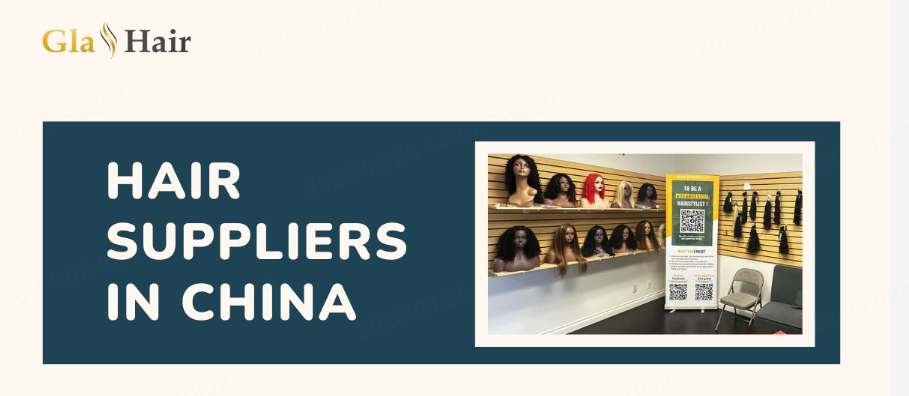
The global beauty industry has witnessed an explosive surge in demand for premium hair extensions, wigs, and various hair-enhancement products. As fashion trends continue to shift toward versatility and personalized styling, businesses ranging from boutique salons to large-scale e-commerce retailers are constantly searching for reliable supply channels. China, with its vast manufacturing landscape and deep-rooted expertise in hair processing, has emerged as the global hub for this industry. However, successfully navigating this market is not merely about finding a name on a website; it is about understanding the complexities of manufacturing, quality assurance, and international trade to ensure that your business maintains a competitive edge.
Table of Contents
Understanding the Geographic Roots of Chinese Hair Production
To successfully source products, you must first understand the geographic and operational strengths of Chinese hair factories. China does not operate as a single, uniform market for hair; instead, it is segmented into specialized industrial hubs, each known for specific types of hair products and manufacturing techniques.
Key Production Hubs and Industrial Specialization
Xuchang, located in Henan province, is widely recognized as the historical and industrial capital of the hair industry in China. This region boasts a long, established history of hair processing and is home to some of the largest, most technologically advanced factories that produce everything from synthetic blends to high-end human hair wigs. Juancheng, in Shandong province, is another critical area, frequently favored by wholesalers for its specialized expertise in processing raw materials into premium-grade human hair extensions. These regional specializations imply that where a supplier is located can often provide a significant clue about their core competency and product focus. Understanding the local industrial ecosystem allows you to target your search efforts based on the specific type of product—whether it be machine-weft bundles, hand-tied extensions, or high-definition lace wigs—that your target market demands. By aligning your business needs with the strengths of specific regions, you increase your chances of finding suppliers who possess the necessary machinery and technical skills for your specific niche.
The Evolution of Factory Capabilities and R&D
Modern Chinese hair factories have evolved significantly over the past decade. They are no longer just basic processing facilities; many have invested heavily in research and development, innovative coloring techniques, and advanced quality control protocols. When dealing with top-tier suppliers, you will find that they offer extensive customization options, including specific hair textures, lengths, densities, and custom branding for your packaging. Recognizing this level of professionalization is essential for importers who are moving away from small-scale, sporadic sourcing toward establishing long-term, scalable partnerships. Furthermore, many factories are now integrating digital management systems to track inventory, production timelines, and customer feedback. This transparency directly benefits international buyers who require reliability and consistent communication to maintain their own inventory levels.
Strategies for Identifying and Verifying Suppliers
The sheer number of available suppliers can be overwhelming, leading many beginners to fall prey to aggressive marketing tactics or, in worst-case scenarios, fraudulent operators. Developing a systematic approach to due diligence is the most effective way to filter out unsuitable candidates and protect your capital.
Navigating Wholesale Platforms with Precision
Online platforms such as Alibaba and 1688 are the most common starting points for international buyers. While these platforms host a vast array of suppliers, the key is to look beyond the initial search results. Use filtering tools to identify “Gold Suppliers,” “Verified Manufacturers,” or those with significant transaction histories and high platform ratings. Do not be swayed solely by the lowest price, as in the hair industry, exceptionally low prices are often a red flag for poor-quality materials or deceptive practices, such as selling synthetic-mixed hair as pure human hair. Instead, look for suppliers who are willing to engage in deep, technical conversations about their processing methods—such as whether the hair is chemically treated or left in its raw, virgin state. A legitimate manufacturer will be transparent about their sourcing, processing chemicals, and hygiene standards.
The Critical Importance of Sampling and Physical Inspection
Never commit to a large bulk order without first obtaining and thoroughly testing samples. A professional, high-quality supplier will almost always be willing to provide samples, even if you are required to pay for the sample and shipping costs. When the samples arrive, perform rigorous tests: check the hair for shedding, test the cuticles to ensure they are aligned, wash and style the hair to see how it holds up to heat and water, and verify that the texture and color match your specific requirements. This step is a non-negotiable investment in your business’s reputation. Furthermore, if you are planning to order in high volume, consider visiting the factory in person or hiring a professional third-party inspection service to walk the factory floor, inspect the stock, and witness the quality control process in real-time. This extra layer of security can prevent the disappointment of receiving a subpar batch after a significant financial outlay.
Advanced Sourcing Techniques and Supplier Relationships
Moving beyond the basics, building a resilient and profitable business requires a more nuanced approach to procurement and long-term relationship management.
Negotiating Terms and Building Partnerships
Success in the hair industry is rarely about one-off transactions; it is about cultivating stable, long-term relationships with factory owners. Once you have validated a supplier’s quality, focus on negotiating better terms for your future growth. This includes discussing volume discounts, priority production slots during the peak seasons, and exclusive product designs. Being a transparent and communicative partner yourself makes you more attractive to elite suppliers. Share your sales forecasts with them so they can prepare raw materials in advance, ensuring that your supply remains consistent even when market demand spikes. A good relationship can also lead to more flexibility during challenging times, such as unexpected shipping delays or raw material shortages.
Demystifying Quality Grading Systems
The hair market often uses various grading systems (such as 8A, 9A, 10A, and so on) to categorize quality. However, it is vital to understand that these grades are not standardized across the industry. A “10A” from one factory may differ significantly from a “10A” from another. Relying on these marketing numbers as an absolute indicator of quality can be misleading. Instead, focus on objective, verifiable criteria: origin of the hair (e.g., Vietnamese, Brazilian, Indian, or Chinese origin), chemical processing history, cuticle alignment, and expected longevity of the hair under regular maintenance. Learning the technical language of the industry will allow you to communicate your quality expectations accurately to your Chinese partners, ensuring you get exactly what you pay for.
Managing Your Supply Chain and Scaling Operations
As your business grows, the complexity of your supply chain will increase, requiring more sophisticated management strategies to stay efficient.
Mastering Logistics and Quality Assurance
Importing goods involves navigating complex logistics, including shipping, customs clearance, and duty payments. It is highly recommended to clarify the terms of sale, such as Incoterms, early in the negotiation process. Understand who is responsible for shipping costs and insurance, and be prepared for potential delays during peak shopping seasons or public holidays in China. Furthermore, if you are planning to scale significantly, consider hiring a third-party inspection agent. These agents can visit the factory on your behalf to perform quality checks and verify production progress before the final payment is released and the goods are dispatched. This ensures that you have a second set of eyes on the ground, minimizing the risk of receiving damaged or incorrect merchandise.
Adapting to Market Trends
The hair industry is heavily influenced by rapid shifts in fashion and social media. Your ability to quickly pivot your product offering—whether it is a new curl pattern, a specific lace color, or a specialized hair care accessory—is a significant competitive advantage. Maintain a close relationship with your supplier’s R&D department. They are often at the forefront of what is being requested by international brands and can provide you with early access to new materials or manufacturing techniques, keeping your catalog fresh and highly relevant to your customers. By treating your supplier as an extension of your own team, you can stay ahead of trends and consistently offer high-demand products to your clientele.
Conclusion
Sourcing hair products from China is a transformative step for any beauty business, offering access to high-quality materials and unparalleled manufacturing scale. By understanding the regional specializations, conducting meticulous due diligence, prioritizing sample testing, and managing your supply chain with professionalism, you can overcome the inherent challenges of international sourcing. Success in this field is built on long-term relationships, consistency, and a deep understanding of your own quality benchmarks. As you navigate this dynamic market, remain diligent, continue to vet your partners, and always prioritize the needs of your end customers, ensuring your brand stands out for its reliability and excellence.
To elevate your business with premium, ethically sourced hair products that guarantee customer satisfaction, explore our vetted network of manufacturers at https://looperbuy.com/
Related Questions & Answers
· What is the most reliable way to verify if a hair supplier is a real factory or just a trader?
A real factory typically has a larger physical footprint, specialized machinery for hair processing, and a more robust, long-term presence on B2B platforms. You can verify this by requesting video calls to see their production floor, asking for certifications like ISO or specific industry licenses, and checking if they can provide deep customization that requires factory-level manufacturing.
· How can I avoid getting scammed when buying hair from China?
Always start with small sample orders to test quality before placing bulk orders. Use reputable, established wholesale platforms that provide trade assurance or similar payment protection services. Avoid sending direct bank transfers to unverified accounts, and prioritize suppliers who are communicative, transparent about their processes, and willing to answer technical questions about their products.
· What is the difference between human hair and synthetic-mixed hair?
Human hair can be styled with heat, washed, and maintained just like natural hair, lasting significantly longer. Synthetic-mixed hair is a blend of natural fibers and synthetic materials; it is cheaper but often cannot withstand high heat, may have an unnatural shine, and will not last as long. Always test your samples by applying a flat iron or doing a burn test to confirm the composition.
· How do I deal with international shipping and customs for hair products?
Choose a shipping method that matches your budget and timeline, such as air express for faster delivery of smaller batches or sea freight for cost-effectiveness on large bulk orders. Ensure you have all necessary documentation, including commercial invoices and packing lists, and research the import duties and regulations for your specific country to prevent delays at customs.
· Is it better to visit the factories in China in person?
Visiting in person is the most effective way to build trust, inspect quality firsthand, and discuss long-term partnerships. However, it is a significant investment. For beginners, it is recommended to start by working with reliable suppliers online and visiting only after you have established a consistent demand and are ready to scale your operations significantly.
Hot Tags:
Human Hair Extensions; Chinese Hair Manufacturers; Wholesale Wig Sourcing; Hair Supply Chain; Beauty Business Growth; Import Guide China; Hair Quality Control; Salon Supply Sourcing; Hair Factory Partners; Premium Hair Sourcing; Global Beauty Market Trends; Hair Industry Logistics; Virgin Hair Procurement; B2B Hair Trade Strategy; Scalable Beauty Business; Custom Wig Manufacturing; Hair Texture Grading; International Import Regulations; Reliable Hair Vendors; Sustainable Supplier Relationships; Beauty Inventory Management; Global Hair Trade Insights; Professional Hair Sourcing; High-Quality Hair Extensions; Factory Direct Sourcing; Strategic Hair Importing; Beauty Industry Procurement; Hair Extension Wholesaler; Overseas Manufacturing Partnerships; Hair Market Analysis; Professional Hair Sourcing Techniques; Advanced Quality Assurance Protocols; Global Beauty Supply Chain Optimization; Long-Term Business Collaboration; Efficient International Trade Practices; Custom Branding Solutions; Hair Market Competitive Advantage; Scalable Retail Inventory Management