Male Muslim clothing is a significant aspect of Islamic culture, reflecting both religious beliefs and cultural heritage. This article explores the various styles, materials, and cultural significance of male Muslim attire, providing a comprehensive overview of what makes these garments unique. Understanding the nuances of male Muslim clothing not only highlights the diversity within the Muslim community but also emphasizes the importance of modesty and identity in fashion.
Table of Contents
Understanding Male Muslim Clothing
The Importance of Modesty
In Islam, modesty is a fundamental principle that extends to clothing. Male Muslim clothing is designed to cover the body appropriately while allowing for personal expression. The Quran emphasizes the importance of modesty, which influences how Muslim men choose their attire. This principle is not only about covering the body but also about presenting oneself with dignity and respect. Modesty in clothing serves as a reminder of the values of humility and self-restraint, encouraging individuals to focus on their character rather than their appearance. This cultural emphasis on modesty fosters a sense of community and belonging among Muslim men, as they often wear similar styles that reflect their shared beliefs.
Common Types of Male Muslim Clothing
There are several traditional garments that are commonly worn by Muslim men, each with its own cultural significance and style. These garments vary not only in design but also in the occasions for which they are appropriate, showcasing the rich diversity of Islamic attire.
Thobe
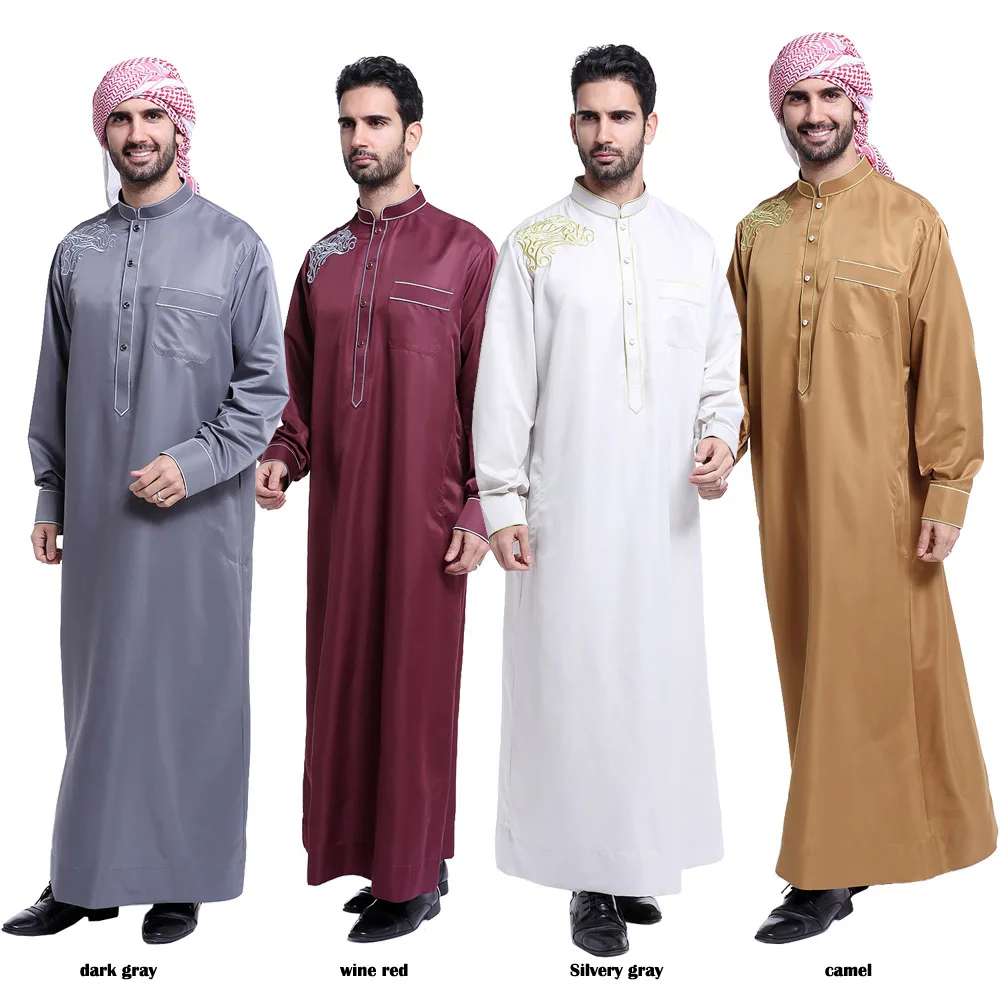
The thobe, also known as a jubba or kandura, is a long, flowing garment that is typically ankle-length. It is often worn in Middle Eastern countries and is made from lightweight fabrics, making it suitable for hot climates. The thobe can come in various colors and designs, often featuring intricate embroidery or patterns. This garment is not only practical but also serves as a symbol of cultural identity. In many regions, the color and style of the thobe can indicate social status or regional affiliation, making it a significant part of a man’s wardrobe. Additionally, the thobe is often worn during religious ceremonies, family gatherings, and festive occasions, reinforcing its importance in social and cultural contexts.
Kufi
The kufi is a traditional cap worn by Muslim men, often during prayers or religious gatherings. It symbolizes faith and is usually made from cotton or wool. The kufi can be plain or decorated with patterns, and it is an essential accessory that complements the thobe. Wearing a kufi is a way for men to express their devotion and respect during religious practices. The design of the kufi can vary widely, with some featuring intricate embroidery or unique patterns that reflect the wearer’s cultural background. This headwear not only serves a practical purpose in keeping the head covered but also acts as a cultural identifier, linking the wearer to their heritage and community.
Shalwar Kameez
In South Asian cultures, the shalwar kameez is a popular outfit for men. It consists of a long tunic (kameez) paired with loose-fitting trousers (shalwar). This outfit is comfortable and versatile, suitable for both casual and formal occasions. The shalwar kameez is often made from vibrant fabrics and can be adorned with embroidery, making it a favorite choice for weddings and celebrations. This garment allows for ease of movement, which is particularly important in regions with hot climates. The shalwar kameez also reflects the rich textile traditions of South Asia, showcasing the artistry and craftsmanship of local artisans.
Sarong
In Southeast Asia, particularly in Indonesia and Malaysia, men often wear a sarong, which is a piece of cloth wrapped around the waist. It is commonly worn during prayers and religious ceremonies, reflecting the local culture while adhering to Islamic principles of modesty. The sarong is a versatile garment that can be styled in various ways, making it suitable for different occasions. It is often made from colorful fabrics and can feature traditional patterns that represent the cultural heritage of the region. The sarong not only serves as a practical garment but also as a symbol of cultural pride and identity.
Fabrics and Materials
The choice of fabric plays a crucial role in male Muslim clothing. Common materials include cotton, linen, and silk, each offering different benefits. Cotton is breathable and comfortable, making it ideal for everyday wear, while silk is often reserved for special occasions due to its luxurious feel. The selection of fabric is influenced by the climate and the occasion, with lighter materials preferred in warmer regions. Additionally, the quality of the fabric can reflect the wearer’s social status, with finer materials often associated with wealth and prestige. The use of sustainable and ethically sourced fabrics is also gaining popularity, as more individuals seek to align their clothing choices with their values.
Cultural Significance of Male Muslim Clothing
Regional Variations
Male Muslim clothing varies significantly across different regions, influenced by local customs, climate, and cultural practices. For instance, in the Gulf countries, men often wear white thobes, while in North Africa, darker colors are more common. These variations reflect the rich tapestry of Islamic culture worldwide. Each region has its own unique styles and traditions, which are often passed down through generations. This diversity not only enriches the cultural landscape but also allows for personal expression within the framework of Islamic teachings. Understanding these regional differences can enhance appreciation for the global Muslim community and its varied expressions of faith.
Fashion and Modern Trends
In recent years, there has been a growing trend towards modernizing traditional male Muslim clothing. Designers are incorporating contemporary styles and fabrics, appealing to younger generations while maintaining the essence of modesty. This fusion of tradition and modernity allows Muslim men to express their identity in diverse ways. Fashion shows and events dedicated to Islamic attire are becoming more common, showcasing innovative designs that challenge stereotypes and promote inclusivity. Social media platforms also play a significant role in shaping fashion trends, as influencers and designers share their interpretations of male Muslim clothing, inspiring a new generation to embrace their cultural heritage while exploring modern aesthetics.
The Role of Male Muslim Clothing in Identity
Clothing is a powerful form of self-expression, and for many Muslim men, their attire is a reflection of their faith and cultural identity. Wearing traditional garments can foster a sense of belonging within the community and serve as a reminder of their heritage. The choice of clothing often reflects personal beliefs, values, and social status, making it an important aspect of individual identity. In multicultural societies, male Muslim clothing can also serve as a bridge between cultures, promoting understanding and respect among diverse communities. By embracing their traditional attire, Muslim men can assert their identity while contributing to the broader narrative of cultural diversity.
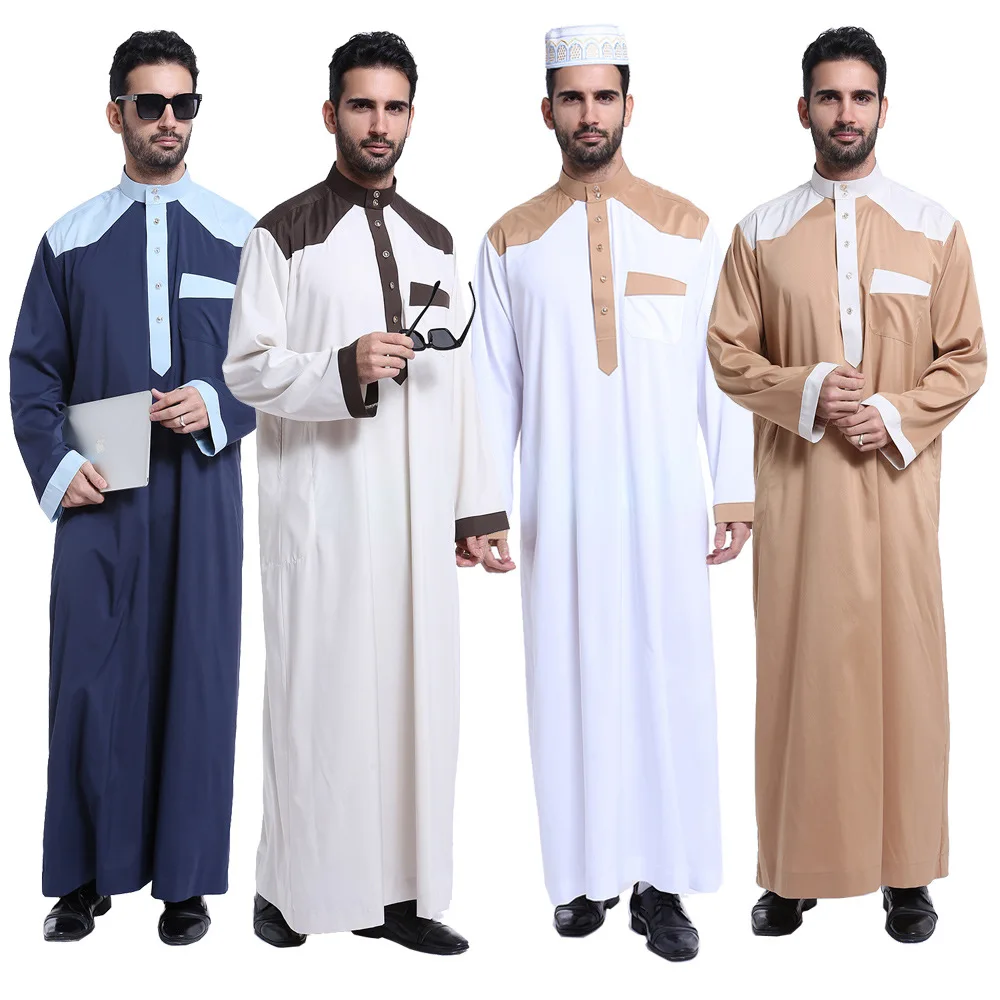
Choosing the Right Male Muslim Clothing
Factors to Consider
When selecting male Muslim clothing, several factors should be taken into account. The occasion is a primary consideration, as different events may require different styles. Formal occasions may call for more elaborate designs, while casual settings allow for simpler attire. Comfort is also crucial; the fit and fabric of the clothing should provide comfort, especially in hot climates. Additionally, cultural appropriateness is essential, as understanding the cultural context of the clothing can enhance its significance and respect for traditions. Personal style should not be overlooked, as individuals may wish to express their unique identity through their clothing choices.
Where to Buy Male Muslim Clothing
There are numerous online and physical stores that specialize in male Muslim clothing. These stores often offer a wide range of styles, sizes, and price points, making it easier for individuals to find garments that suit their needs. Additionally, local markets in predominantly Muslim areas often feature traditional clothing, providing an opportunity to support local artisans. Online platforms have also made it possible to access a global market, allowing consumers to explore diverse styles from different cultures. When shopping for male Muslim clothing, it is important to consider the quality of the garments and the ethical practices of the brands, as more consumers seek to make informed choices that align with their values.
Conclusion
Male Muslim clothing is more than just a means of covering the body; it is a reflection of faith, culture, and identity. Understanding the various styles, materials, and cultural significance of these garments can enhance appreciation for the diversity within the Muslim community. As fashion continues to evolve, male Muslim clothing will likely adapt while retaining its core values of modesty and respect. By embracing both tradition and modernity, Muslim men can navigate their identities in a globalized world, celebrating their heritage while engaging with contemporary fashion trends.
How to purchase:https://looperbuy.com/search?keywords=male+muslim+clothing
Related Questions and Answers
1. What is the significance of the thobe in Muslim culture?
The thobe is a traditional garment that symbolizes modesty and cultural identity, often worn during prayers and special occasions.
2. How do modern trends influence male Muslim clothing?
Modern trends incorporate contemporary styles and fabrics, appealing to younger generations while maintaining traditional values.
3. What materials are commonly used in male Muslim clothing?
Common materials include cotton, linen, and silk, each offering different benefits in terms of comfort and style.
4. Are there specific clothing requirements for Muslim men?
Yes, Muslim men are encouraged to wear modest clothing that covers the body appropriately, reflecting the principles of Islam.
5. Where can I find traditional male Muslim clothing?
Traditional male Muslim clothing can be found in specialized online stores, local markets, and boutiques that focus on Islamic attire.